Search
Close this search box.

Strengthening Women’s Resilience in Times of Crisis Through Economic Empowerment

Stories

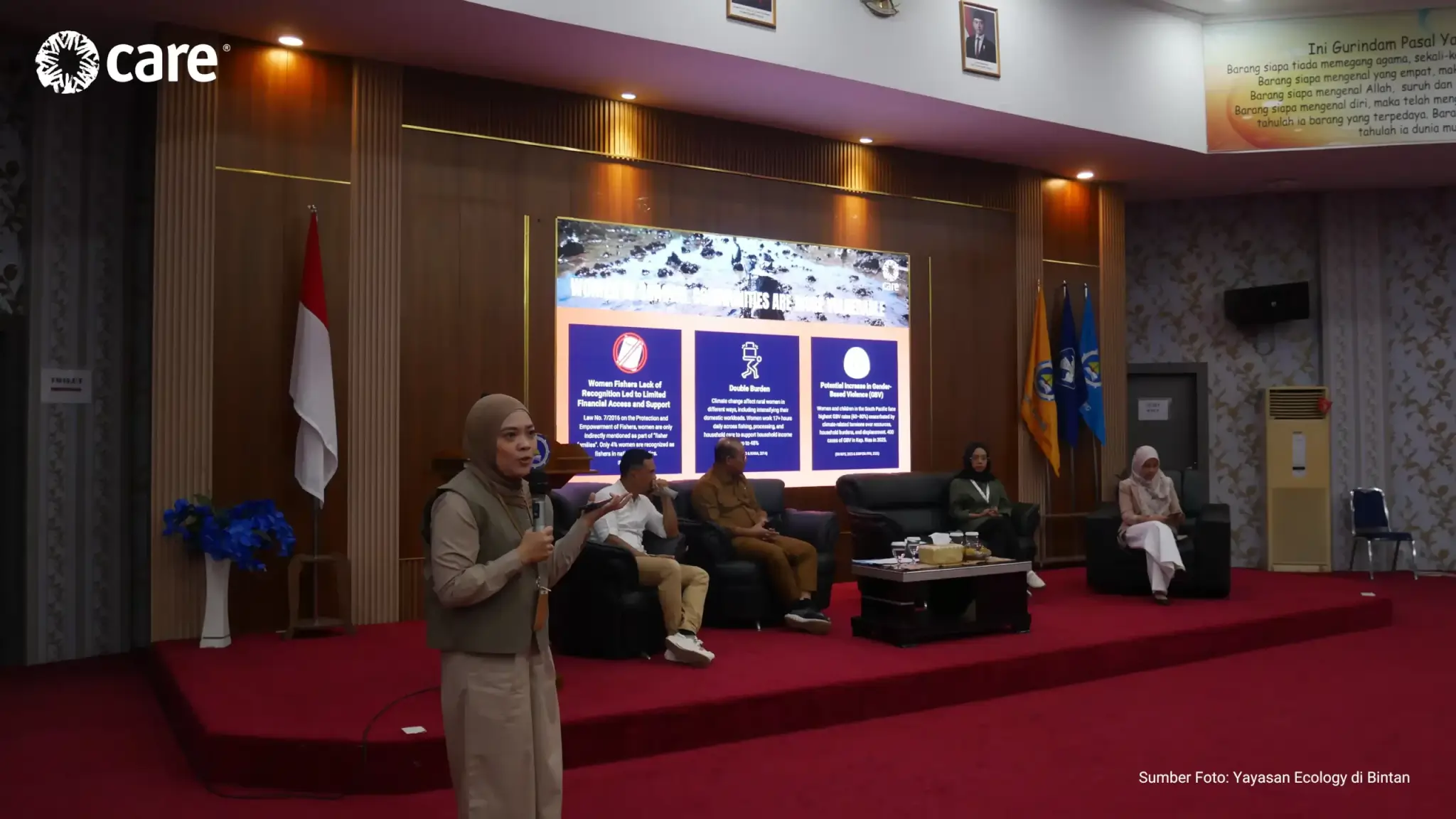
Data from Indonesia’s National Disaster Management Agency (BNPB) shows that women hold great potential to be involved in crisis management across all stages, from preparedness, to response, and recovery. According to the United Nations Office for Disaster Risk Reduction (UNDRR), including women in disaster planning can improve response effectiveness by up to 30 percent. Unfortunately, the reality on the ground remains unequal. In 2022, BNPB recorded that only about 20 women were actively engaged in disaster volunteer structures at the village level. Limited experience and capacity often prevent women from gaining adequate space for participation.

Strengthening women’s capacity in disaster response has become an urgent necessity. Beyond protection, it is also a strategic measure to reduce the risks of gender-based violence (GBV), which frequently rise during crises. A UNFPA (2019) report revealed that during the Palu, Sigi, and Donggala disasters, cases of domestic violence, harassment, and attempted rape also increased. Active involvement of women is therefore key to ensuring community safety and resilience.

Women at the Frontline of Resilience

CARE Indonesia (Yayasan CARE Peduli/YCP), in collaboration with various partners and with the support of local governments, works to strengthen the resilience of women’s groups across different regions.

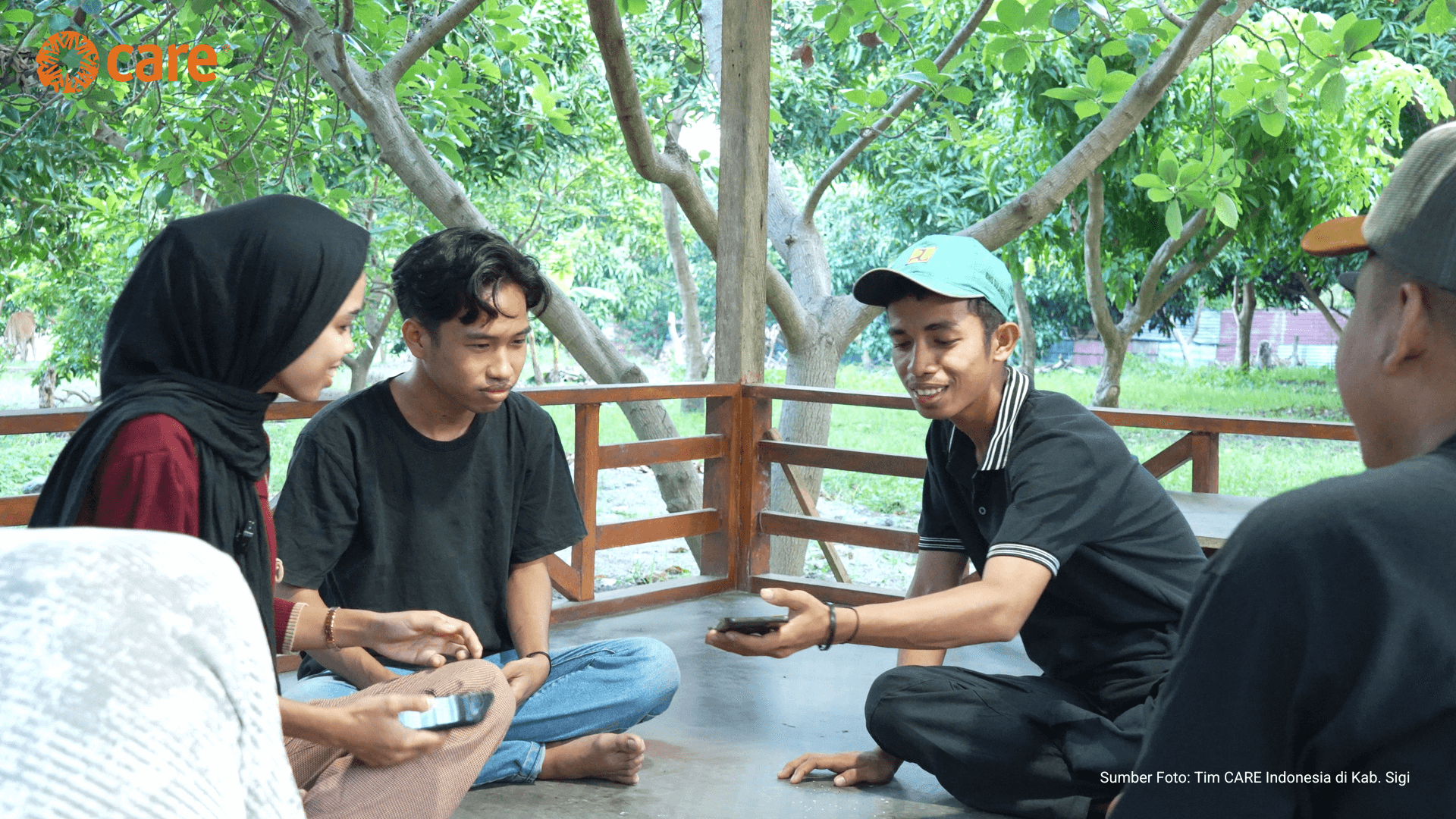
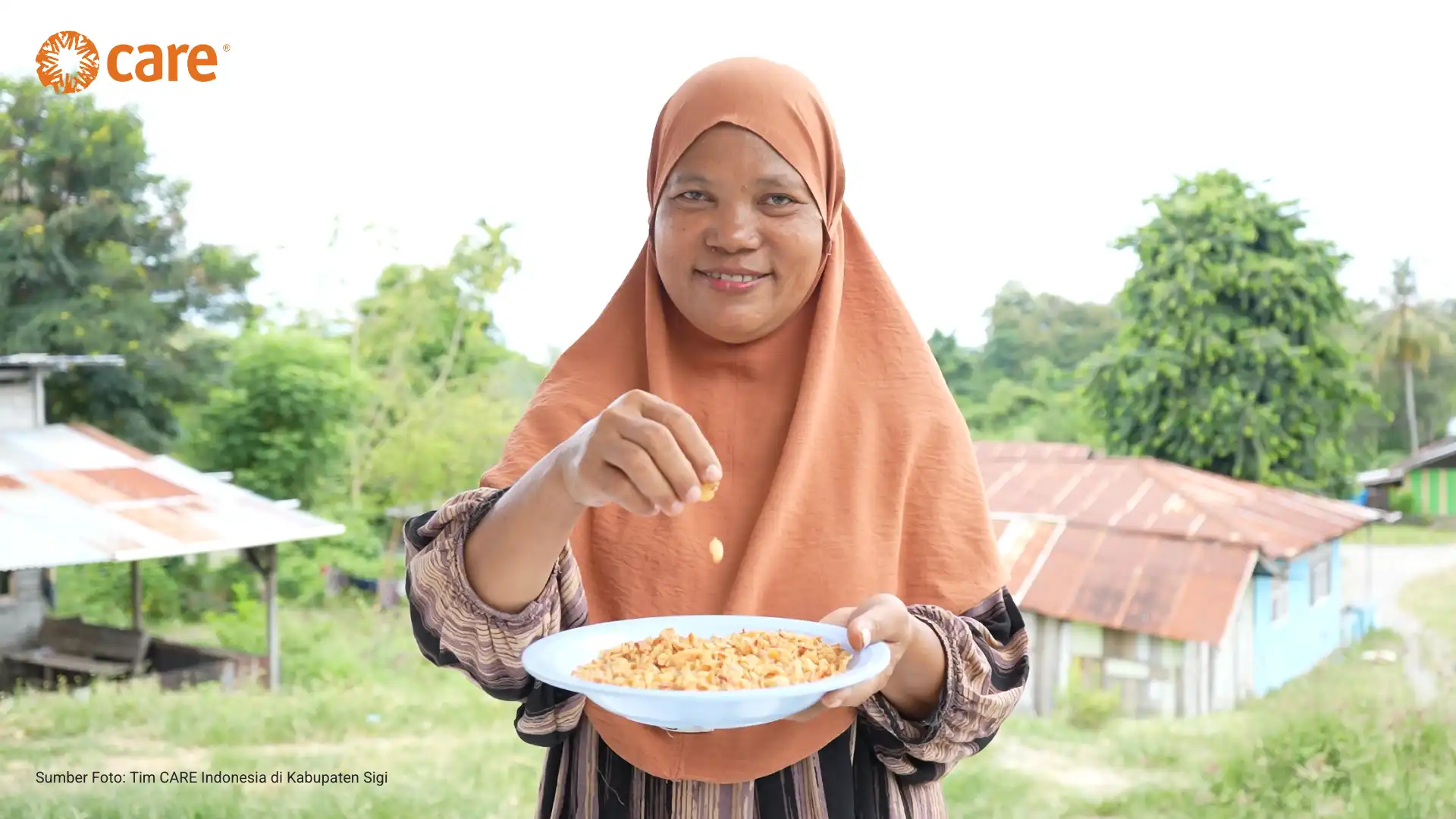
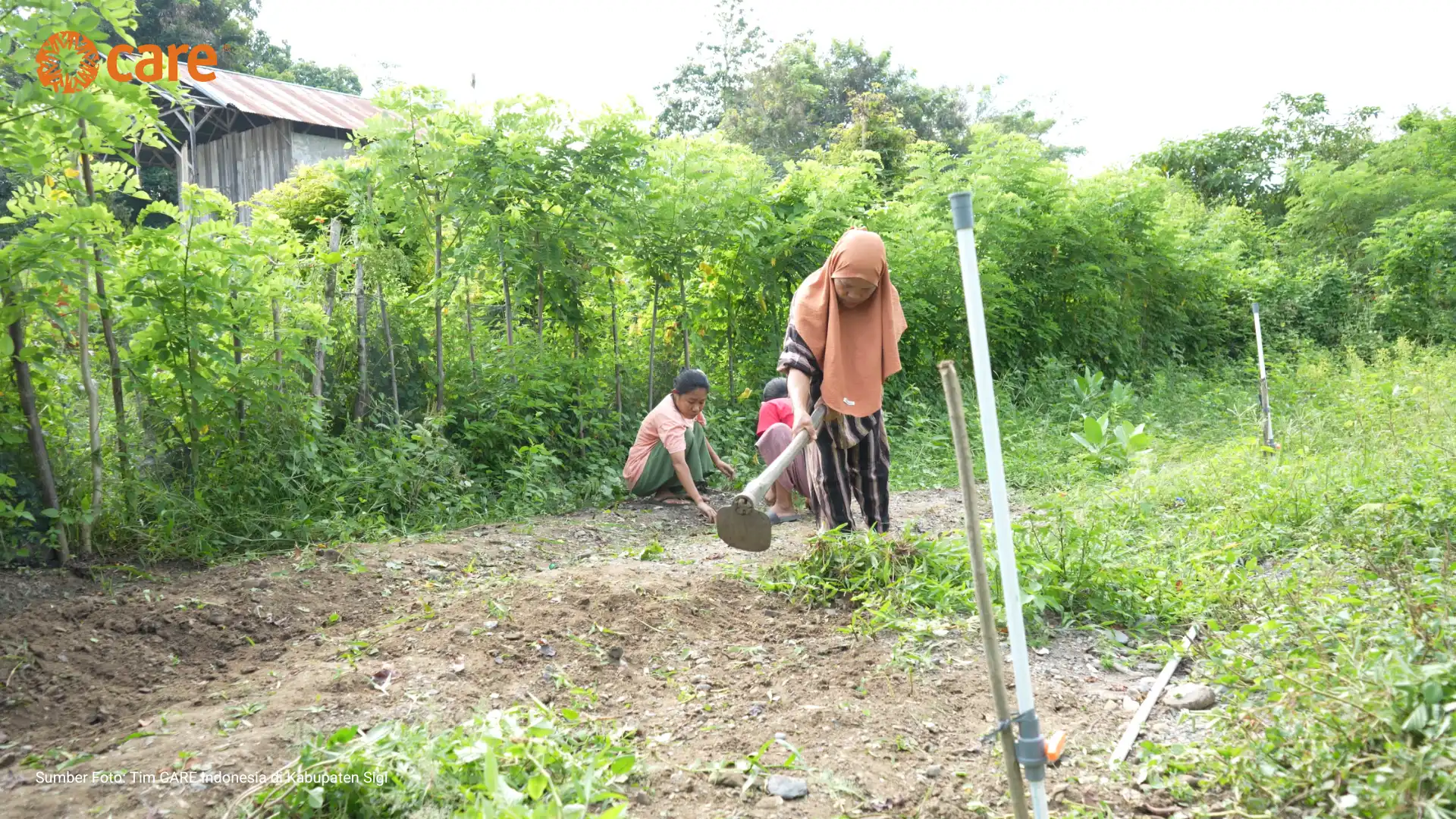
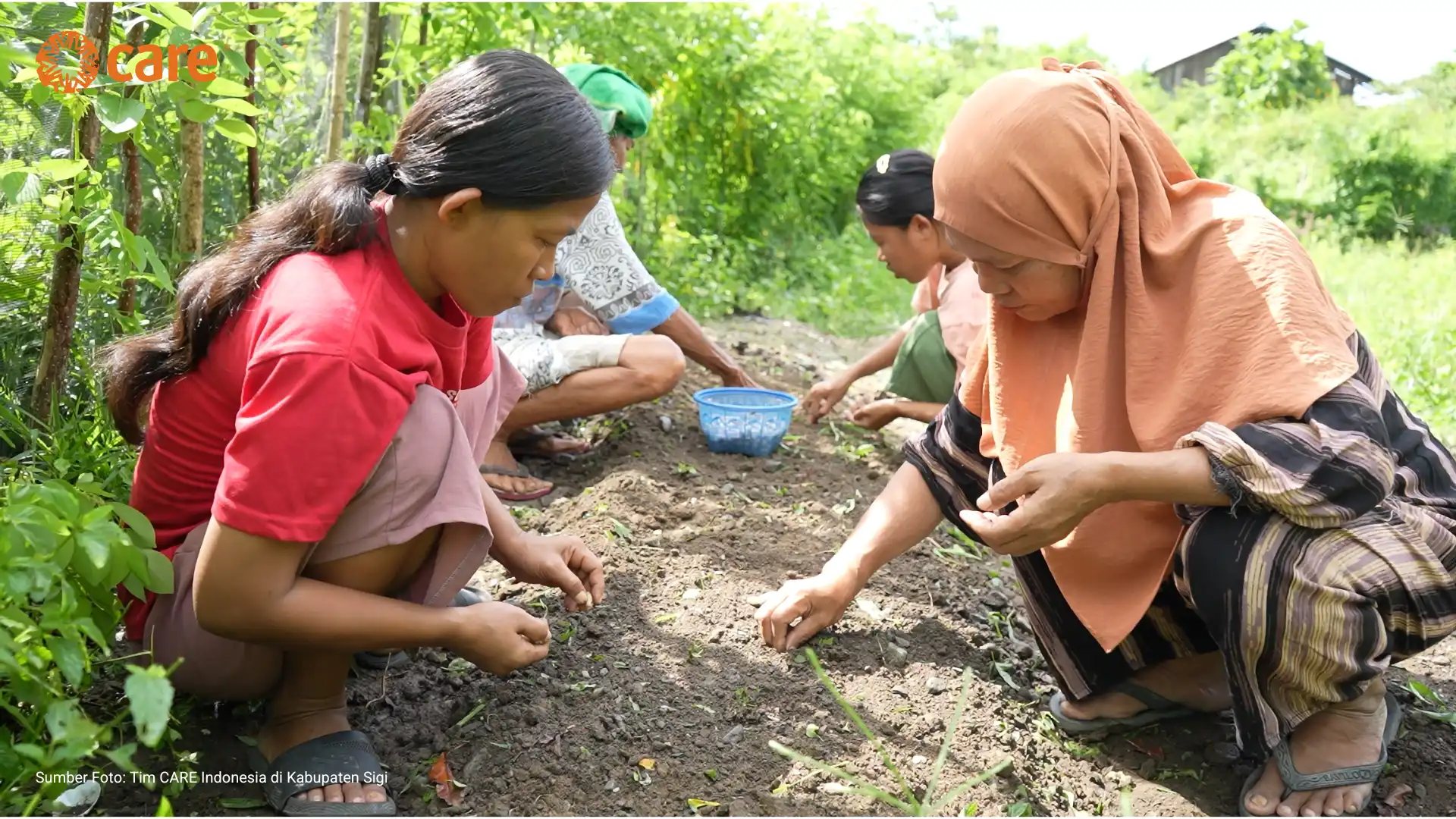
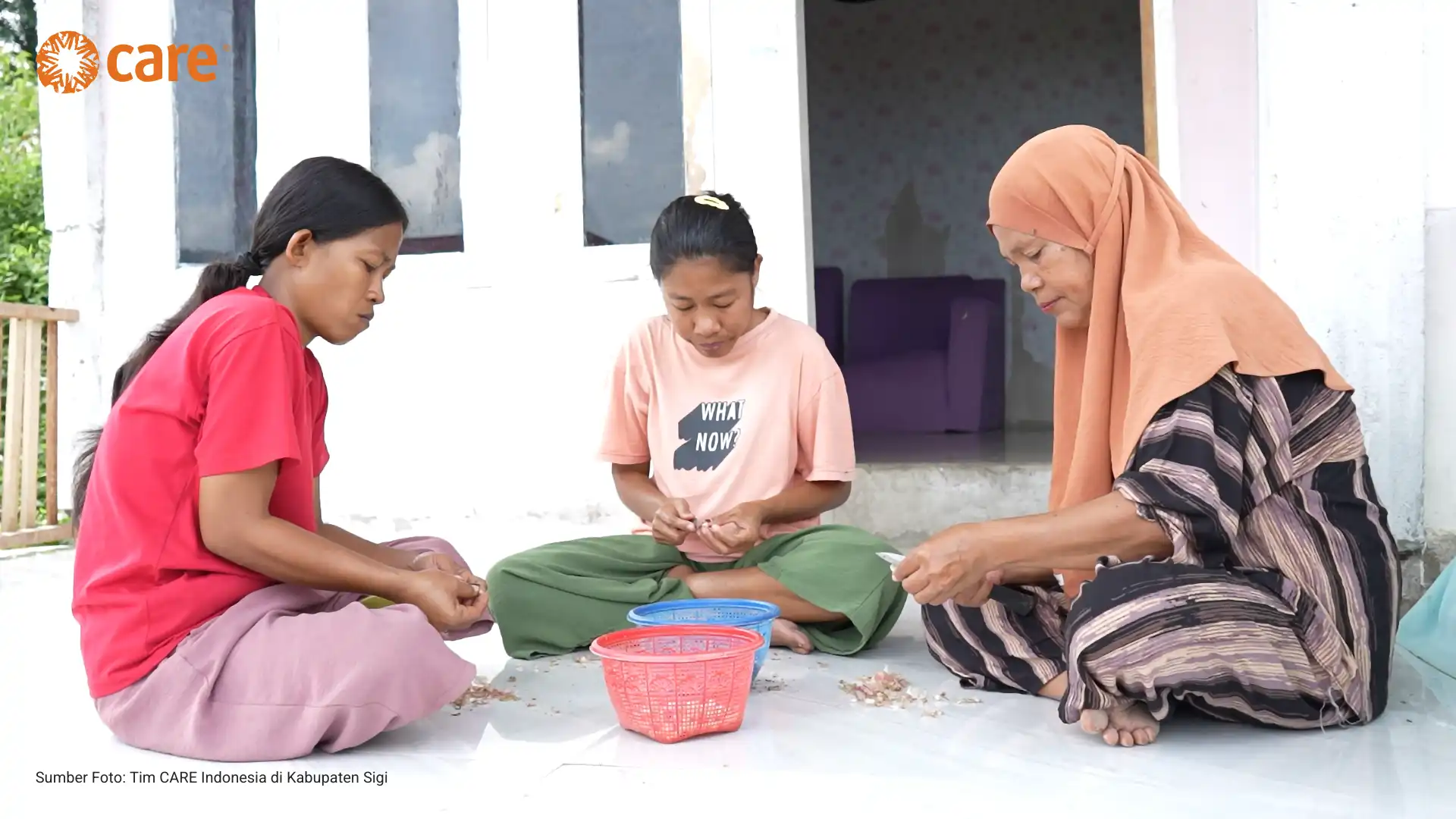
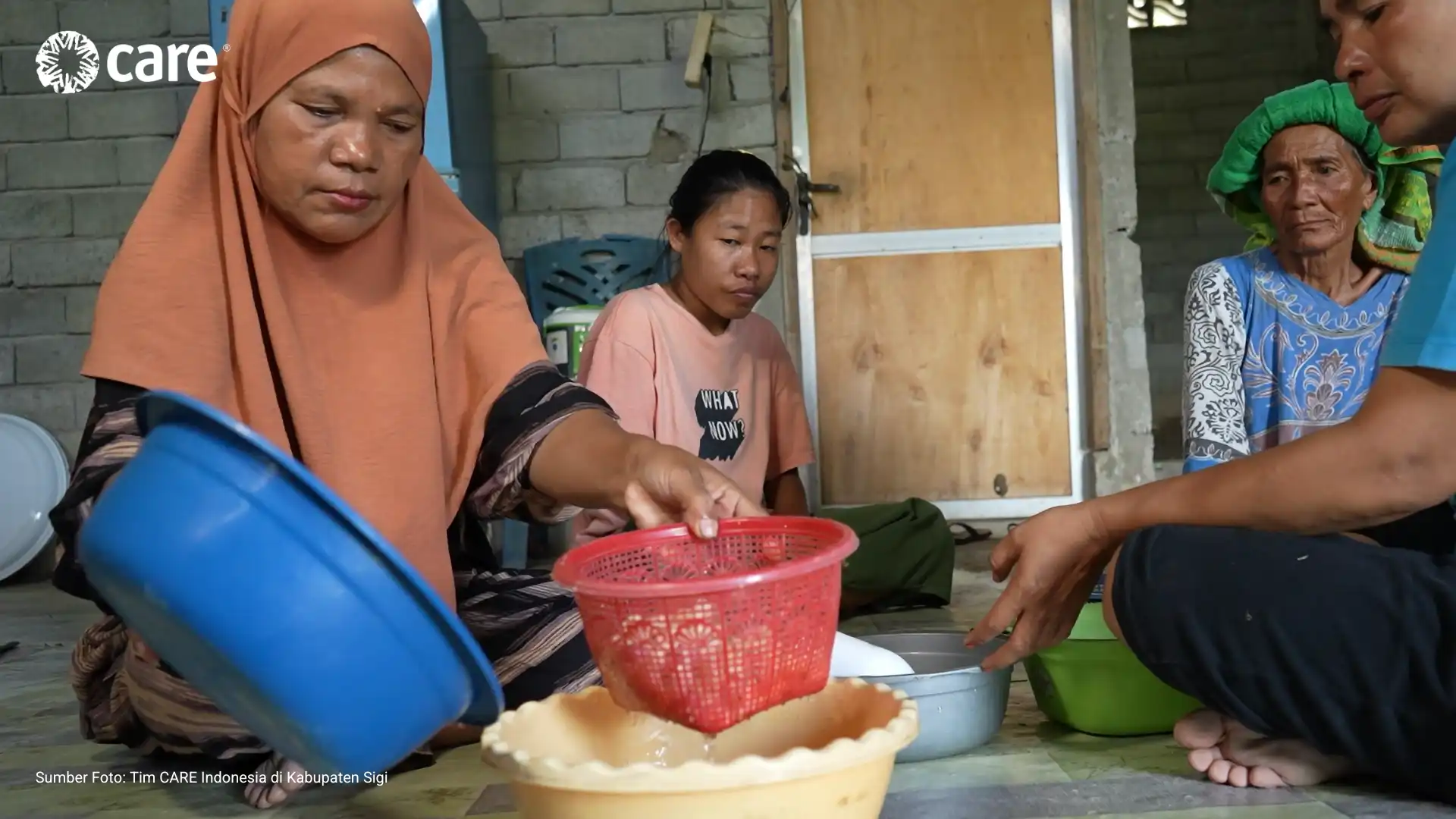
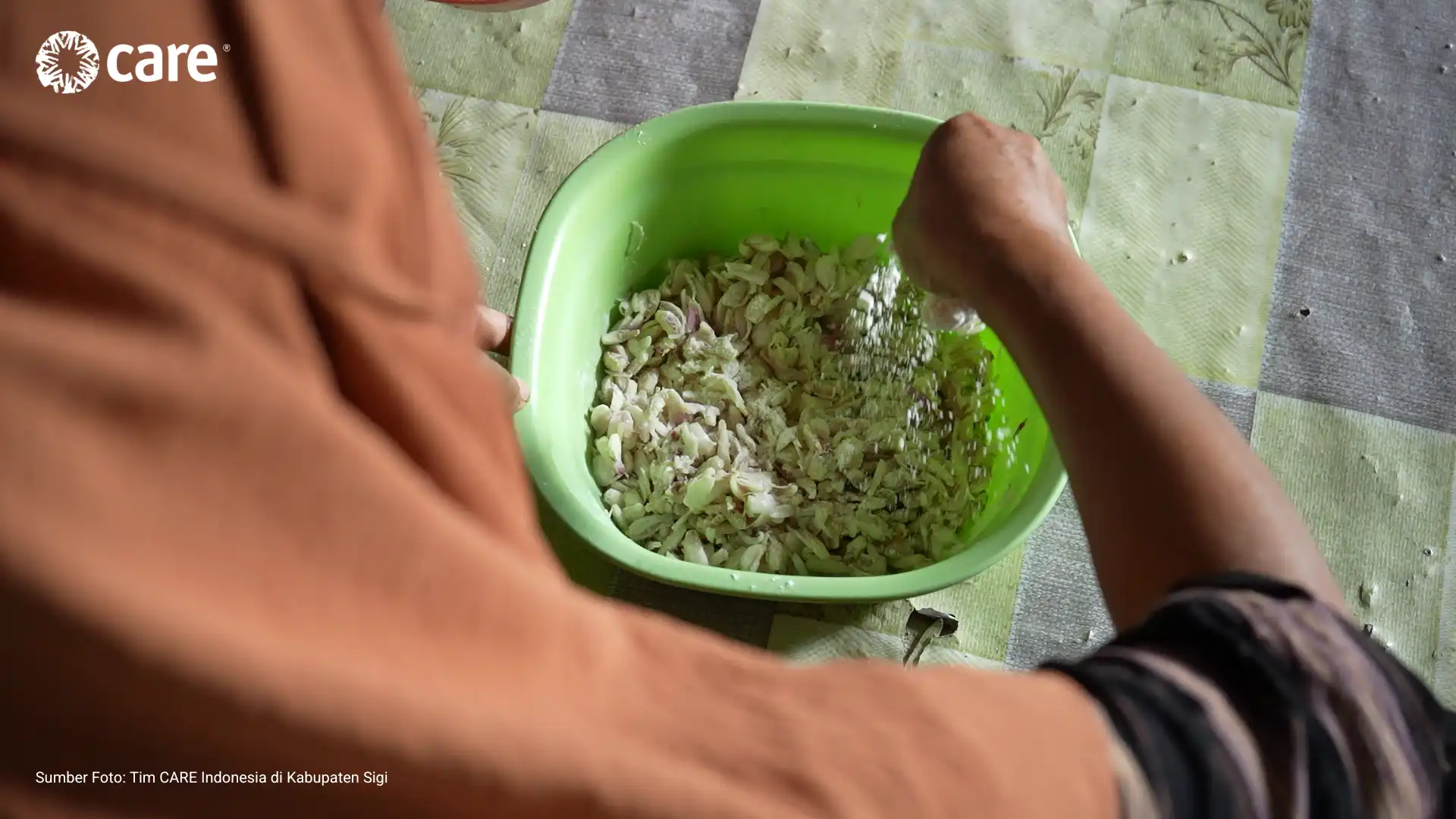
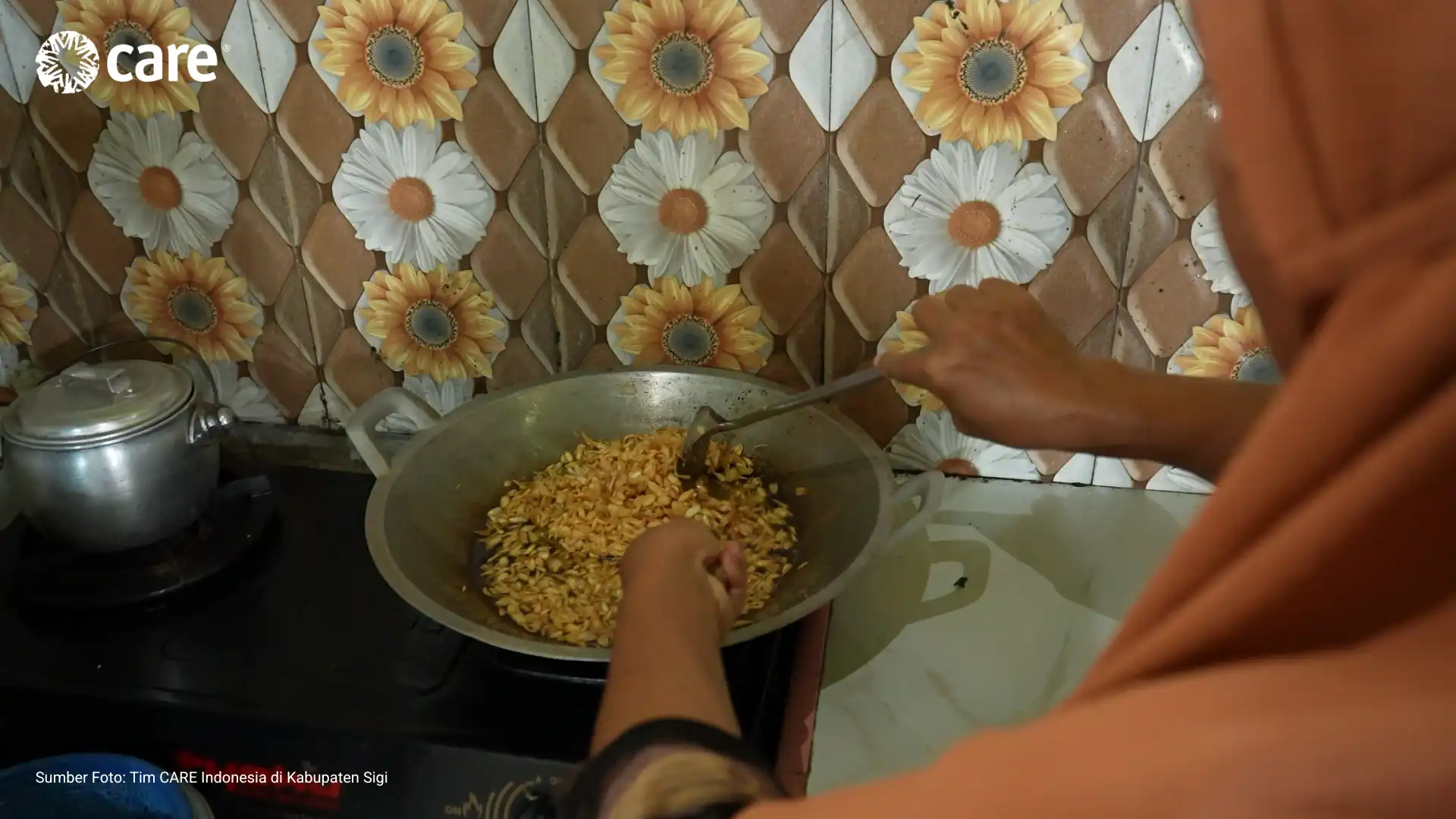
In Sigi District, through the establishment of Women’s Economic Business Groups (KUEP) in six villages, women have received training, business support, and opportunities to enhance their capacity. The development and strengthening of these groups not only provide additional household income, but also equip women with economic independence that has proven essential when crises strike.

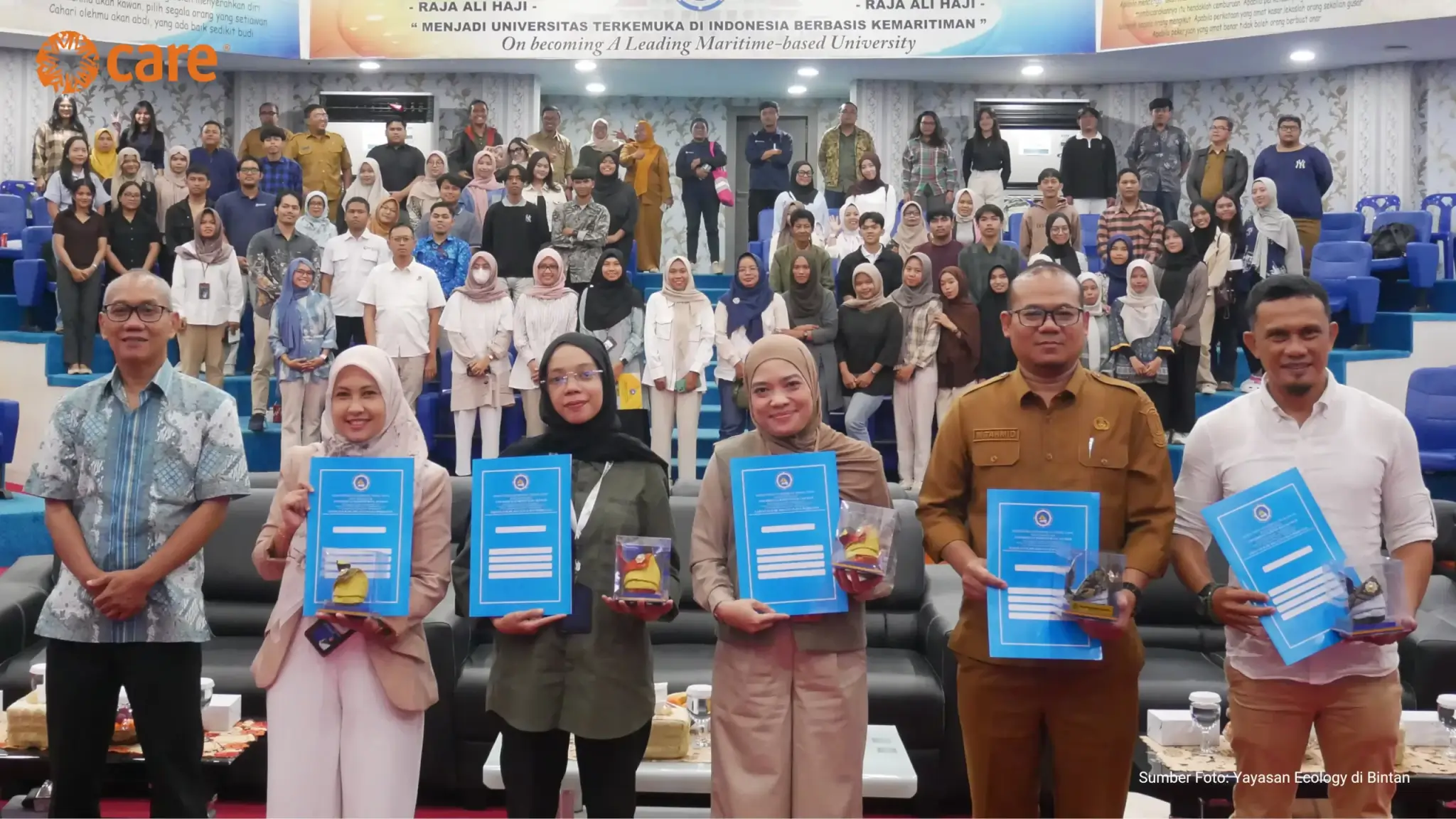
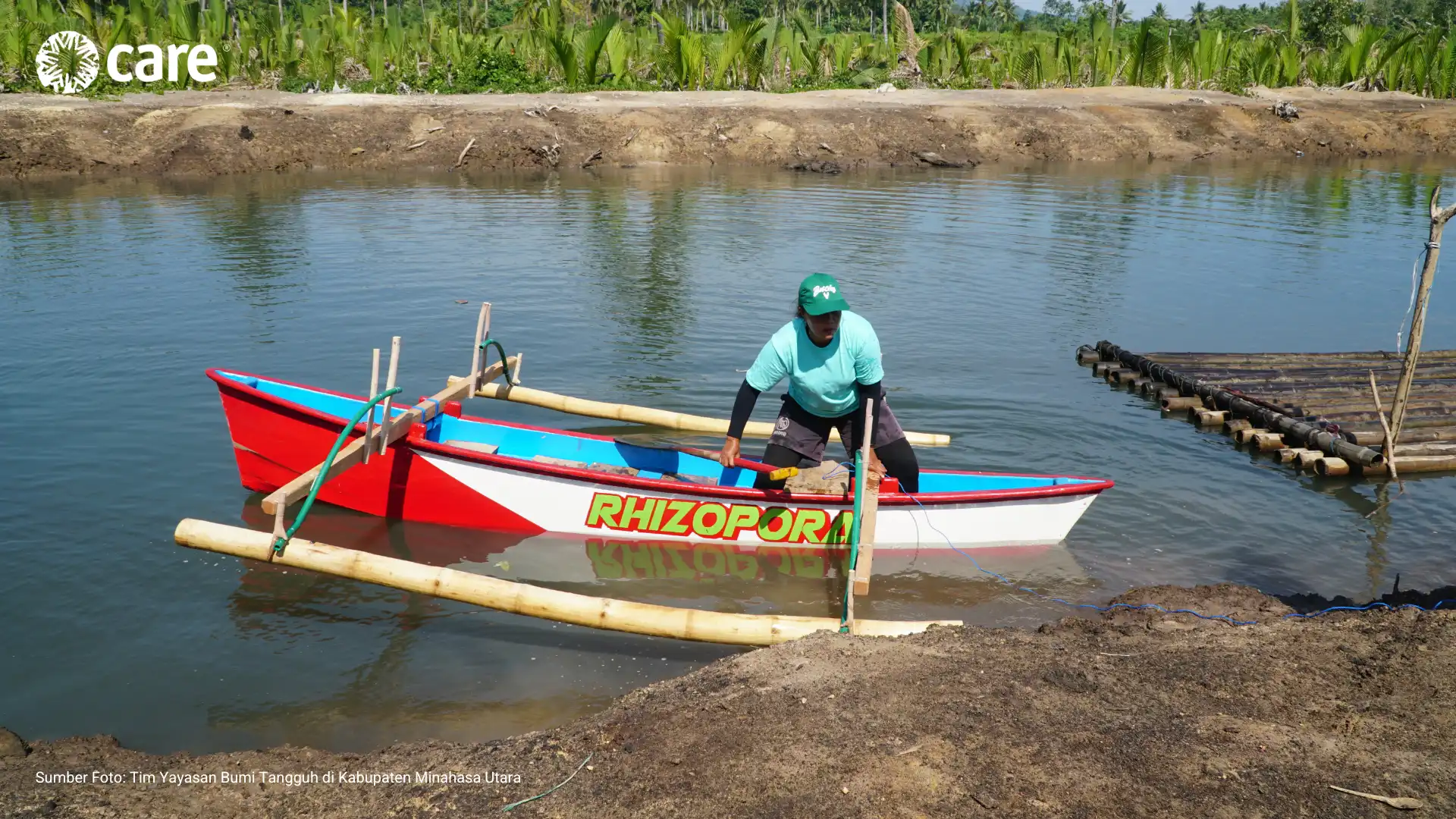
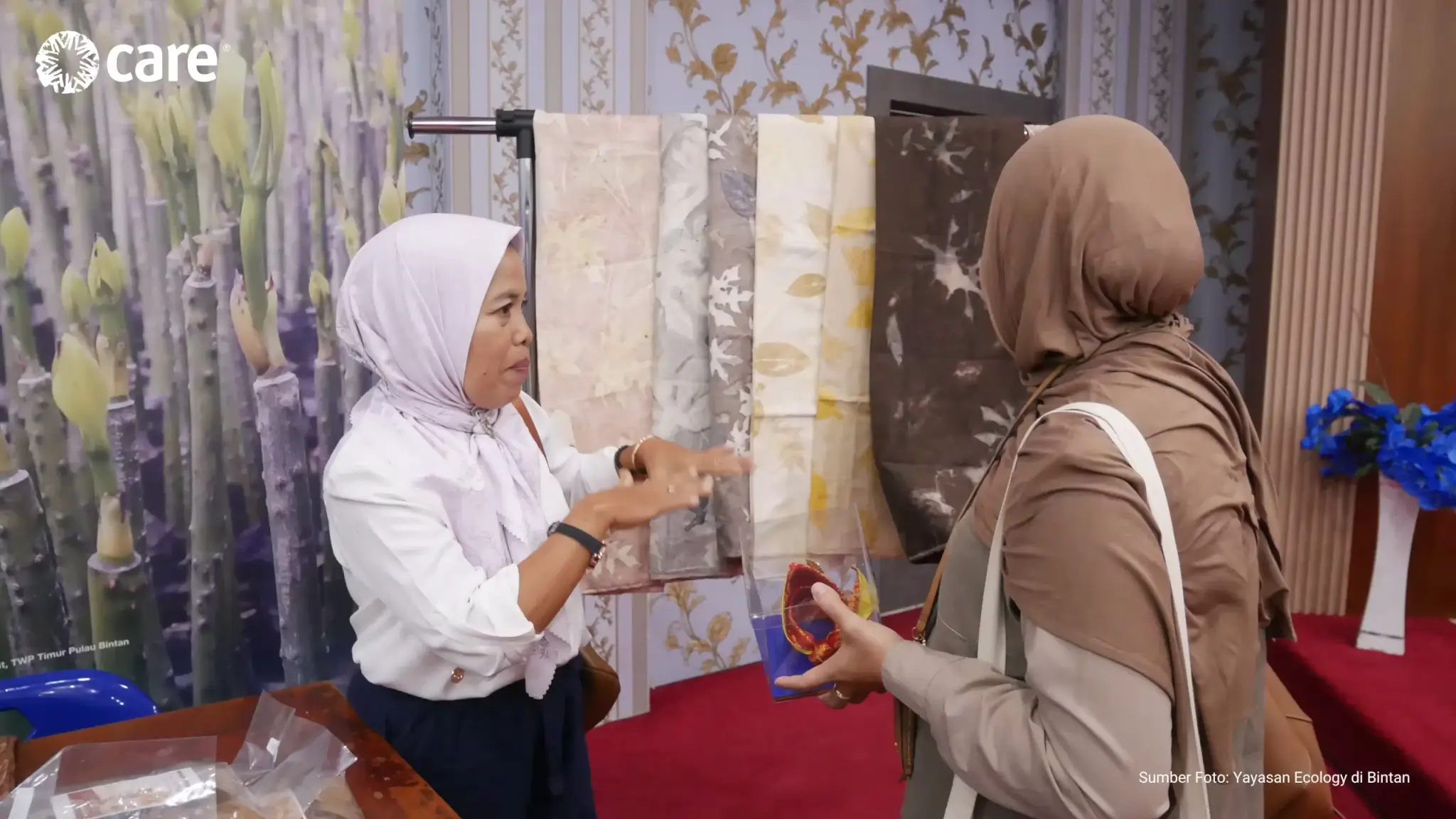
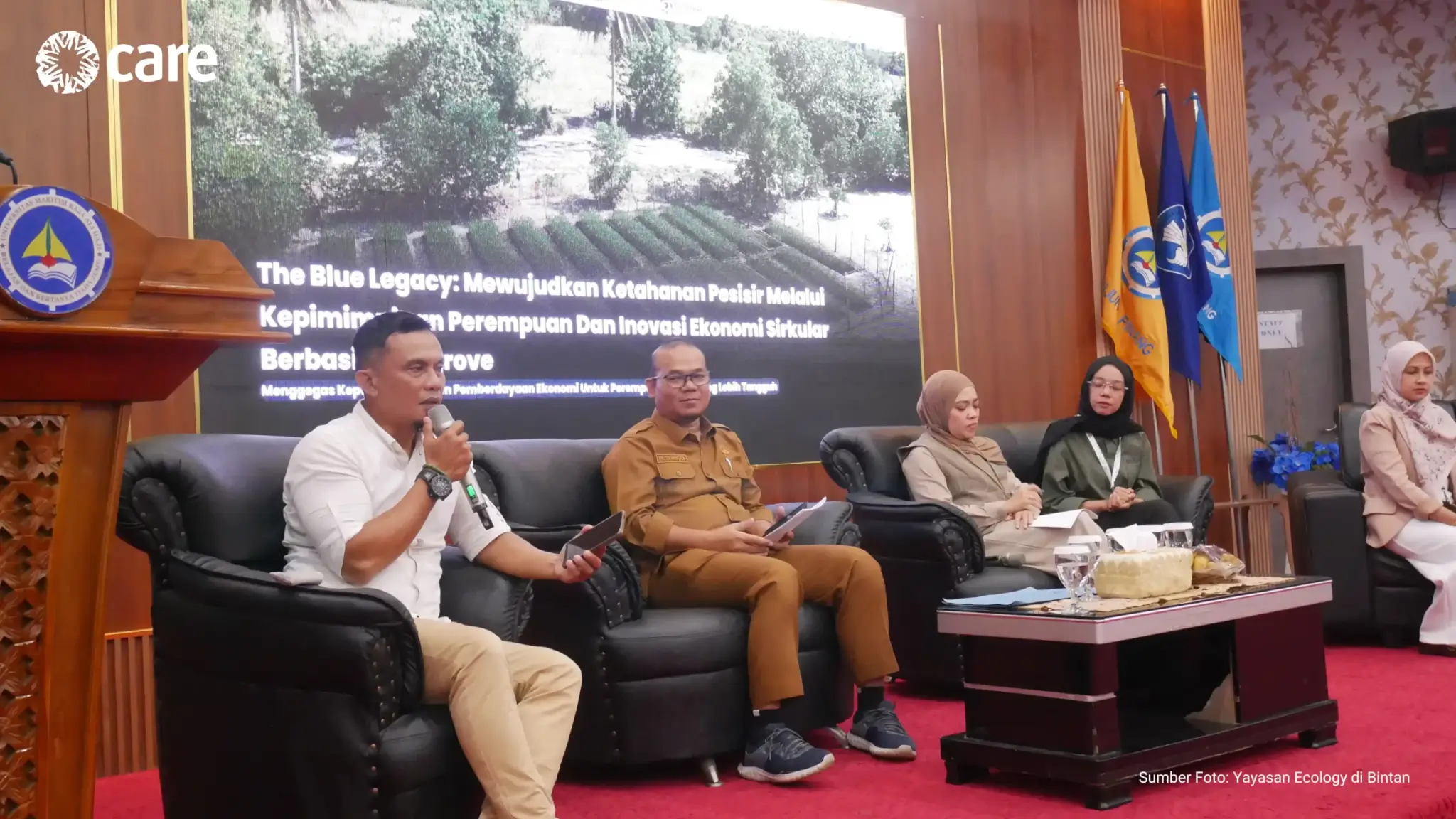
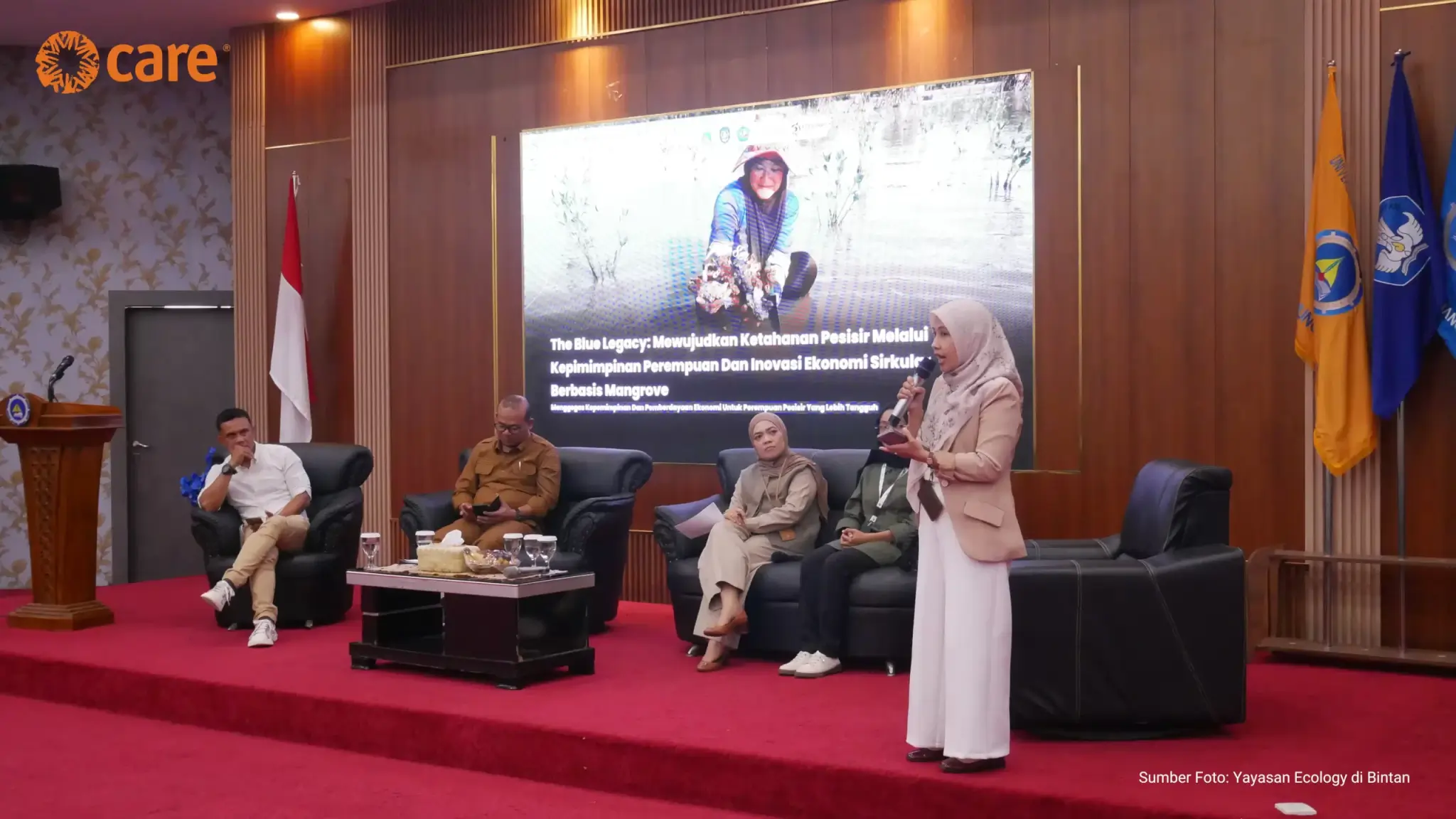
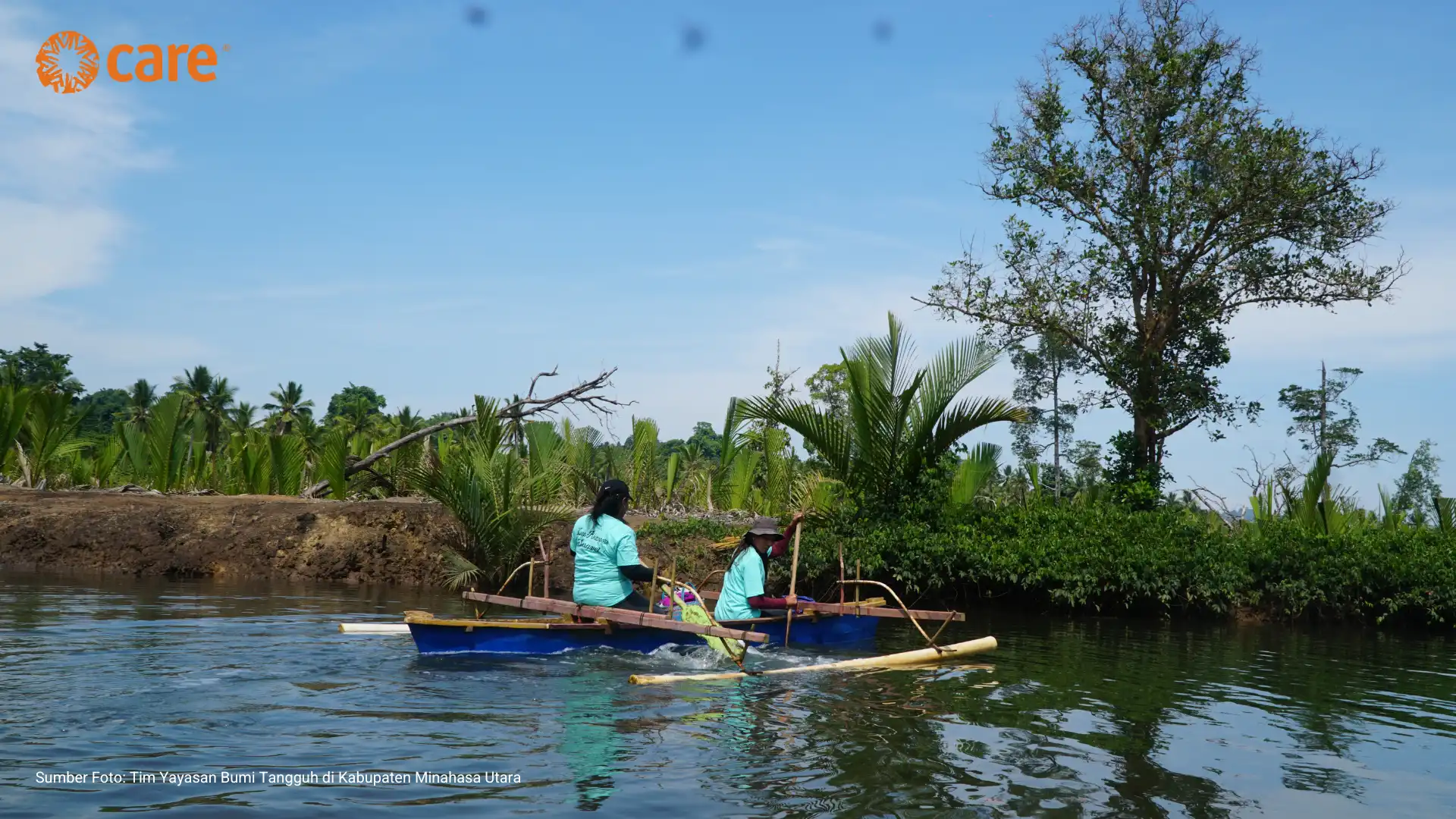
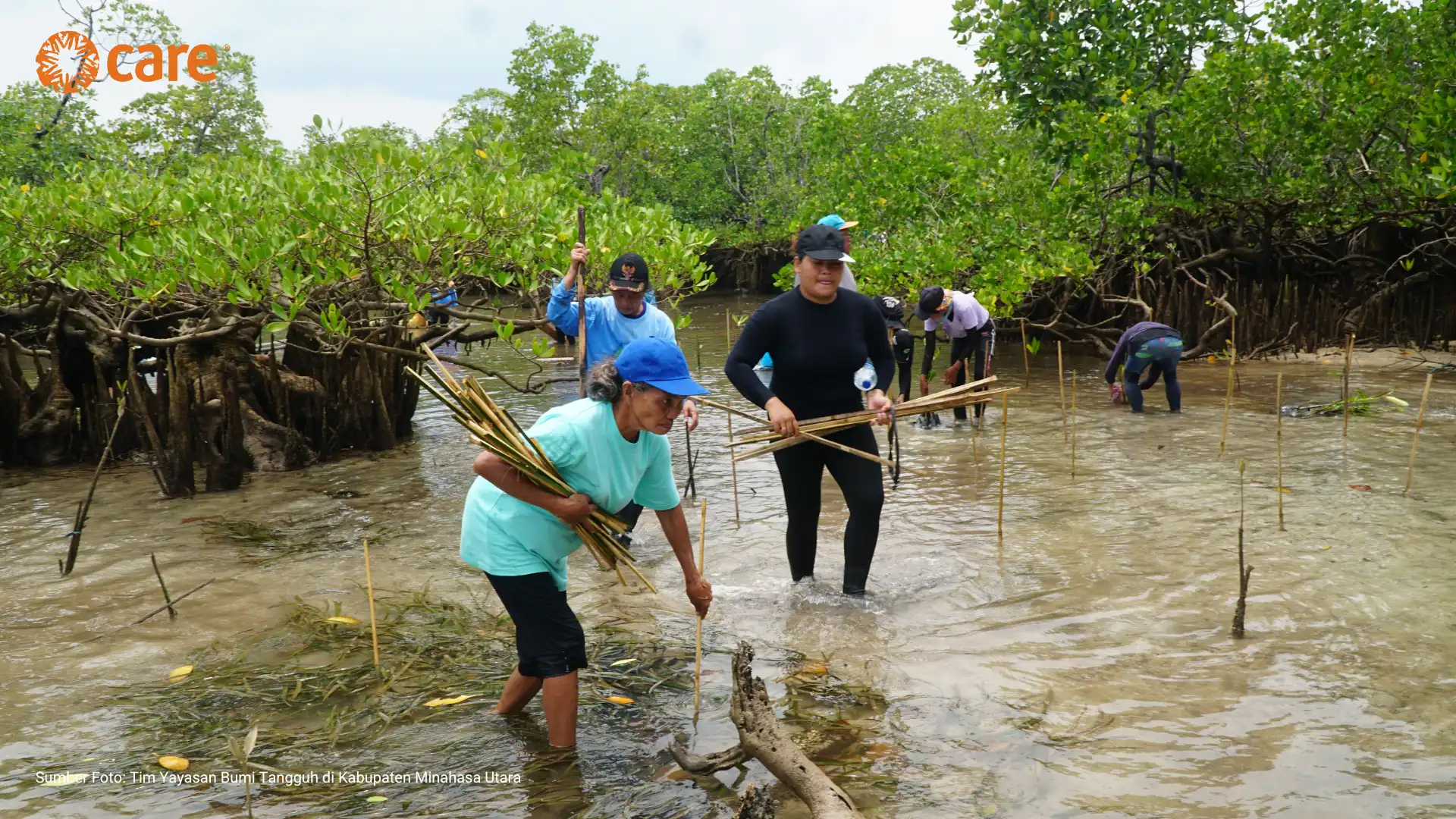
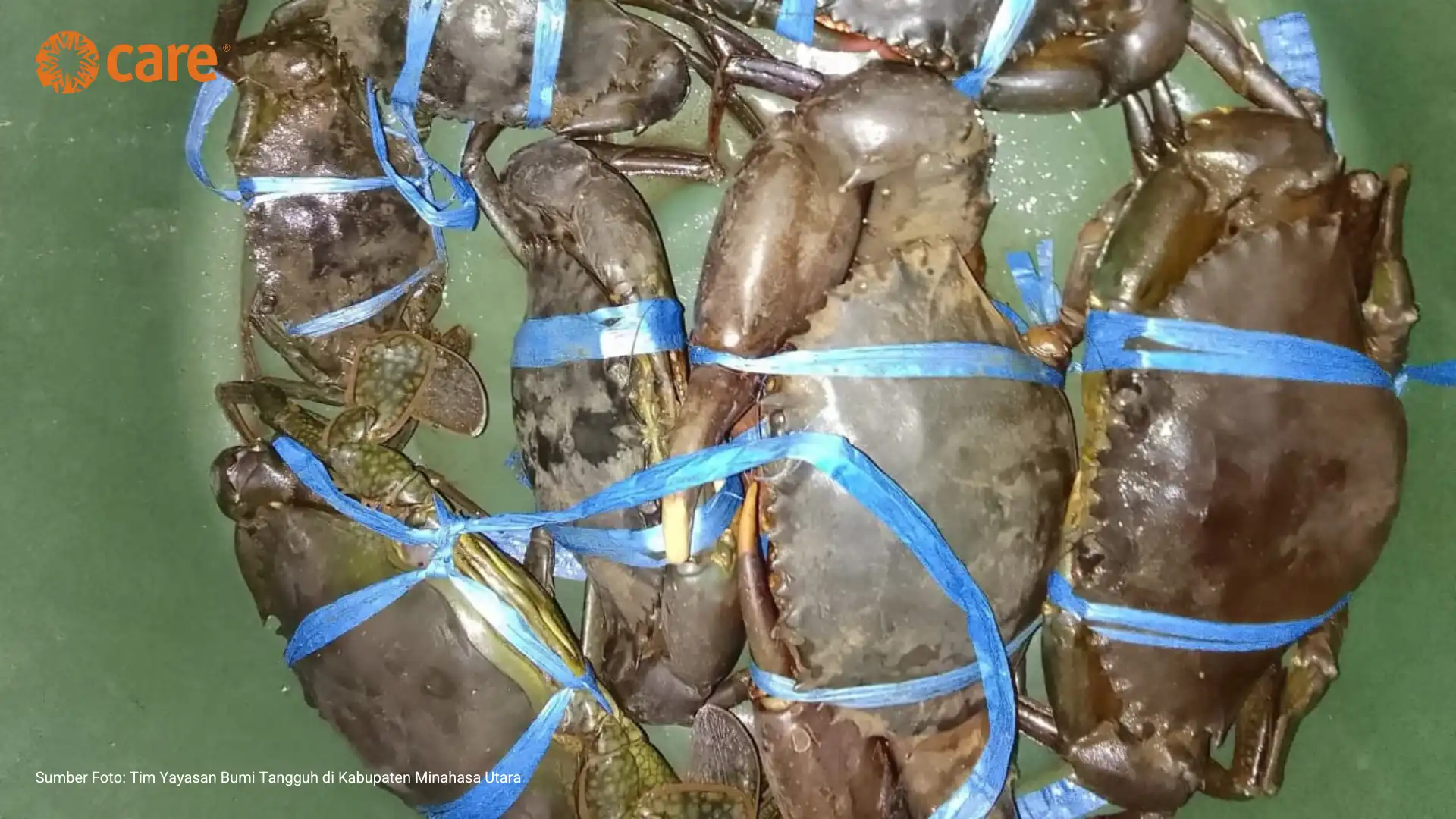
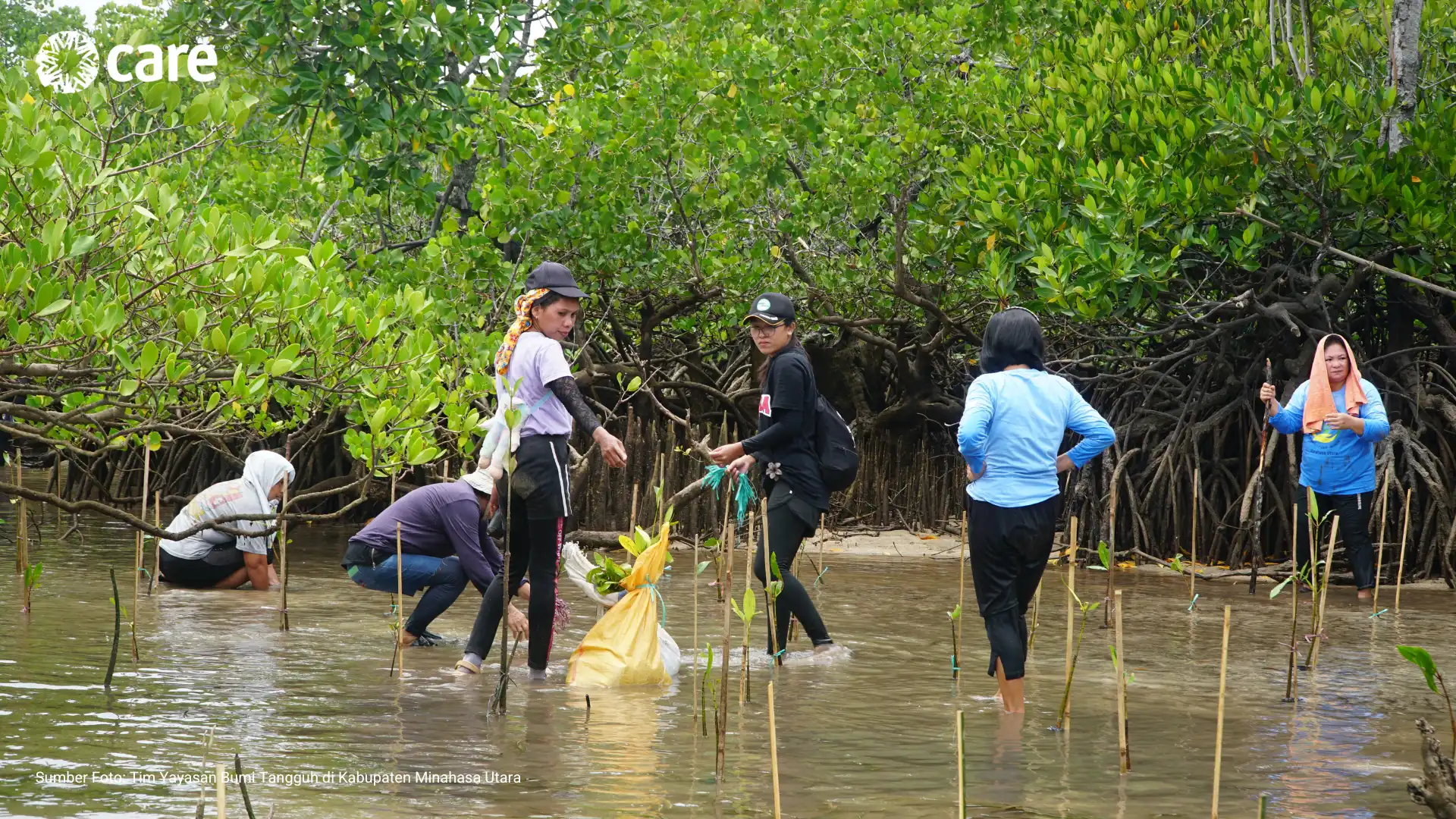
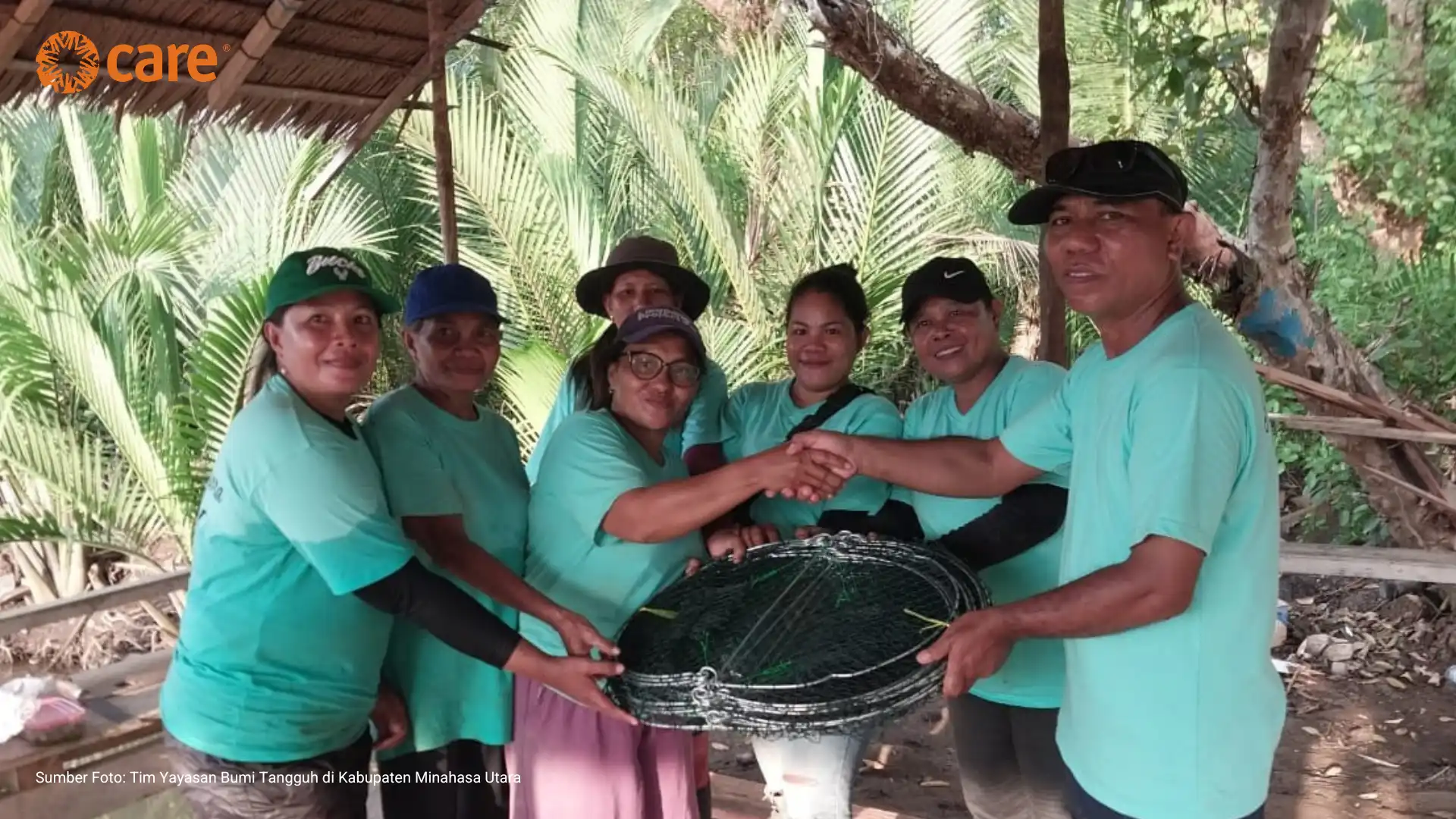
Similar efforts are underway in Berakit, Bintan District, Riau Islands, and in Likupang, North Minahasa District, North Sulawesi. In these areas, women play an active role in mangrove rehabilitation, collecting seeds, planting, and monitoring growth. Today, more than 100,000 mangrove trees stand, protecting coastal areas while opening up new economic opportunities. Women’s groups also process seafood into crackers, while in Berakit, they use mangroves to create natural dye batik, proving that conservation can go hand in hand with economic empowerment.

In Musi Banyuasin District, South Sumatra, 13 KUEPs run more than 190 types of businesses, ranging from savings and loans, palm leaf handicrafts, to culinary products. This program supports palm oil plantation communities, particularly women workers, whose incomes are at risk of declining during the replanting process. By empowering women in these communities, economic resilience is sustained even during uncertain times. Through these women led initiatives, group businesses have generated a total profit of IDR 88.2 million, while savings and loan management has successfully accumulated capital of up to IDR 1.2 billion.

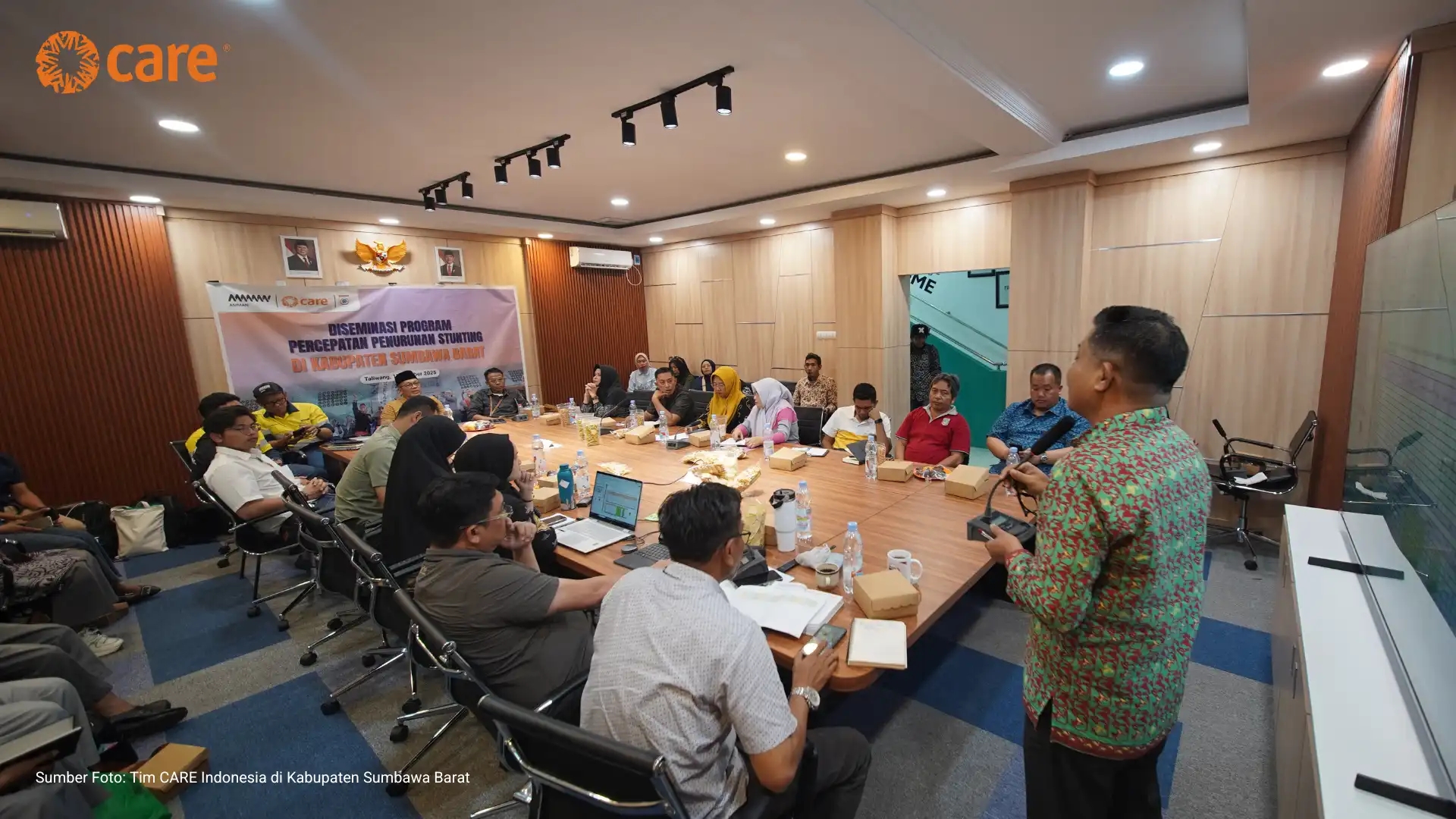
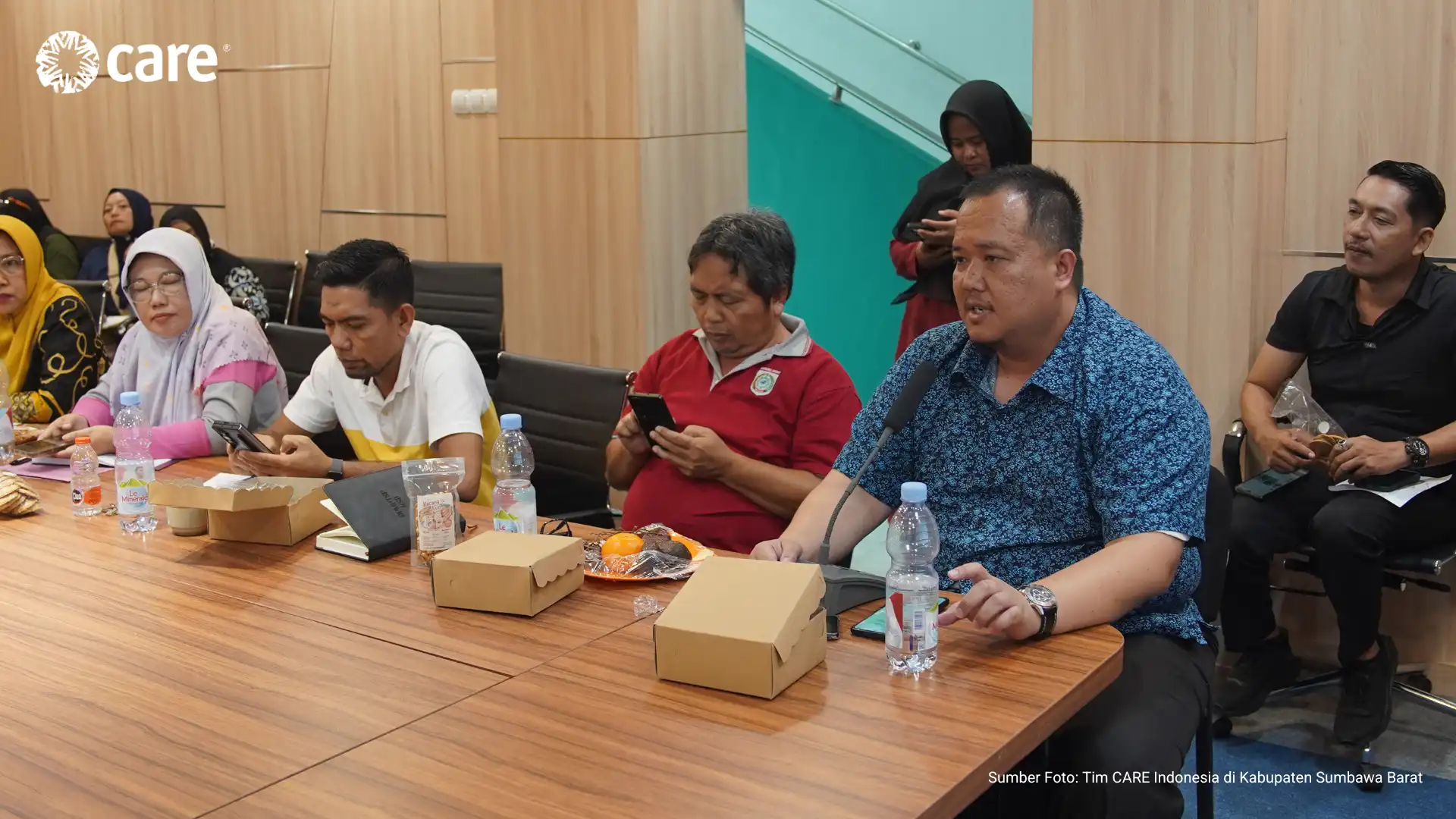
In West Sumbawa District, West Nusa Tenggara, 16 Women-led Business Group (KUMP) use local resources such as shellfish and fish to develop small culinary businesses that strengthen household economies. These enterprises also contribute to reducing stunting prevalence in the region. By positioning women as key actors in driving family and community economies, the program simultaneously supports children’s nutrition, household independence, and stronger social networks at the community level.

Beyond Economics

Economic empowerment is only one dimension of this work. Across KUEPs and KUMPs, women also receive training on gender equality, leadership, and disaster risk reduction. The goal is clear to build holistic resilience. With stronger capacity, women can not only sustain their families, but also lead their communities in responding to climate change and disaster risks.

The World Bank (2021) highlights that women in economically vulnerable situations face higher mortality risks during disasters due to limited access to information, resources, and social support. Conversely, when women achieve economic independence and have a voice in decision making, community resilience increases significantly. They are able to build disaster resilient microenterprise networks, manage emergency funds, and even serve as trainers or mentors for other communities.

Collaboration for a Resilient Future

None of these initiatives would be possible without collective effort. CARE Indonesia’s programs are implemented with the support of local governments, partner organizations, and community members. Cross-sector collaboration is the foundation for ensuring that women have equal access, protection, and leadership opportunities in every situation, including during crises.

When women are given the opportunity, they do more than survive they lead change. With the spirit of #ActForHumanity in this year’s commemoration of World Humanitarian Day, women now stand at the forefront, shaping disaster management systems that are more inclusive, just, and free from violence affirming that resilient communities begin with resilient women.


Writer: Kukuh Akhfad

Editor: Swiny Adestika

Women Have a Voice: Equal Roles Transform a Family

Stories

A soft drizzle fell over the highlands of Pangalengan that afternoon, wrapping the hills in a gentle chill that lingered in the air. Amid the soft rain and lingering mist, a modest home became the setting for a warm, meaningful conversation. It was here that Wiwi Dewi, a 43-year-old woman known lovingly as Wiwi, opened up about her personal journey toward finding the courage she once thought she didn’t have.

“Maybe it became a habit. As a wife, I used to stay silent, even when I didn’t agree with my husband’s behavior. I was afraid to speak up or share my thoughts with him. I cried a lot, and our house felt empty,” she recalled with a deep sigh.

Wiwi is both a wife and a working mother. For more than a decade, she has worked as a tea picker at a plantation owned by PT Perkebunan Nusantara (PTPN) I Regional II in Pangalengan, Bandung District. Balancing the roles of wife, mother, and worker, Wiwi used to believe it was better to stay quiet to avoid conflict, even when she felt uncomfortable in her marriage. But things started to shift after she joined trainings under the Community Development Forum (CDF) program, facilitated by CARE Indonesia with partners.

“What struck me the most was the training on gender equality and communication. That was when I first realized that women have a voice and we deserve to be treated equally, especially by our partner,” she said.

Before joining CDF and receiving any training, Wiwi always stayed quiet facing her family issues. Fear silenced her courage. “I was afraid of saying the wrong thing, afraid of getting scolded. Even when my husband was at fault, I didn’t dare to call him out. But after being part of the CDF program for almost two years, I learned how important communication is. I also learned that husbands and wives should share responsibilities at home. That’s when I slowly began speaking up to my husband,” she explained.

With a gentle smile, Wiwi shared how her husband didn’t change overnight. The first time she tried to speak more openly, her husband, Saefullah, responded with silence and a frown. “At first, he didn’t say anything when I tried to explain. But over time, he started to listen. Now, he even helps with house chores like doing the laundry, cooking, and cleaning up,” she happily shared.

In a separate conversation, Saefullah firmly nodded in agreement about sharing household duties. “If I don’t help, I feel bad watching my wife do everything alone. So, I have to help because the burden should be shared,” he explained. For him, contributing to domestic work wasn’t something he did because he was told to, but because he realized, after his wife openly communicated with him, that housework isn’t just a woman’s responsibility, but it’s theirs to share.

Saefullah also fully support on Wiwi’s involvement in CDF activities. He believes the program has had a positive impact on her personal growth and their family life. “I’m proud, my wife is getting smarter. When she has schedule to join CDF activities, I take her there and pick her up. I would also cook when she’s not home and unable to cook for us. Now I also help her pick tea leaves in the field so her workload is lighter, and we earn more,” he said proudly.

The transformation didn’t just affect the couple but also their children. Their son, a junior high school student, has started contributing in house chores by washing his own clothes. Their eldest daughter, who is now married, has also been encouraged to discuss issues with her husband and resolve conflicts through communication, not silence.

The changes in Wiwi’s household prove that understanding in gender equality can reshape the dynamics of family life. Not to reverse roles or divide, but to build balance, fairness, and mutual respect.

As the conversation ended, Wiwi confidently expressed her belief that women can change and become the bigger heart of the household if given the rights and opportunities to learn. “I don’t regret joining CDF, even though it’s tiring after work. Because there, I get to learn. I used to just come home and take care of the house. Now, I have a voice,” she concluded, smiling.


Written by: Kukuh Akhfad

Edited by: Swiny Adestika

JEKATA Women’s Groups Hold Discussion on Gender Equality and Women’s Digital Safety

Gallery

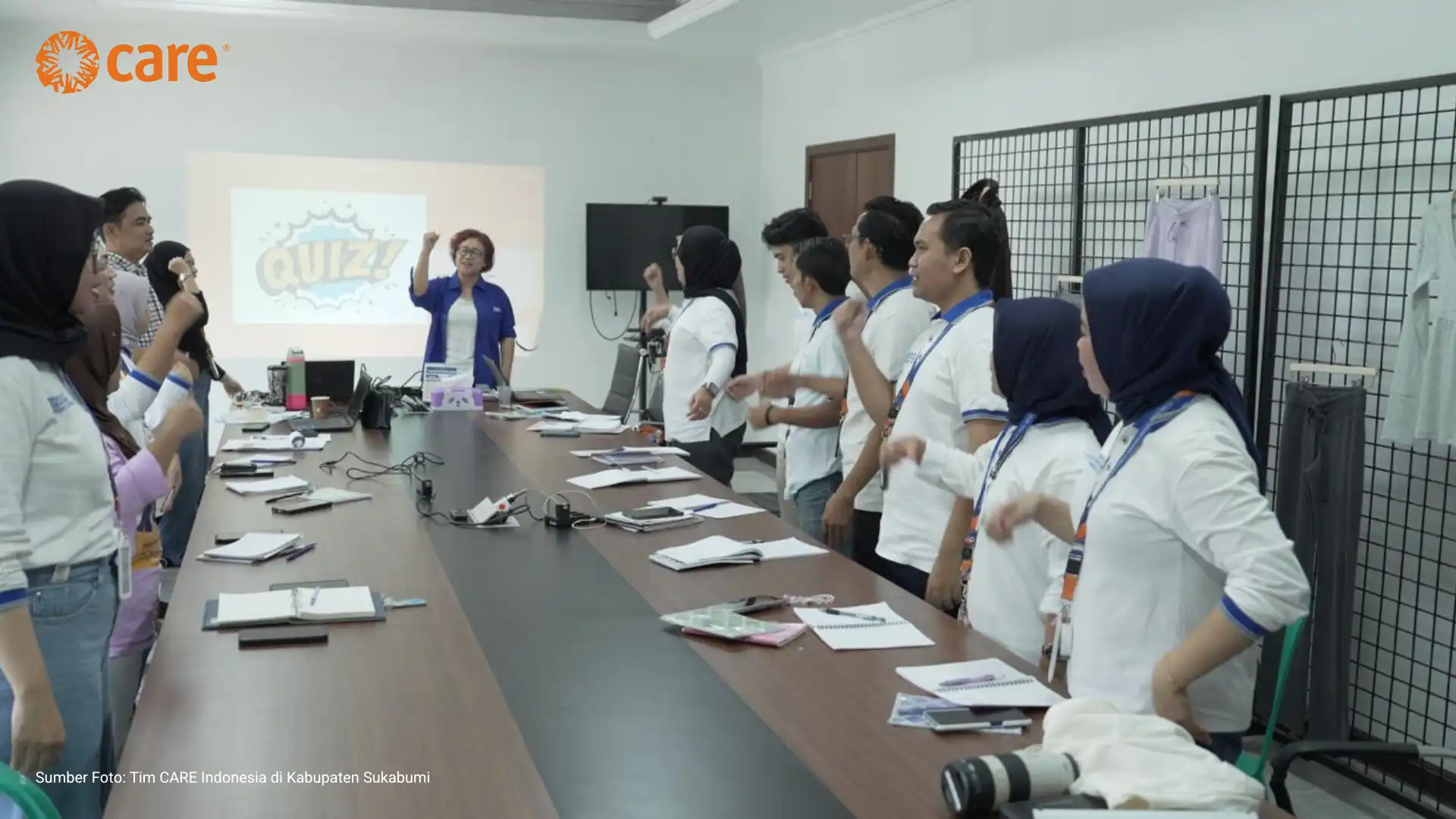
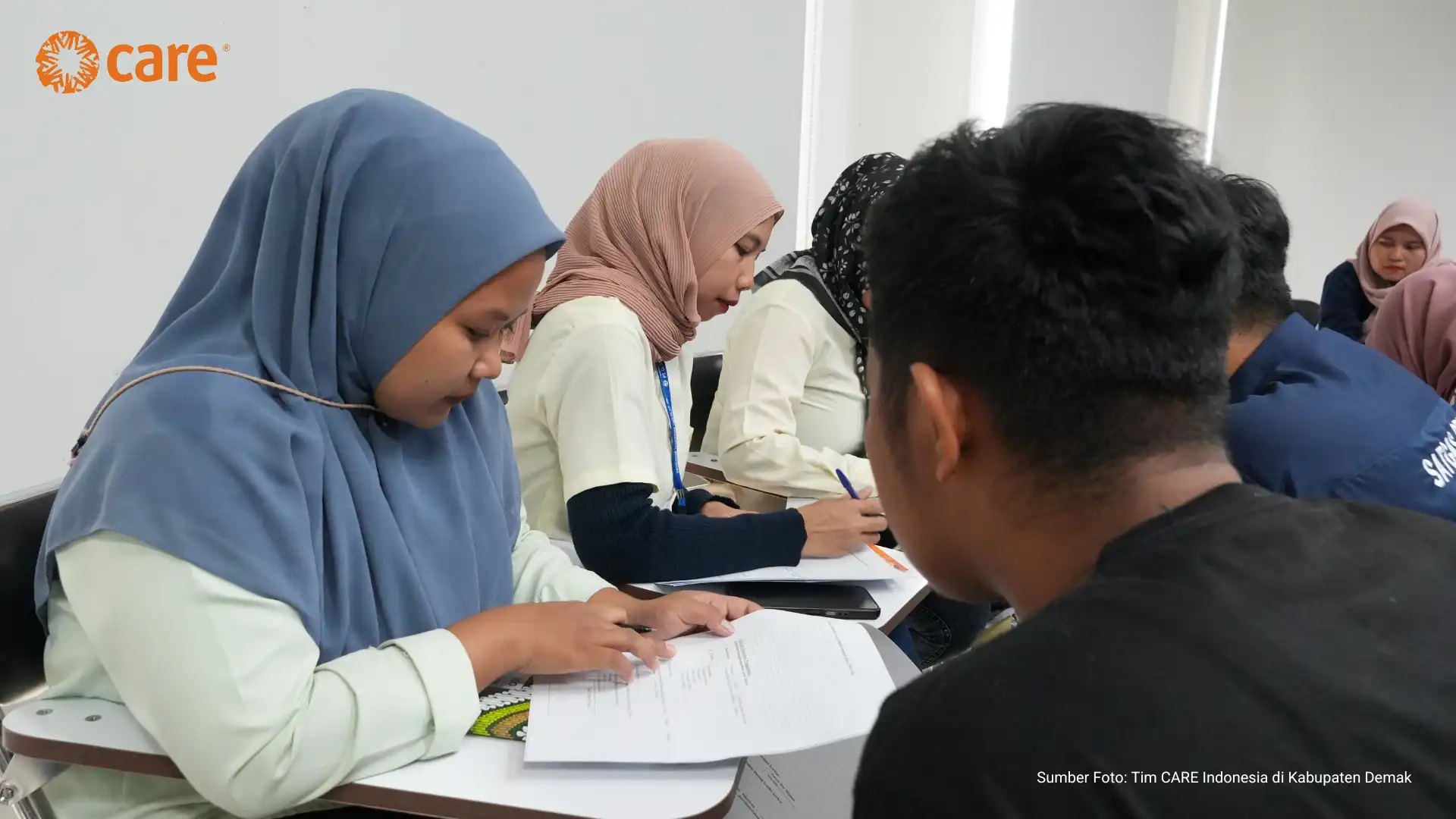
The Empowerment Network for Resilient Women (JEKATA) in Purwakarta and Sukabumi Districts held a discussion on women and vulnerabilities in digital spaces (18 & 24/08), coinciding with Indonesia’s 80th Independence Day.

Initiated by CARE Indonesia (Yayasan CARE Peduli/YCP) with support from Traveloka, the dialogue served as both a knowledge sharing and community building space. It raised pressing issues such as social media scams, online grooming, and the misuse of personal data. During the event, more than 100 participants also echoed the call to end women’s vulnerabilities in digital environments.

The involvement of local male community leaders highlighted support for the principle of equality, namely the fair sharing of roles and responsibilities. It was also emphasized that gender constructs not only limit women but also restrict men from fully understanding equitable role-sharing and equality.

The event concluded with a series of lively competitions, fostering camaraderie and strengthening solidarity among all participants.

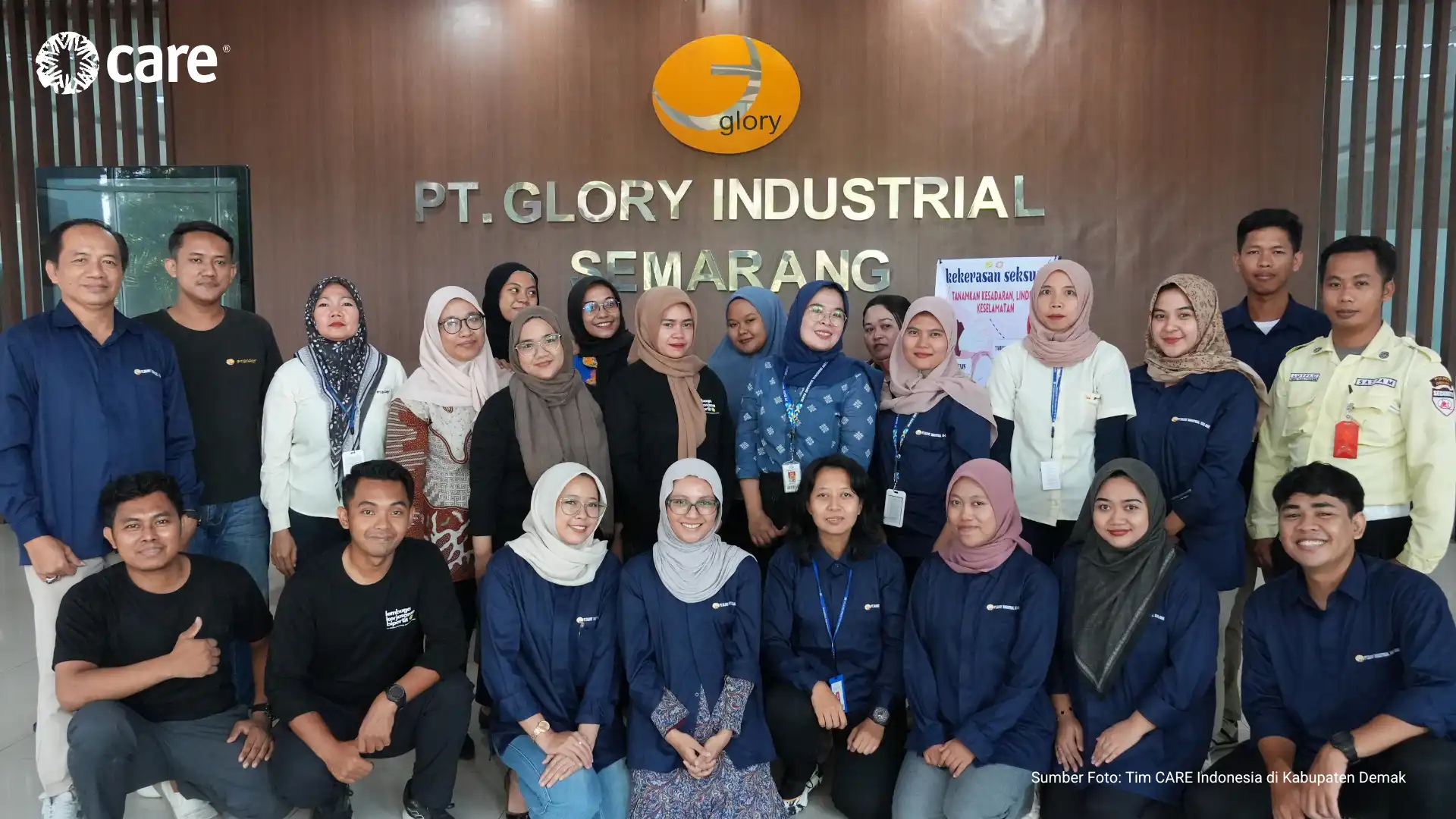
GBV Task Force Promotes Digital Literacy and Safer Work Environments for Workers

Gallery

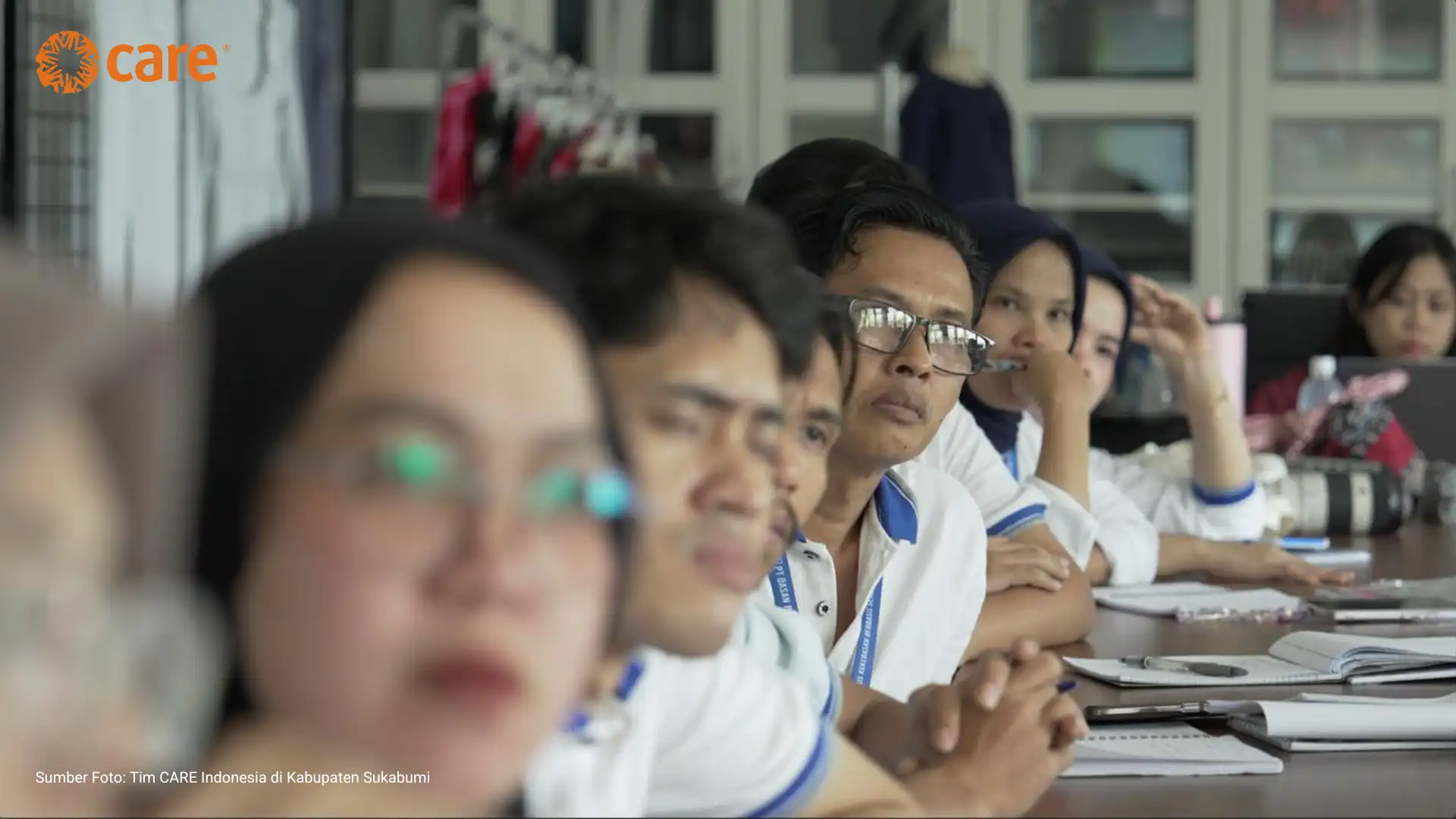
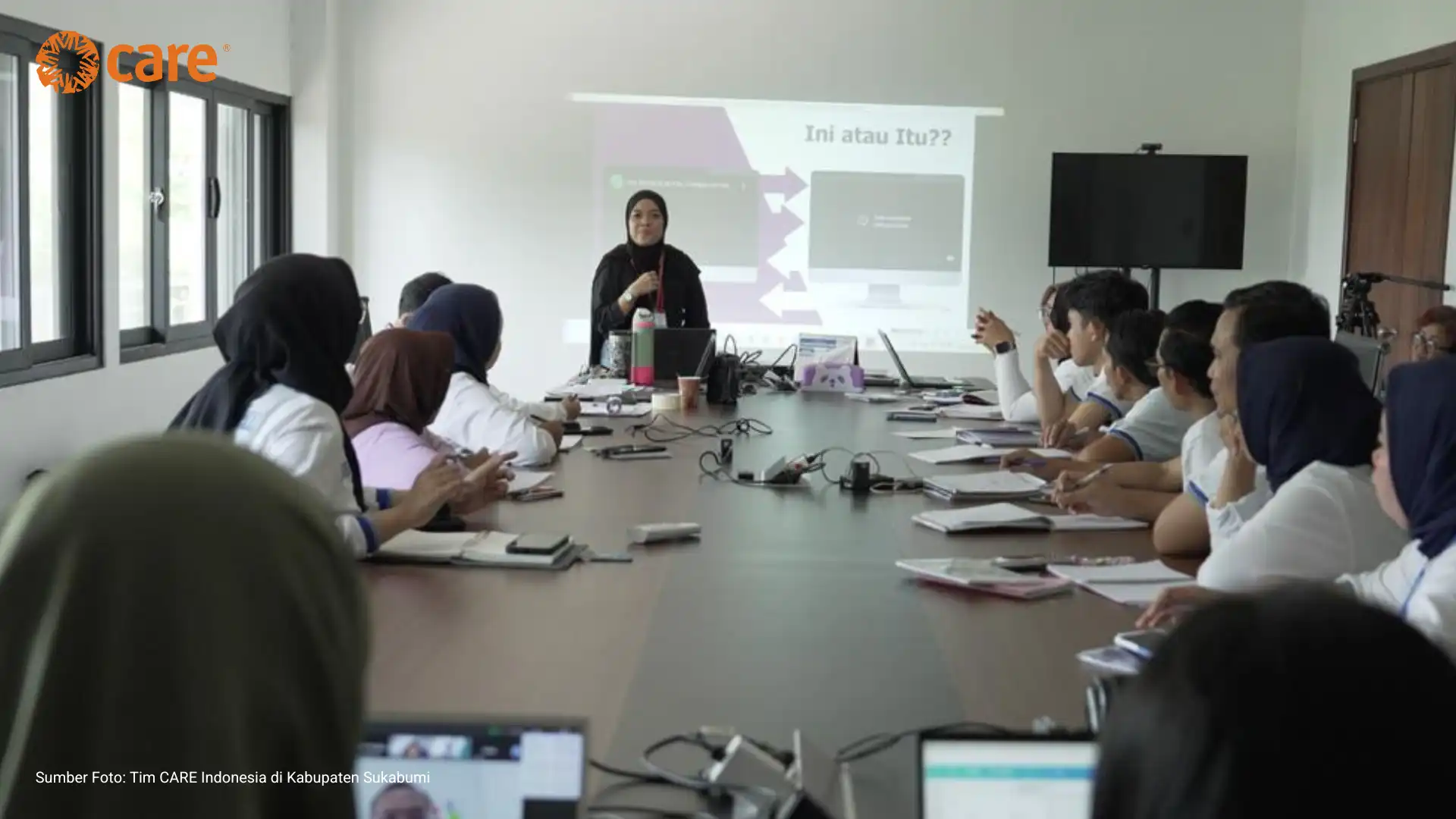
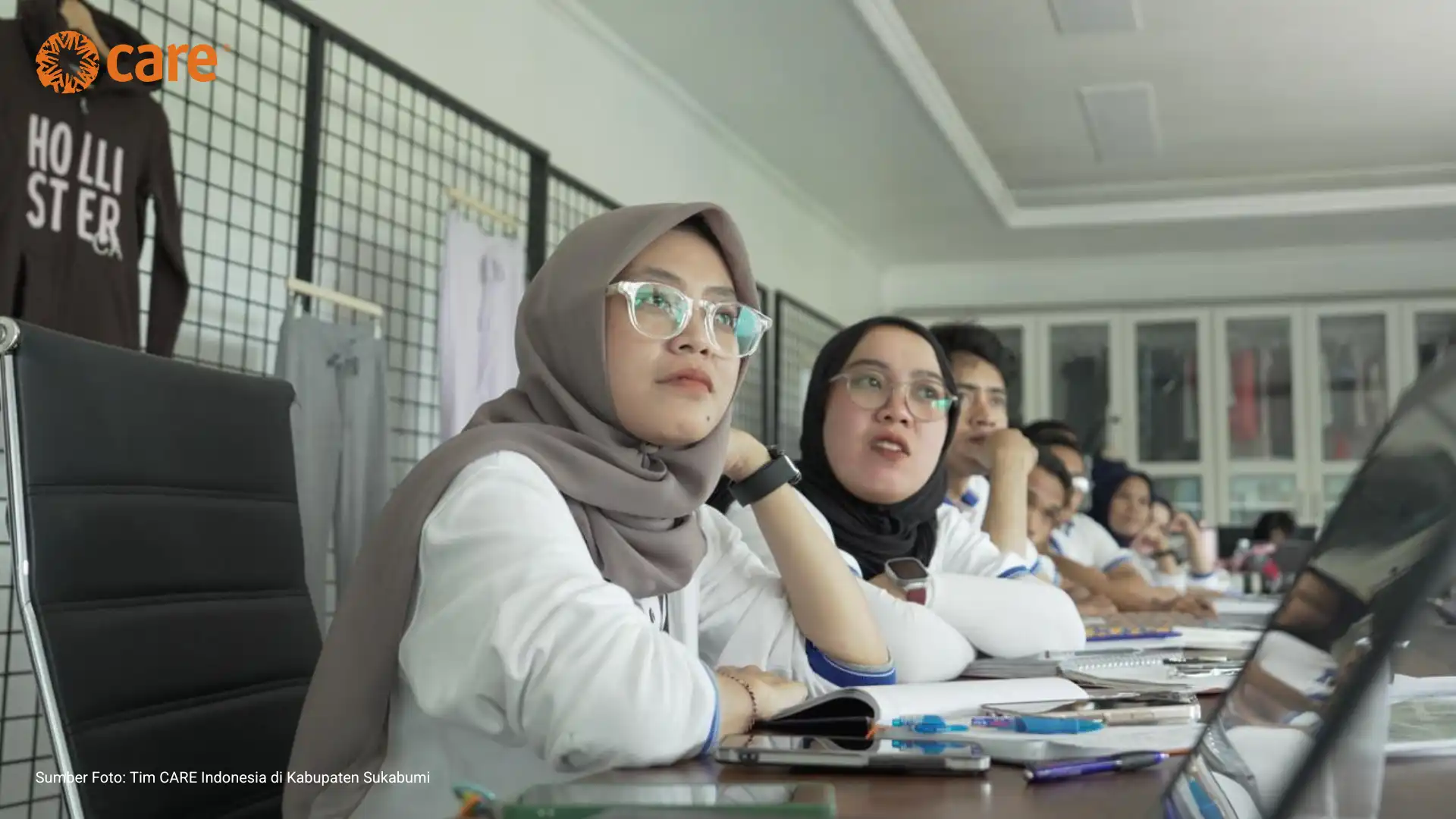
The Bipartite Cooperation Institution (LKS) team and the Gender-Based Violence and Sexual Violence (GBV-SV) Task Force at PT Dasan Pan Pacific Indonesia conducted a socialization session for 200 workers, addressing women’s protection in digital spaces as well as workers’ health. The activity was carried out in commemoration of Indonesia’s 80th Independence Day (23/08).

This activity was initiated by CARE Indonesia with the support of Traveloka to promote digital literacy among workers and to foster a safe working environment. Through contest, quizzes, and the distribution of flyers, the LKS-Bipartite team and the GBV-SV Task Force encouraged all participants to have the courage to report incidents of violence against workers, whether occurring in the workplace or in cyberspace.

17 Garment Companies Develop Climate Adaptation Plans to Ensure a Safe Work Environment

Gallery

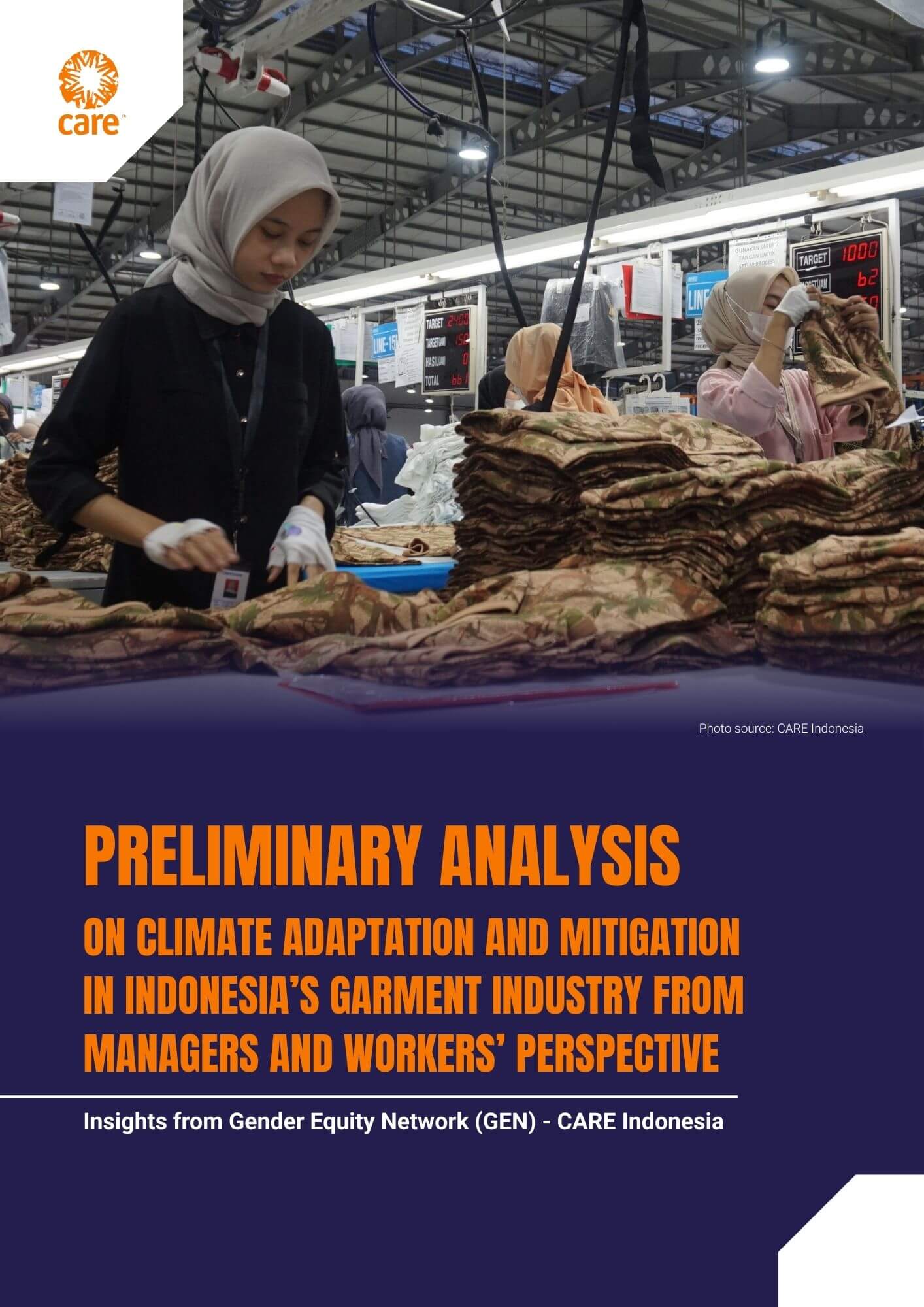
17 representatives from garment companies affiliated with the Gender Equity Network (GEN) in the provinces of Banten, West Java, and Central Java participated in a discussion on climate change adaptation and the sustainability of the garment industry. The event took place on July 26–27 in Yogyakarta. This initiative was led by CARE Indonesia with support from various partners, aiming to assist companies in addressing the challenges of climate change, particularly those affecting women workers.

During the discussions, participants identified key challenges faced by their companies in creating a safe and comfortable working environment for employees. Each company representative also developed climate adaptation strategies and joint action plans, which they are expected to present to their respective management teams for implementation.

13 Women’s Economic Business Groups Strengthen Economic Resilience in Musi Banyuasin

Gallery

A total of 13 Women’s Economic Business Groups (KUEP) in Musi Banyuasin have successfully increased household income through 190 home-based businesses, including palm frond crafts, food production, and livestock farming. These groups, involving 505 women across 13 villages, have generated a combined profit of IDR 88.2 million and managed a savings and loan fund amounting to IDR 1.2 billion. This initiative is the result of a collaboration between PT Cargill, CARE Indonesia, and the Musi Banyuasin District Government since November 2022, aimed at fostering women’s economic independence through training, business capital, and mentoring support.

The program also integrates nutrition gardens, protection for women and children, and environmental conservation. Village governments have shown strong support through policy and funding from village budgets. Products from the KUEP have been showcased at the MUBA Expo and featured in the regional electronic catalog. Abdul Wahib Situmorang, CEO of CARE Indonesia, noted that the program has reached over 100,000 people and is expected to continue growing, aligning with national initiatives such as the Koperasi Merah Putih program.

Addressing Stunting Holistically: Concrete Steps for the Nation’s Future

Stories

Safeguarding children’s growth and development means safeguarding the nation’s future. However, the challenge of stunting remains a serious shadow in the journey toward a healthy and high quality future for children. According to data from Indonesia’s Ministry of Health, the 2024 Indonesian Nutritional Status Survey (SSGI) shows that the prevalence of stunting in Indonesia reached 19.8%. The government is targeting a significant reduction to 14.2% by 2029.

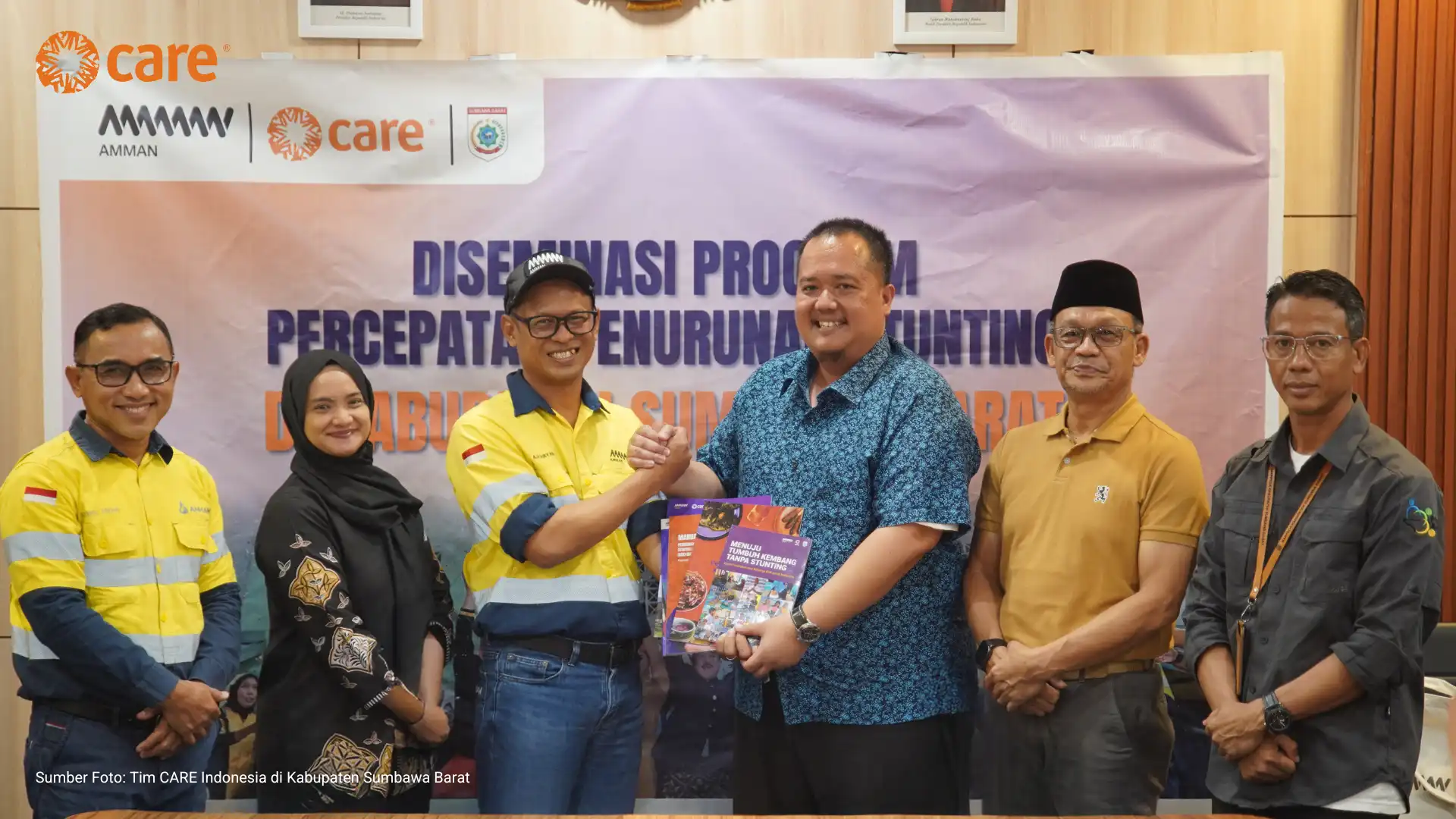
Driven by a spirit of collaboration and a commitment to real change, CARE Indonesia (Yayasan CARE Peduli/YCP), with support from its partners AMMAN Mineral, the Indonesia Deposit Insurance Corporation (LPS), and Bank Negara Indonesia (BNI) has taken an active role in accelerating stunting reduction efforts. A holistic approach, combining both specific and sensitive interventions, is being implemented in the districts of West Sumbawa, Bandung, and Nagekeo. Health conditions for children and pregnant women are being improved through specific interventions, such as the uninterrupted provision of Additional Nutritious Meal (PMT) Recovery for 90 days to stunted children and pregnant women experiencing Chronic Energy Deficiency (CED).

Beyond just nutrition, this effort also integrates health and social aspects. It does not solely focus on nutritional recovery, but also targets women’s empowerment, parenting reinforcement, nutrition education, and gender equality awareness placing families and communities at the heart of change. The four star PMT meals are prepared and served by the Healthy Kitchen to Address Stunting (DASHAT) cadres, following the standards set by the Ministry of Health. CARE Indonesia’s stunting reduction programs are customized for each intervention area based on their specific conditions and needs.

In West Sumbawa District (KSB), CARE Indonesia, supported by PT Amman Mineral and the KSB Regional Government, has been implementing the program in 16 villages since 2022. A total of 372 children with stunting, 47 children with wasting, and 17 underweight children received uninterrupted 90 day PMT over two phases: December 2023 March 2024 and June September 2024. The program also targeted 85 pregnant women with CED, who received 30 day PMT during two implementation phases.

CARE Indonesia’s program not only focuses on PMT provision but also emphasizes other aspects such as family education through DASHAT and parenting classes. The program is strengthened by cadre training, women’s empowerment initiatives, youth forums, nutrition gardens, and access to clean water. This comprehensive approach has resulted in a significant reduction in stunting rates.

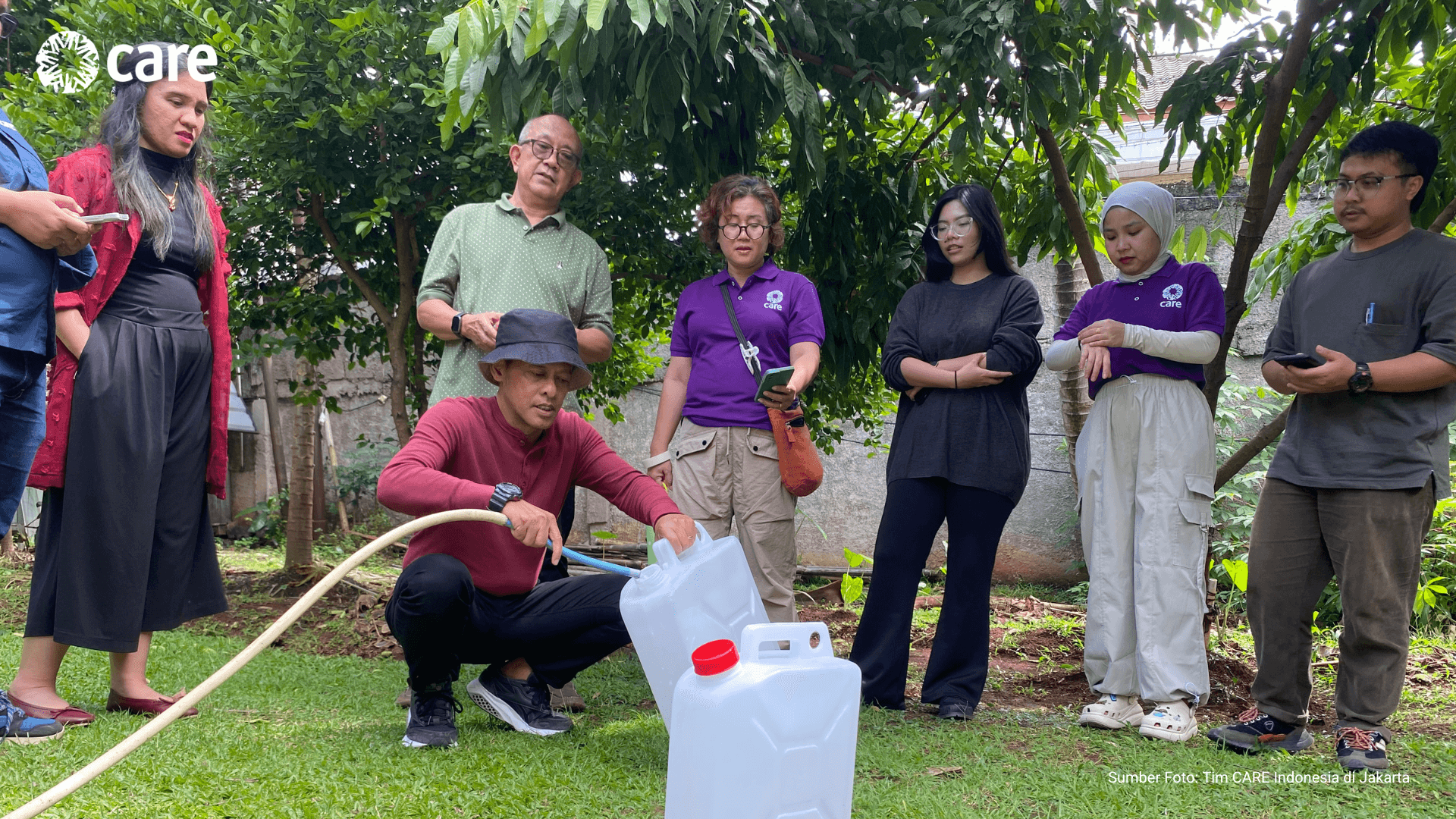
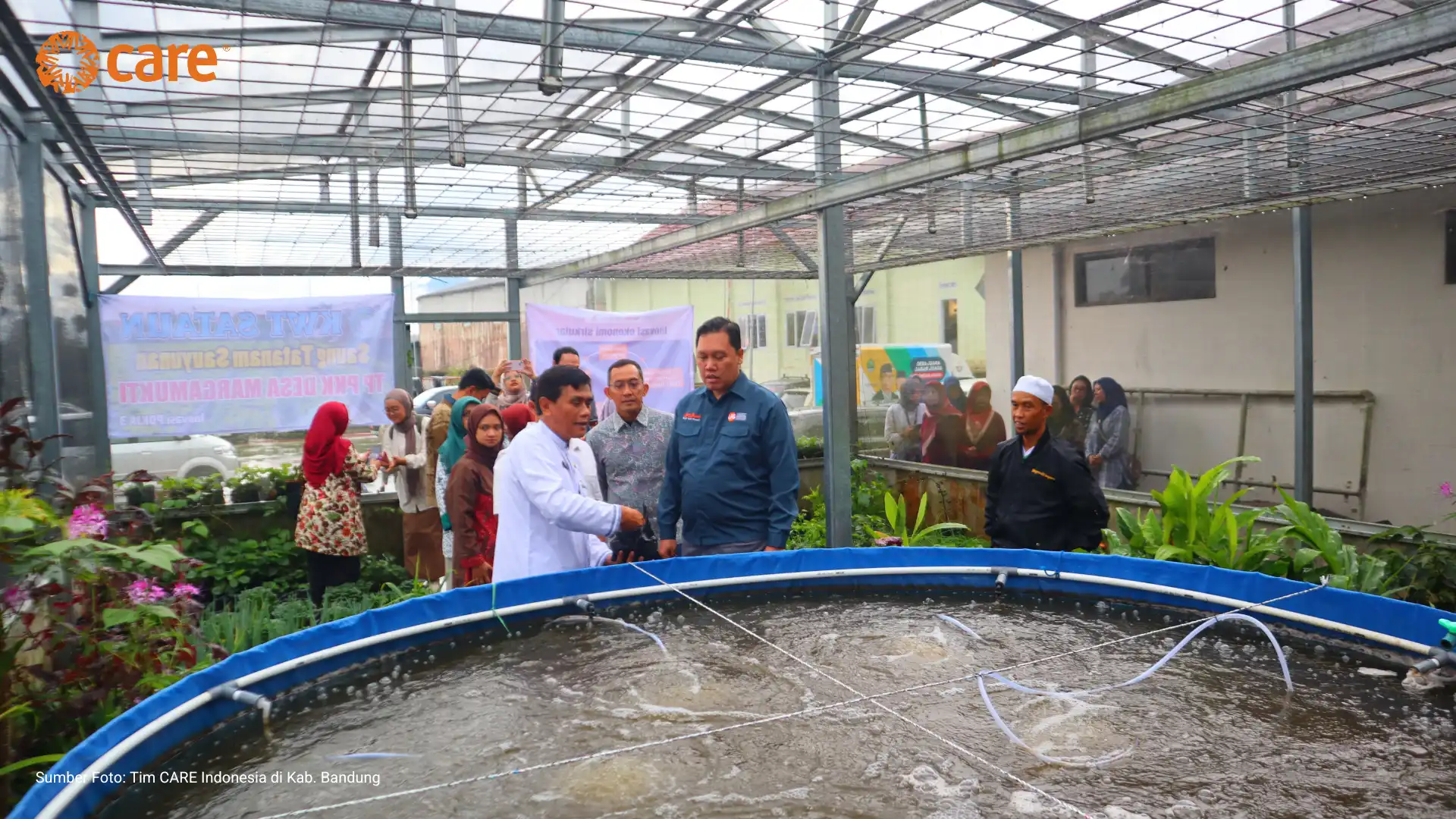
Women’s economic empowerment is also a key component. Through Women’s Self Help Business Groups (KUMP), women in the 16 villages receive training and mentorship on financial management and entrepreneurship. Additionally, Women Farmer Groups (KWT) and DASHAT ensure a steady supply of nutritious food sourced from local produce such as homegrown vegetables and catfish farming in buckets, which benefit the groups and can be sold to the community.

The program’s outcomes are encouraging. Based on data from the Si-KEBAS Stunting application, 30% of children recovered from stunting status, and 87% experienced weight gain of more than 200 grams per month. Furthermore, 70% of pregnant women with CED recovered and gave birth to babies with normal weight.

Baiq Julianti, a mother from Ai Kangkung Village in KSB and a PMT recipient, shared her gratitude. “In June 2024, my child weighed 10.4 kilograms, and by September, he weighed 11.5 kilograms. Raffa’s height also exceeded the average growth rate he was 80.4 cm in June, and 83.7 cm in September. That’s an average monthly weight gain of 0.4 kg and a height increase of 1.1 cm,” she said.

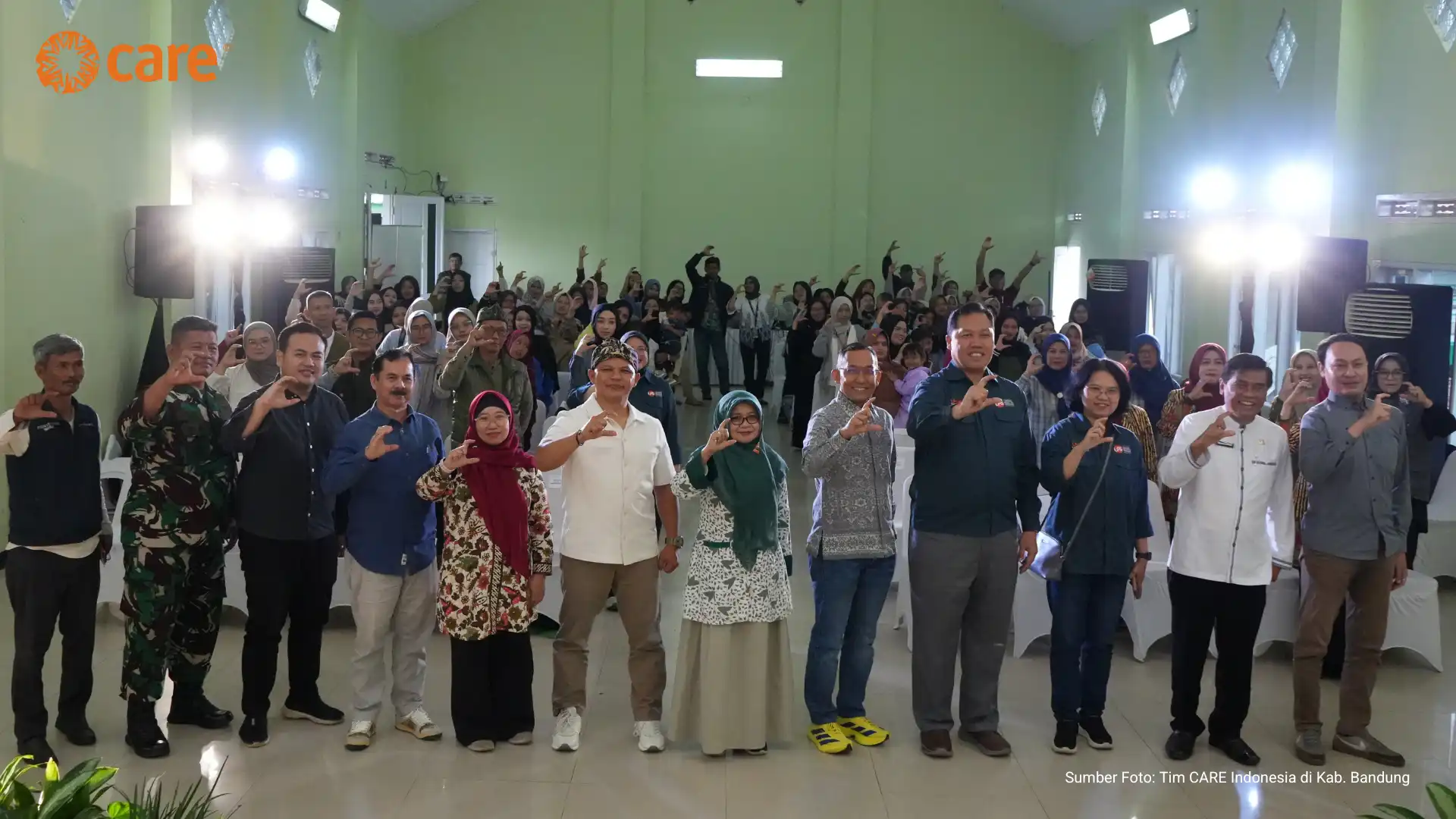
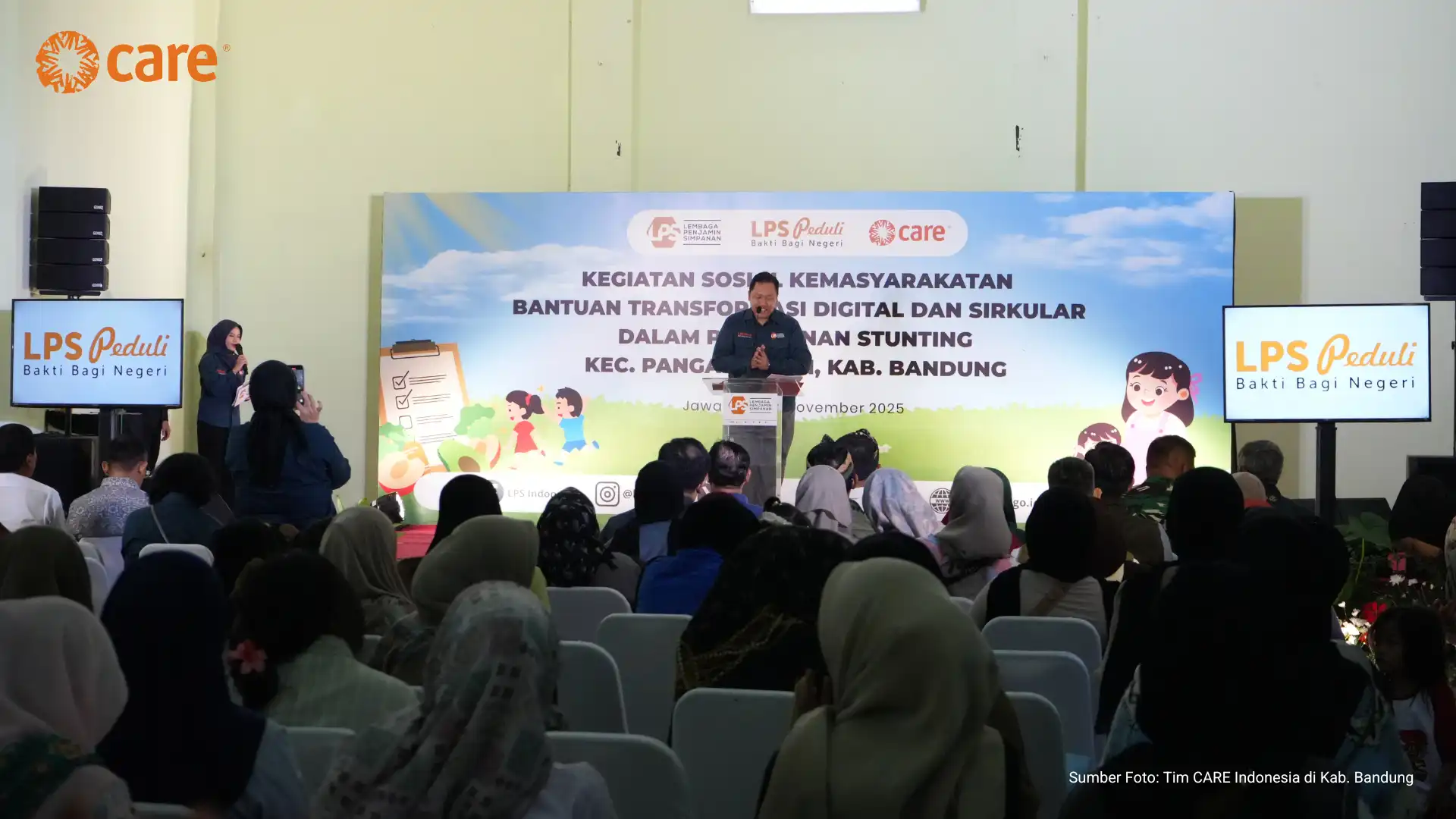
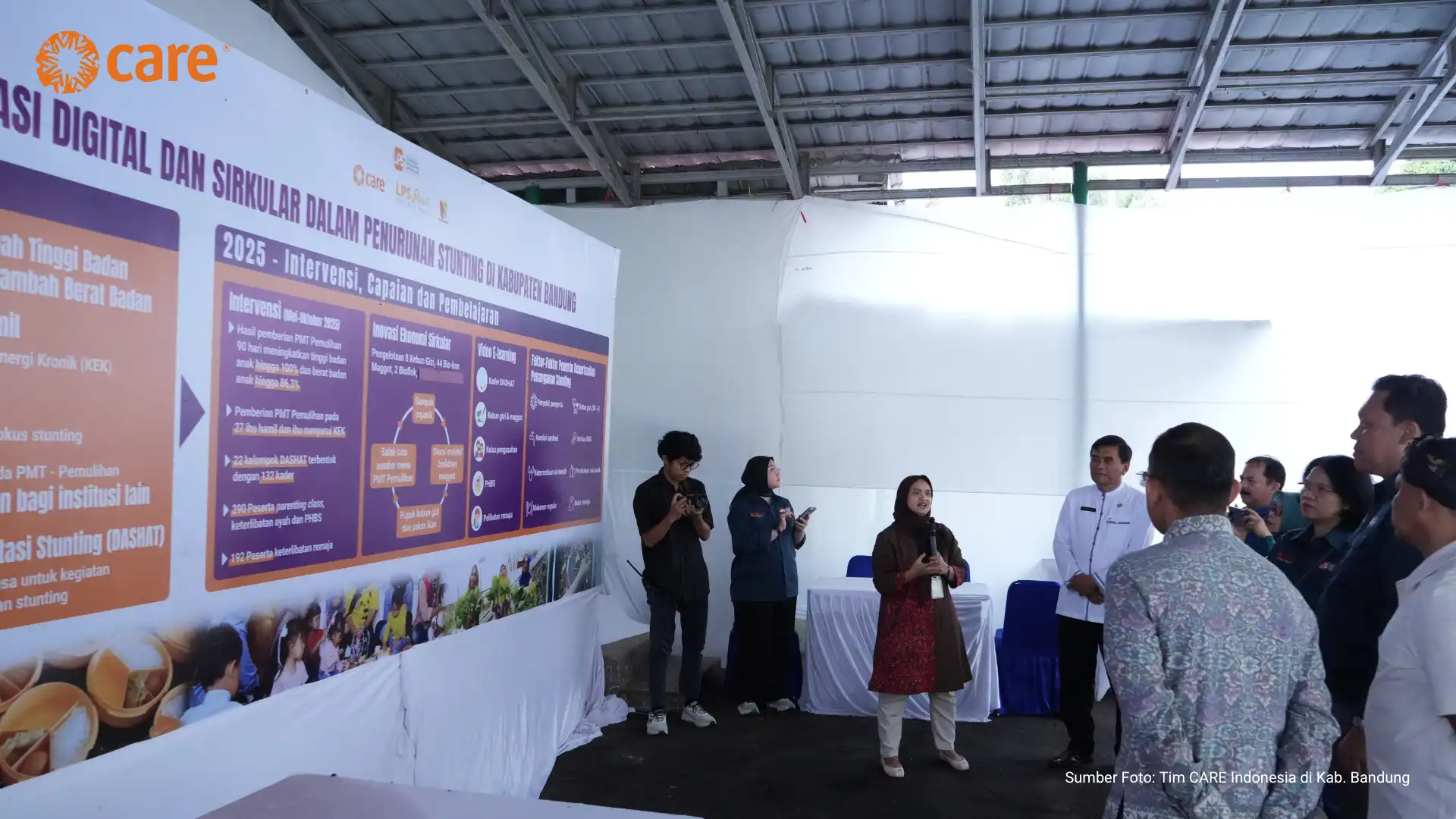
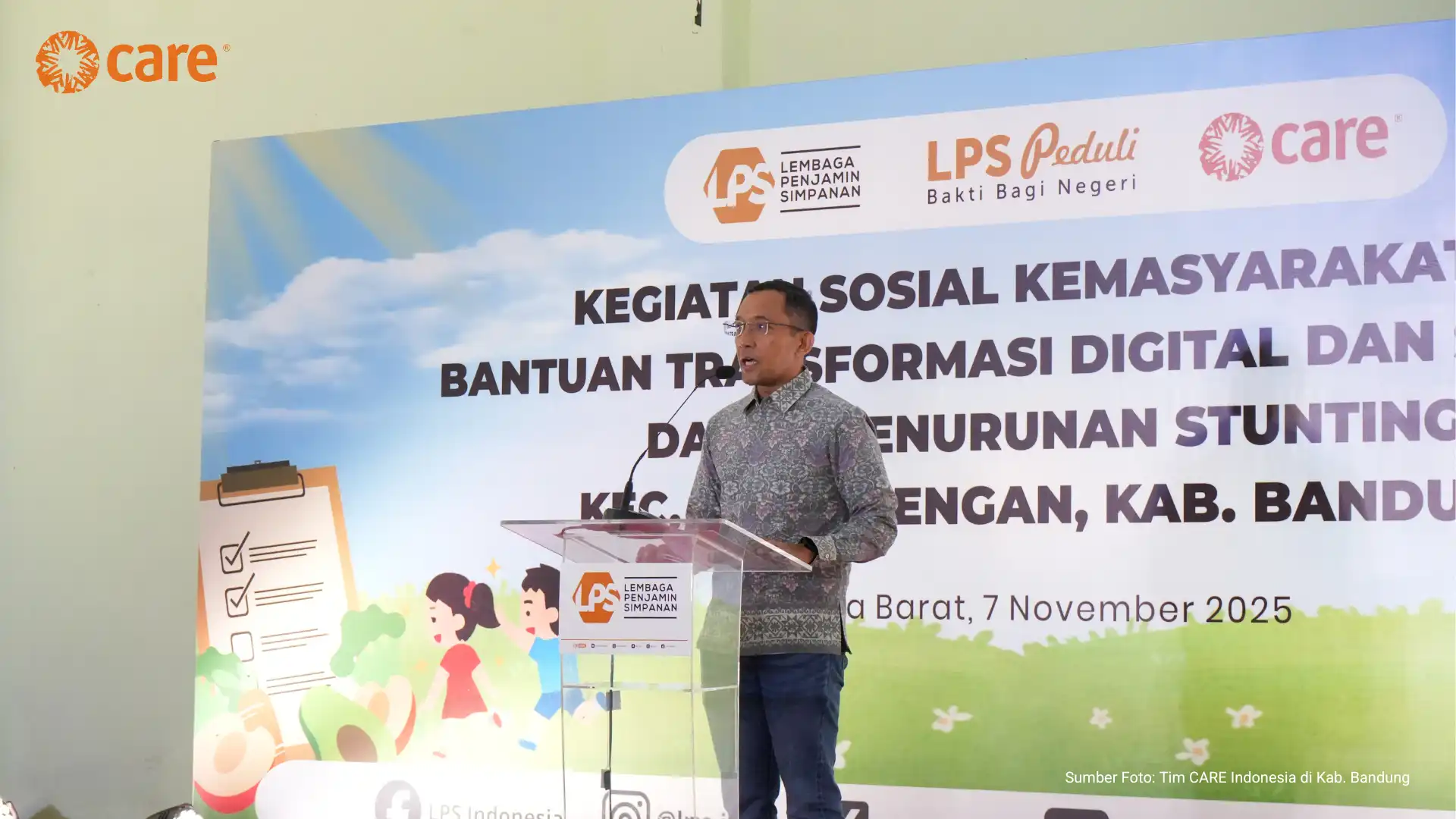
In Bandung District, the stunting reduction program is conducted in partnership with LPS and the local government. Implemented in three villages in Pangalengan Subdistrict from September to December 2025, the program reached 182 children and 58 pregnant women with CED through 90 day PMT, alongside education and capacity building activities for cadres and parents.

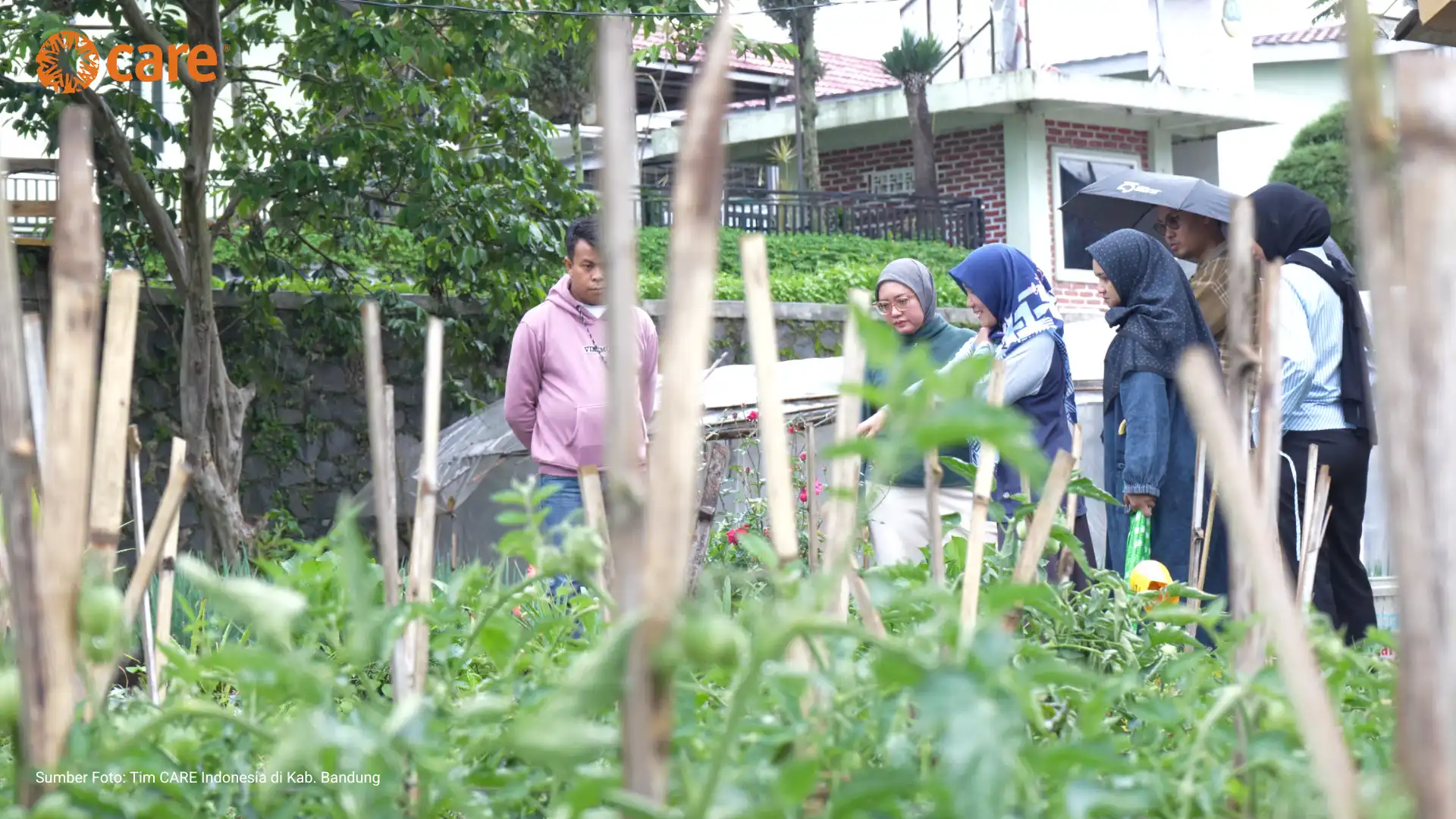
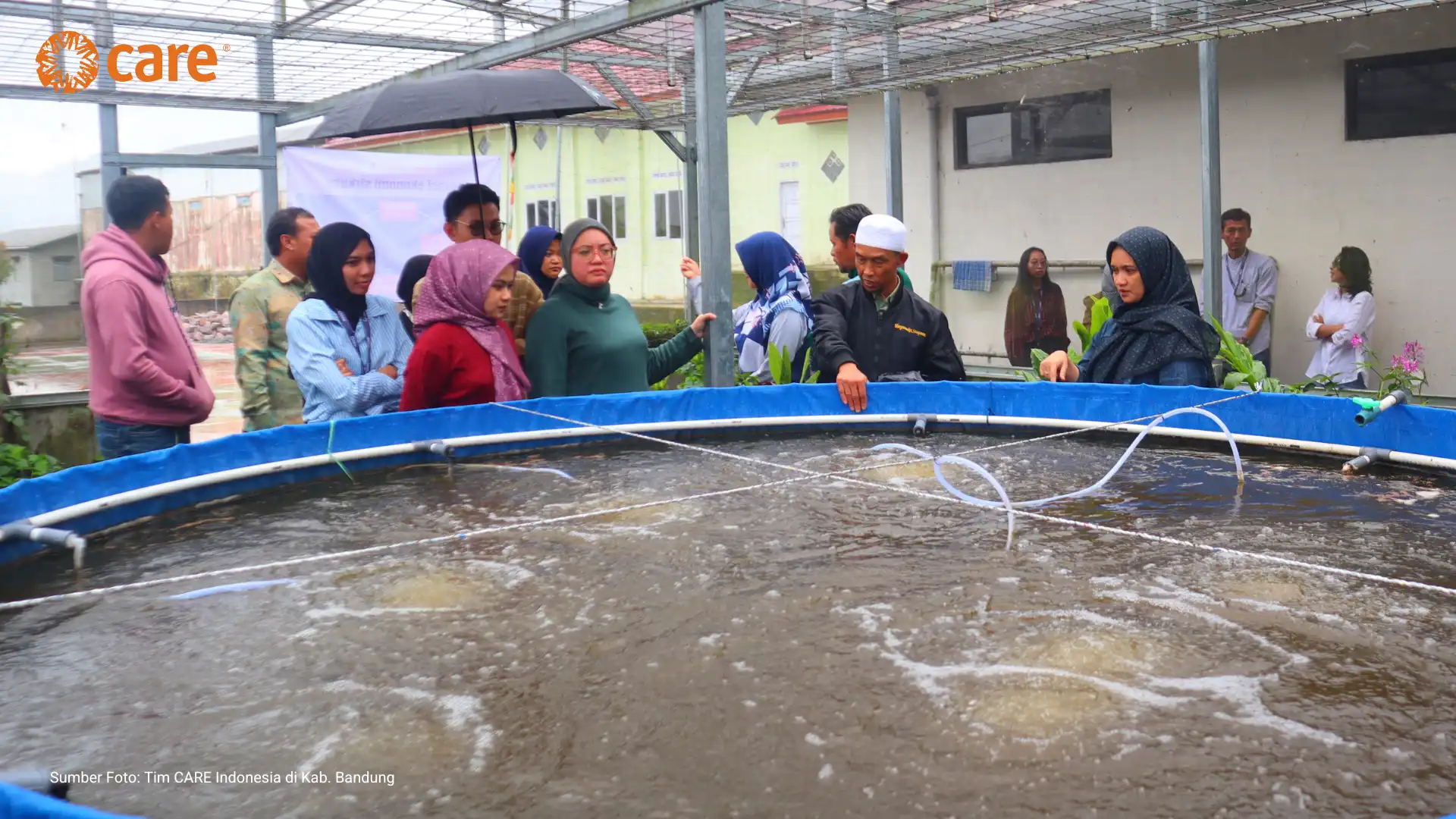
Beyond PMT provision, the program focuses on strengthening community capacity. This includes cadre and community training through parenting classes, establishing village nutrition gardens as sources of healthy food, and developing “budikdamber” (fish farming in buckets) to support household food security. All these efforts aim to drive behavior and environmental changes that support sustainable child development.

Iis Sumiyati, a DASHAT cadre from Banjarsari Village, expressed her appreciation for the program. She said she was happy to contribute directly to reducing stunting in her village. “I really appreciate CARE Indonesia for supporting the Banjarsari community. Children receiving PMT have shown significant progress some gained up to one kilogram and grew one to two centimeters in height,” she explained.

Currently, the program in Pangalengan is in its second phase, targeting 368 beneficiaries both children and pregnant women with CED. The 90 day PMT intervention is being implemented again with the hope of accelerating recovery and ensuring optimal child growth.

Meanwhile, in Nagekeo District, East Nusa Tenggara Province, the stunting reduction program is being implemented in Jawapogo Village and Mauponggo Subdistrict. In partnership with BNI Berbagi and the local government, CARE Indonesia has been running the program for 50 children and pregnant women with CED since May 2025. In addition to PMT, the field team provides contextual and practical education to mothers on preparing nutritious meals for everyday use.

As in the other two regions, stunting reduction goes beyond food intake and includes supporting factors such as local food availability and parental knowledge of childcare. DASHAT cadres in Jawapogo and Mauponggo manage nutrition gardens that supply food for children’s nutritional needs. In parenting classes, parents are taught various skills, including how to prepare meals that appeal to children.

Maria Marselina, mother of Jevan a PMT recipient from Jawapogo Village shared how much she learned from the program. She saw not only physical changes in her child but also felt more confident in creating healthy menus. “My child’s height has increased by 5 cm and weight by 0.9 kg after receiving PMT. There’s now an egg every day in our meals as recommended. From that, I learned how to make good menus at home for my child,” said Marlina.

The efforts made by CARE Indonesia and its partners go beyond simply distributing supplementary food they represent a commitment to building a stronger ecosystem for child development. By combining health, social, and community empowerment approaches, this program proves that sustainable change can only occur when communities are empowered together. Every child who escapes stunting represents a new ray of hope for a stronger, healthier, and more resilient future for the nation.


Writer: Kukuh Akhfad
Editor: Swiny Adestika

Resilient Amid Oil Palm Replanting, 13 Women’s Economic Groups in Musi Banyuasin Succeed in Increasing Household Income

News

Thirteen Women’s Economic Business Groups (Kelompok Usaha Ekonomi Perempuan/KUEP) in Musi Banyuasin District have successfully demonstrated economic resilience during the oil palm replanting period through 190 types of home-based businesses. These businesses include palm frond crafts, food products, livestock and cultivation, and other ventures initiated by women’s groups. Collectively, they generated a total profit of IDR 88.2 million and managed savings and loans with a total capital of IDR 1.2 billion. The efforts, involving around 505 women from 13 groups across 13 villages in Musi Banyuasin, were presented during the Public Forum and Strategic Reflection on the Women’s Group Resilience Program in Oil Palm Plantations, held at the Grand Ranggonang Hotel, Sekayu District (May 24).

This program, aimed at strengthening the resilience of women’s groups in oil palm plantations, is a collaboration between PT Cargill and CARE Indonesia (Yayasan CARE Peduli/YCP), with support from the Musi Banyuasin District Government. Since its launch in November 2022, the ongoing program has focused on building economic independence through skills training, entrepreneurship capacity building, capital support for improving household income, as well as support and assistance to ensure safe spaces for women and children in their communities.

Zulkarnain, S.P., Head of the Cooperatives and MSMEs Department of Musi Banyuasin, stated that the economic activities driven by KUEPs hold great potential for continued development. “We see that the guidance provided by CARE Indonesia to these women and mothers has shown real results, significantly boosting household income,” he said.

Zulkarnain further noted that the business types initiated by KUEP members in Musi Banyuasin are diverse and can potentially be adopted by communities in other villages. “The entrepreneurial creativity shown by these communities can inspire others to improve and innovate, just as highlighted during the program by CARE Indonesia. We hope that programs like this will continue to serve as collaborative platforms that benefit even more people,” he explained.

Products from the KUEPs were also showcased at the MUBA Expo, held by the Musi Banyuasin District Government. At this event, a variety of KUEP products were featured as highlights, including palm frond handicrafts that have been added to the Musi Banyuasin Government’s electronic catalog.

Dr. Abdul Wahib Situmorang, CEO of CARE Indonesia, explained that the program applies a holistic approach, focusing on economic empowerment through the formation of KUEPs, nutrition improvement through community nutrition gardens managed by Women Farmers Groups (Kelompok Wanita Tani/KWT), prevention and support for cases of violence against women and children, and environmental protection with the help of Community Fire Concern Groups (Masyarakat Peduli Api/MPA). “During the program, 4,937 individuals were reached as direct participants and 100,522 people were reached indirectly through various activities and information channels. Empowerment requires capacity building in various areas, including financial literacy, gender equality training for equal access for women and men, and understanding gender-based violence support mechanisms. Agricultural and agri-business training also took place, along with environmental maintenance workshops,” Abdul said.

Furthermore, Abdul noted that the program, implemented in 13 villages in the subdistricts of Tungkal Jaya, Sungai Lilin, and Keluang, received strong support and collaboration from local village governments. “All village governments were very supportive of this program’s implementation. This is evident from policy support at the village level, such as issuing decrees (SK) for KUEPs in all 13 villages, and even funding support through village funds. This reflects a shared commitment to enhancing the role and access of women within the community,” Abdul stated.

Abdul also emphasized that the KUEPs have been well-received by local governments because their goals align with national government programs. “We are proud of the recognition given to KUEPs. This appreciation is a result of the activities and programs carried out by their members. We hope KUEPs will actively collaborate in the Merah Putih Cooperative Program,” Abdul concluded.


Author: Kukuh A. Tohari
Editor: Swiny Adestika

Students from Three Schools in Sigi District Call for a Peaceful and Healthy Environment
Gallery

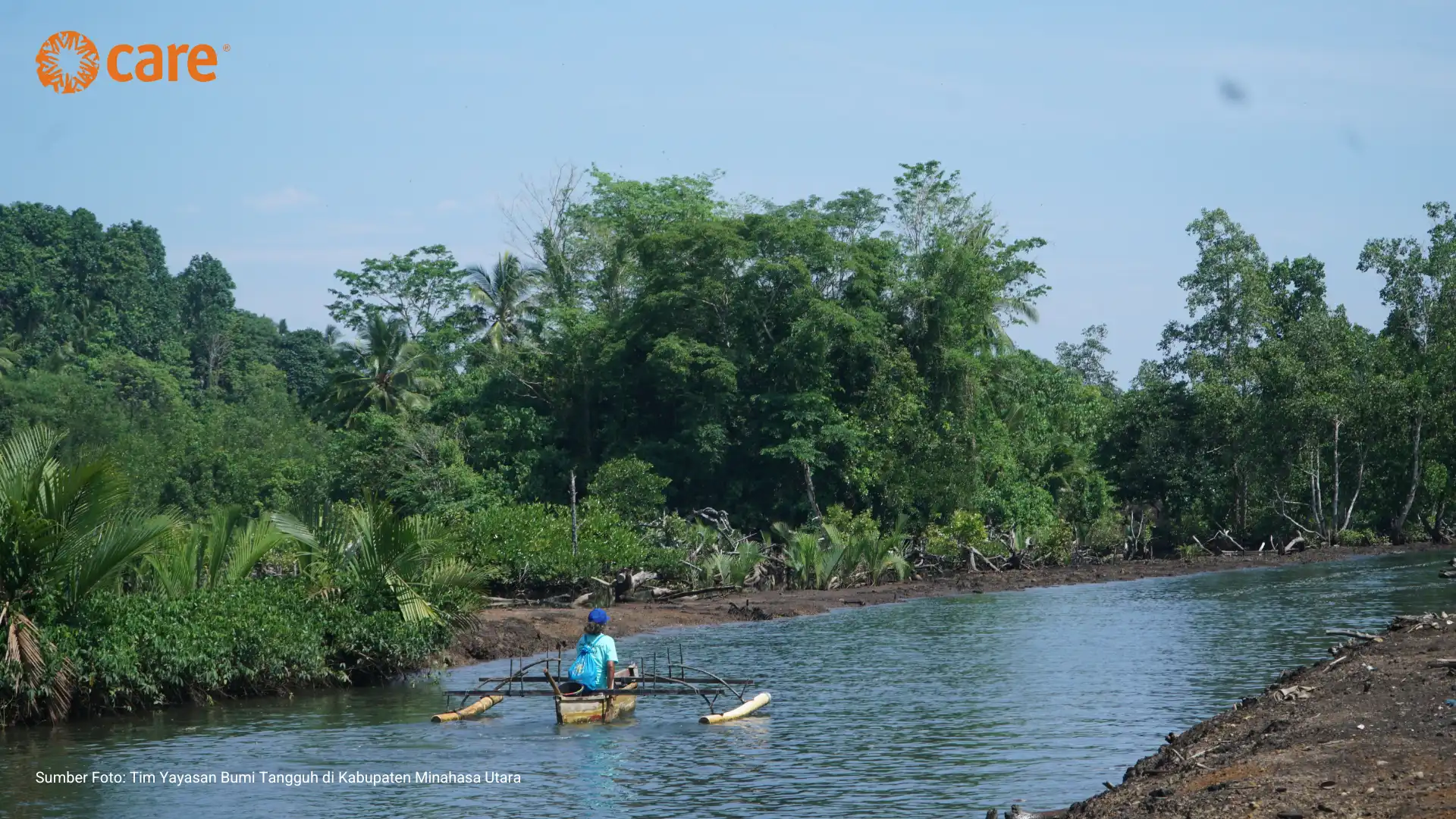
A total of 450 students from Sigi District participated in a peace campaign held at SMPN 15 Sigi, SMAN 10 Sigi, and SMAN 7 Sigi (22–2/07), coinciding with Indonesia’s National Children’s Day.This initiative is a collaboration between CARE Indonesia and Karsa Institute, supported by UN Women and funded by the Korea International Cooperation Agency (KOICA), aimed at strengthening the resilience of women and youth in Sigi District.

Through presentations and discussions, students learned about the dangers of drug abuse and the importance of avoiding violence. With great enthusiasm, they expressed their support for peace through poetry readings, drama performances, and short video. The active participation from students in promoting a peaceful and healthy school environment is a promising step toward inspiring the younger generation to become positive agents of change within their communities.

Reflection on the CDF Journey: Realizing the Welfare of Tea Plantation Workers

Gallery

Members of the Community Development Forum (CDF) from Malabar, Pasir Malang, and Kanaan shared various insights and experiences they have gained throughout their participation in the forum. These were presented during the Mid-Term Review Dissemination Workshop organized by CARE Indonesia on Thursday (10/07), at the Grand Sunshine Hotel in Soreang, Bandung District.

The purpose of this workshop was to reflect on the progress, challenges, and lessons learned since the establishment of the CDF. It is hoped that through this event, solutions can be found to enhance the impact of the CDF on tea plantation workers, thereby improving their overall welfare.

The event was attended by 30 participants, including CDF members, representatives from the regional office of PT Perkebunan Nusantara, PT Kapebe Chakra, the village heads of Banjarsari, Margaluyu, and Indragiri, as well as representatives from the Ethical Tea Partnership (ETP).