Search
Close this search box.

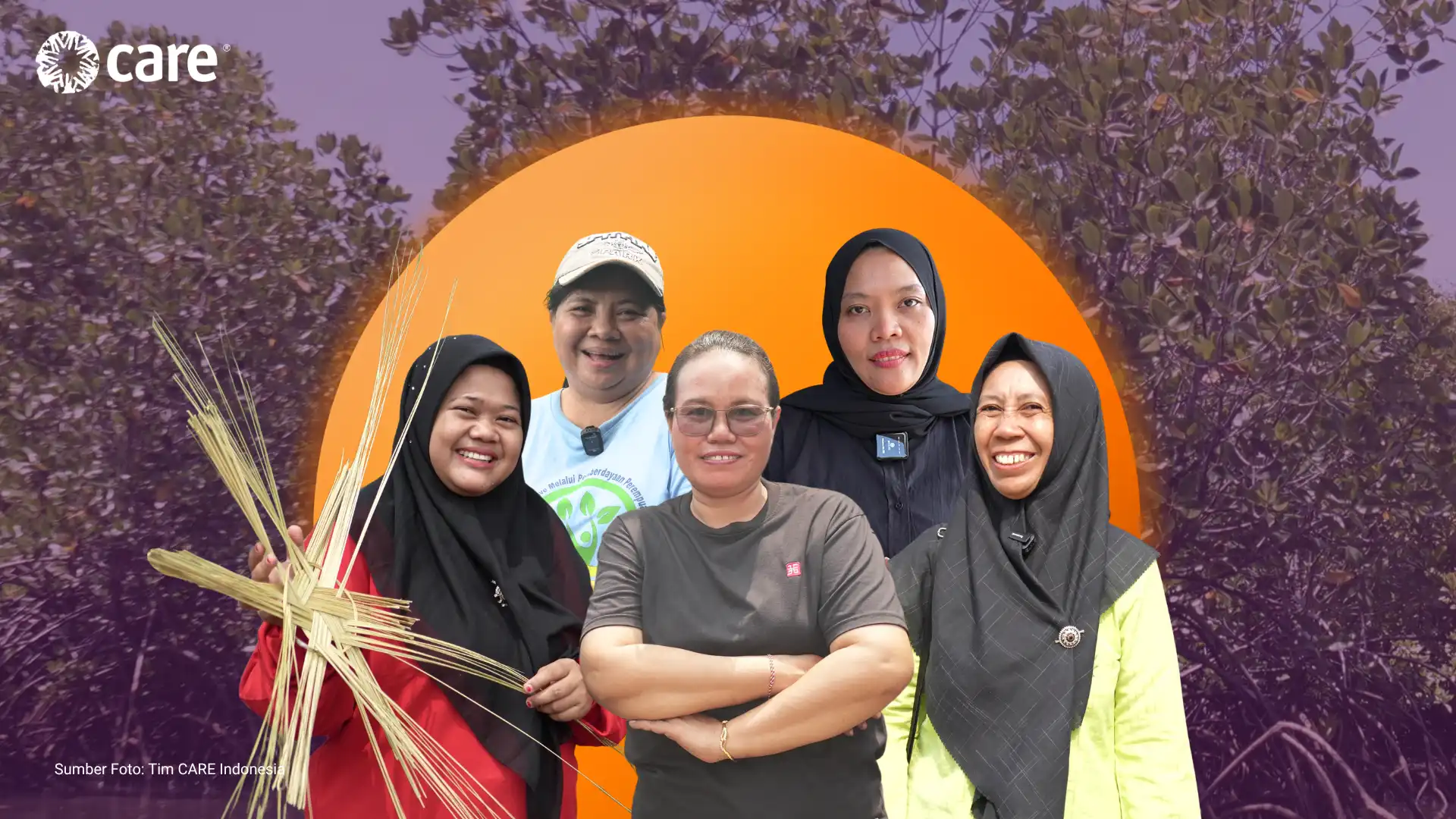
Women Fishers Group of Sarawet Village, North Minahasa: Nurturing Mangroves as a Source of Livelihood

Stories

Small waves chase each other along the shore of Sarawet Village, West Likupang Subdistrict, North Sulawesi. Amid the gentle roar of the sea, Wisye Sambangu prepares to paddle her canoe toward the mangrove planting area. She does this to care for the mangrove forest that provides habitat for crabs and fish, her primary source of income. Together with eight other women, Wisye actively maintains the mangroves along the coast while managing a small business group they established independently.

“We want to increase our income while ensuring the sea remains sustainable. That’s why we joined the Women-led Economic Business Group (KUEP) to learn about financial management and explore new livelihood opportunities,” Wisye said with a warm smile.

According to Wisye, the support she received through KUEP has given her and other members opportunities to learn, organize, and become more empowered. Since joining KUEP Rhizopora, Wisye’s daily activities have expanded beyond household chores she has become an important part of efforts to protect nature while also strengthening her family’s economy.

Before joining the group, women in her village often planted mangroves voluntarily without financial assistance. With renewed enthusiasm, KUEP Rhizopora has now begun to develop a savings and loan system. The members agreed to pool their resources, collecting IDR 4 million as an initial capital fund while awaiting additional support from KUEP proof that independence is born from determination, not merely external aid.

Wisye believes that the healthier the mangrove ecosystem, the more abundant the marine resources become. For her, planting mangroves is not only about protecting nature it’s about planting hope: for a sustainable sea, a prosperous family, and a more resilient future for coastal women.
“We are women fishers. If the mangroves are damaged, crabs and fish will become harder to find,” she said.

A similar spirit is shared by Yeni Ahad, Wisye’s colleague in KUEP Rhizopora. Yeni shared that their group now owns a boat and crab-catching tools provided through the program’s support. They use the boat to collect mangrove seedlings, transport them for planting, and go fishing and crabbing near the mangrove ecosystem.

“In the past, we had to borrow other people’s boats. Now we don’t have to, thanks to the support we’ve received. This assistance has made our work much easier because we can independently transport mangrove seedlings and go fishing and crabbing. We hope that with the new equipment and boat, our catch will increase. The group’s catch will later be sold to local buyers and sent to Manado City,” Yeni said proudly.

Renee Picasso Manopo, Climate Resilience and Humanitarian Portfolio Manager of CARE Indonesia, explained that this women’s coastal empowerment and mangrove protection initiative is part of the joint efforts of CARE Indonesia and Yayasan Bumi Tangguh, supported by the Asian Venture Philanthropy Network (AVPN), to strengthen community resilience in North Minahasa’s coastal areas.

“Our target is to plant 50,000 mangrove seedlings across three villages Palaes, Sarawet, and Minaesa to restore coastal ecosystems and improve community welfare. By engaging and strengthening women’s groups, we hope this program will not only enhance women’s roles in mangrove conservation but also improve their livelihoods and reduce their workload so they can contribute to their household income from activities close to home,” Renee concluded.

Writer: Kukuh A. Tohari
Editor: Swiny Adestika

Women’s Group in Ngatabaru Village Increase Household Income Through Shallot Cultivation

Gallery

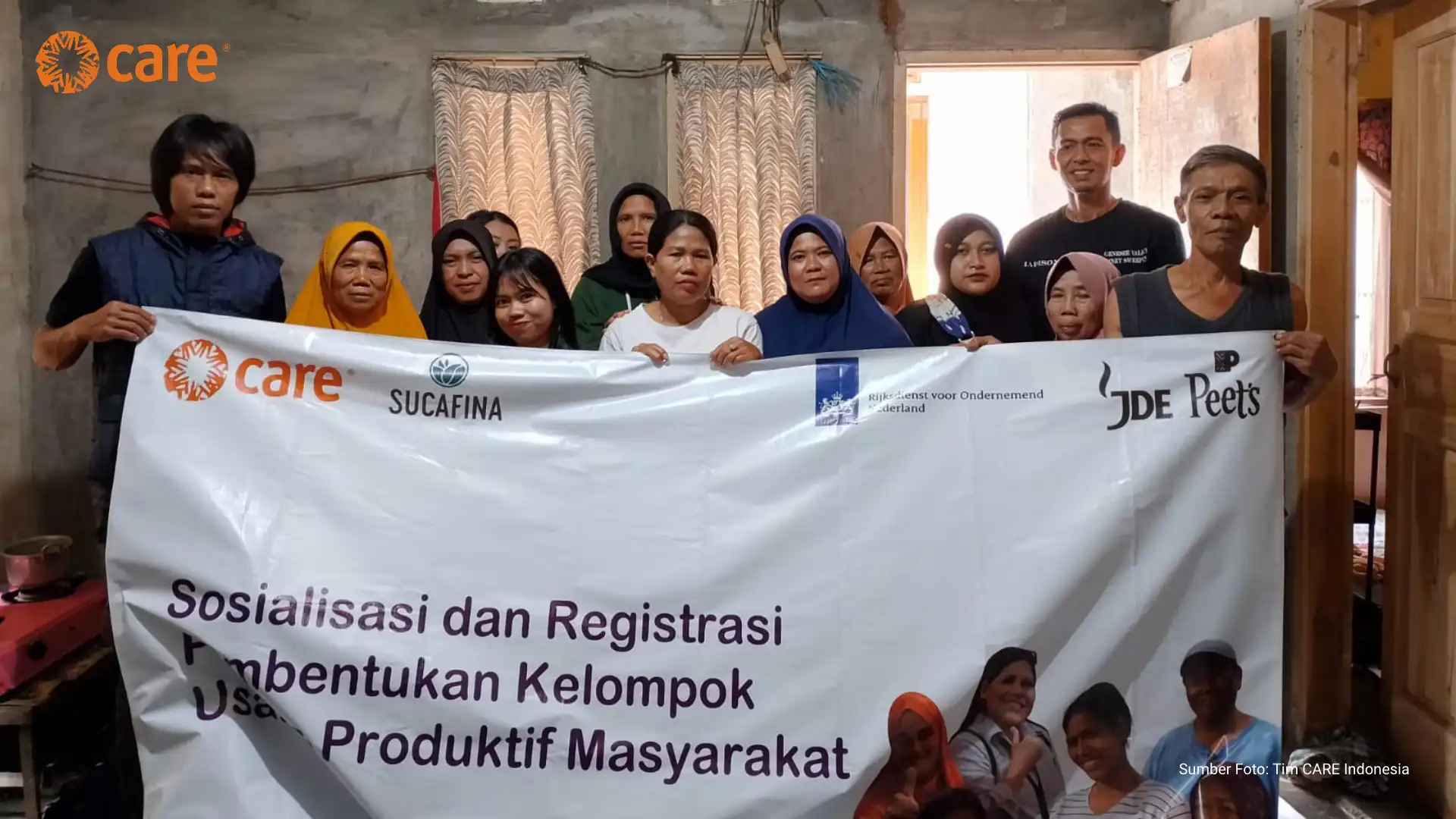
In 2023, shallot consumption in Indonesia reached 2.861 kg per capita per year*. The Palu shallot, one of the superior varieties from Central Sulawesi, is well-suited for producing fried shallots. The cultivation of shallots has become a source of hope for the Women-led Economic Business Group (KUEP) in Ngatabaru Village, Sigi District, to increase household income and support food security.

*Source: Shallot Trade Performance Analysis, Volume 14, No. 1, 2024, Ministry of Agriculture of the Republic of Indonesia.

Preliminary Analysis on Climate Adaptation and Mitigation in Indonesia’s Garment Industry from Managers and Workers Perspective

Publications

Coaching Clinic Session for LKS-Bipartite and GBV-SV Task Force to Create a Safer Workplace

Gallery

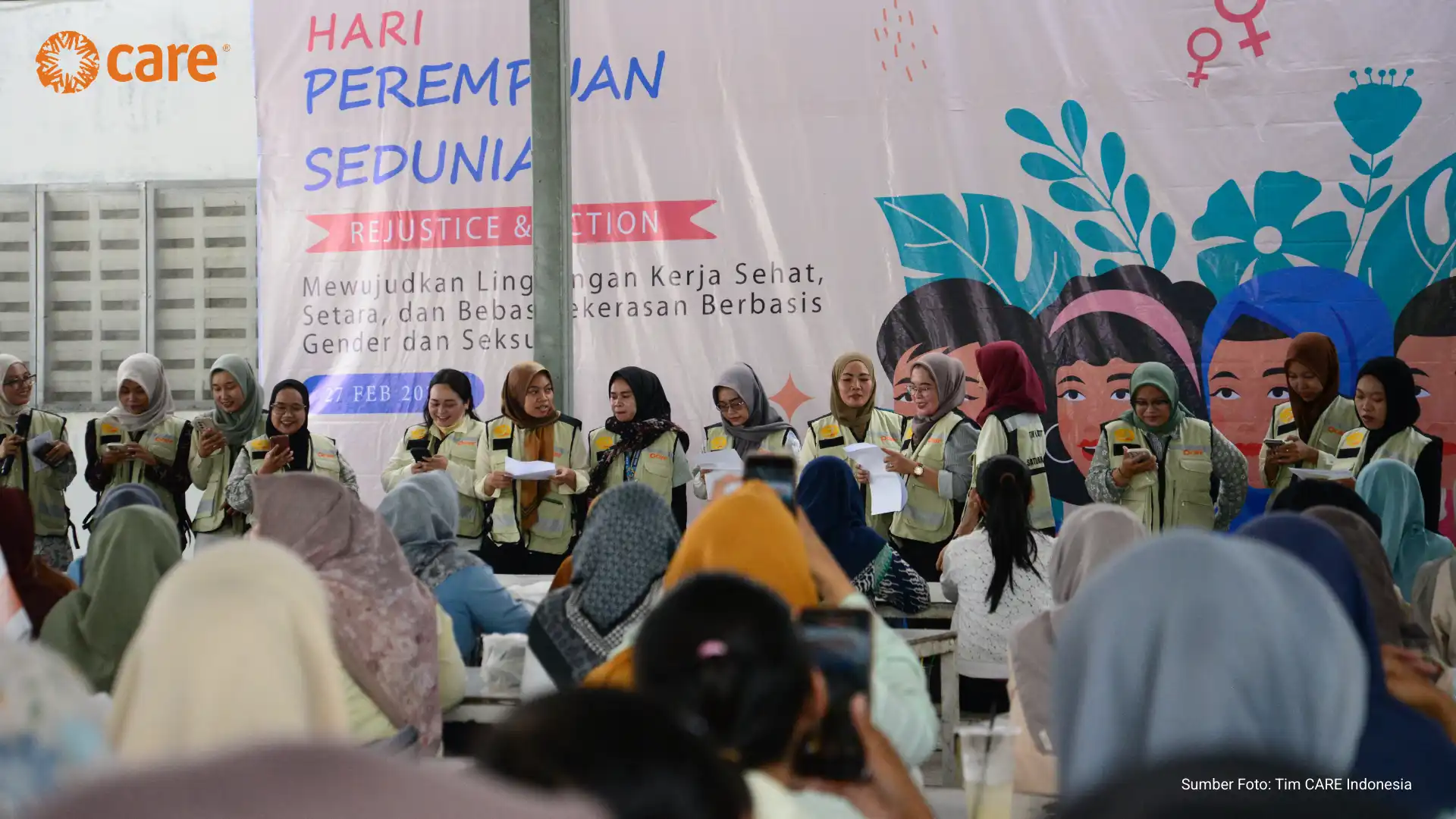
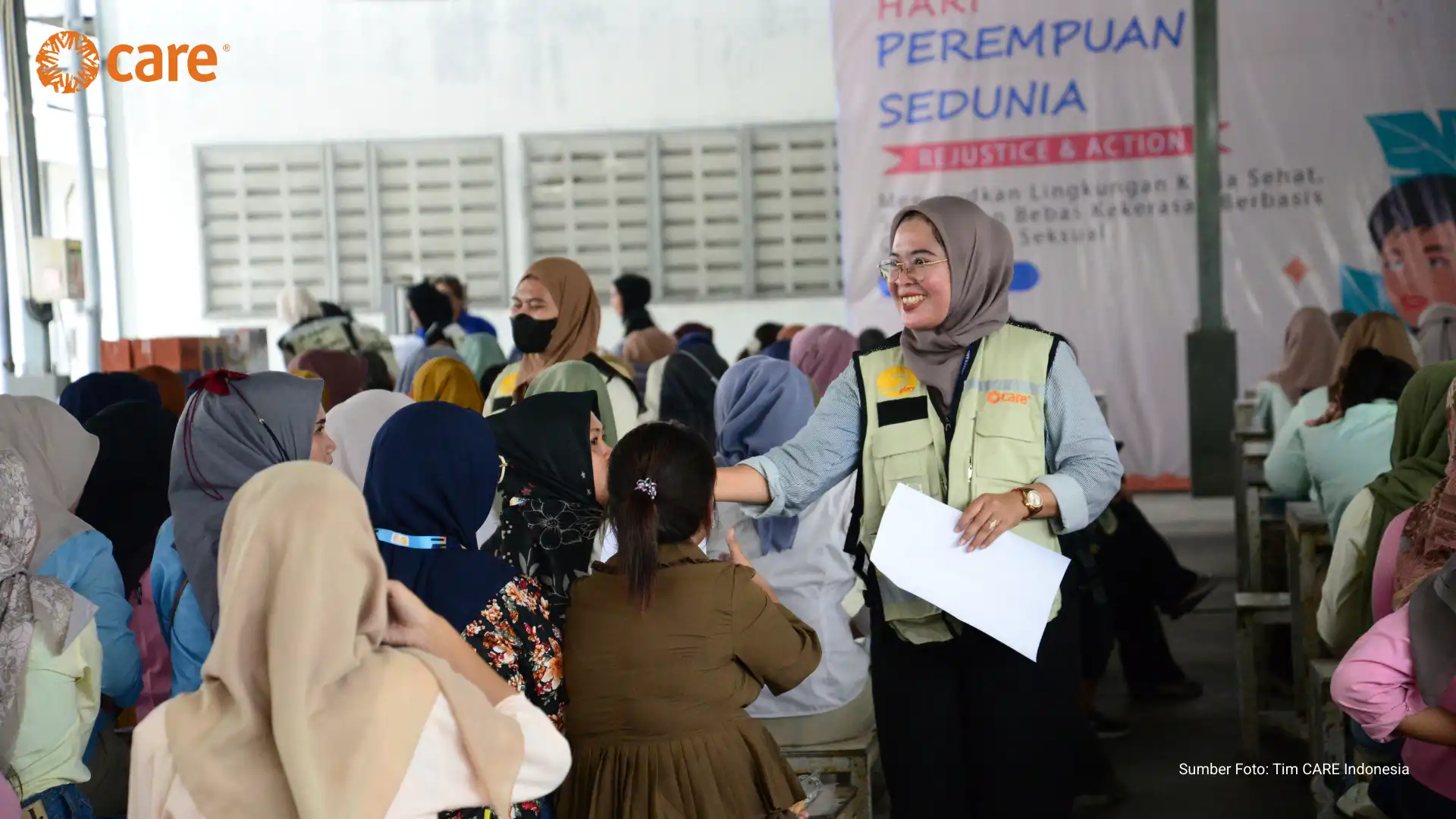
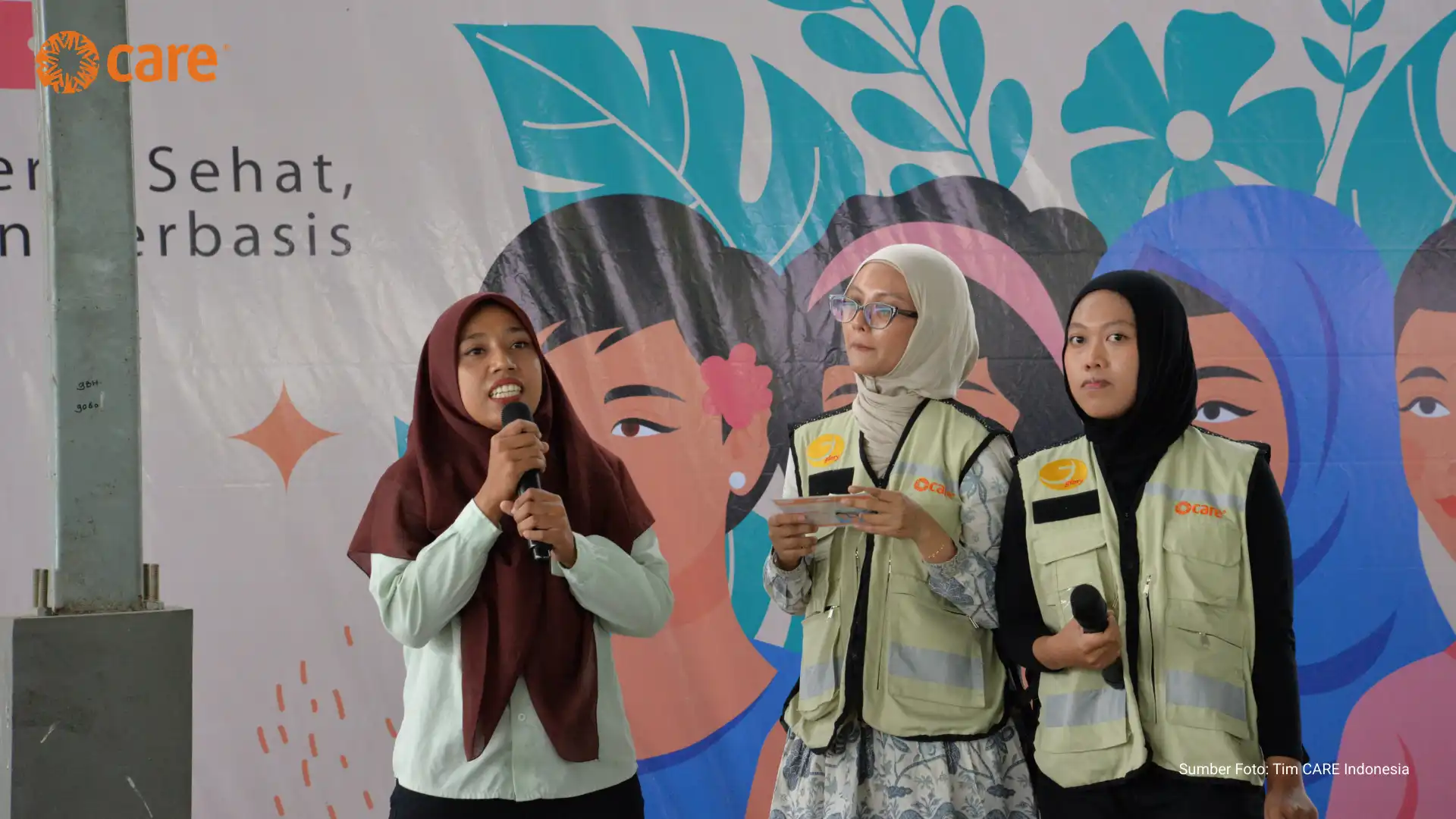
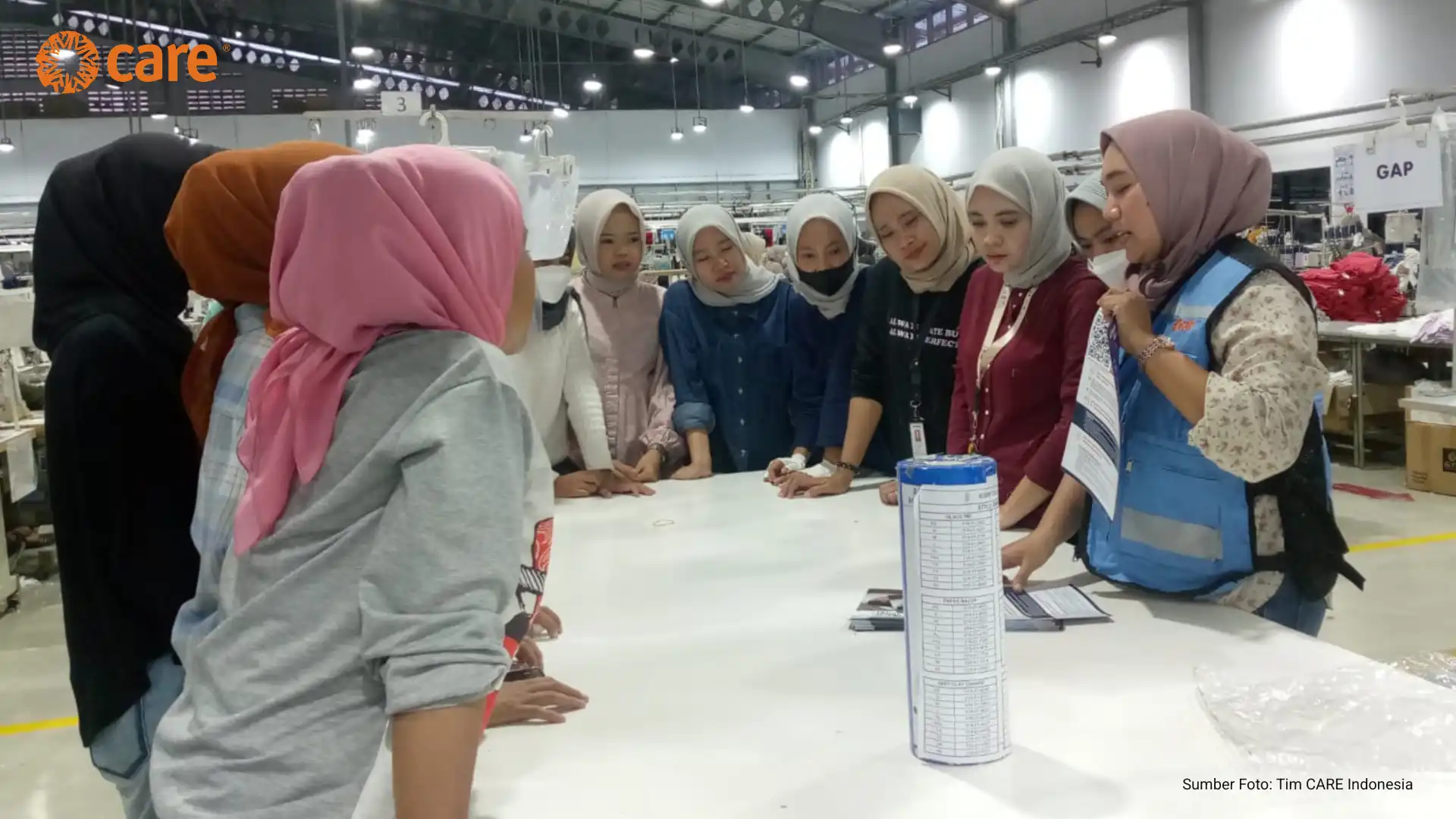
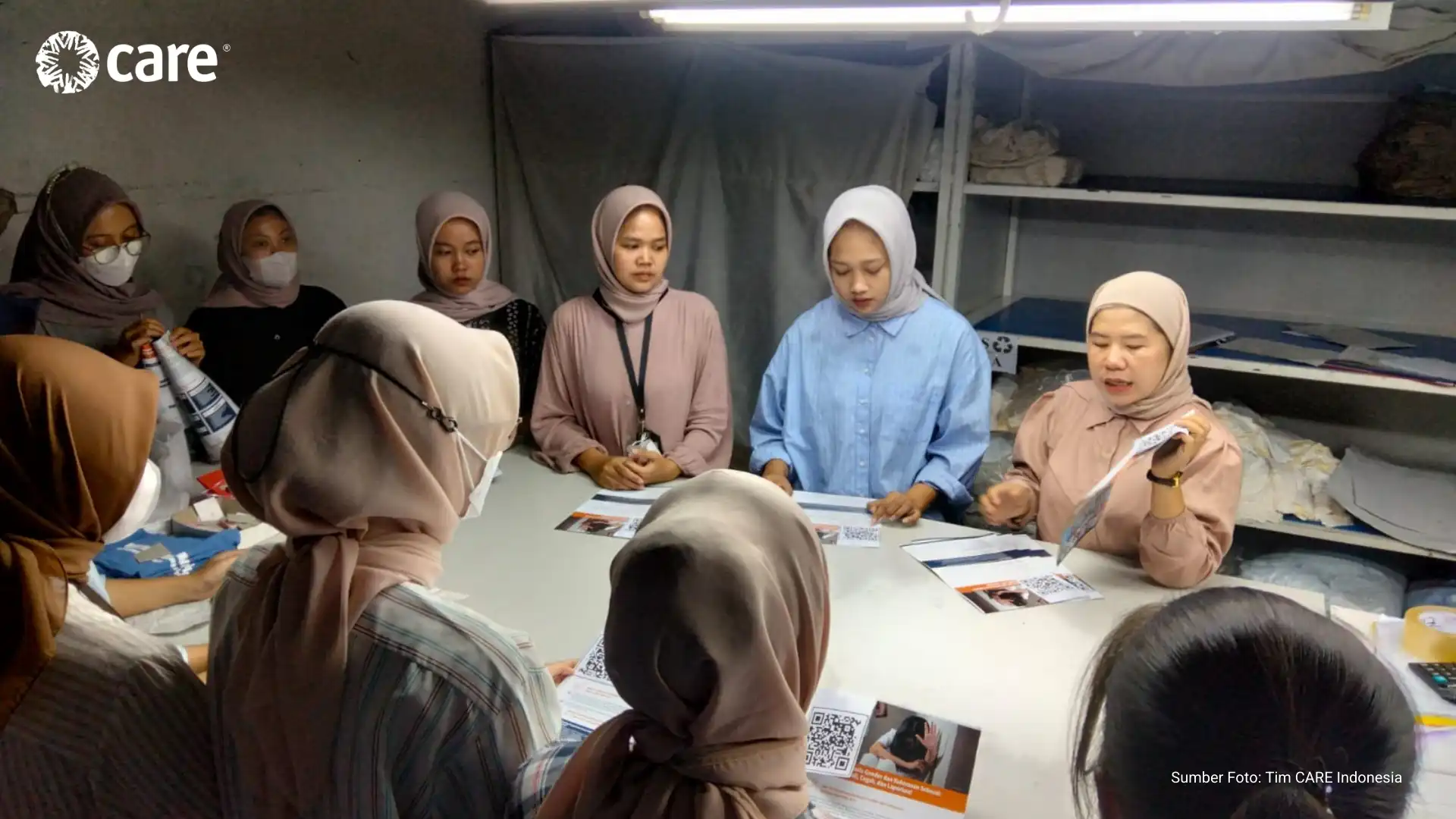
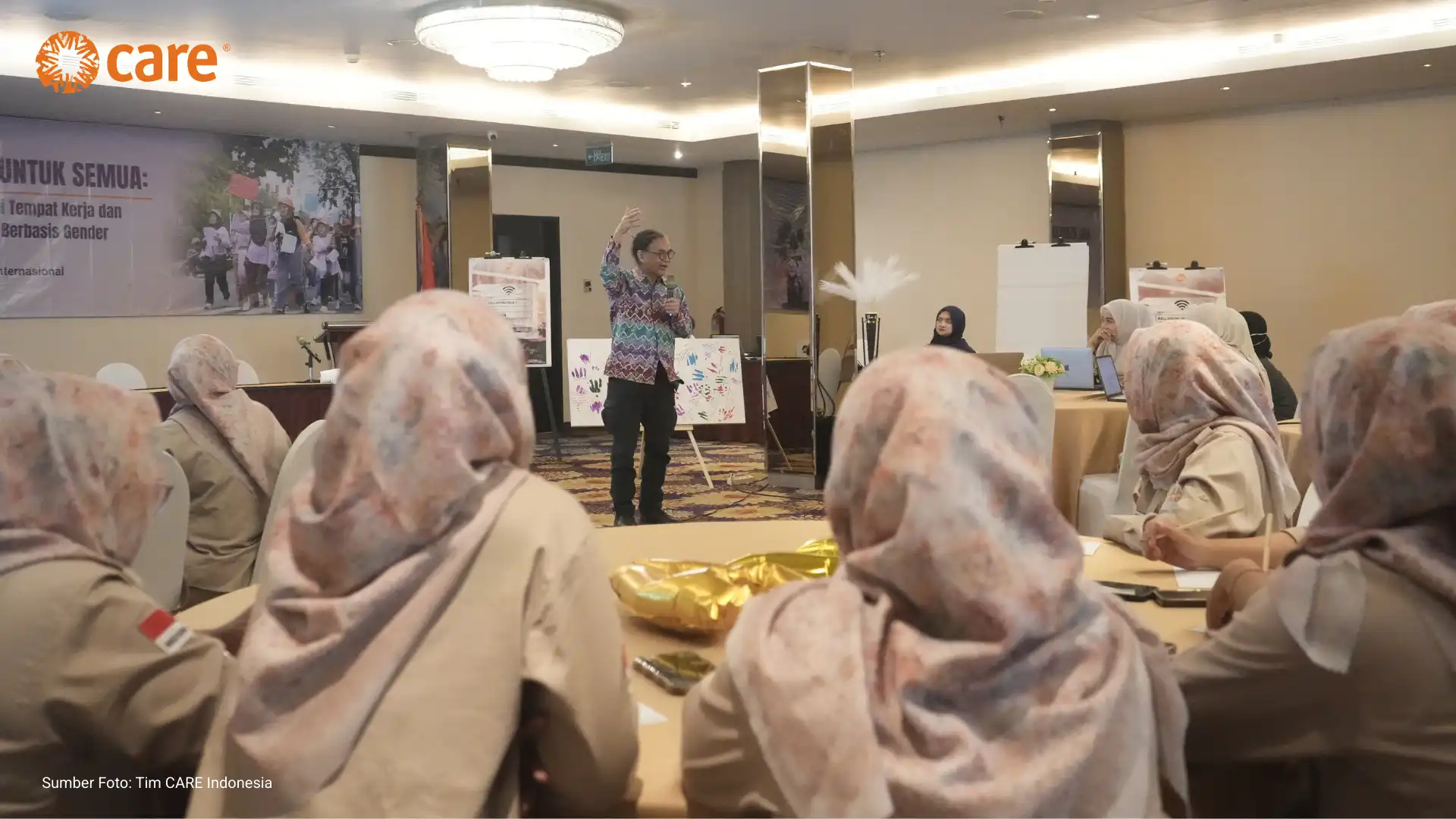
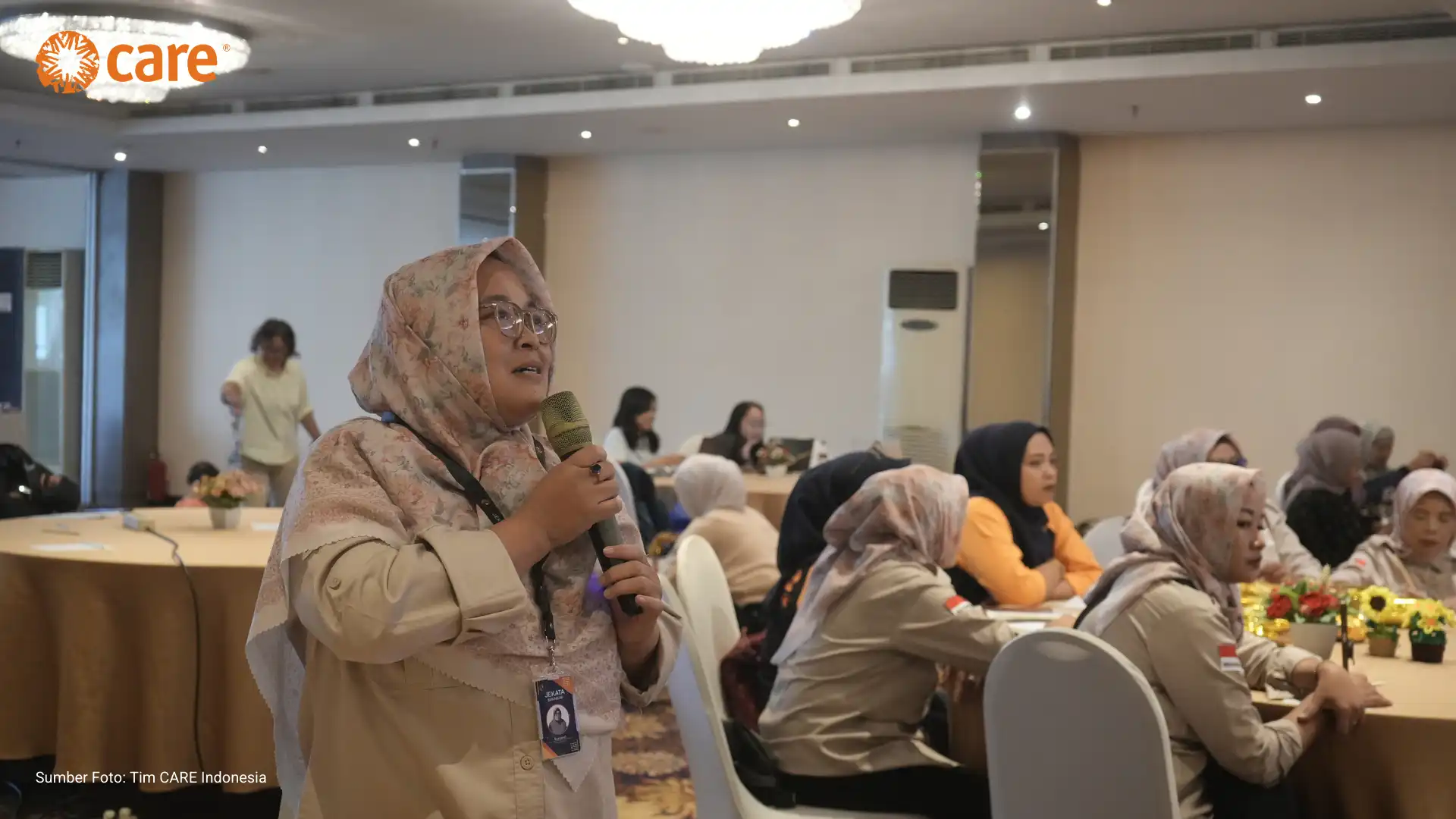
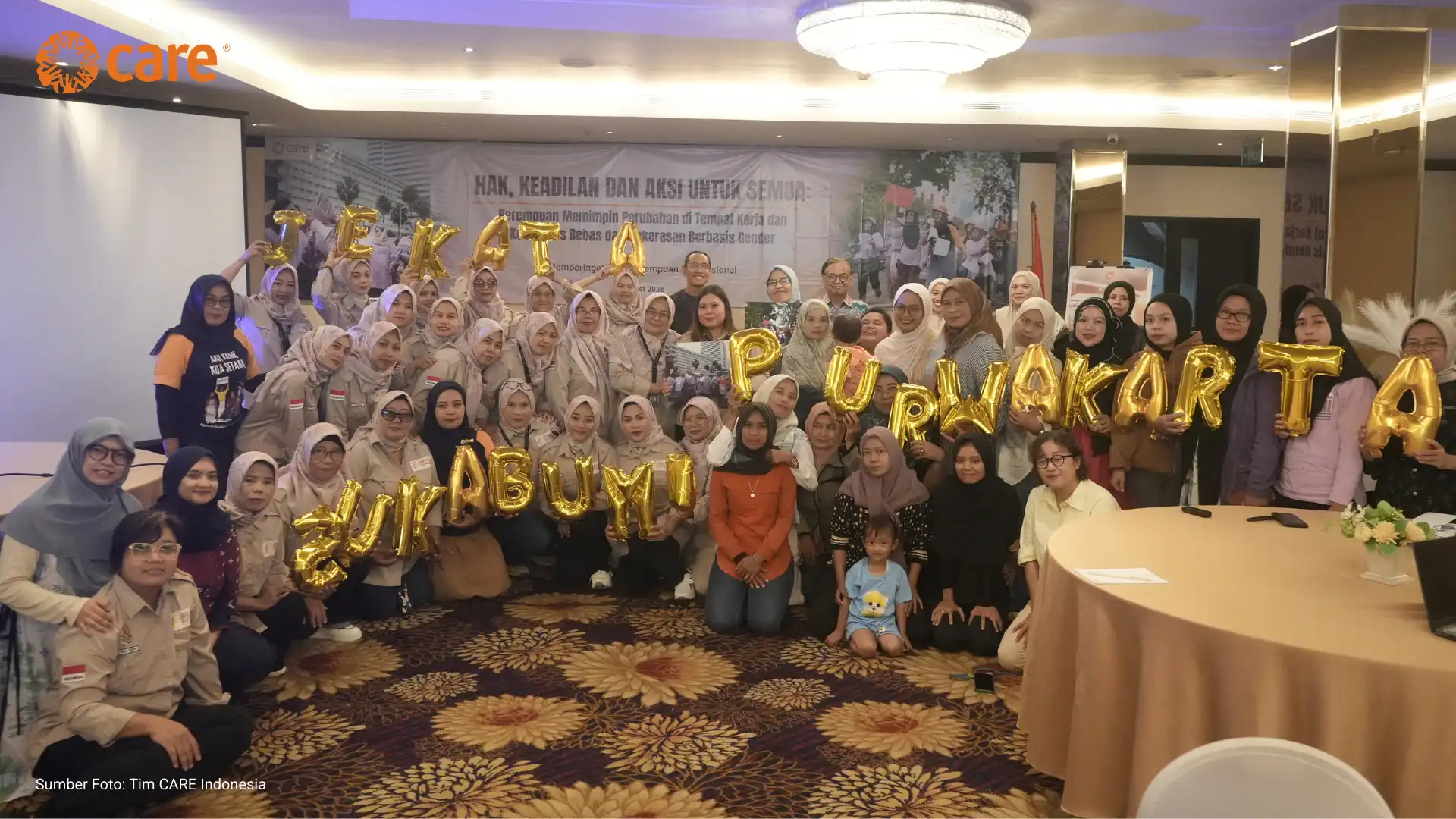
23 members of the Task Force for the Prevention and Handling of Gender-Based Violence and Sexual Violence (GBV-SV) from PT Dasan Pan Pacific Indonesia participated in a coaching clinic session (26–27/09) to strengthen their technical skills in complaint handling, case management, as well as publication and campaign divisions. This initiative, supported by CARE Indonesia and its partners, aims to promote a safer work environment, particularly for women workers, through the capacity strengthening of Task Forces within the Bipartite Cooperation Institution (LKS Bipartite).

The session was conducted interactively through material delivery, case simulation exercises for the complaint and case-handling divisions, basic social media publication planning for the publication and campaign division, and the development of education timelines and topics for the education and prevention division.

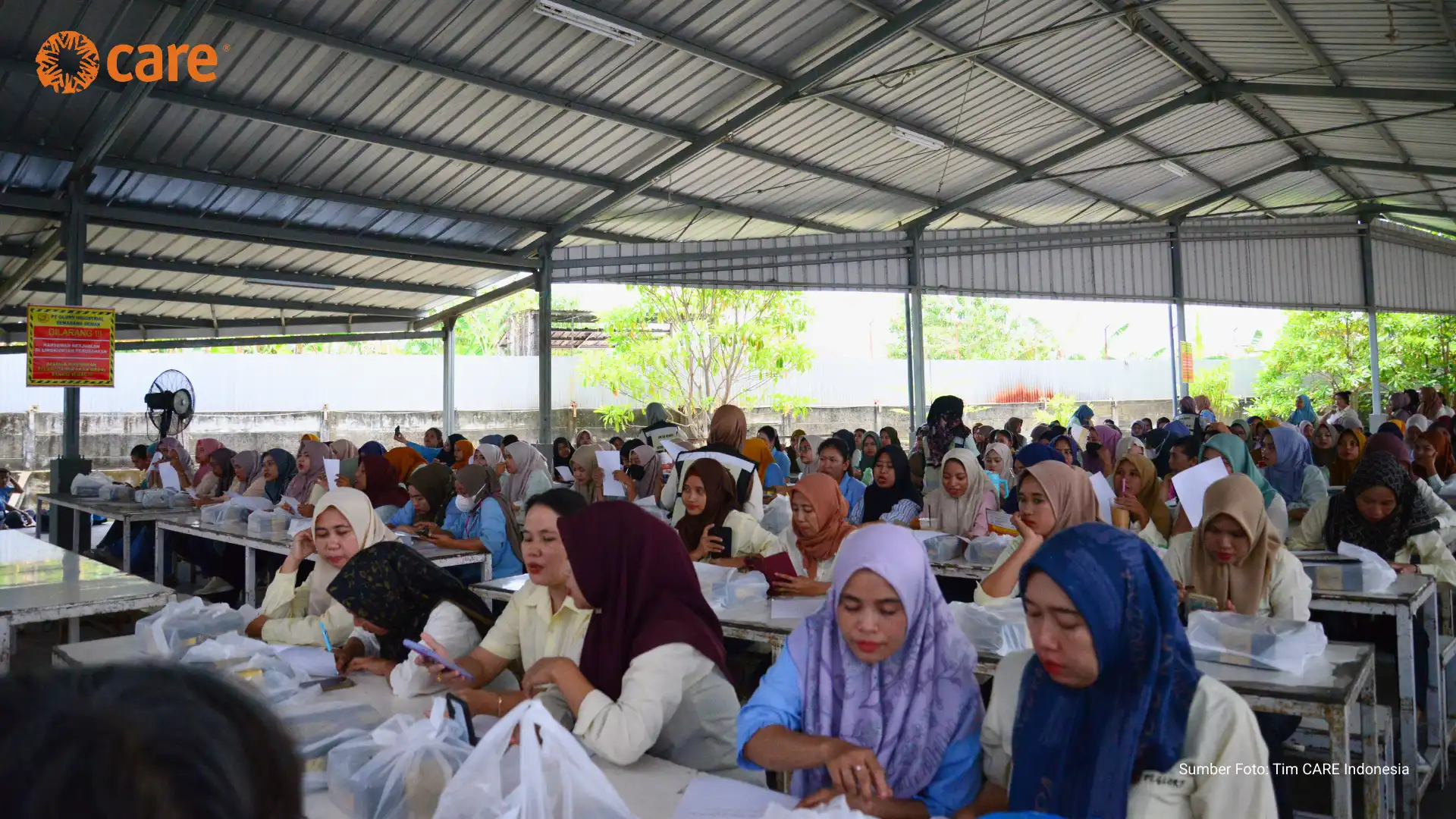
Similarly, 25 members of the GBV-GV Task Force at PT Glory Industrial Semarang Demak also received coaching clinic from CARE Indonesia (3/10) to improve the performance of each division. Through this mentoring, all divisions were strengthened in several areas, including complaint mapping and categorization, as well as the development of socialization plans for workers to prevent violence in the workplace.

Waste Sorting Training for Communities in Depok

Gallery

A total of 96 community members and staff from the Nutrition Fulfillment Service Unit (SPPG), along with 45 students from SDN 3 Cilangkap and SDN 8 Cilangkap, Depok City, participated in a waste sorting training on September 22, 23, and 27. The activity, a collaboration between CARE Indonesia and the Indonesia Deposit Insurance Corporation (LPS) with support from the Depok City Government, was conducted as part of efforts to promote household-level organic waste management.

Participants demonstrated their commitment through follow-up plans for organic and inorganic waste sorting. The sorted organic waste will later be sent as feed for maggot cultivation centers currently being developed at two locations in Depok City.

SIKEBAS Application Becomes a Key Tool for Monitoring the Supplementary Feeding Program in Pangalengan

Gallery

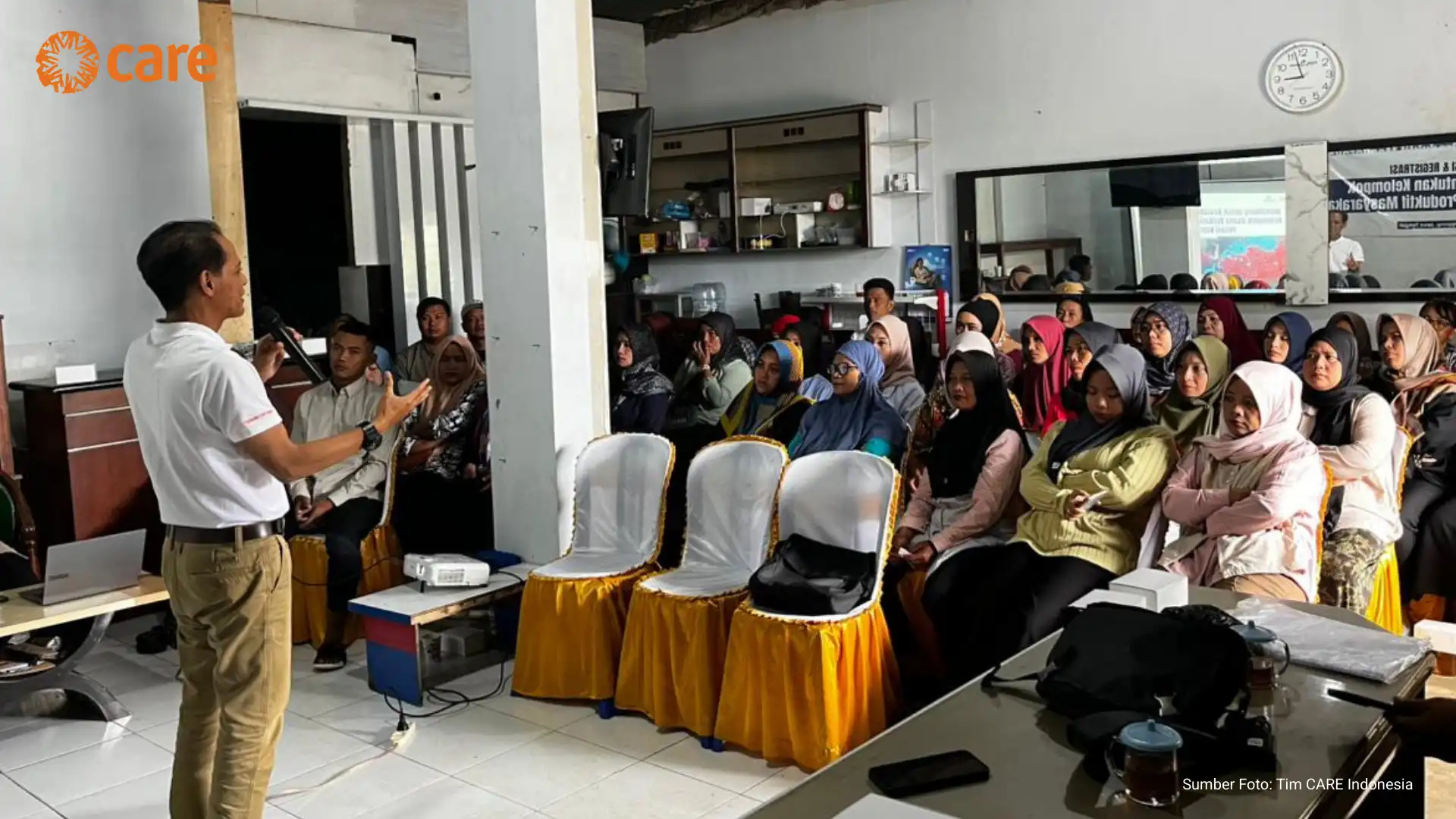
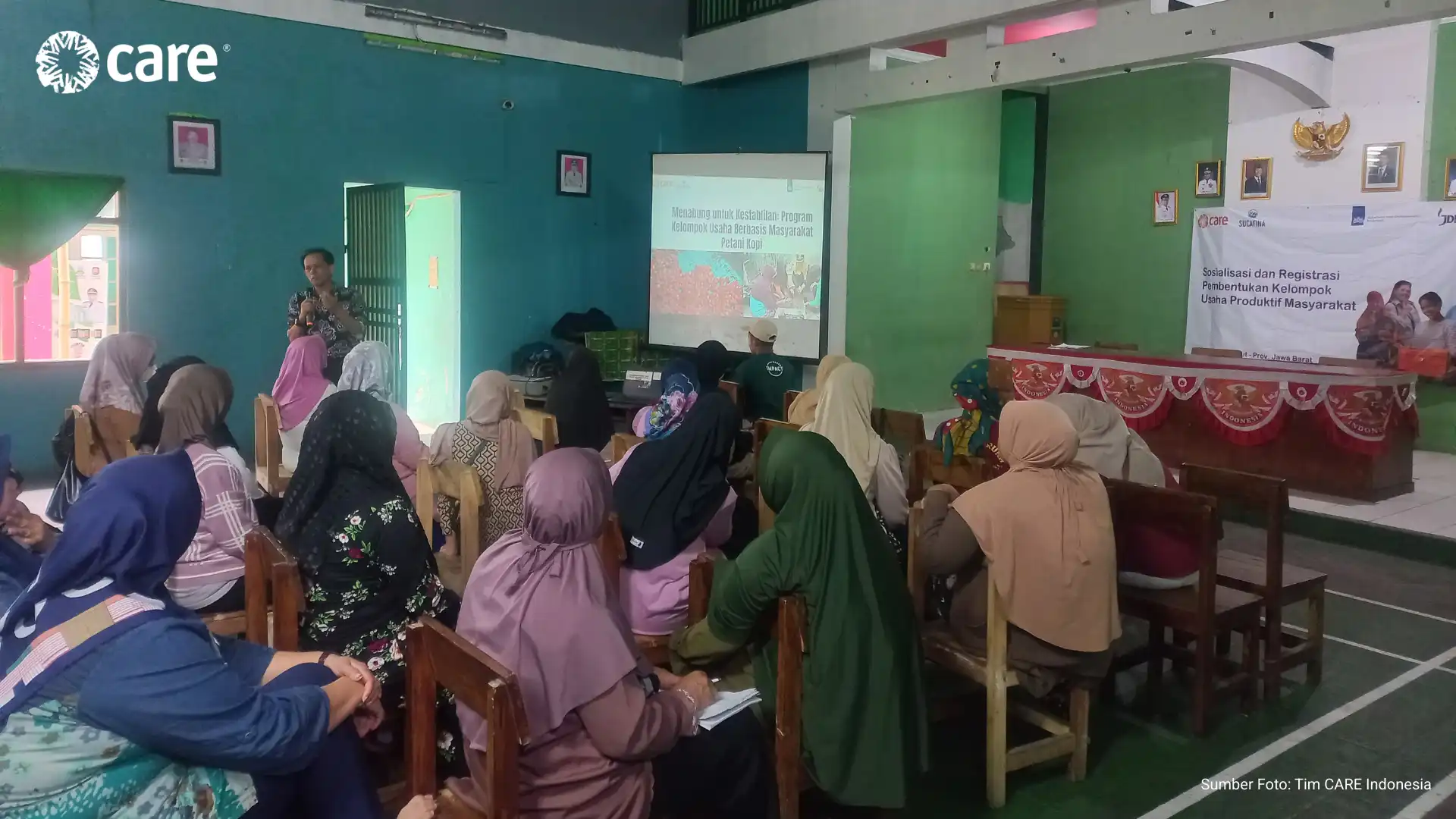
A total of 393 Family Support Team (Tim Pendamping Keluarga/TPK) cadres from Pangalengan Subdistrict took part in a socialization session on the use of the SIKEBAS application (Healthy and Happy Family Information System Without Stunting) to monitor the Provision Additional Nutritious Meal (PMT). The event was held on Tuesday (30/09) at GOR Sorga, Margamekar Village, Pangalengan Subdistrict, Bandung District.

The SIKEBAS application, utilized by CARE Indonesia (Yayasan CARE Peduli/YCP) in its stunting reduction acceleration program supported by LPS in Pangalengan, has been recognized by the Pangalengan Subdistrict Government. The application is considered an effective solution for monitoring the progress of PMT beneficiaries.

As a result, the Pangalengan Subdistrict Government has requested other partners implementing PMT programs in the area to also adopt SIKEBAS. Moving forward, selected TPK cadres will be trained to use SIKEBAS to monitor the progress of PMT beneficiaries.

Women-led Economic Business Group (KUEP) in Pombewe Village Supports Members’ Business Through KUEP Stall

Gallery

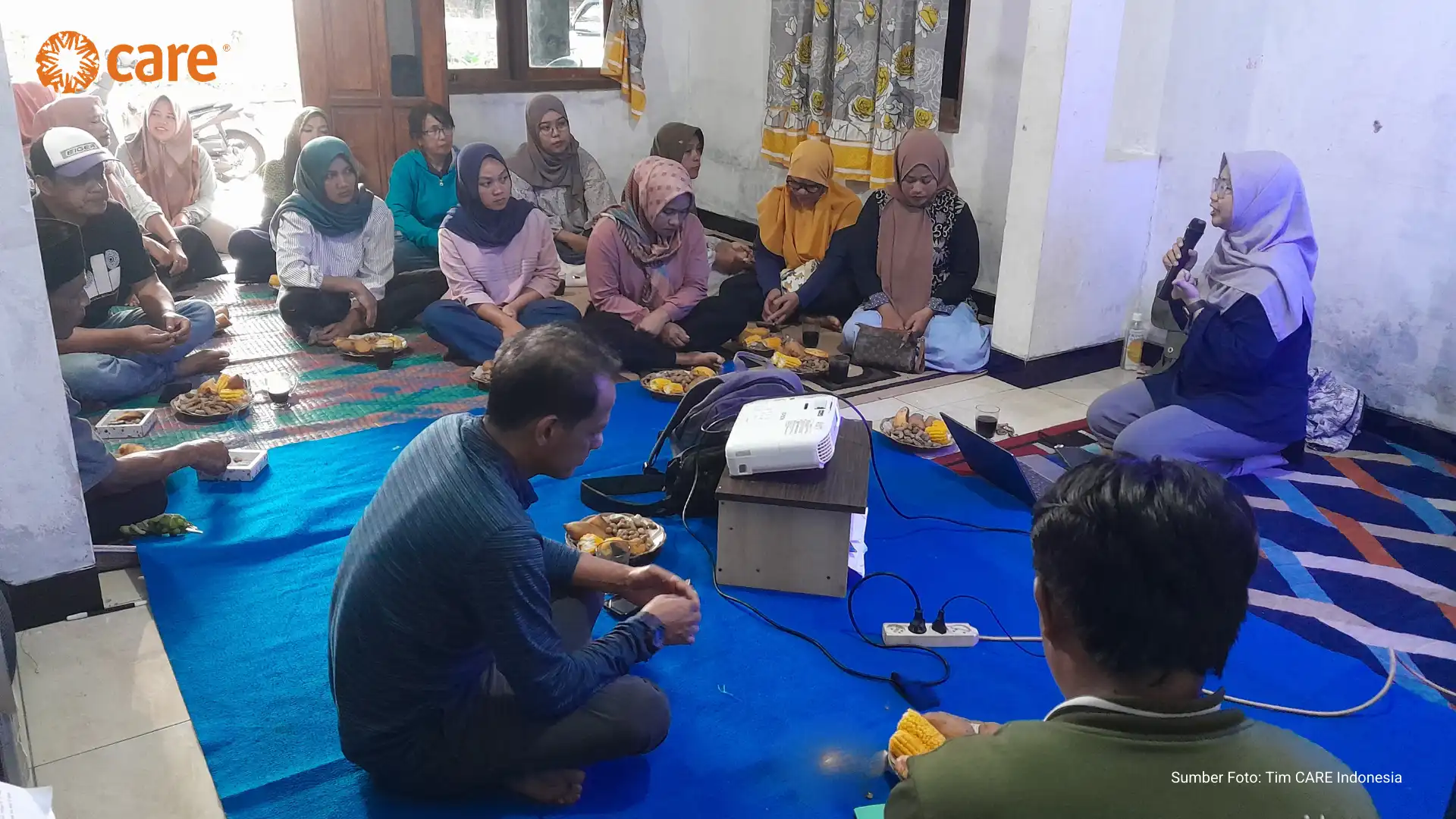
The Women-led Economic Business Group (KUEP) Sintuvu Mpasanggani Pombewe in Pombewe Village, Sigi District, established a KUEP Stall (25/09) to showcase and support its members’ businesses. With assistance from CARE Indonesia in collaboration with Karsa Institute, supported by UN Women and funded by the Korea International Cooperation Agency (KOICA), the KUEP Stall is expected to help increase the income of KUEP members.

Various products, including snacks and home-cooked meals, are offered at the KUEP Stall. Beyond serving as a platform for members’ businesses, the stall also serves as an educational space to promote awareness of gender equality within the community, particularly in shopping practices.

Climate Change Poses Challenges for Women Workers in Garment Factories

Stories

A 2024 study by the Global Labor Institute, Cornell University, reveals that climate change is driving rising temperatures and extreme heat. The study highlights that Bangladesh, Vietnam, and Pakistan have experienced scorching heat above 30.5 degrees Celsius, with a 42% increase in extreme heat days during 2020–2024 compared to 2005–2009. The International Labour Organization (ILO) reports that more than 2.4 billion workers worldwide are exposed to excessive heat, resulting in over 22.85 million cases of heat-related injuries each year, including fatigue, dehydration, fainting, and more.

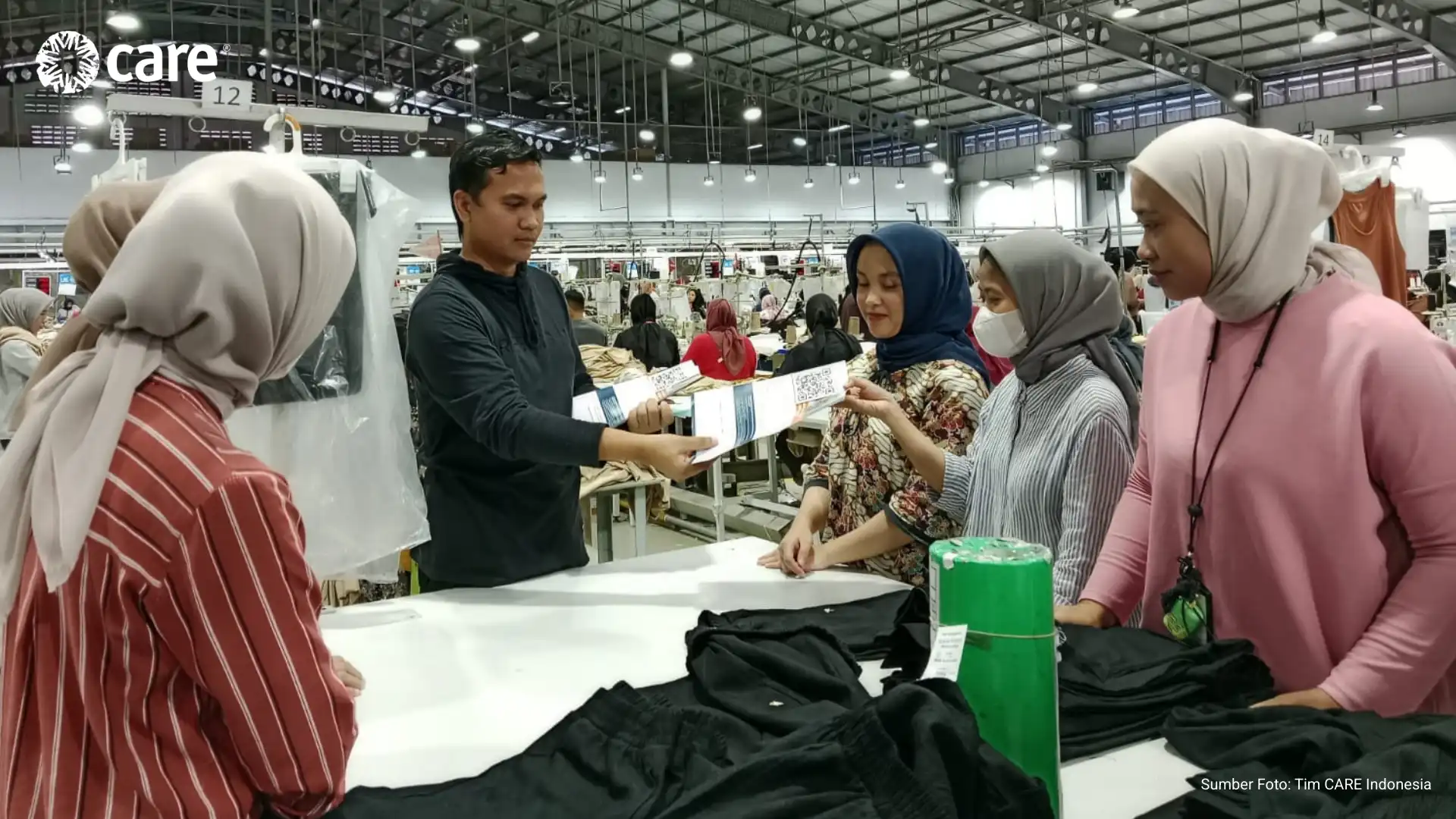
Similar conditions also loom over women workers in Indonesia’s garment factories. Recognizing these challenges, CARE Indonesia (Yayasan CARE Peduli/YCP), in collaboration with CARE USA and CARE Impact Partners (CIP), has developed the Gather, Exchange & Navigate (GEN) Network to bring together garment companies in Indonesia to discuss and collectively seek solutions to the impacts of climate change on women workers.

According to Yohana Tantria, Project Manager of CARE Indonesia, climate change has created challenges for women working in the garment industry, including extreme weather, floods, unpredictable rainfall, and water scarcity.

“The garment industry in Indonesia employs around 3.5 million people, the majority of whom are women about 80 percent. Therefore, adopting climate adaptation measures is essential to ensure safe spaces for women workers,” she explained.

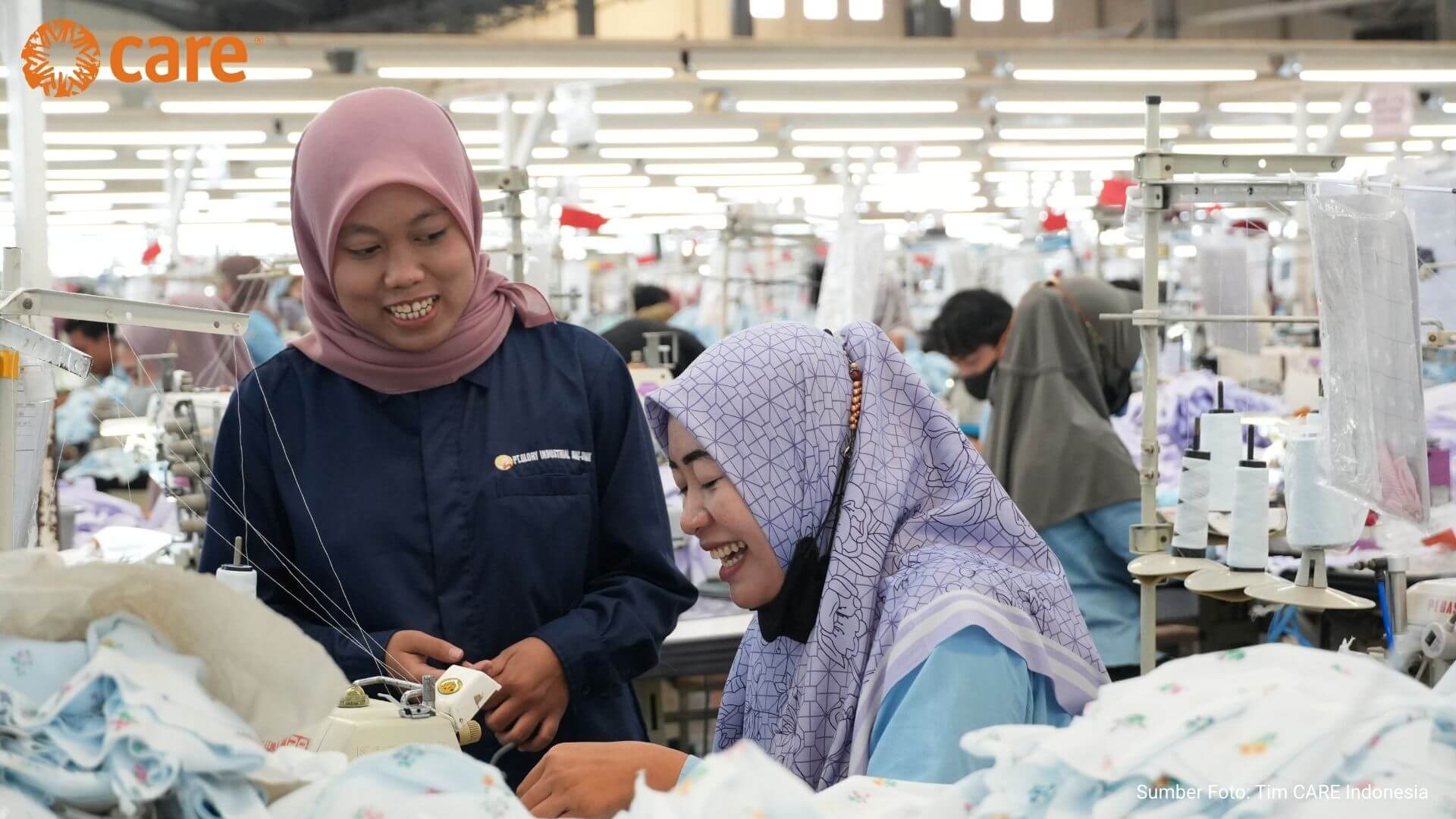
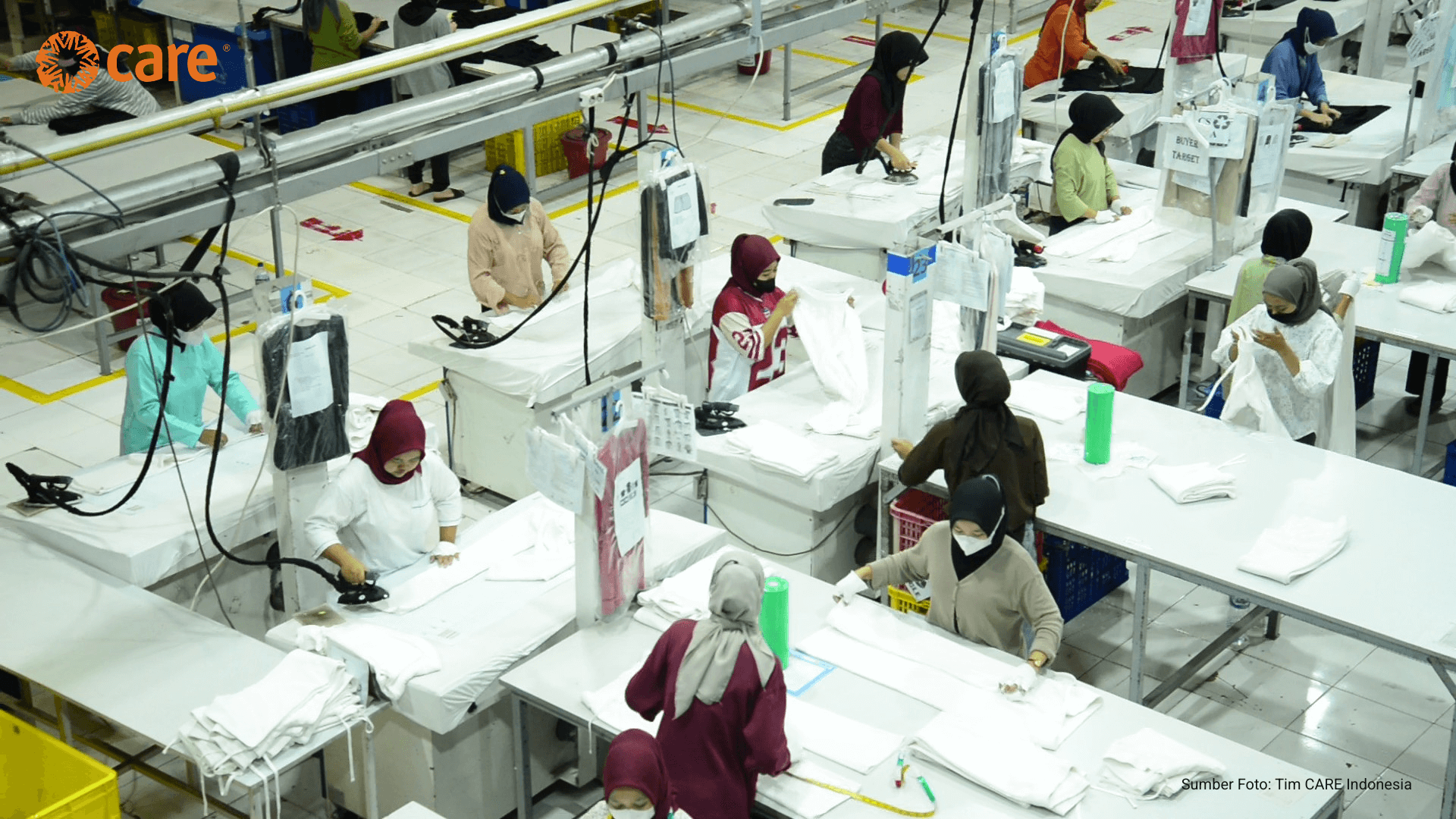
Yohana added that the nine GEN member companies attending the meeting identified extreme heat as the most pressing issue. In some production areas, temperatures frequently exceed 30 degrees Celsius, with reports of packing departments reaching as high as 38 degrees Celsius. For workers particularly those in sewing, finishing, and ironing this heat causes dizziness, headaches, fatigue, and nausea.

“These symptoms not only affect individual well-being but also reduce concentration, slow production, and increase absenteeism. When attendance and production targets are not met, layoffs can occur. For married women without economic independence, this heightens the risk of gender-based violence at home,” Yohana added.

She further explained that as part of climate adaptation steps for garment factory workers, the GEN Network is working to gradually improve ventilation, replace uniforms with cooler fabrics, issue hydration reminders, and provide free drinking water. According to Yohana, several companies have also introduced workplace protocols to address heat stress, supported by training for first aid teams and the establishment of emergency hotlines.

“Some companies have even introduced the initiative of assigning ‘water men’ workers tasked with distributing drinking water directly to each worker. This reduces the risk of dehydration and minimizes the time workers spend away from their stations, thereby improving productivity while fostering a culture of care for worker well-being,” she said.

To ensure the sustainability of these climate adaptation efforts, Yohana emphasized that CARE Indonesia and GEN Network member companies hold monthly discussions to review progress and address challenges. In August 2025, GEN Network member companies also organized workplace campaigns on climate change and the prevention of gender-based violence.

Writer: Kukuh A. Tohari
Editor: Swiny Adestika

Women-Led Economy Groups in Musi Banyuasin Applauded for Strengthening Families and Escaping Poverty

Stories

Women-led Economic Business Groups (KUEP) in Musi Banyuasin District have been recognized by the Poverty Alleviation Acceleration Agency (BP Taskin) for their role in strengthening women’s economic empowerment in villages. KUEP has been acknowledged as a model program for poverty alleviation that could be replicated in various regions across Indonesia.

Citing insight.kontan.co.id, the Government of Indonesia through BP Taskin has set a target to reduce the poverty rate from 9.03% in 2024 to 4.5%–5% by 2029. Empowerment is one of the key strategies to boost community livelihoods. CARE Indonesia (Yayasan CARE Peduli/YCP), in collaboration with PT Cargill and supported by the Musi Banyuasin District Government, has carried out empowerment initiatives to strengthen the economy of women including women farmers living around palm oil plantation areas. This includes mentoring and forming women- and community-based economic groups at the village level to help families increase their incomes, especially amid the challenges of palm oil plantation replanting cycles.

Novrizal Tahar, Deputy II Deputy for Accelerating Capacity Building and Access Provision, BP Taskin, emphasized that women’s economic empowerment, when carried out collectively, can lift communities into a higher economic class. He conveyed this during a visit to two KUEP groups in Cipta Praja Village and Tegal Mulyo Village, Keluang Subdistrict, Musi Banyuasin, on Saturday, September 20.

“The economic empowerment model implemented by KUEP is one pathway out of extreme poverty, as it fosters small enterprises run by its members. This concept is highly relevant and should be replicated in other regions,” said Novrizal.

In a discussion with members of the Perempuan Tangguh Peduli KUEP in Tegal Mulyo Village, Novrizal noted that the savings-and-loan scheme run by the group had proven to be an effective instrument in strengthening women’s economic resilience in the village. This success lies in the way members utilize interest-free loans from KUEP to expand and sustain their businesses.

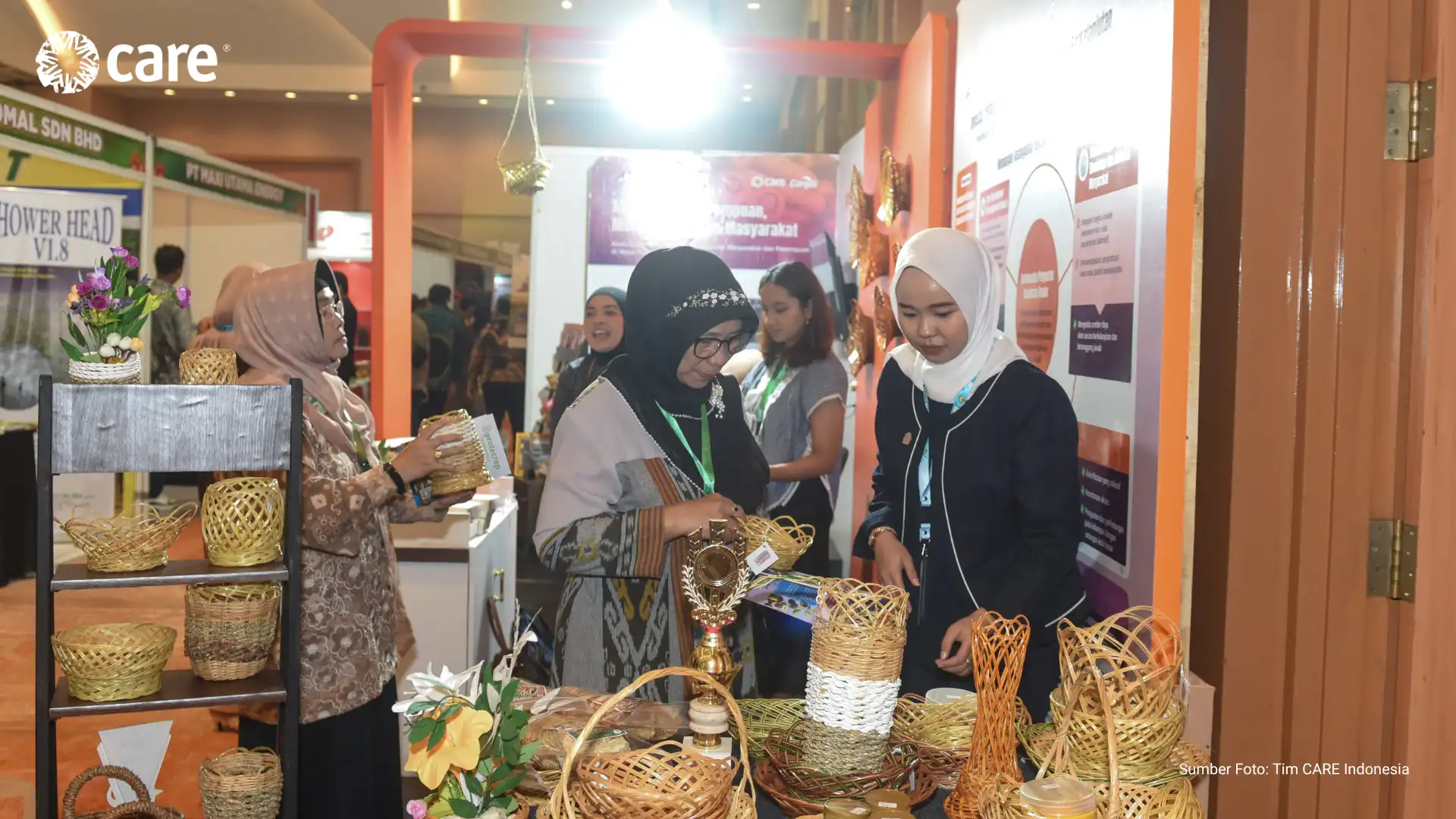
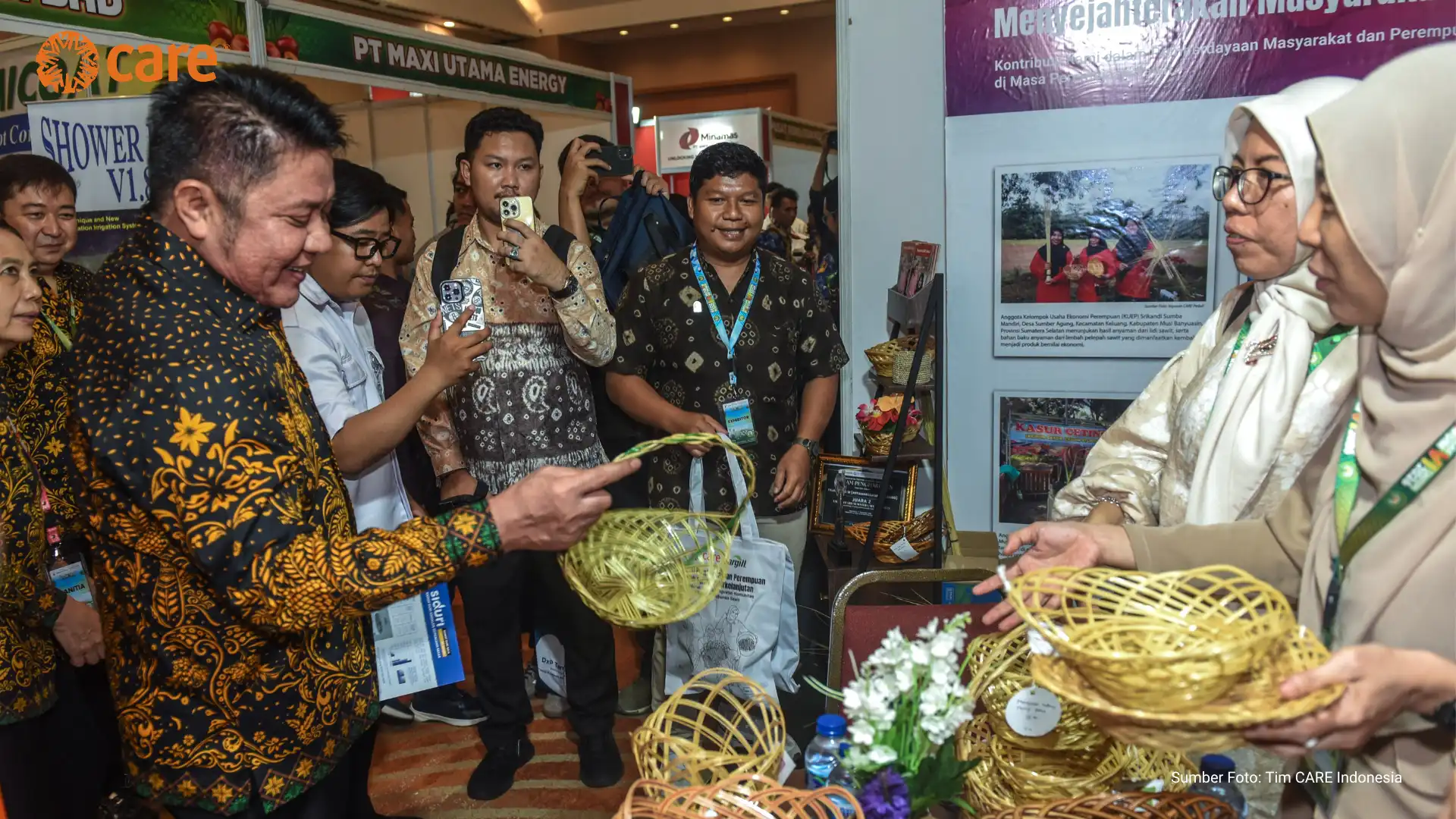
For example, the Perempuan Mandiri Sejahtera KUEP in Cipta Praja Village has developed a thriving business in palm frond weaving crafts. During his visit to the group’s secretariat, Novrizal highlighted that such enterprises not only provide additional income but also generate unique, diverse, and attractive products.

“The savings-and-loan activities managed by these women are remarkable. With only an initial capital injection of IDR 50 million, the revolving fund has grown to more than IDR 220 million within three years. Likewise, palm frond crafts have become an alternative source of income, and the products have even been listed in the regional government’s e-catalog,” explained Novrizal.

Scaling Up the KUEP Model

Beyond the field visits, Novrizal, together with CARE Indonesia’s CEO Dr. Abdul Wahib Situmorang, joined a discussion with six journalists on Sunday, September 21, at Roemah Demang in Palembang. The dialogue aimed to amplify the positive results of women’s economic empowerment through KUEP. Novrizal stressed that poverty alleviation cannot rely solely on social assistance in the form of cash transfers but must also be accompanied by sustainable empowerment efforts tailored to local contexts and potentials.

“We cannot continuously depend on government budgets alone. I have seen firsthand how PT Cargill’s CSR program has created tangible and sustainable impact. This is a best practice worth adopting as a national role model,” he told journalists.

Dr. Abdul Wahib Situmorang highlighted that KUEP has successfully elevated household economies with women as the central actors. In Musi Banyuasin, there are currently 13 KUEPs running small-scale businesses ranging from palm frond crafts, grocery shops, and culinary ventures to online-based enterprises.

“Through KUEP, women are given space to self-organize, access interest-free business capital, and learn how to manage savings, loans, and financial records. As a result, members are now able to earn an average income of IDR 8.84 million from various business activities,” he explained.

Furthermore, Abdul encouraged private sector actors to actively participate in women’s economic empowerment through sustainable CSR programs.

“We are ready to share our experiences and program designs so that others don’t need to start from scratch. What’s needed is the will and openness from businesses in other regions. In South Sumatra, we have already engaged with several business actors by sharing lessons from Musi Banyuasin’s KUEP programs. We hope such collaborations will strengthen community livelihoods and help eradicate poverty,” he concluded.

Writer: Kukuh Akhfad
Editor: Swiny Adestika
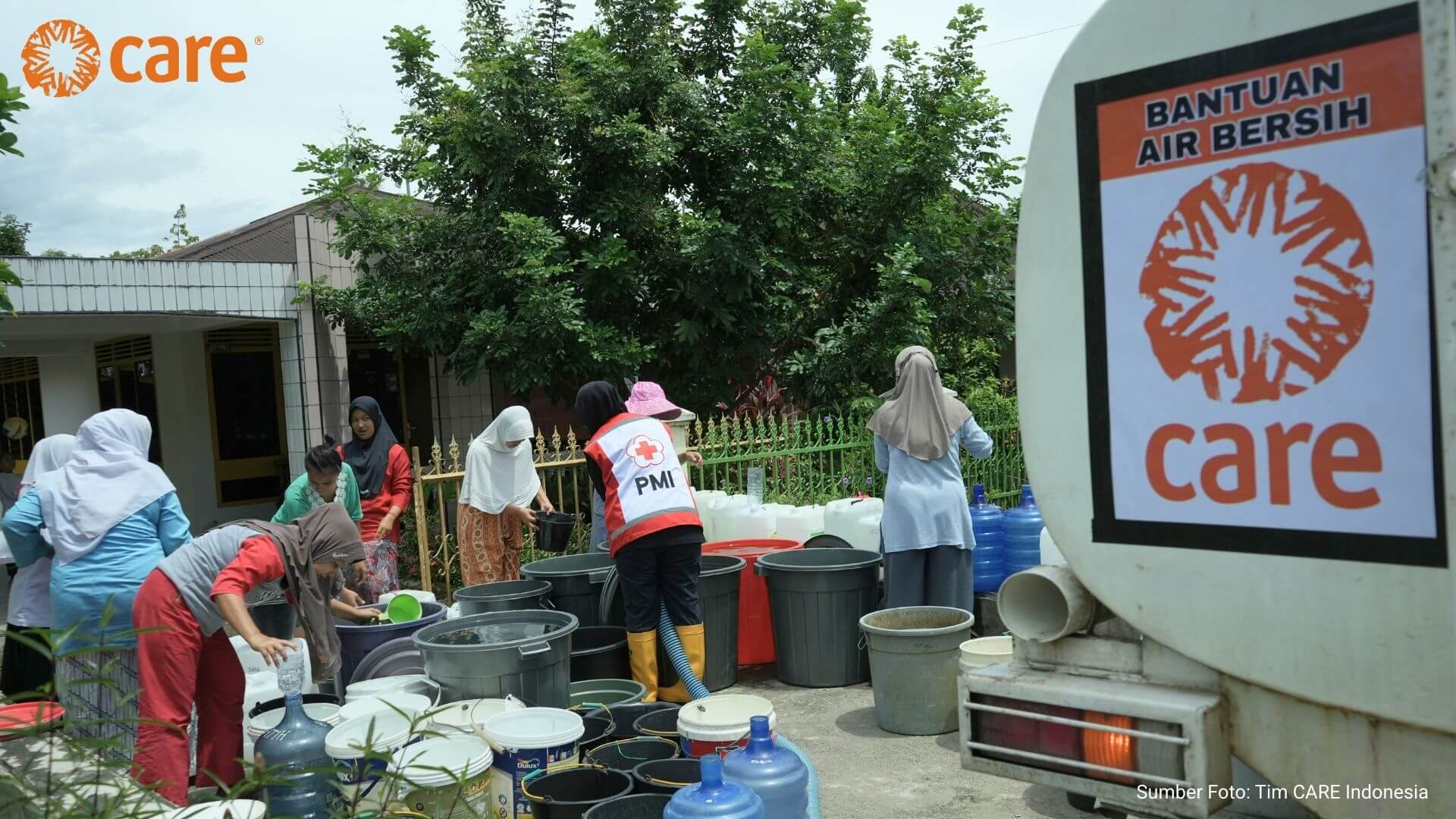
Women-led Economic Groups (KUEP) Received Appreciation from BP Taskin for Driving Extreme Poverty Alleviation

Gallery

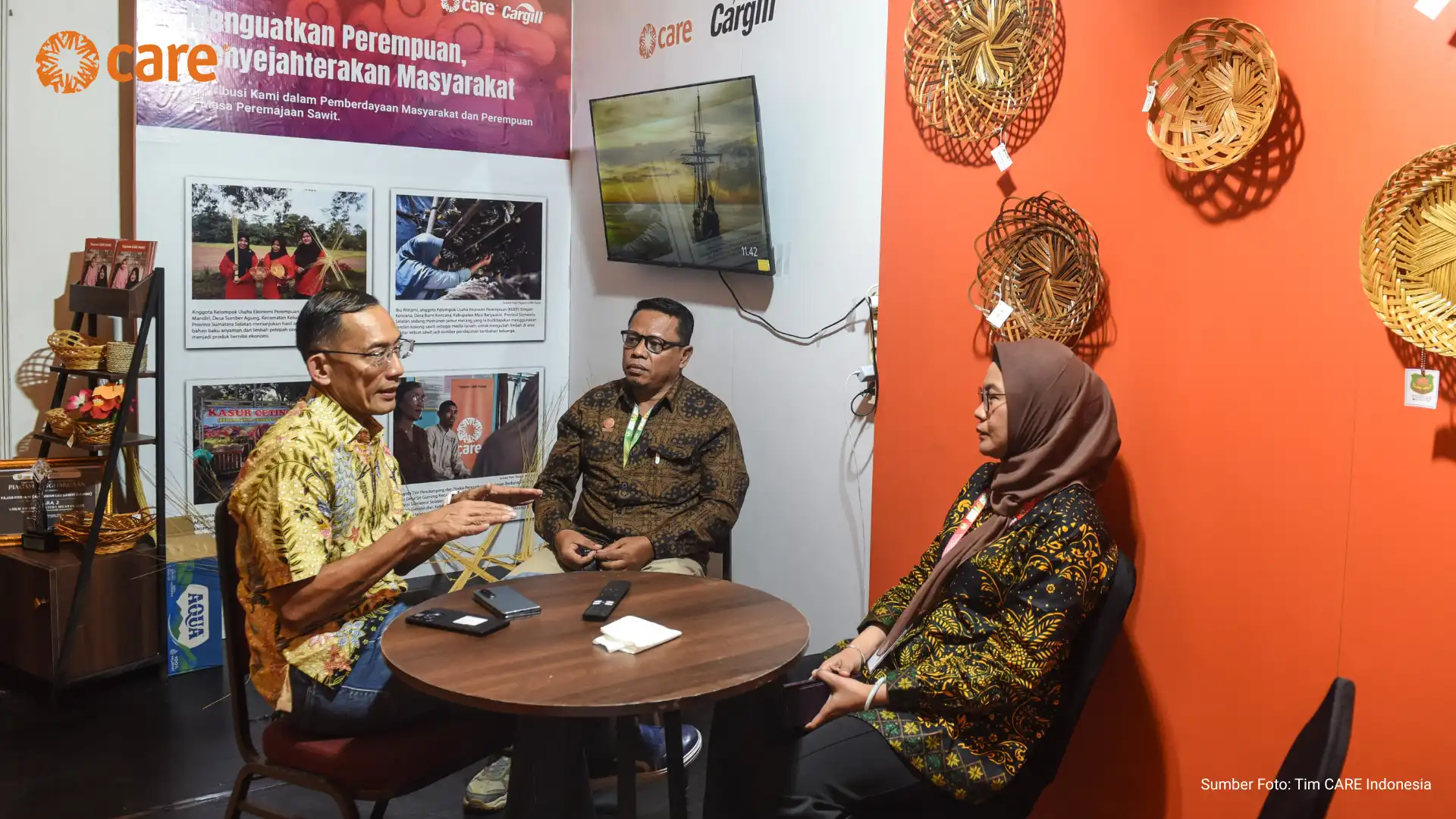
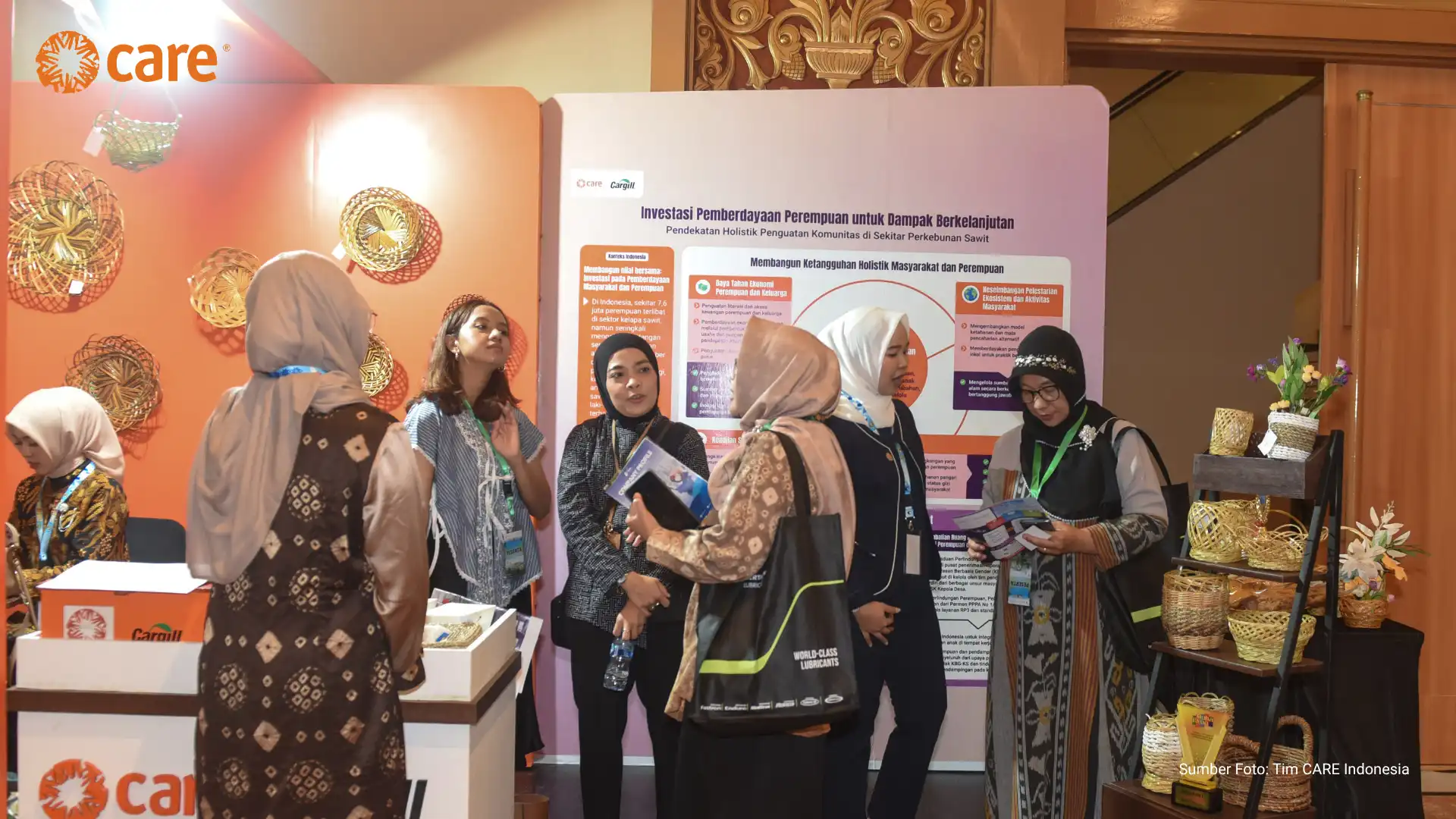
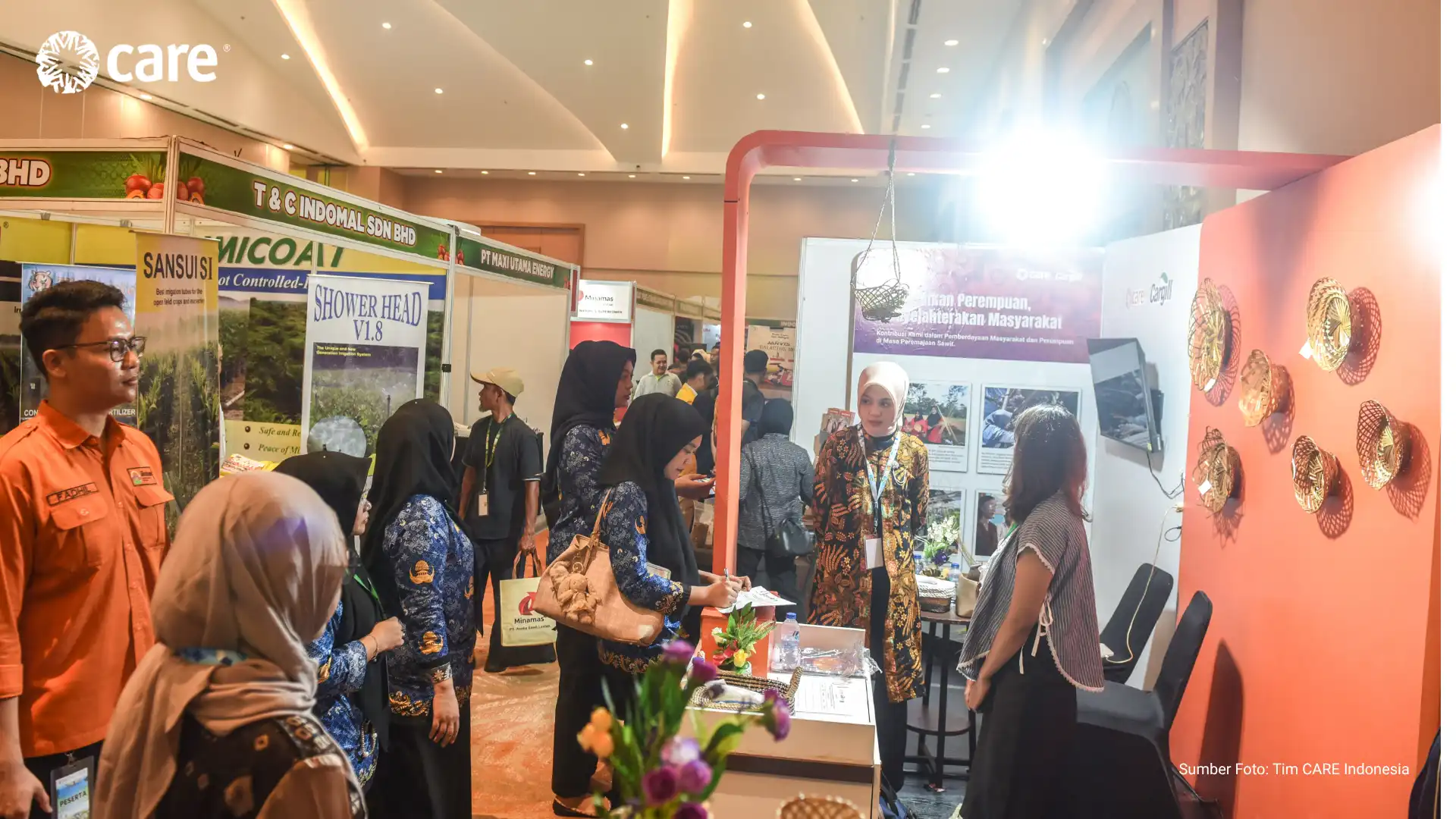
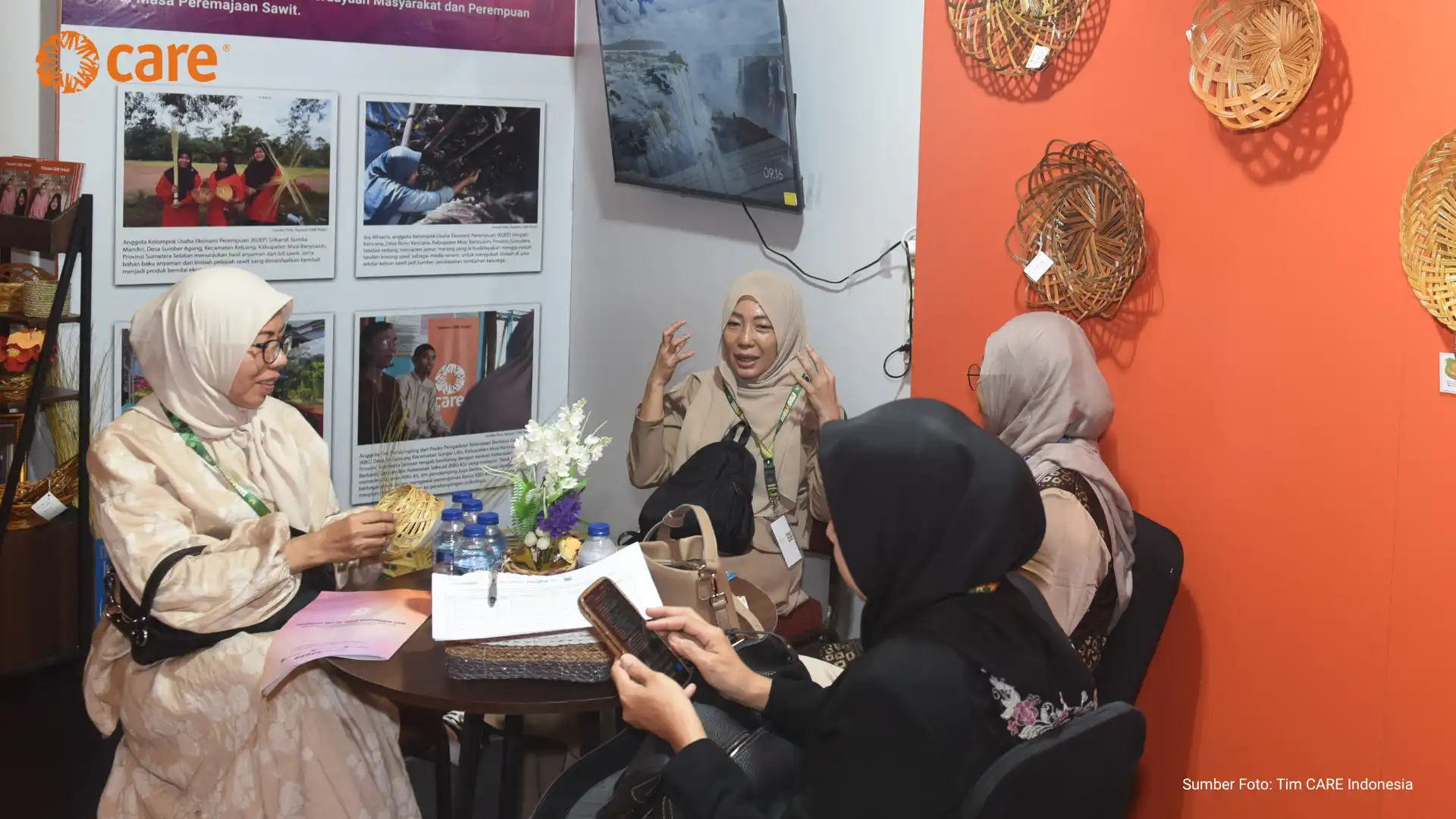
Women-led Economic Groups (Kelompok Usaha Ekonomi Perempuan/KUEP) in Tegal Mulyo Village and Cipta Praja Village, which are part of the collaborative program of PT Cargill, CARE Indonesia, and the Musi Banyuasin District Government (MUBA), received recognition from Novrizal Tahar, Deputy for Accelerating Capacity Building and Access Provision at BP Taskin, during his visit to the villages on Saturday, September 20. The appreciation was given for KUEP’s savings and loan initiatives and the products they have developed, which have successfully increased household income for members while also helping rural communities move out of the extreme poverty category.

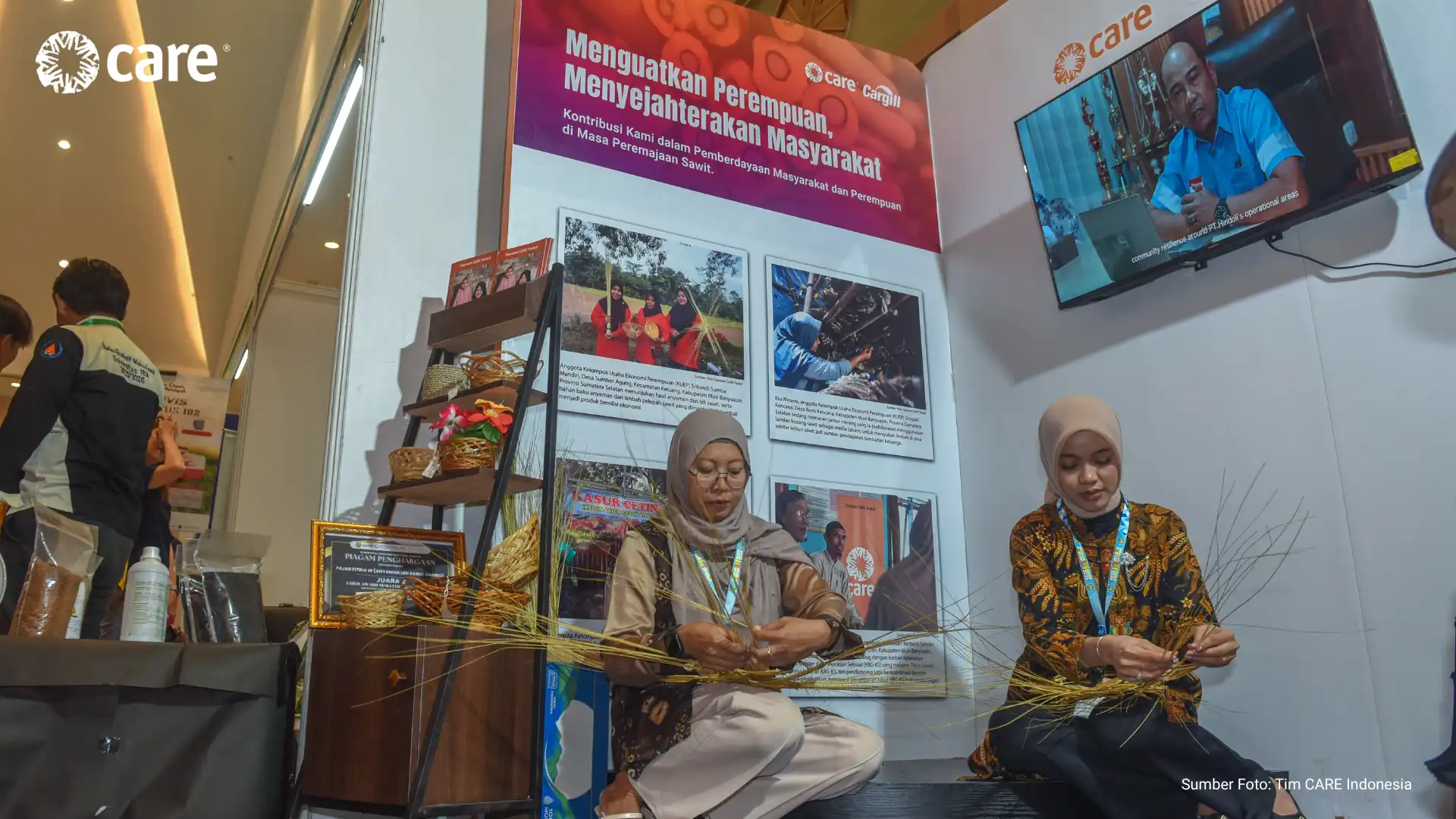
KUEP has produced a wide variety of products, one of which is handicrafts made from palm fronds, such as plates, baskets, bowls, mirror frames, and more some of which have been successfully marketed as far as Lampung. In addition, KUEP’s financial management of savings-and-loan activities was praised for its well documented and orderly record-keeping. Further appreciation was also expressed during discussions with national and local media in Palembang on Sunday, September 21. According to Novrizal, the women’s economic empowerment model implemented by KUEP could serve as one of the solutions to poverty alleviation.

“The economic empowerment model applied through KUEP offers a viable pathway out of the extreme poverty category by encouraging members to initiate and grow their own businesses. This makes it a very effective concept to replicate in other regions. BP Taskin will encourage other business actors in Indonesia to adopt the KUEP model in channeling their CSR programs, so that these efforts go beyond mere charity,” said Novrizal Tahar, Deputy for Accelerating Capacity Building and Access Provision, BP Taskin.