Women tea pluckers not only work in tea plantations but also carry significant responsibilities in managing their households and caring for their families. This double burden often limits their access to additional economic opportunities and reduces the time and space available for personal development and capacity building.
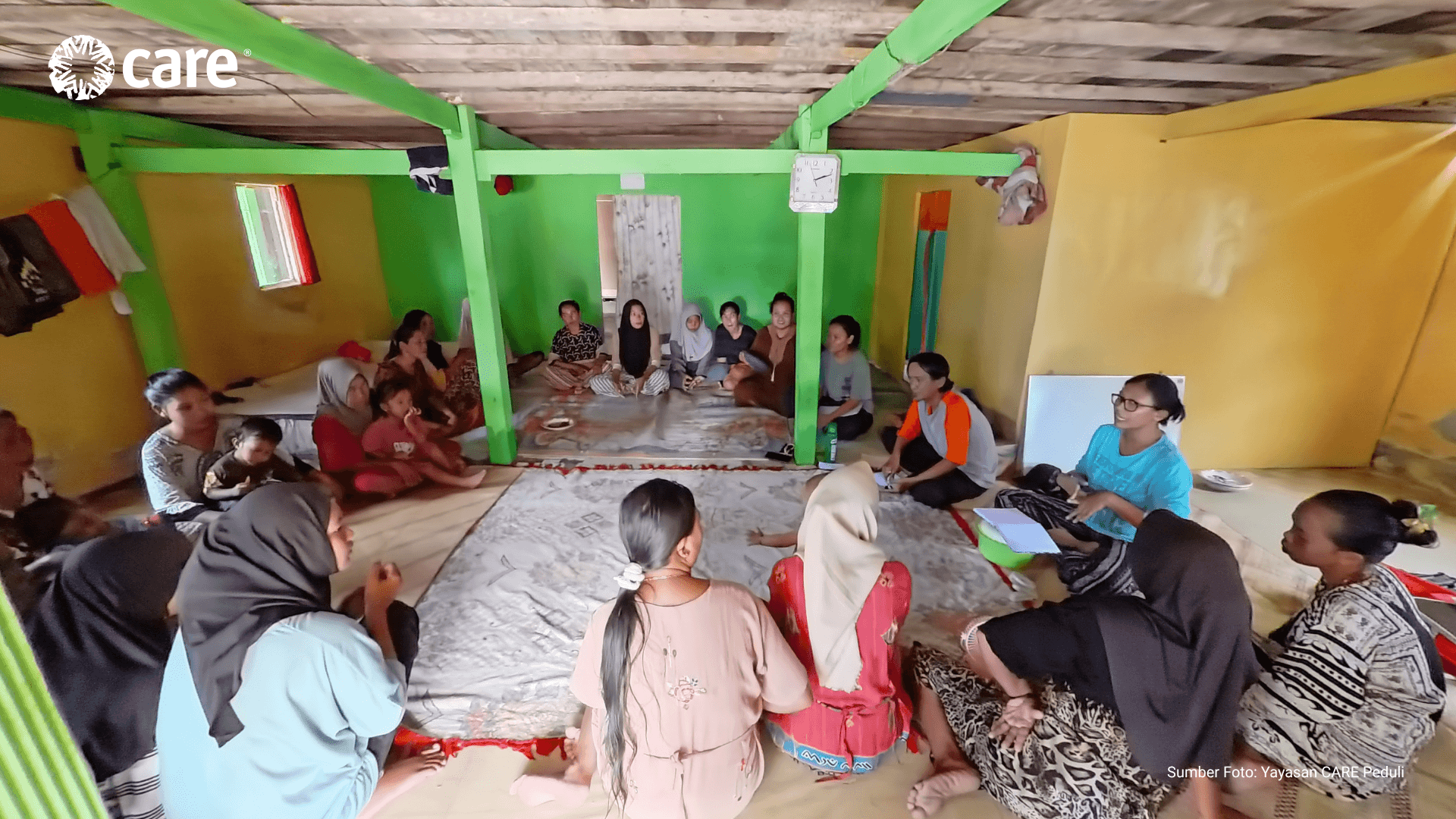
To address these challenges, Community Development Forums (CDF) were established as collaborative platforms that strengthen multi-stakeholder engagement and expand opportunities for local communities, including women tea workers, across three villages located in three tea plantation areas in Bandung District. The initiative is a joint effort between CARE Indonesia and its partners.
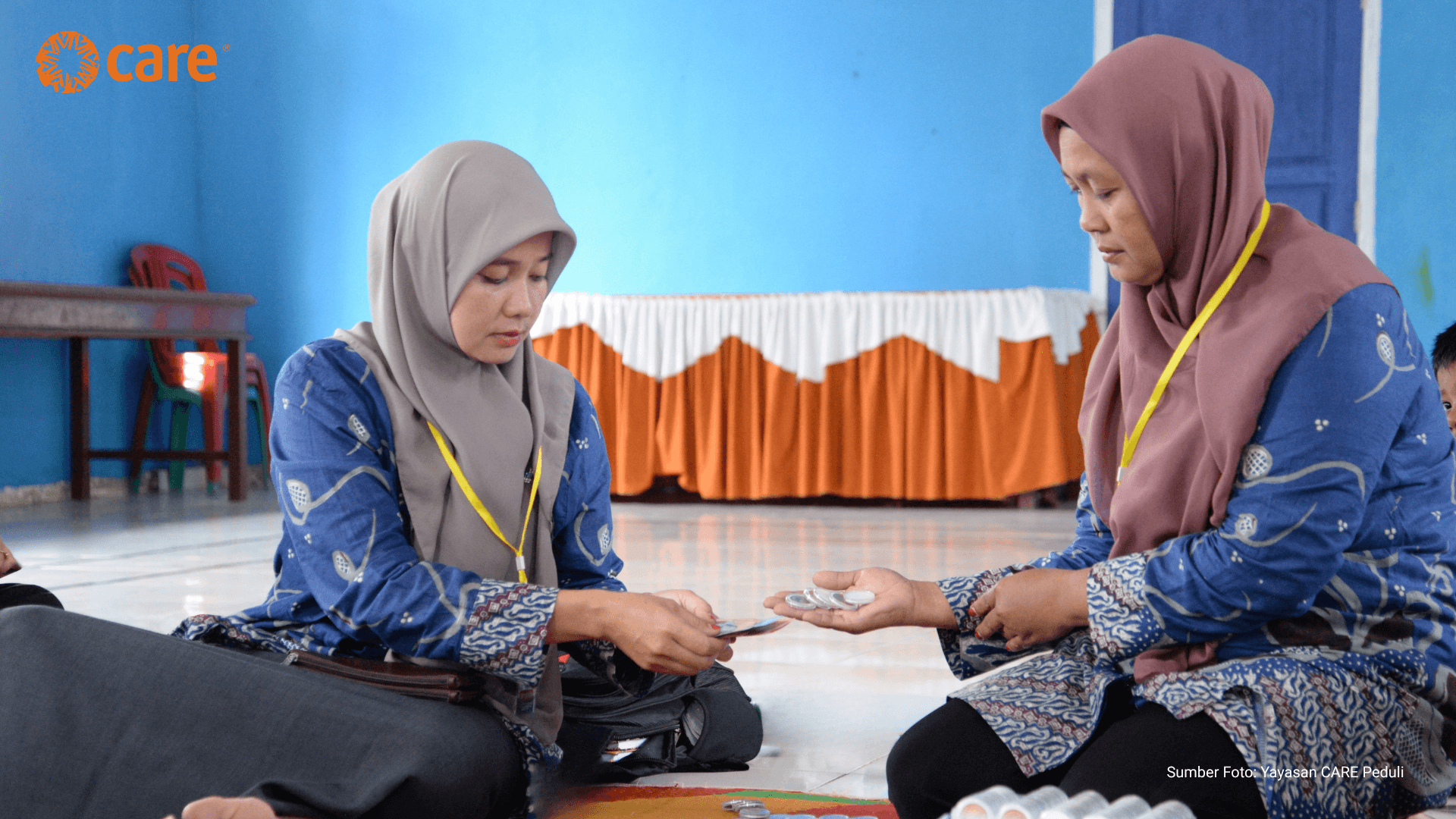
Agus Tri Wahyuono, Sustainable Agriculture Portfolio Manager at CARE Indonesia, explained that the three forums bring together companies, village governments, and community members including women and women workers to collaboratively foster empowered and inclusive workplaces and communities. One of the key areas promoted through the CDFs is community economic empowerment, including women’s economic empowerment, through the establishment of Joint Business Groups (Kelompok Usaha Bersama/KUBe). Members of these groups, consisting of local community members and women workers, receive training and support to collectively develop micro-enterprises based on local needs and available resources.
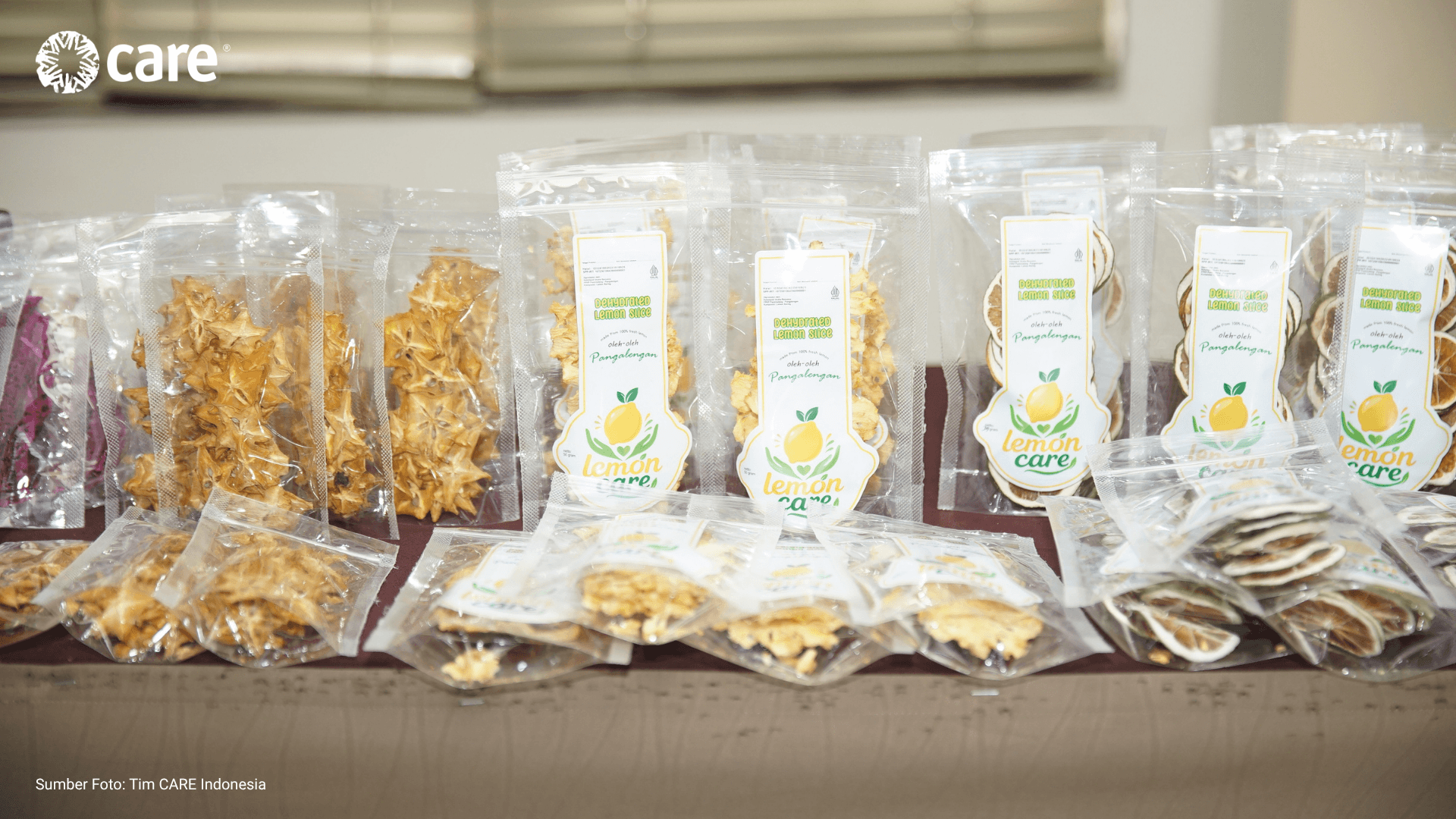
Mustari Siti, Coordinator of the Lemon KUBe, shared that her group is currently developing a dried lemon processing business. The initiative was chosen because lemons are abundant in Margaluyu Village. Through this enterprise, she and other group members are able to generate additional income to support their families.
“Since joining KUBe, I have earned additional income that helps meet my family’s needs and allows me to save money. Beyond generating income from product sales, KUBe has also become a space for learning. We have gained knowledge about production processes, business management, group financial management, and product marketing,” she said.
Mustari added that her group has also diversified into other businesses, including coffee, mushrooms, and products made from fruits and vegetables. These ventures provide opportunities for members, most of whom are women to increase their household income while developing new skills that support the sustainability of their businesses.
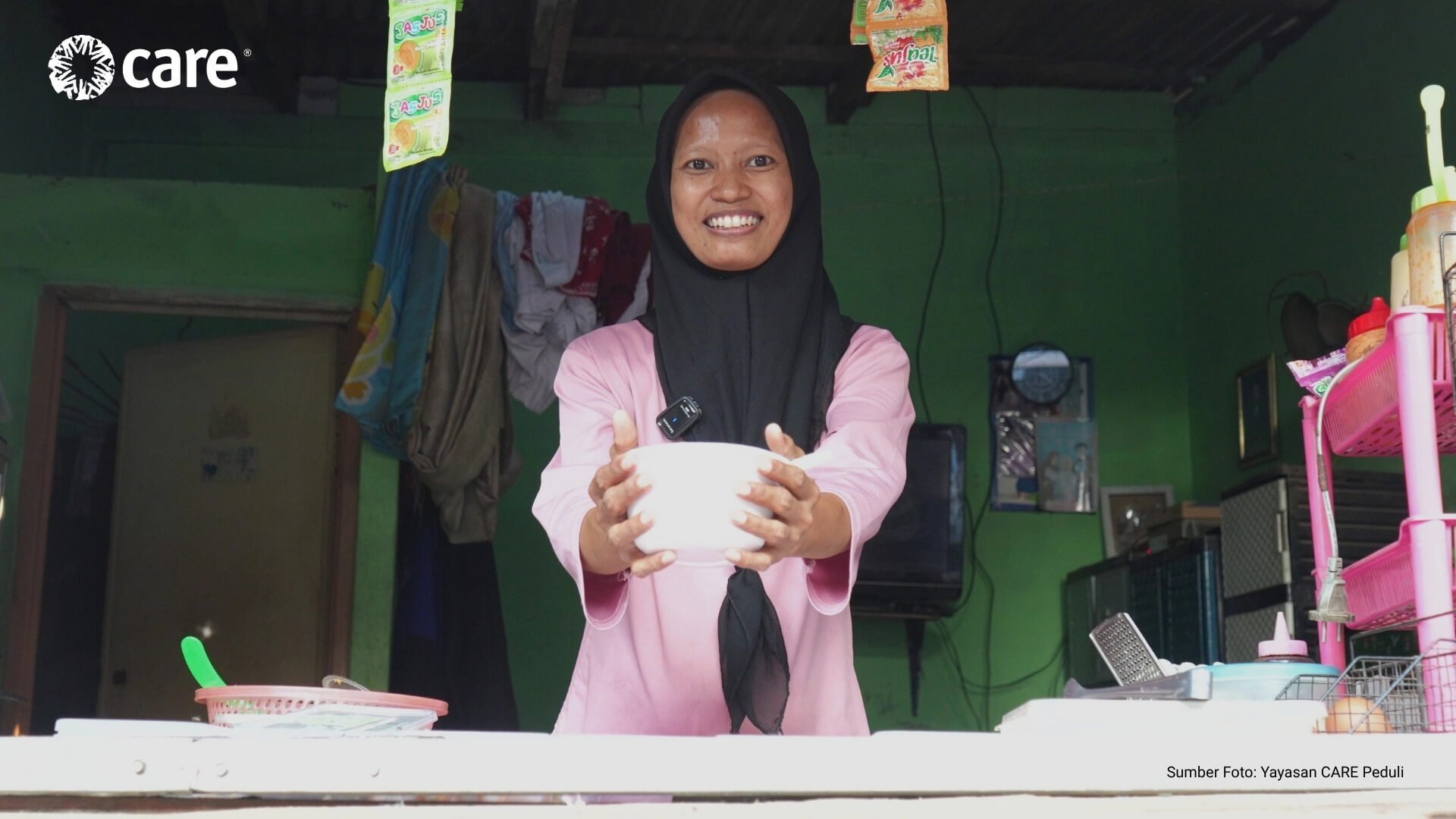
Economic empowerment initiatives have also been implemented in the Malabar tea plantation area. Members of the local CDF established the KUBe Warung Teh, which serves a variety of local foods and tea beverages produced from the plantation while also providing a marketplace for products made by other community enterprises, such as chips and snacks. The tea stall is designed to attract both local residents and tourists visiting the plantation area.
According to Hani, Chairperson of the Tea Stall KUBe, the collective business has created opportunities for women to learn how to manage a business together. She and her group recognized the tourism potential of the Pangalengan tea plantation area and saw an opportunity to establish a food and beverage venue where visitors could rest while enjoying the scenic tea plantation landscape.
“We started from scratch with support from CARE. We learned how to manage finances, oversee daily operations, serve customers, record income and expenditures, and develop the menu. We also learned how to identify and respond to business opportunities,” she explained.
Hani noted that, beyond generating additional income, the Tea Stall KUBe has strengthened relationships among its members. Through regular meetings and joint activities, women have gained a space to exchange experiences and discuss challenges they face.
“We are pleased to see the business growing successfully. As of May 2026, the Tea Stall KUBe had generated approximately IDR 75 million in revenue. This achievement is the result of our collective hard work, and we hope the business will continue to grow in the future,” she added.
The impact of KUBe extends beyond the Malabar and Pasir Malang plantation areas. Agus explained that in the Nagara Kanaan plantation area, a KUBe supported by CARE Indonesia and its partners operates a small-scale community store that sells essential goods such as LPG cylinders and fertilizer. The business was developed in response to the needs of residents living within the plantation community.
“Although each KUBe operates a different type of business, they all share the same goal: strengthening women’s economic independence and creating greater opportunities for women to participate in community life,” Agus explained.
He further noted that available data show that participants have benefited not only economically but also personally. Women workers involved in the CDFs and KUBe groups have become more confident through their participation in group activities. They are increasingly comfortable expressing their opinions, engaging in discussions, taking leadership roles in business management, and even providing input to plantation management.
“Through KUBe, women in tea plantation communities are not only building businesses; they are also building confidence, knowledge, and support networks that will serve as important foundations for the long-term resilience of their communities,” Agus concluded.
The empowerment of communities, including women through the multi-stakeholder collaboration fostered by the CDFs demonstrates that economic empowerment is about more than increasing income. When women have access to training, mentoring, and opportunities to collectively manage businesses, they also gain space to strengthen their capacities and expand their roles within their communities.
Author: Kukuh Akhfad
Editor: Swiny Adestika