
Stunting remains one of Indonesia’s major human development challenges. However, one of its root causes begins long before a woman becomes pregnant, when girls are married at an early age. According to UNICEF, around 16 percent of Indonesian women aged 20–24 were married before the age of 18. Meanwhile, approximately 23 percent of children under five in Indonesia are affected by stunting, indicating that many children are not growing and developing in line with their age.
Indonesia’s Minister of Health Regulation No. 97 of 2014 identifies adolescent pregnancy as one of the risk factors for stunting. Pregnancy before the age of 20 increases the likelihood of delivering babies with low birth weight (LBW), which is a significant contributing factor to stunting.
Awalia Murtiana, Project Manager at CARE Indonesia, explained that efforts to prevent stunting must begin long before a girl becomes a mother. This approach recognizes that child marriage is not solely an individual decision but is also influenced by social norms, household economic conditions, and the environment in which girls grow up.
“When girls have the opportunity to complete their education, understand their sexual and reproductive health, and make decisions about their own future, they are better prepared for marriage and pregnancy. This not only protects girls’ rights but also represents an investment in raising a healthier generation,” she said.
Awalia also emphasized that reducing stunting requires a comprehensive approach. While improving nutrition remains essential, it must go hand in hand with protecting children’s rights, expanding access to education, promoting gender equality, and preventing child marriage.
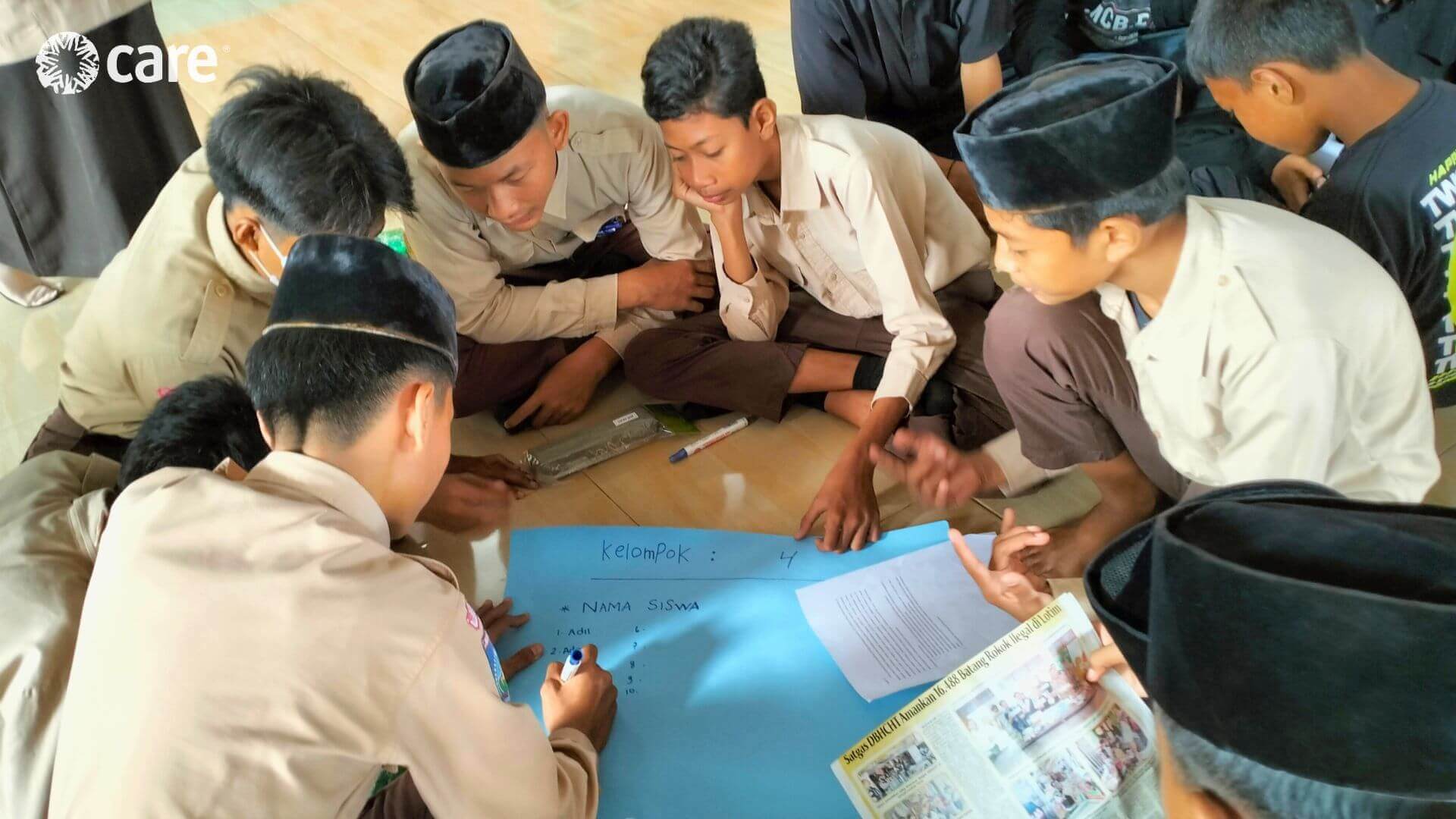
“Through CARE Indonesia’s stunting reduction programme, adolescents are actively engaged in learning about sexual and reproductive health and gender equality. To date, around 236 adolescents in Maluk Sub-distric
t, West Sumbawa District, have participated in Youth Classes as part of the programme,” she explained.
According to Awalia, adolescents are not merely recipients of information but also play an active role in sharing knowledge with their peers through various community forums.
“Young people facilitate discussions on health, gender equality, and leadership with other adolescents. We use a peer-to-peer approach so that participants feel they are learning and exchanging ideas with their peers, rather than being lectured,” she added.
Awalia further explained that adolescent pregnancy carries higher health risks because a young woman’s body has not yet fully matured. This increases the likelihood of anemia, low birth weight, and impaired child growth, all of which contribute to the risk of stunting.
“Preventing stunting requires more than nutrition interventions. It also means preventing child marriage and ensuring that adolescents have access to education and sexual and reproductive health information and services. Through community-based training and dialogue, CARE Indonesia also works to shift perceptions about girls. Rather than being expected to marry early, girls should be recognized as individuals with the right to learn, grow, and make decisions about their own future,” Awalia concluded.
Author: Kukuh Akhfad
Editor: Swiny Adestika
