Search
Close this search box.

CARE Response Sumatera Bangkit: Restoring Access to Clean Water and Essential Needs for Survivors in Aceh and West Sumatra

Stories

Hydrometeorological disasters, including flash floods, landslides, and riverbank erosion, struck the provinces of Aceh, North Sumatra, and West Sumatra in late November 2025. Rapid Needs Assessments and Gender Assessments conducted by CARE Indonesia in December 2025 revealed that 76 percent of communities in Aceh Tamiang experienced limited access to clean water as well as shortages of daily necessities such as hygiene supplies, household items, food, sanitation materials, and women’s hygiene products, including sanitary pads. The lack of clean water was largely caused by wells being filled with mud during the floods. Indonesia’s National Disaster Management Agency (BNPB) reported that, as of Friday (27/2), approximately 270,779 houses in Aceh and West Sumatra were damaged, affecting families’ personal belongings and essential household assets.

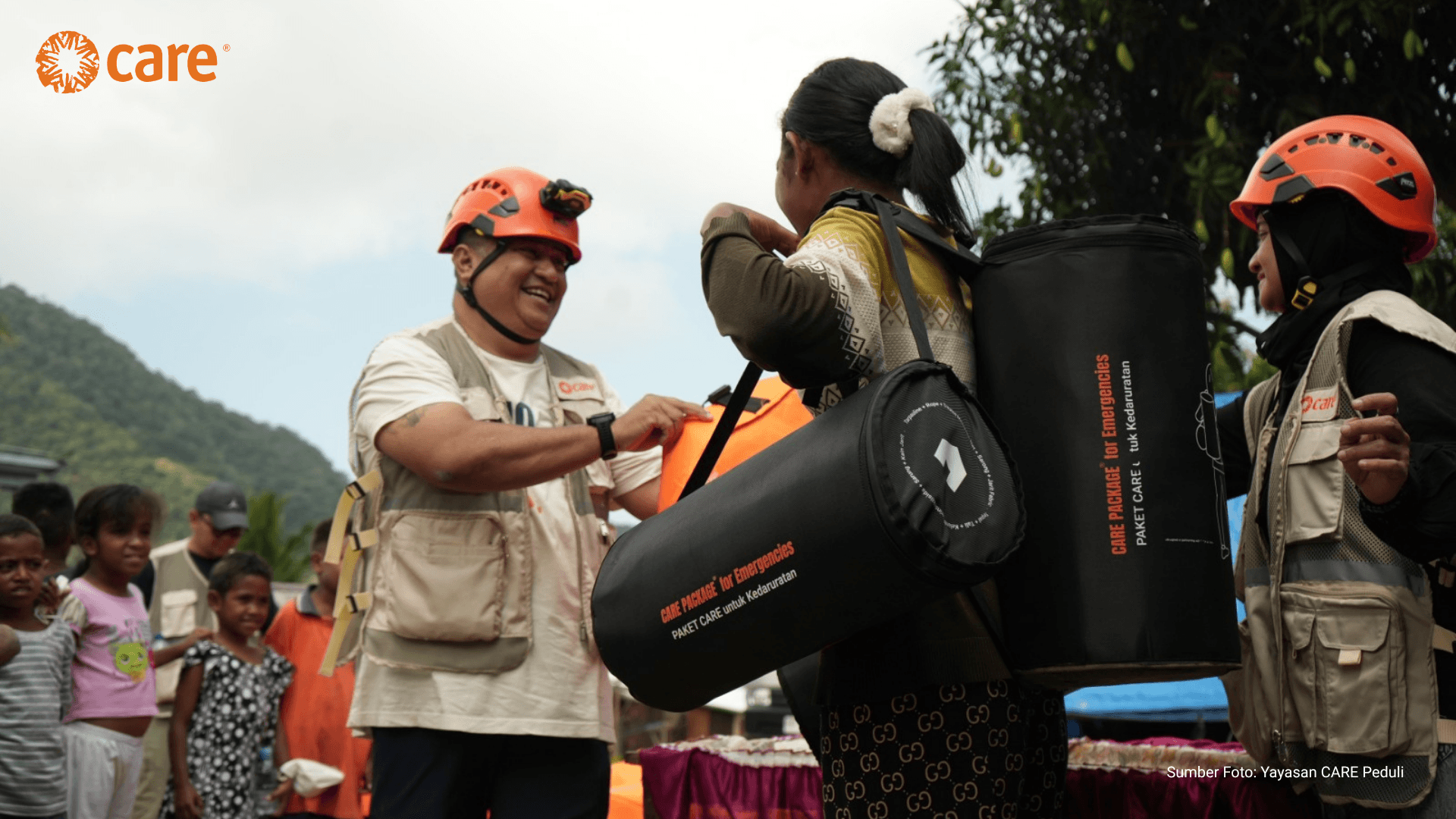
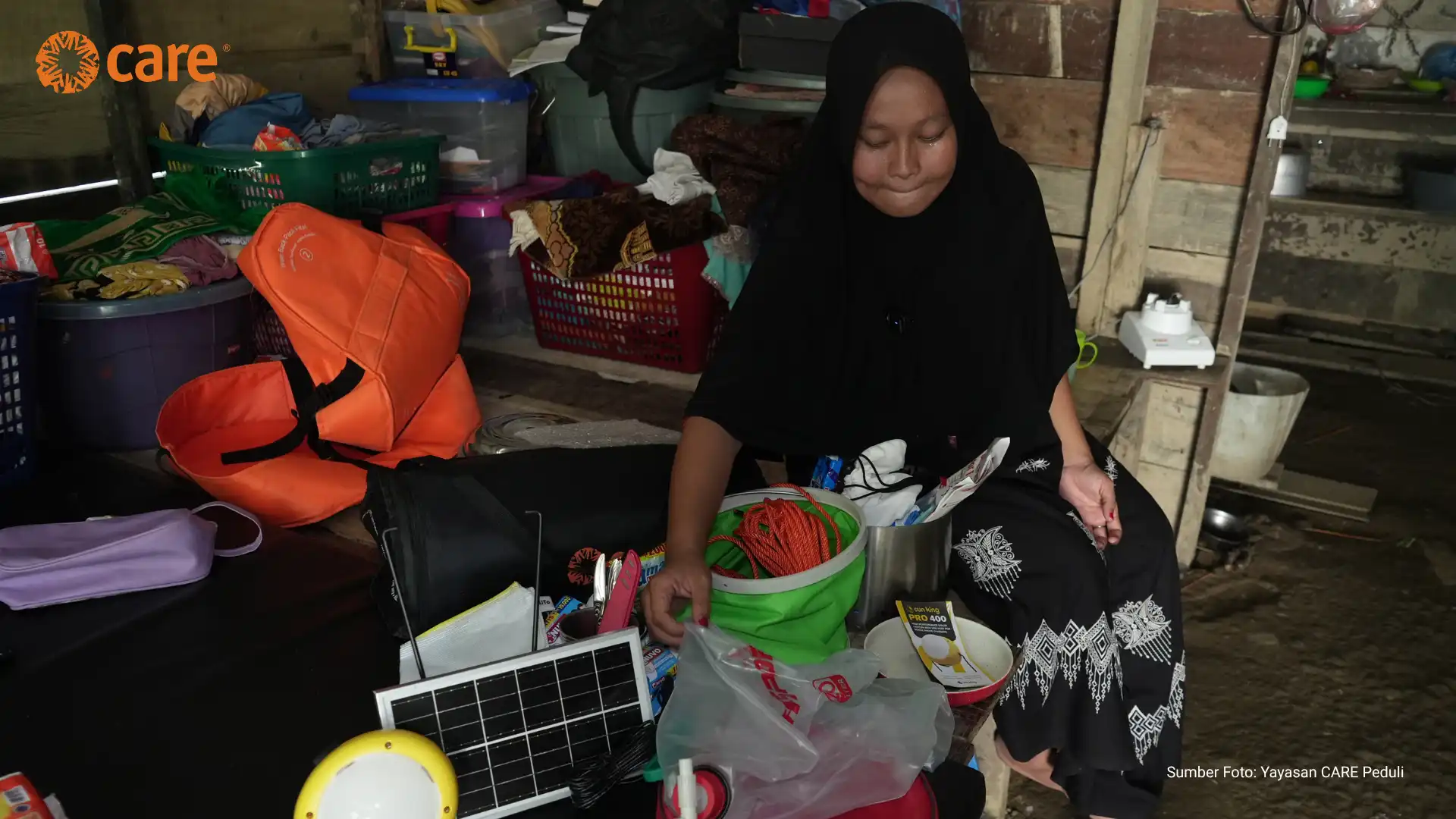
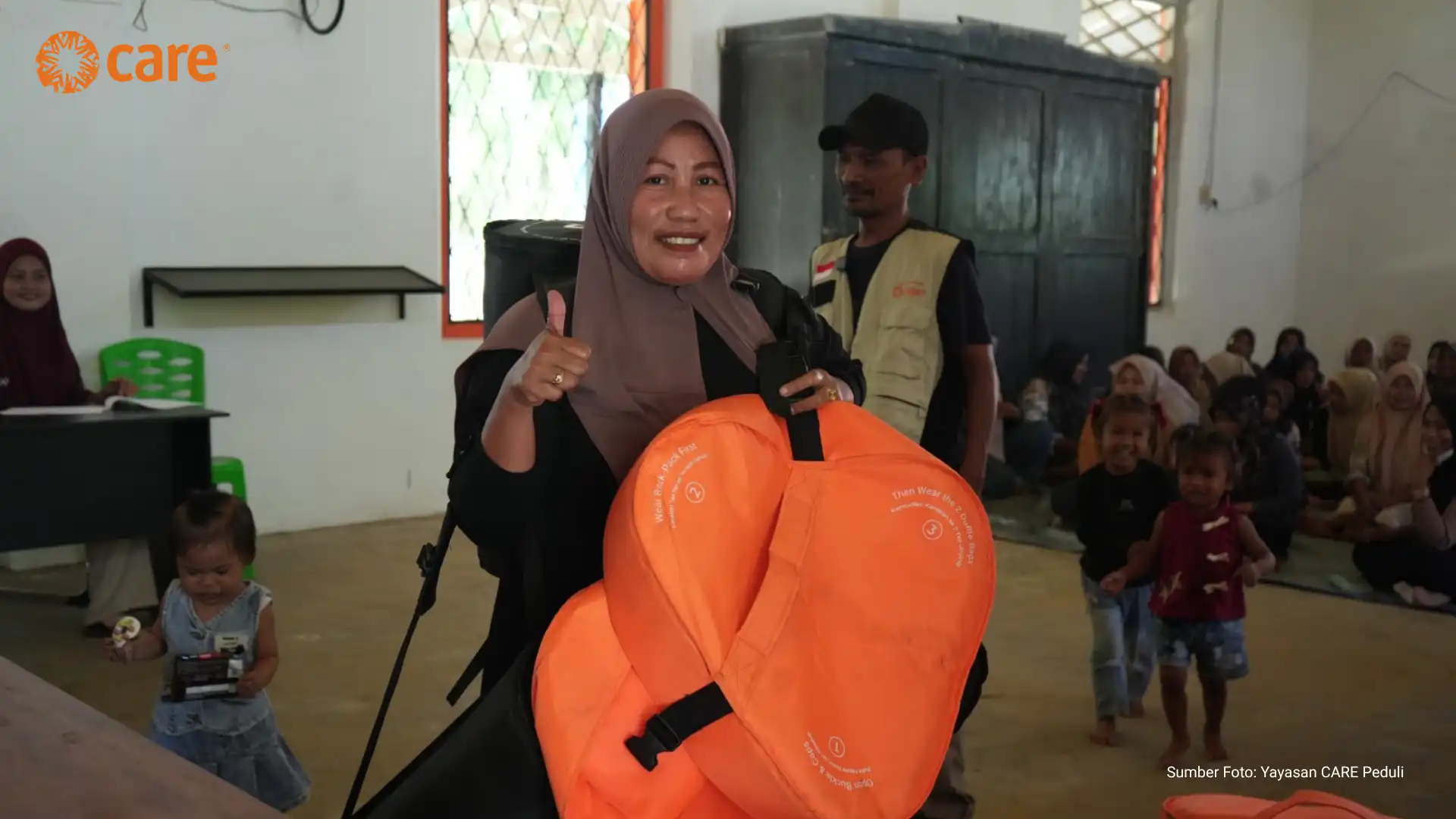
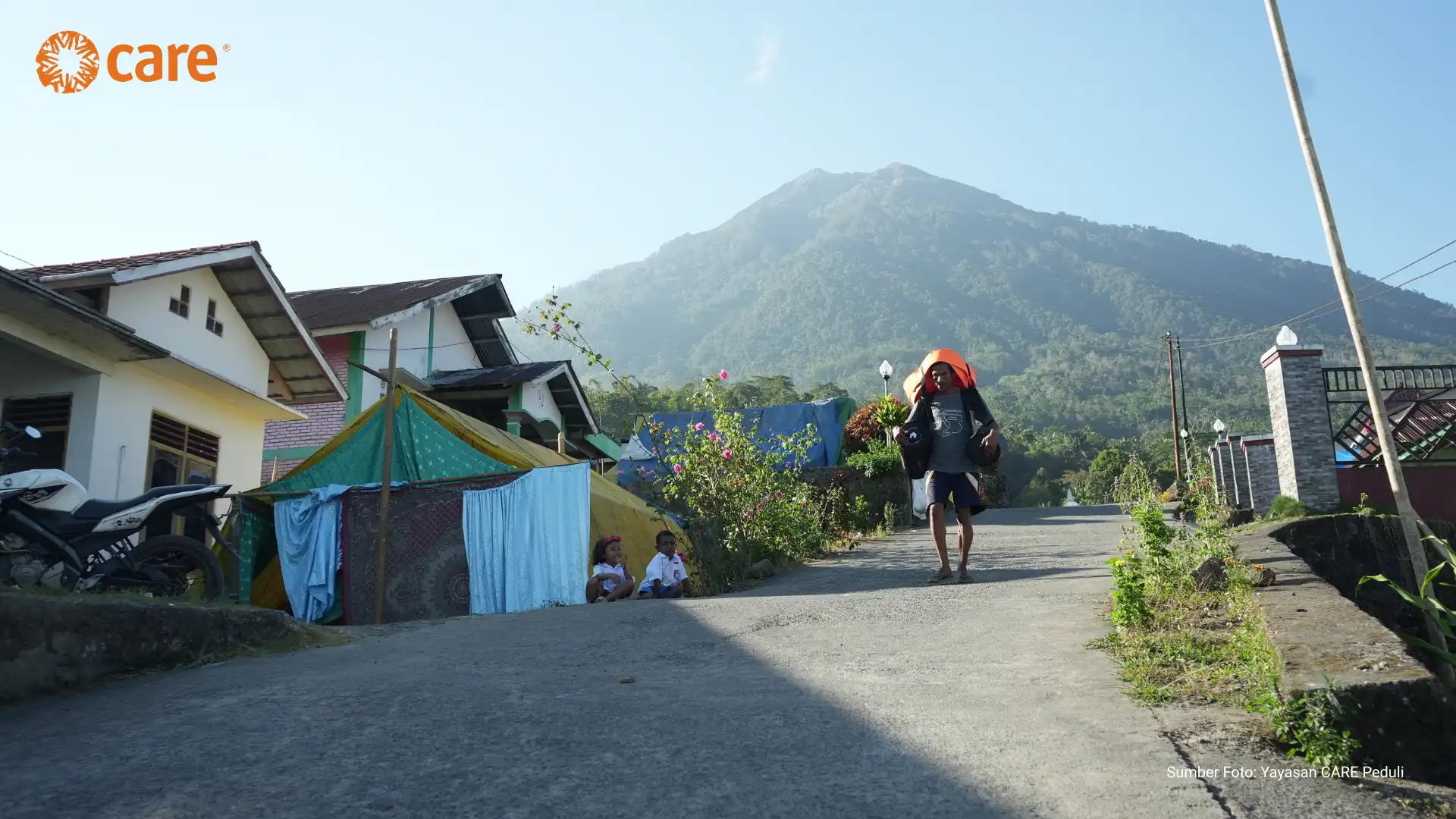
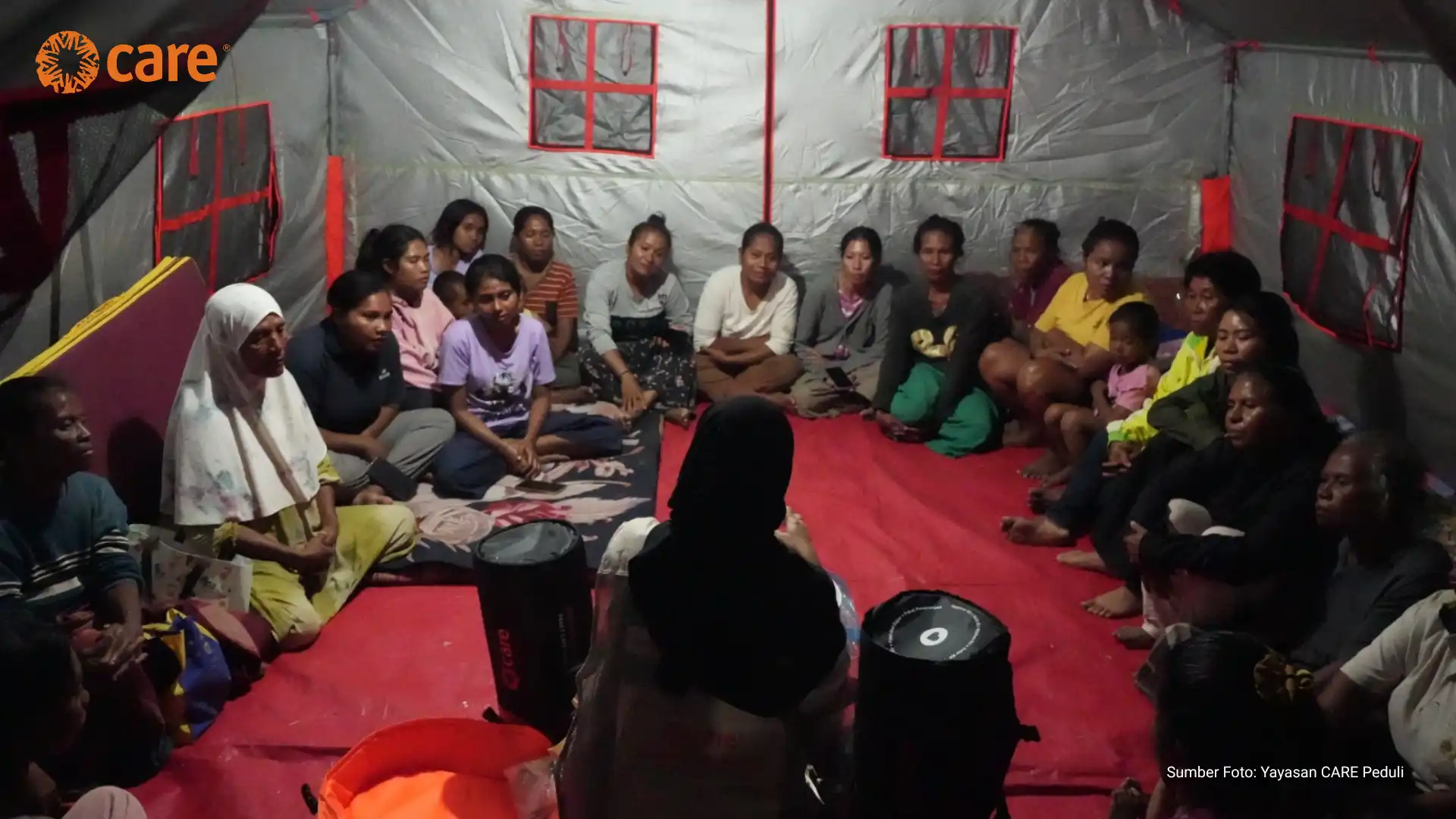
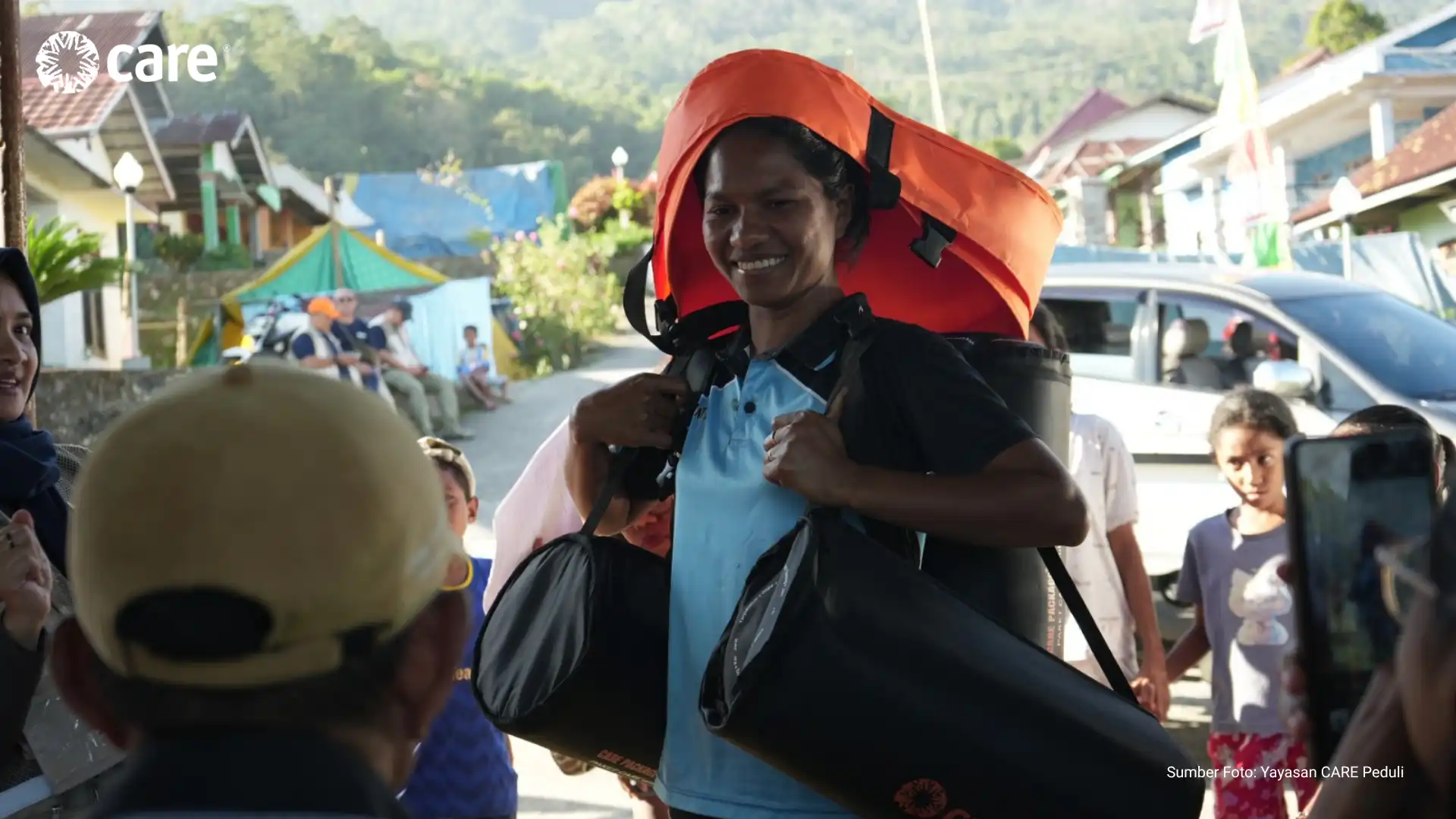
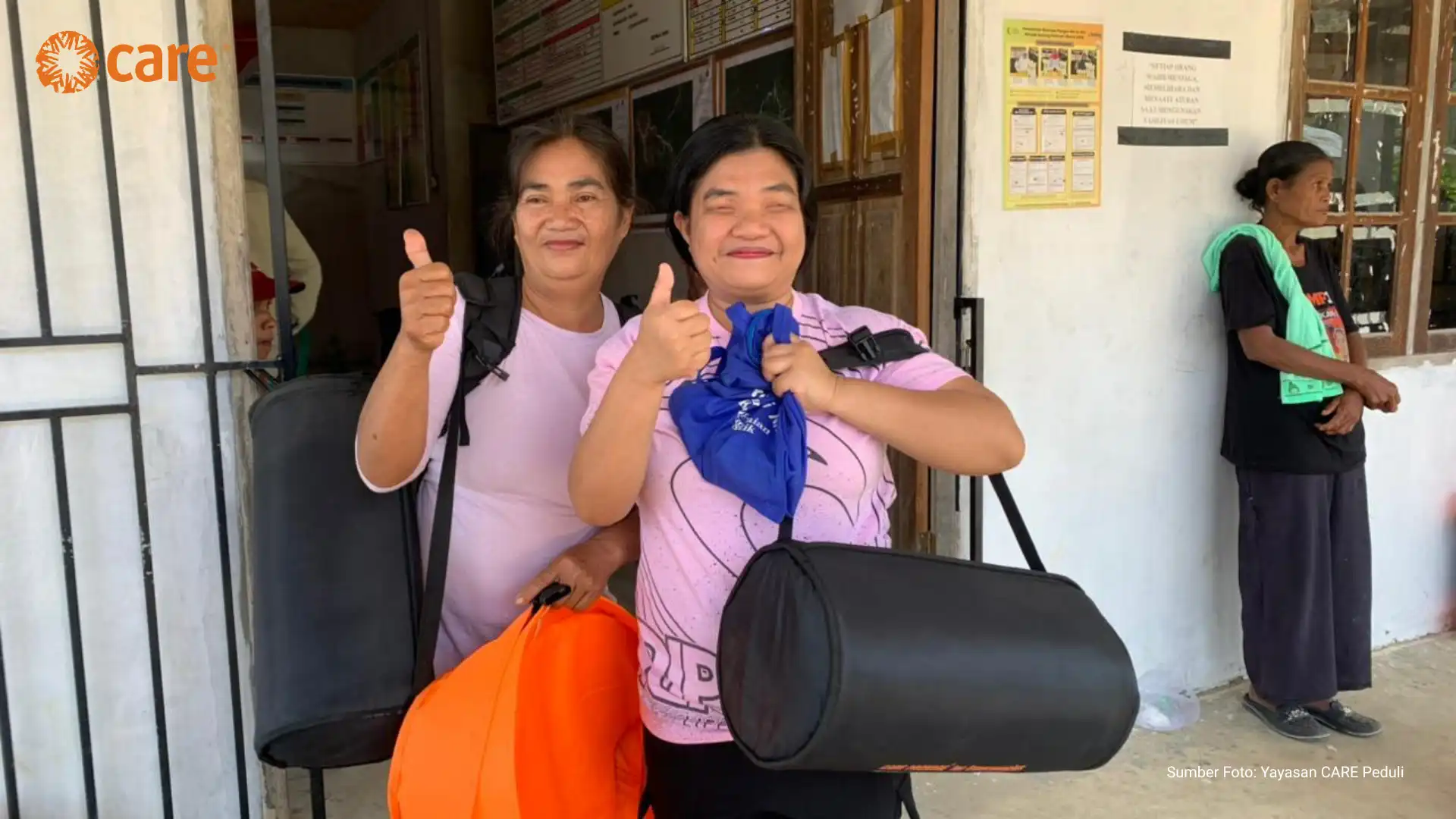
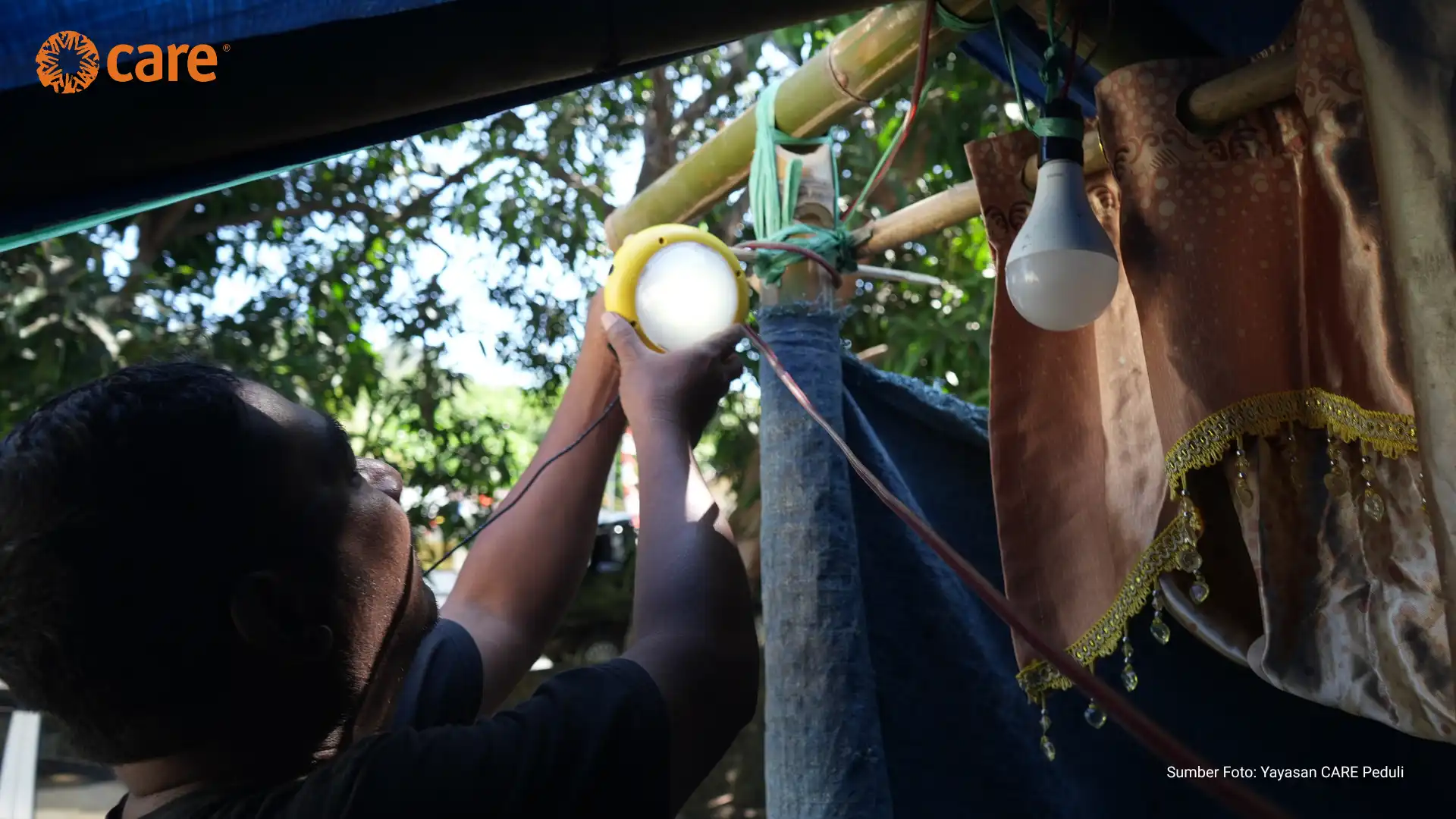
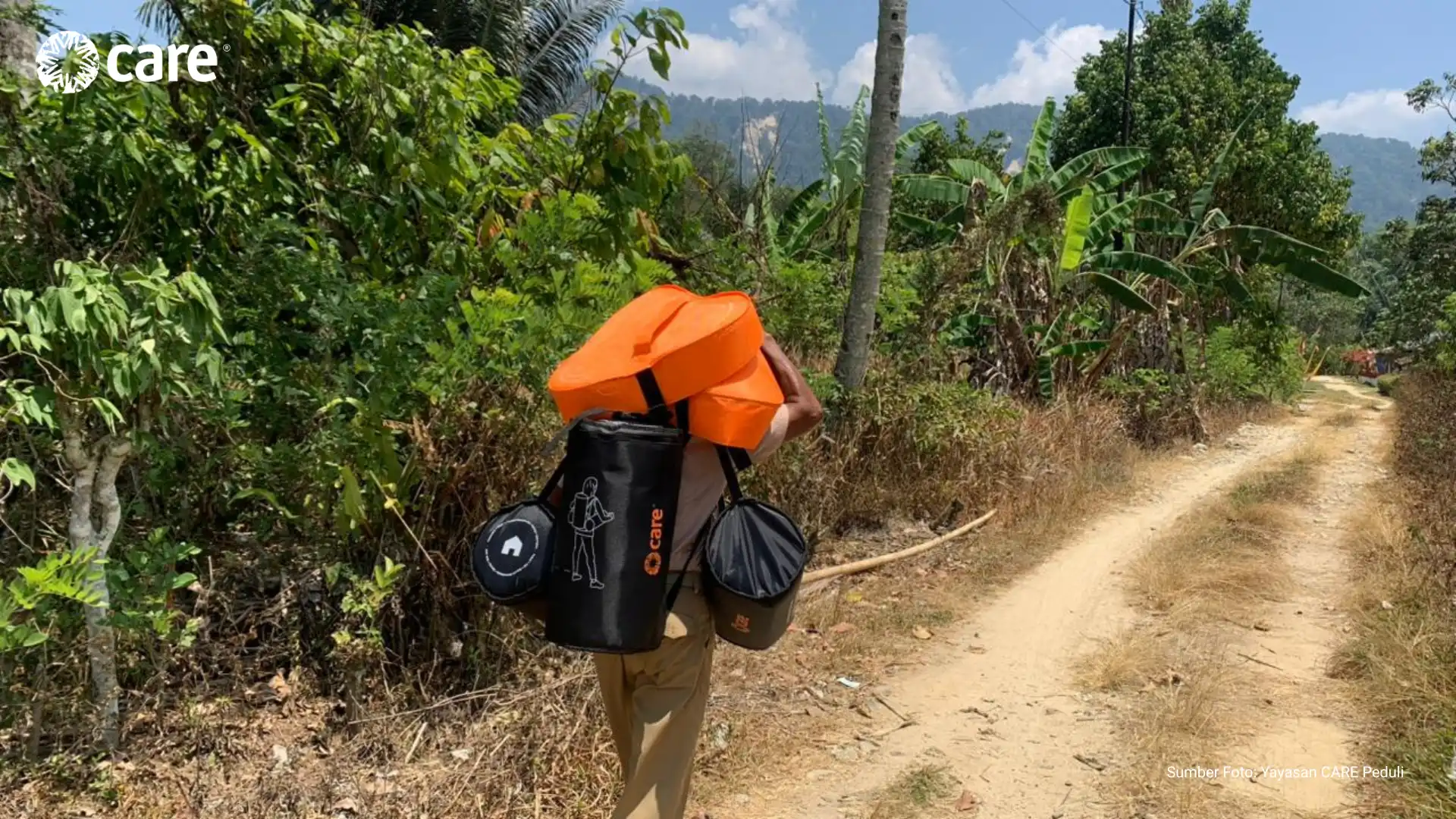
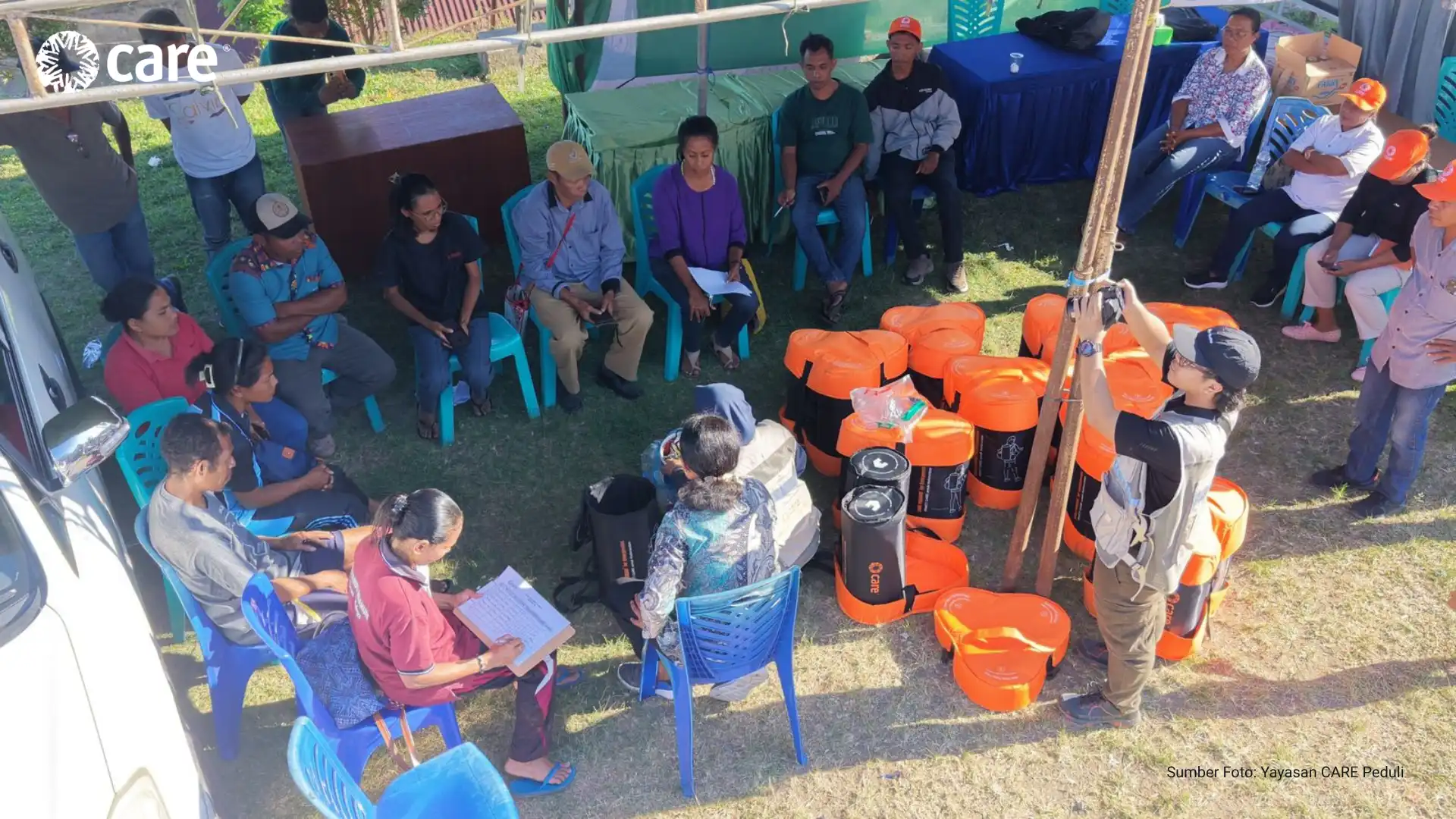
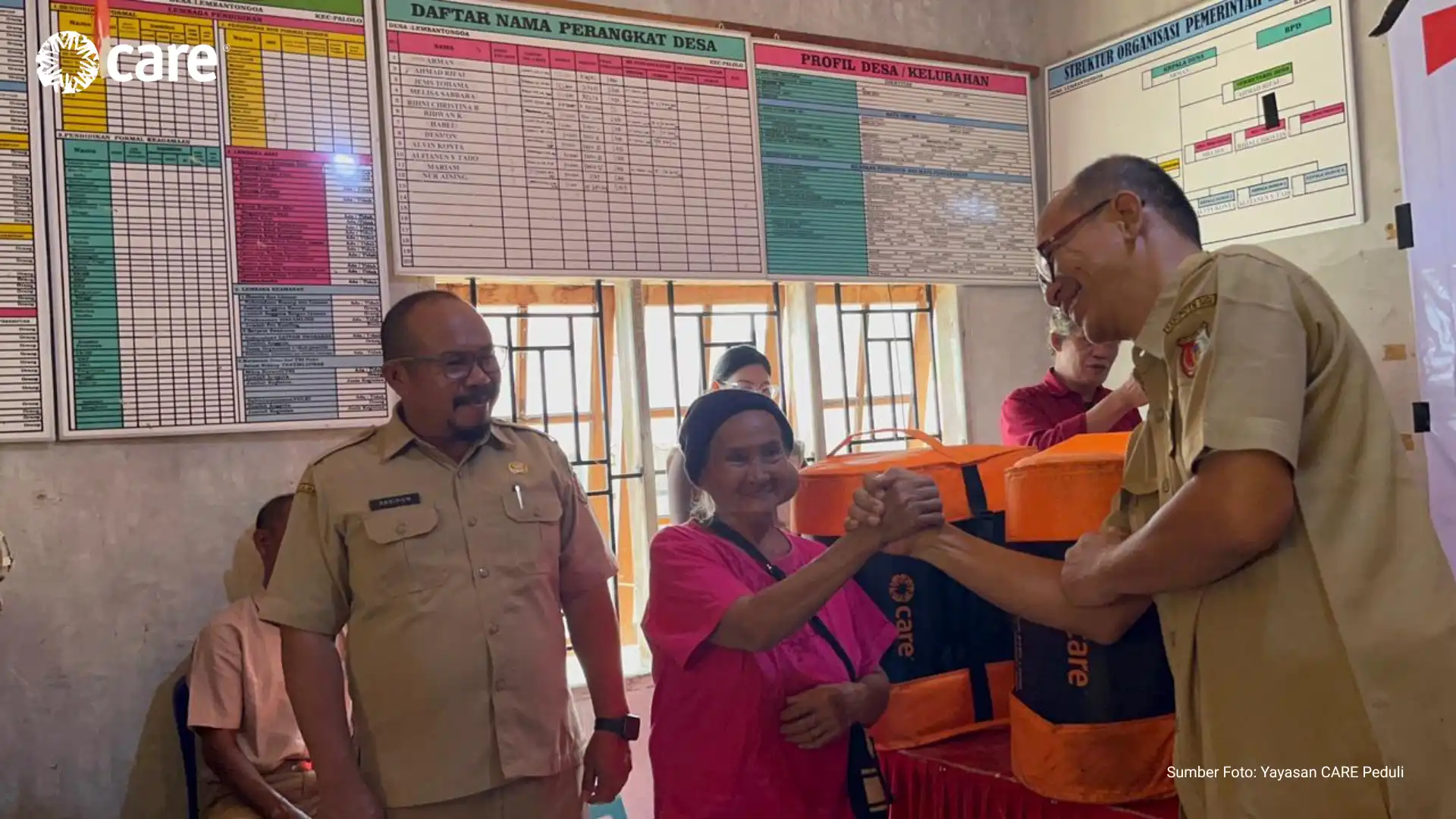
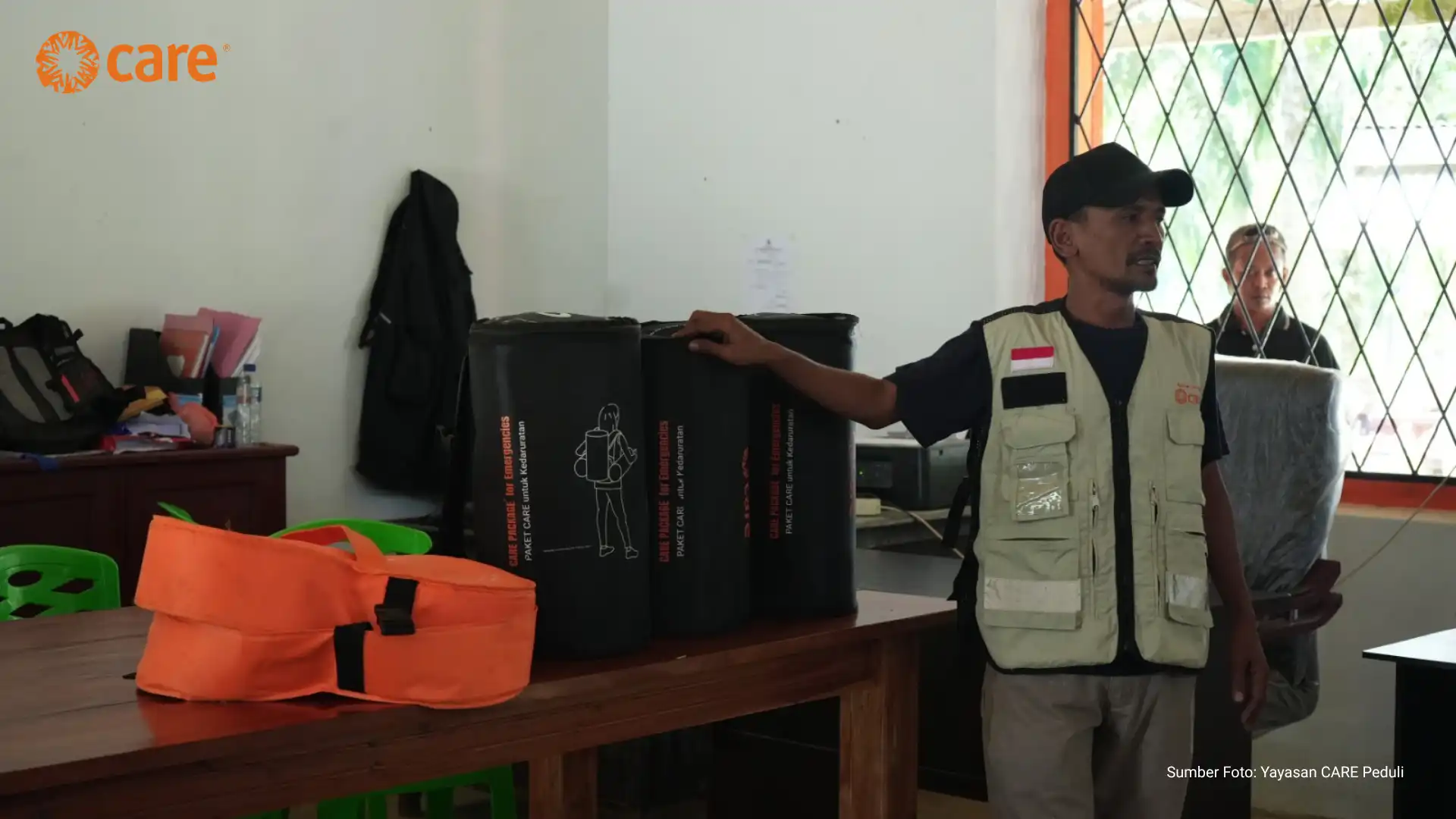
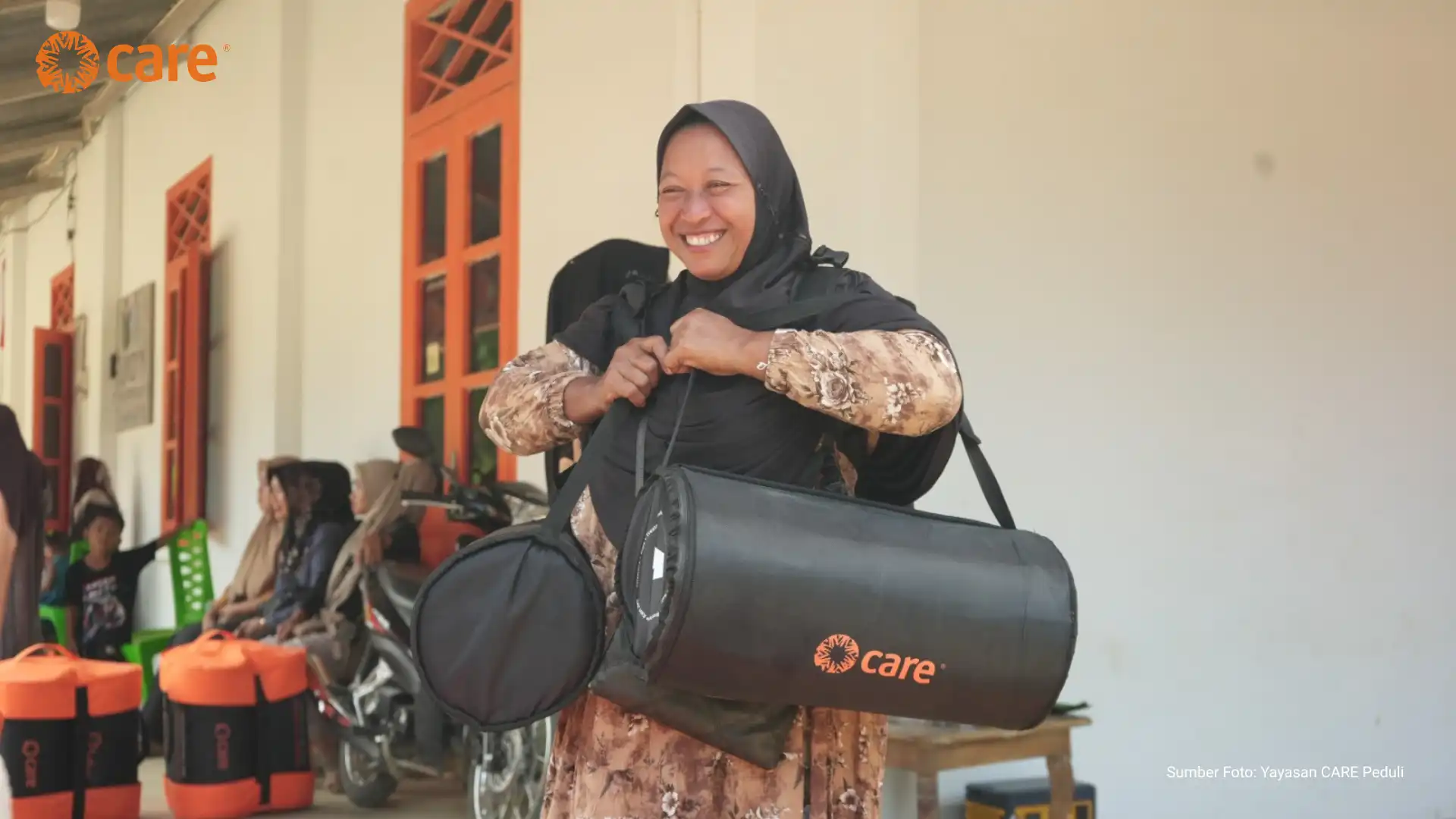
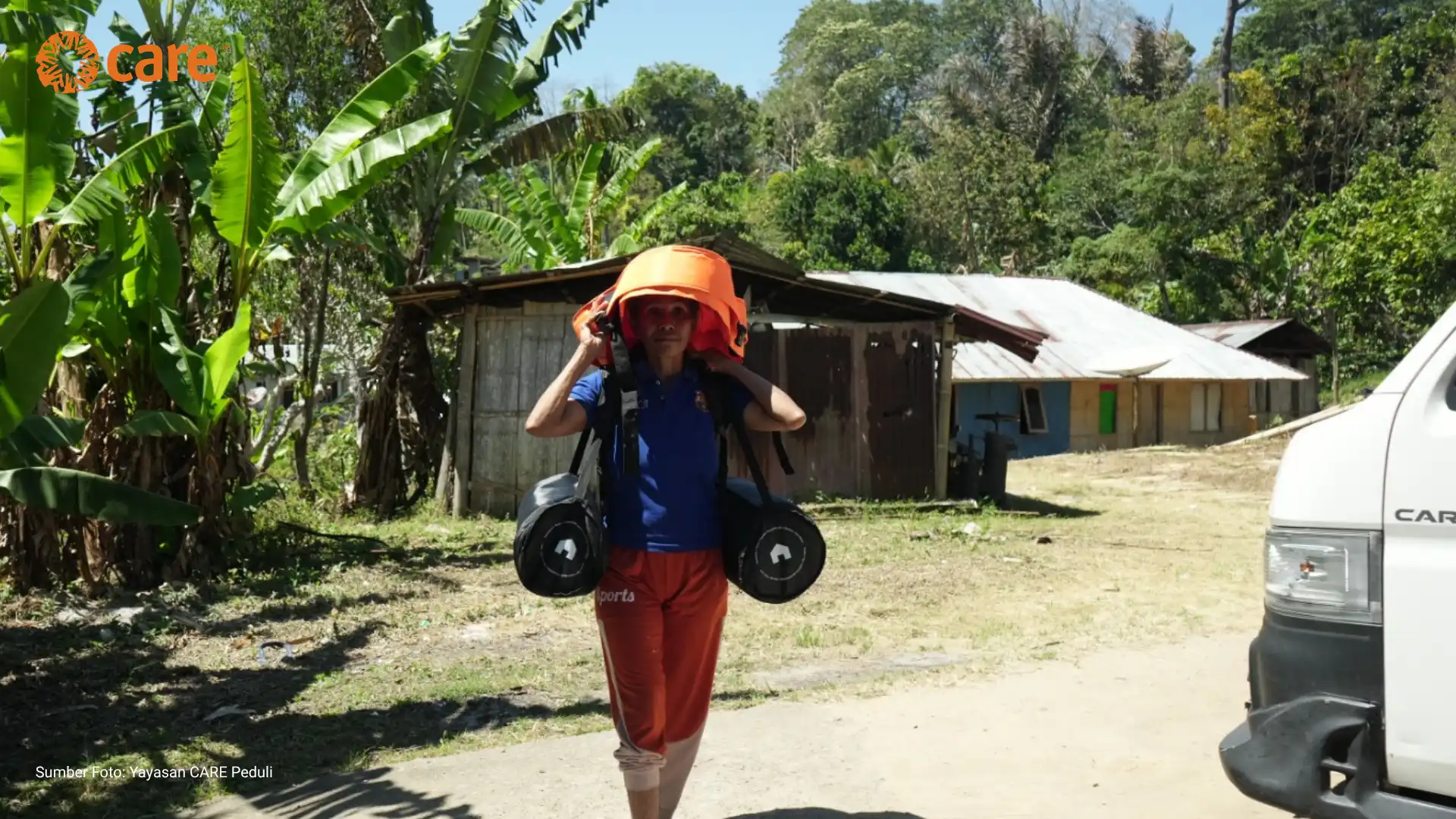
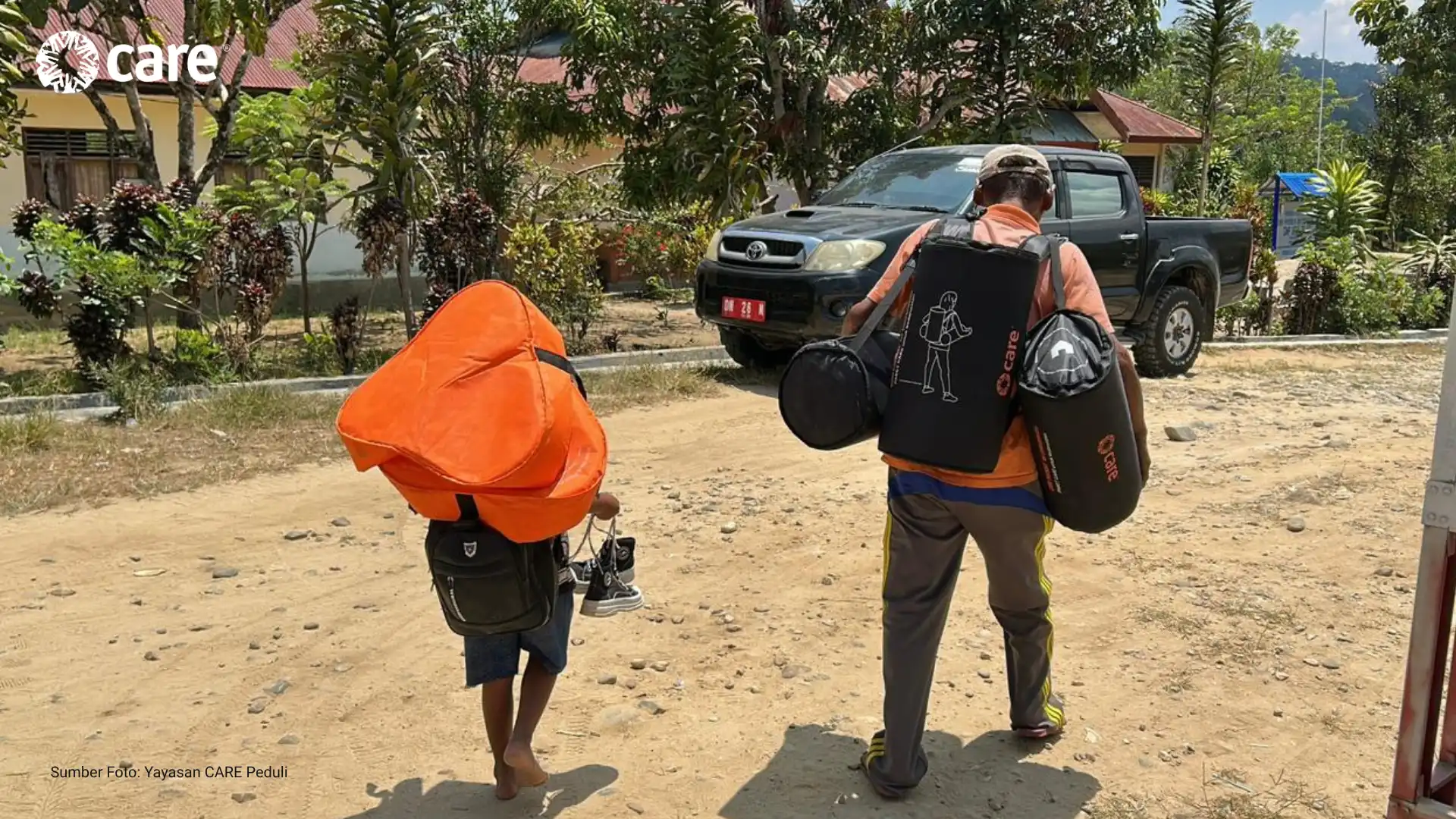
Together with partners, CARE Indonesia delivered gender-responsive assistance tailored to the needs of affected families, including food packages, kitchen sets, hygiene kits, bedding kits, household cleaning equipment, dignity kits, and clean water along with supporting infrastructure for disaster survivors across Aceh and West Sumatra. On Thursday (29/1), community members gathered at the Pagadih Village Hall in Palipuh Subdistrict, Agam District, where CARE Indonesia and the Indonesian Red Cross (PMI) West Sumatra distributed assistance to 20 households affected by landslides. The village, home to approximately 2,200 residents, was struck by landslides in early December 2025, causing severe damage to at least 20 houses and isolating the community for two weeks after road access was blocked by debris.

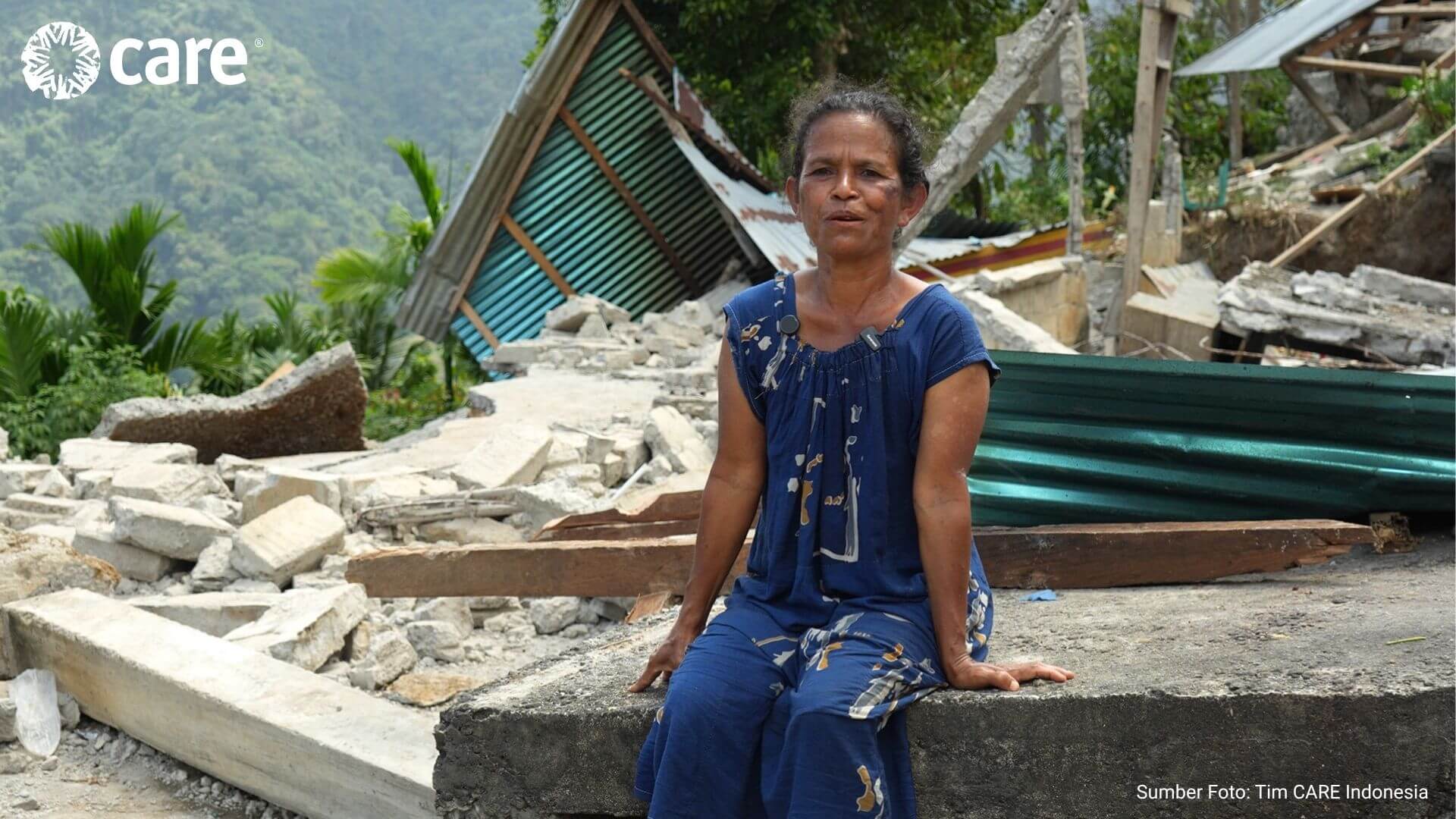
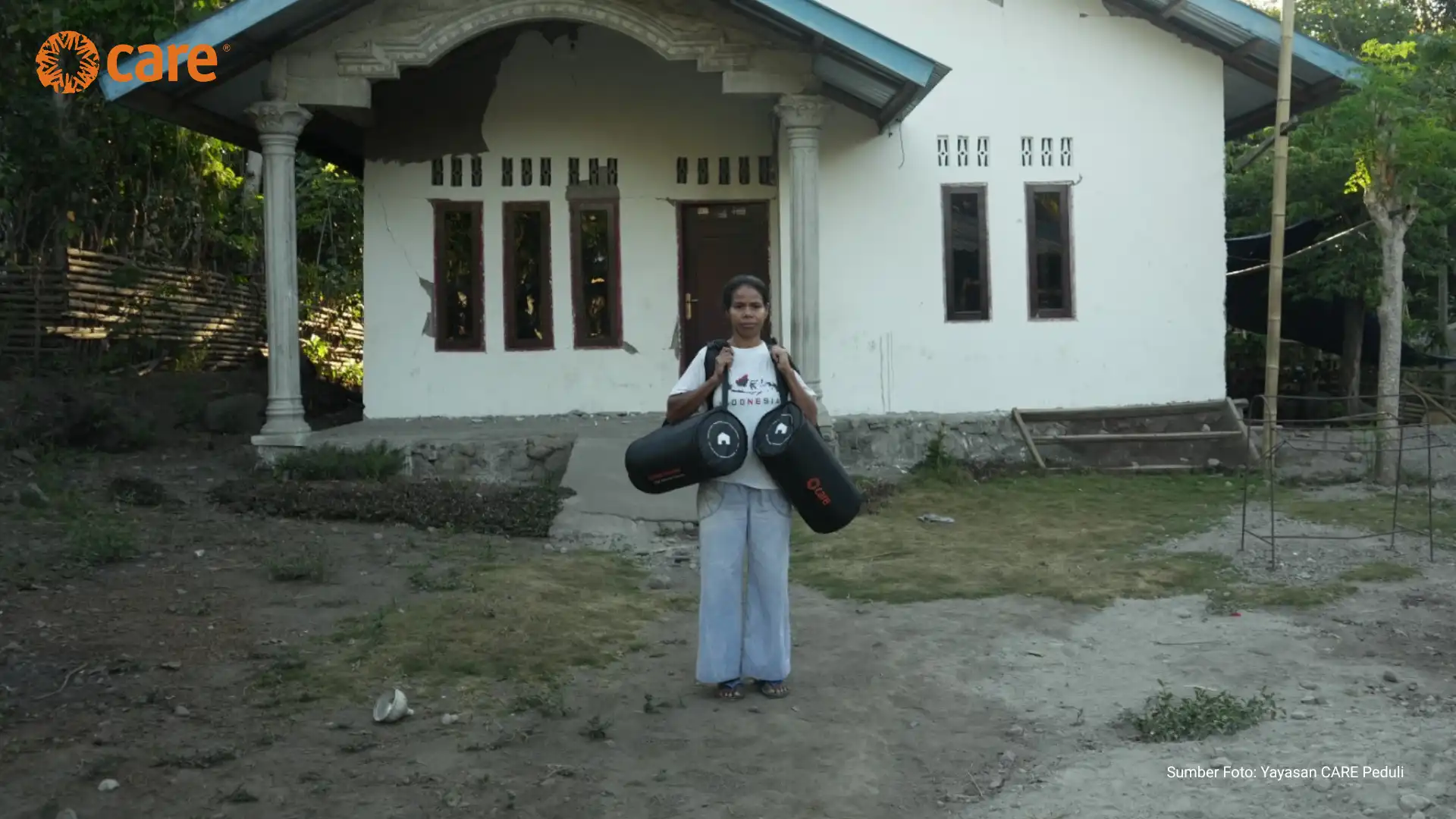
Nismawati, a single mother of four from Pagadih Village, shared that her home is no longer habitable after being buried by landslide debris, and most of her household belongings were destroyed. “It rained heavily since the afternoon, and I noticed the ground around my house shifting, so I decided to stay at a relative’s house. The next morning at around six, I returned and found my house already covered by soil. Now my home and belongings can no longer be used,” she said. She explained that the assistance package containing cooking equipment, food supplies, and personal hygiene items—has greatly supported her daily needs. “These items replace everything I lost. I can also send food to my youngest child, who is currently attending high school in another area. I am grateful and thankful to CARE Indonesia and PMI,” she added with a smile.

The flash floods in late November 2025 also damaged the Batang Kuranji Dam, triggering a water crisis in several areas of Padang City. The floods damaged pipelines belonging to the local water utility company (PDAM) and caused community wells to dry up, forcing residents to rely on water distributed by tanker trucks. Meri Susanti, one of the residents affected since early December 2025, explained that her family depends entirely on water supplied by CARE Indonesia and PMI after their well dried up due to the floods. “Since the water source disappeared, my family has relied on water assistance from PMI and CARE Indonesia for bathing, cooking, and washing. The water distribution point is only about 100 meters from our house, so it has been very helpful,” she said.

As of Wednesday (25/2), CARE Indonesia and PMI West Sumatra had distributed 3,335,505 liters of clean water and installed 20 water storage tanks across Padang City, reaching 286,117 people. In addition, 450 cooking sets, 650 food packages, and 790 personal hygiene kits were distributed to 832 households, benefiting 3,568 people across West Sumatra Province.

Household Assistance Supports Recovery for Families in Aceh Tamiang

Khairunisa, a resident of Dusun Damai in Kota Kuala Simpang Subdistrict, Aceh Tamiang, and a single mother of one child, shared that flood waters reached approximately four meters high, damaging many of her personal belongings. According to her, the bedding kits and dignity kits provided by CARE Indonesia have been essential in replacing items lost during the floods.

“During the heavy rain, the water kept rising until my house collapsed. When I returned the next day, everything had been washed away. I am now staying at my sister’s house, where eight adults and three toddlers live together. The assistance package, especially the mosquito net, has been very helpful in protecting my toddler from mosquitoes at night,” she said on Monday (16/2).

She also explained that the flood damaged her household well, making clean water assistance crucial for daily life. “This water support is very important because we still do not have adequate access to clean water here. It becomes even more essential during Ramadan, when water needs increase,” she added.

In Aceh Tamiang District, CARE Indonesia collaborated with the Indonesian Red Cross (PMI) Aceh Tamiang and Geusaba to distribute assistance. As of Thursday (26/2), CARE Indonesia and its partners had distributed 995 bedding kits and 1,755 dignity kits to 203 households, benefiting 449 people. A total of 100,000 liters of clean water had also been delivered to 3,517 households, reaching 17,588 people.

Supporting infrastructure for clean water access included the provision of 12 water storage tanks, nine water purification units, 20 hoses, nine water pumps, 17 water suction pumps, six generators, and well-cleaning services. Additionally, 12 emergency latrines for men and women were constructed in Kuala Simpang Subdistrict.

Field observations indicate that the needs of affected families in West Sumatra and Aceh remain significant. Assistance to meet clean water needs, household equipment, hygiene supplies, and daily essentials is still urgently required. CARE Indonesia is currently preparing an additional 620 hygiene and basic needs packages for survivors in Aceh Tamiang, which will be distributed together with partners in the coming phase of the response.


Writer: Kukuh Akhfad
Editor: Swiny Adestika

Protecting the Coast from the Roots Up: Women of Palaes Village Safeguard Livelihoods through Mangrove Conservation in Likupang

Stories

Seawater moves gently with the tides, while mangrove roots grip the mud, holding the coastline together. Mangrove forests in North Minahasa District are the largest in North Sulawesi Province, covering 4,861.79 hectares, according to data from the Tondano Watershed Management Agency (BPDAS Tondano).

Wenon Tumundo, a coastal woman from Palaes Village, West Likupang District, North Sulawesi, is one of the women leading mangrove conservation efforts in her village. Together with other members of a women’s group, she actively protects the mangrove forest as part of the Lolaro Women-led Economic Business Groups (Kelompok Usaha Ekonomi Perempuan/KUEP). For Wenon, mangroves are not merely coastal vegetation; they serve as protection, a source of livelihood, and a legacy for future generations.

The presence of mangroves has brought tangible benefits to her life. When tourists visit the coastal area, Wenon gains additional income by selling snacks such as fried bananas, vegetable fritters, and other foods to visitors exploring the mangrove area. “I joined mangrove conservation because I want to help develop the village and preserve this forest for our children and grandchildren,” she explained.

Becoming a KUEP member reflects Wenon’s commitment to protecting mangroves. Together with her group, she is directly involved in the long process of restoring mangrove ecosystems, from collecting seedlings to replanting them in their natural habitat. She explained that collecting mangrove seedlings requires significant effort, often involving boat trips through mangrove channels to find viable seedlings. After collection, the seedlings are transported to a nursery area where they are cultivated for three to six months.

“The seedlings must be watered regularly because the nursery location does not always have a natural water source. To protect young plants from direct sunlight, we use paranet shading nets. The nursery also functions as a monitoring center; every seedling is counted and its growth tracked before being transferred to planting sites,” she added.

Through her involvement in mangrove planting, Wenon has developed a deeper understanding of the mangrove species growing around her community. Eight mangrove species are found in her village, and these are the species planted by the group. In addition to Rhizophora, two other species planted are Ceriops and Bruguiera, although Rhizophora remains dominant due to its suitability for the muddy substrate in the area.

“We learned about the mangrove species found here so we could understand which types are suitable and able to survive. We were trained to recognize that local sediment conditions only support certain species. This helped us better understand the ecosystem we have,” she said.

Wenon’s conservation journey alongside her fellow group members has not been without challenges. They face various obstacles while collecting seedlings and planting mangroves, ranging from difficult terrain to encounters with wildlife inhabiting the mangrove forest.

“Finding seedlings can be both easy and difficult. We have to navigate narrow mangrove channels by boat. During high tide, planting becomes more challenging. Sometimes we even see crocodiles, so we must stay cautious. But we do it joyfully. Sometimes we bring a radio and grill fish together after collecting seedlings or planting. Even though we are tired, our hearts feel happy and at peace because we help protect the mangroves,” she shared.

This mangrove conservation initiative, which places women’s groups as key actors, is implemented by CARE Indonesia in collaboration with Yayasan Bumi Tangguh (YBT), with support from the Asian Venture Philanthropy Network (AVPN). The program includes planting 50,000 mangrove seedlings within the buffer zone of the Marine Conservation Area (Kawasan Konservasi Perairan/KKP), while also strengthening women’s empowerment through capacity building, knowledge enhancement, and economic opportunities across three program villages.

Fikri Buhamid, a field staff member of Yayasan Bumi Tangguh (YBT), explained that thanks to the persistence of women’s groups in collecting and nurturing mangrove seedlings, tens of thousands of mangroves have already been planted.

“To date, around 16,731 mangroves have been planted by women’s groups across three villages, Palaes, Serawet, and Minaesa. These mangroves are expected to become habitats for various species such as fish, shrimp, birds, crabs, and even tarsiers. The mangrove forests here are also home to crocodiles and snakes,” Fikri added.

He noted that as community awareness continues to grow, efforts to remind those who still engage in activities that may damage mangroves remain ongoing. This remains a shared responsibility between field facilitators and women’s groups to strengthen public understanding. Mangrove areas in the three villages are still relatively well preserved and function effectively as natural barriers against waves.

“For example, in Minaesa Village, some activities still pose risks to mangroves. However, community awareness to protect them is also increasing. This is what we will continue to strengthen. We hope that over time, this program will create lasting change in how communities across the three villages understand and protect mangroves and the wildlife that depend on them,” he concluded.


Writer: Kukuh Akhfad
Editor: Swiny Adestika

Establishment of Women-led Prosperous Business Groups Expands Financial Access for Women Waste Pickers

Gallery

Limited access to formal financial systems, unstable income, and double burdens remain key challenges for many women waste pickers. To strengthen economic resilience and promote gender equality among waste pickers, including women waste pickers, CARE Indonesia and Mahija Foundation, with the support of partners, have facilitated the formation of three Women-led Prosperous Business Groups in Cimone Subdistrict, Tangerang City; Jurangmangu Subdistrict, South Tangerang City; and Tegallega Subdistrict, Bogor City, with a total of 31 members.

Through these groups, women waste pickers now have improved access to savings mechanisms and loan facilities, with terms and conditions collectively agreed upon by members. Ongoing mentoring in financial management and group business development will further support the improvement of household economic wellbeing.

Exchange Ideas, Build Action: GEN In-Person Strengthens Protection for Women Workers from Climate Change Impacts

Gallery

A total of 17 participants from nine companies that are part of Gather Exchange Navigate (GEN), representing Banten, DKI Jakarta, West Java, Central Java, and East Java, took part in the GEN In-Person: Strengthening GBV Prevention and Climate Resilience in the Garment Industry, held Friday–Sunday (6–8 February) at Hotel Oria, Jakarta. The activity served as a collaborative space for companies to exchange ideas and share good practices in preventing gender-based violence (GBV) in the workplace while responding to climate change impacts—such as providing vitamin subsidies for women workers to help maintain immunity and improving factory air circulation. During the sessions, participants co-developed roadmaps for GBV prevention and response as well as climate action measures oriented toward worker well-being and business sustainability. The event concluded with a public action through the distribution of free seedlings and plants to the community during Car Free Day in the Sudirman–Thamrin area, Jakarta. As a follow-up, GEN members also agreed to hold weekly online meetings as an ongoing space for evaluation and discussion.

The event featured actress Agni Pratistha, who delivered a session on transforming waste into value-added products and highlighted the importance of public engagement in addressing climate change. Additional speakers included Priadi Santosa from the Ministry of Women’s Empowerment and Child Protection (KPPPA), Franky Zamzani from the Ministry of Environment, and Yenny Anggraeni from the Ministry of Manpower. They shared cross-ministerial perspectives on strengthening policies for women’s protection, preventing GBV, and integrating gender perspectives into climate change responses and sustainable workplace practices.

Women and Youth Empowerment Enhance Resilience in Six Villages in Sigi District

Gallery

Collaborative works to build peace and strengthen community resilience, including among women and youth, were implemented by CARE Indonesia in collaboration with KARSA Institute, support from UN Women and funding from KOICA, across Ngatabaru, Pombewe, Pesaku, Rarampadende, Wisolo, and Ramba villages in Sigi District.

The establishment of Women-led Economic Business Groups (KUEP), have successfully strengthened women’s roles and leadership at the village level while contributing to increased household incomes. Moreover, the strengthening of cross-village youth networks has positioned young people as key peacebuilders, playing an active role in preventing conflict and promoting sustainable peace within their communities.

Supporting Safe and Inclusive Workplaces Through the Implementation of HRDD and GRDD in Companies

Gallery

20 management representatives from PT Gunung Salak Sukabumi in Sukabumi District participated in a training on Gender Responsive Due Diligence (GRDD) and Human Rights Due Diligence (HRDD) (19/01). With support from CARE Indonesia and its partners, company management gained a deeper understanding of how to apply gender-responsive and human rights principles within corporate policies and operations.

The training used interactive methods, including presentations, games, and case studies, to help participants understand the role of HRDD and GRDD in promoting worker empowerment, including women workers, creating safe workplaces free from gender-based violence, and supporting business sustainability. Following the training, management committed to developing follow-up action plans to strengthen the integration of HRDD and GRDD into company policies and practices.

Notes from the field: A learning journey from Musi Banyuasin to Java to scale up women-led small business

Stories

In Musi Banyuasin District, woven handicrafts made from oil palm midribs have become one of the region’s flagship products and are now included in the local government’s electronic procurement catalog. The women artisans producing these woven products come from several villages and are members of Women-led Economic Business Groups (Kelompok Usaha Ekonomi Perempuan/KUEP).

Iswandi Gunata, CARE Indonesia’s Field Officer in Musi Banyuasin District, explained that palm fronds weaving was selected as the primary livelihood activity for many KUEP groups due to the easy availability of raw materials. The midribs are sourced from unused oil palm fronds, helping to manage agricultural waste that would otherwise accumulate in plantation areas, while being transformed into artistic products with economic value that are highly sought after by buyers.

Beyond developing small-business from palm frond waste, Iswandi shared that some KUEP members have also taken the initiative to utilize other forms of waste, such as empty fruit bunches for straw mushroom cultivation, as well as Black Soldier Fly (BSF) maggot cultivation to process household organic waste. According to Iswandi, the strong enthusiasm of KUEP members to develop environmentally friendly small-business based on circular economy principles has received support and appreciation from various stakeholders, including oil palm plantation company PT Hindoli and the Musi Banyuasin District Government.

“Waste management not only has environmental benefits, but can also become a source of livelihood for women’s groups. This is what we hope will continue to receive support and collaboration from multiple stakeholders, including the local government and PT Hindoli, which has consistently supported women’s empowerment,” he said.

Iswandi further explained that the significant potential for developing handicraft small-business and circular economy–based waste management initiatives by KUEP has strengthened multi-stakeholder support. This led to the implementation of learning visits and training aimed not only at enhancing women’s groups capacities, but also at encouraging replication and sustainable scaling-up of these businesses.

In January 2026, a learning journey to two locations on Java Island was carried out. “The first learning visit was to the Maggot Center in Depok City. We received strong support from the Head of the Musi Banyuasin Environmental Agency, Oktarizal; the Regent’s Special Staff, Mualimin Pardi Dahlan; and the CSR Manager of PT Hindoli to directly observe how circular economy principles are applied at this maggot center,” Iswandi explained.

Positive responses were expressed by both representatives of the Musi Banyuasin District Government and the corporations. According to Iswandi, witnessing firsthand how the Maggot Center, working in collaboration with the Beji Timur Sub-district Government successfully engaged communities in organic waste management provided new perspectives for participants in the learning visit.

“The learning experience in Depok broadened our perspective that waste management is not only about environmental protection, but can also become a livelihood source for women’s groups. This learning will be jointly reflected upon across sectors and strengthens our confidence that collaborative efforts among stakeholders can be more integrated, ultimately leading to improved community livelihoods, particularly for women. One KUEP member in Musi Banyuasin has already initiated maggot cultivation, but it has not yet been fully integrated. Moving forward, we hope to see broader multi-stakeholder support to scale this maggot farming initiative, linking it with nutrition gardens and livestock activities managed by communities, including women.” he added.

The second learning journey, Iswandi shared, was equally inspiring—accompanying 10 women palm frond weavers from five villages to Kulon Progo District. The women artisans came from Karya Maju, Sumber Agung, and Cipta Praja villages in Keluang Sub-district, as well as Banjar Jaya and Sri Mulyo villages in Tungkal Jaya Sub-district.

According to Iswandi, the women artisans showed remarkable enthusiasm and determination. They displayed no hesitation about flying across islands, driven by their desire to improve the quality and variety of woven products they have long produced, and to reach broader markets.

“This was a moment we had truly been waiting for. I saw how enthusiastic the women artisans were in following every instruction and how meticulous they were during practice sessions. There, we observed a wide range of woven products using various base materials such as rattan, banana stem fiber, pandan leaves, and water hyacinth,” he recalled.

Iswandi noted that the enthusiasm of KUEP women artisans remained consistently high throughout every training session. As their fingers skillfully interlaced materials into intricate patterns, creating beautiful handicrafts, smiles and laughter filled the room—adding energy and warmth to the practice sessions.

“I closely observed how serious these women were about learning. Throughout the training, they never complained; instead, they were always curious about what they would learn next. The goal was not only to sharpen their technical skills, but also to strengthen their confidence to continue creating,” he said.

Before they realized it, the five-day learning journey in Kulon Progo came to an end, and the group returned to Musi Banyuasin. Iswandi explained that following the training, KUEP women artisans will begin producing woven crafts that combine palm midribs with rattan, banana stem fiber, pandan leaves, and water hyacinth.

This learning journey not only enhanced technical knowledge, but also inspired participants to scale up existing good practices in their villages, making women-led initiatives more impactful and far-reaching.

“When women are given space, skills, and support, they are able to create change and generate positive economic impact. With multi-stakeholder support and the persistence of women’s groups, environmentally friendly small-business based on circular economy principles can become sustainable. For me, this process is not only about the final products, but about how women learn from one another, support one another, and build collective economic independence within a supportive ecosystem,” Iswandi concluded.

Writer: Kukuh Akhfad
Editor: Swiny Adestika

Press Release: Women’s Economic Empowerment and Strengthened Youth Networks Enhance Community Resilience in Six Villages of Sigi District

News

Collaborative works to build peace and strengthen community resilience, including among women and youth, were implemented by CARE Indonesia in collaboration with KARSA Institute, support from UN Women and funding from KOICA, across six villages in Sigi District, namely Ngatabaru, Pombewe, Pesaku, Rarampadende, Wisolo, and Ramba villages.

Women’s economic empowerment initiatives, implemented through the establishment of Women-led Economic Business Groups (Kelompok Usaha Ekonomi Perempuan/KUEP), have successfully strengthened women’s roles and leadership at the village level while contributing to increased household incomes. In parallel, the gender equality approach applied in these six villages has proven effective in fostering more equitable relationships and access at the household, community, and village levels. This progress is reflected in the designation of the six villages and two neighboring villages, Launca and Moa, as Women-and Child-Friendly Villages (Desa Ramah Perempuan dan Peduli Anak/DRPPA). Moreover, the strengthening of cross-village youth networks has positioned young people as key peacebuilders, playing an active role in preventing conflict and promoting sustainable peace within their communities.

Dr. Abdul Wahib Situmorang, CEO of CARE Indonesia, emphasized that efforts to strengthen community resilience and peacebuilding often overlook the meaningful involvement of women and young people. Women, he noted, play a critical role as pillars of social resilience, yet their contributions frequently go unrecognized in formal systems. At the same time, youth are often perceived primarily as actors within conflict, shaped by their energy, vulnerability, and the ambiguity of their roles.

“Together with KARSA and our partners, CARE sees the strengthening and meaningful engagement of women and youth as a key driver of community resilience, particularly in Sigi District, a region known for its vulnerability to natural disasters and complex social conflict dynamics,” he said. “We have applied a gender equality perspective that is aligned with village-level practices, local governance systems, and the use of informal and digital spaces. We hope these positive outcomes will enrich the Humanitarian–Development–Peace (HDP) Nexus framework and continue in a sustainable manner.”

Mutmainah, a member of the Village Deliberation Agency (Badan Permusyawaratan Desa/BPD) of Ramba Village, shared that the trainings and mentoring on gender equality that she and her husband received have brought meaningful changes to the way domestic roles are practiced in their household. She added that this understanding of gender equality now informs her considerations as a BPD member in village planning and budgeting processes.

“The capacity-building activities I joined, such as leadership and public speaking training, have strengthened my role as a member of the Ramba Village Consultative Body,” she said during the Lesson Learnt Workshop on the Implementation of the WE Nexus Programme, (Thursday, 29 January) at Best Western Coco Hotel in Palu City. “The gender equality education that involved both me and my husband has reinforced more equal sharing of roles and responsibilities at home. It has also deepened my understanding of the different needs of women and men in village development.”

Mutmainah further noted that the strengthening of women’s roles in the village became even more tangible after she joined the Women-led Economic Business Group (KUEP) in Ramba Village. Through KUEP, Mutmainah explained that women not only gained skills in financial management but also access to additional business capital through a group-based savings and loans mechanism, contributing directly to increased household income.

“The presence of KUEP has also provided a practical savings and loans solution for me,” Mutmainah said. “We feel relieved from the pressure often associated with joint liability mechanisms, as the savings and loans system within KUEP is collectively agreed upon and designed by the members themselves. In fact, in Ramba Village, KUEP has now entered its second cycle, with total capital reaching IDR 46,850,000.”

Echoing Mutmainah’s experience, Sandi, a youth representative from Rarampadende Village, expressed his enthusiasm for being involved in activities to strengthen peace and community resilience in his village. He explained that young people are rarely engaged in sustained dialogue or village-level forums, making the opportunity to receive education on gender equality, peacebuilding, and participation in cross-village youth activities particularly meaningful.

“The youth camps and informal discussion forums helped me get to know friends from other villages,” Sandi said. “Before, I mostly interacted only with people from my own village. Now, we have a group where we can share information with one another, and our friendships have grown, including through social media. From these groups and online connections, we initiated inter-village sports weeks to further strengthen our relationships and ensure that there are no conflicts between villages in the future.”

Rahmat Saleh, Chair of the Board of KARSA Institute, stated that the engagement of youth and the economic empowerment of women’s groups have received strong support from village governments and relevant institutions. According to him, the operational sustainability of KUEP, the continuation of the Women and Child-Friendly Village (DRPPA) initiatives, and youth activities have all been integrated into village development planning.

“Village governments, together with relevant government agencies, recognize the importance of sustaining youth engagement and women’s economic empowerment across these six villages to strengthen community resilience,” he said. “Existing youth and women’s groups, including collective enterprises and the savings and loans KUEP, Community-Based Disaster Preparedness Groups (KSB), village-level task forces for Women and Child Protection service posts, youth forums, and the continued implementation of the Women and Child-Friendly Village (DRPPA), will be supported through village planning processes and ongoing technical assistance from relevant government institutions.”

Mohamad Rizal Intjenae, Head of Sigi District, welcomed the positive changes and growing resilience taking shape within village communities, particularly among women and young people. He noted that the outcomes of the collaborative works implemented across the six villages are closely aligned with the prevention-focused approach adopted by the Sigi District Government in addressing crisis situations.

“The Sigi District Government focuses on three key aspects in responding to crises: prevention, response, and sustainable rehabilitation,” he said. “Our mitigation efforts actively involve a wide range of stakeholders, including women and youth. The collaboration between CARE Indonesia and KARSA Institute across these six villages has been highly effective and fully aligned with our priorities. It offers valuable lessons for us. We welcome and support continued works to strengthen women’s empowerment and enhance the resilience of youth networks, not only in these six villages, but across all villages in Sigi.”

Nutrition Gardens: Promoting Healthy Diets through Local Food for Families

Stories

Meeting children’s nutritional needs is not only about providing food, but also about ensuring that every family has access to safe, nutritious, locally sourced, and sustainably managed food. In Indonesia, nutrition challenges remain significant. According to the 2024 Indonesian Nutritional Status Survey (SSGI), the national stunting prevalence declined to approximately 19.8 percent in 2024. However, it remains a serious issue that requires continued and collective action.

CARE Indonesia, together with its partners, supports family nutrition through the establishment of community-based nutrition gardens managed by women’s groups. These nutrition gardens have been implemented in Musi Banyuasin District, Bandung District, West Sumbawa District, and Nagekeo District. A nutrition garden is a piece of land collectively managed by community groups—often facilitated by women—to cultivate a variety of nutritious local foods such as vegetables, fruits, tubers, and plant-based protein sources. The harvests serve as a direct source of nutritious food for families and communities, while surplus produce is often sold to generate additional income for women group members managing the gardens.

Local Food for Balanced Nutrition

Fresh and diverse local food contributes to meeting Indonesia’s national standards for child nutrition, which promote a diverse, balanced, and safe diet. By utilizing produce from nutrition gardens, families are able to prepare meals rich in vitamins, minerals, and fiber, in line with the “four-star menu” dietary recommendations issued by the Ministry of Health of the Republic of Indonesia.

Nutrition gardens directly address children’s nutritional needs by ensuring the availability of nutritious food within close proximity to households. From an economic perspective, these gardens strengthen family self-reliance through the use of local resources that provide tangible benefits for both consumption and household income.

More importantly, nutrition gardens foster collective awareness that adequate nutrition is the result of collaboration between improved food access, family nutrition education, and strong community support. By planting, harvesting, processing, and consuming food from their own gardens, Indonesian families are taking concrete steps toward healthier, stronger, and more productive lives.

Nutrition Gardens and the Circular Economy

Beyond improving nutrition, community nutrition gardens also support the development of a circular economy. Produce that is not consumed directly can be processed into value-added products or sold to increase group income. Meanwhile, organic household waste can be converted into compost to enrich the soil, creating an efficient and environmentally friendly production cycle.

Some nutrition gardens are integrated with Black Soldier Fly (BSF) maggot cultivation to process household organic waste. Managed by women’s groups, the maggots are further utilized as organic fertilizer, animal feed, and inputs for fish farming, strengthening both environmental sustainability and household livelihoods.

Women play a critical role in ensuring that family nutritional needs are met. In many communities, women are not only responsible for food preparation but also serve as managers of nutrition gardens, key learners of nutrition practices, and catalysts for healthier dietary behavior change. Their participation in nutrition gardens also creates opportunities to strengthen organizational capacity, enhance decision-making roles, and expand social and economic networks.

The implementation of community-based nutrition gardens is highly relevant to the theme of National Nutrition Day: “Fulfill Balanced Nutrition through Local Food.” Communities, particularly women’s groups, are becoming more empowered through enhanced skills in integrated nutrition garden management, while maximizing the potential of locally available food resources and generating additional household income.

Author: Kukuh Akhfad
Editor: Swiny Adestika

Women’s Groups within KUBE Introduce Home-Based Products at the UMKM Event in Pangalengan

Gallery

The Community-Based Business Group (KUBE) from the Community Development Forum (CDF) of the Pasir Malang and Malabar plantations participated in an MSMEs event held as part of the National Village Day commemoration, organized by the Government of Bandung District in Banjarsari Village (23/01). On this occasion, KUBE, as part of a collaborative program between CARE Indonesia and its partners, introduced a range of processed products, including dried fruits, tea, and various home-based snacks produced by the group.

Through this activity, KUBE began expanding its market reach beyond the village. This initiative is expected to increase sales and strengthen the economic conditions of its members, particularly women. Going forward, marketing efforts will be strengthened through online store platform and partnerships with rest area management in the Pangalengan Sub-district, Bandung District.