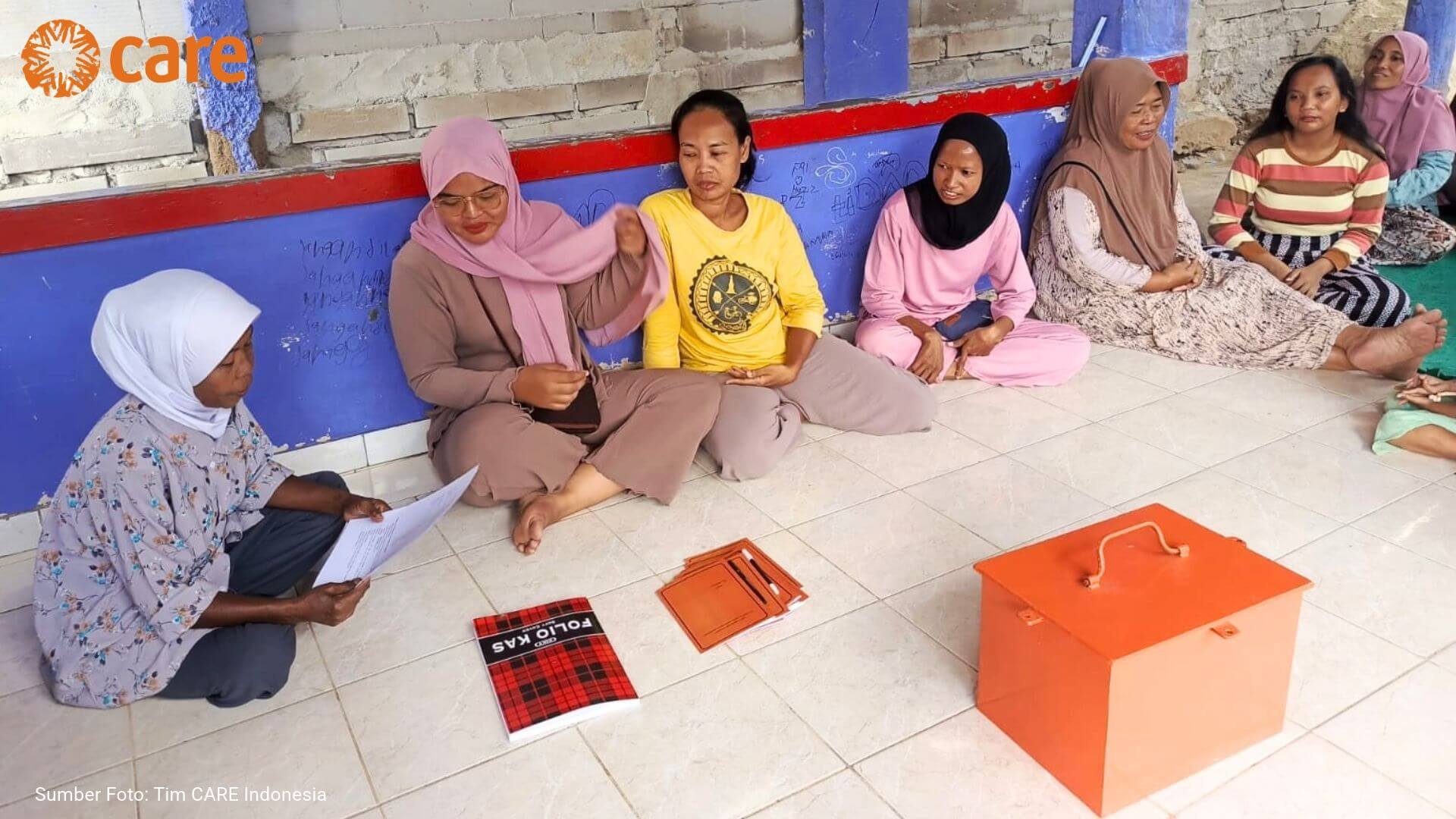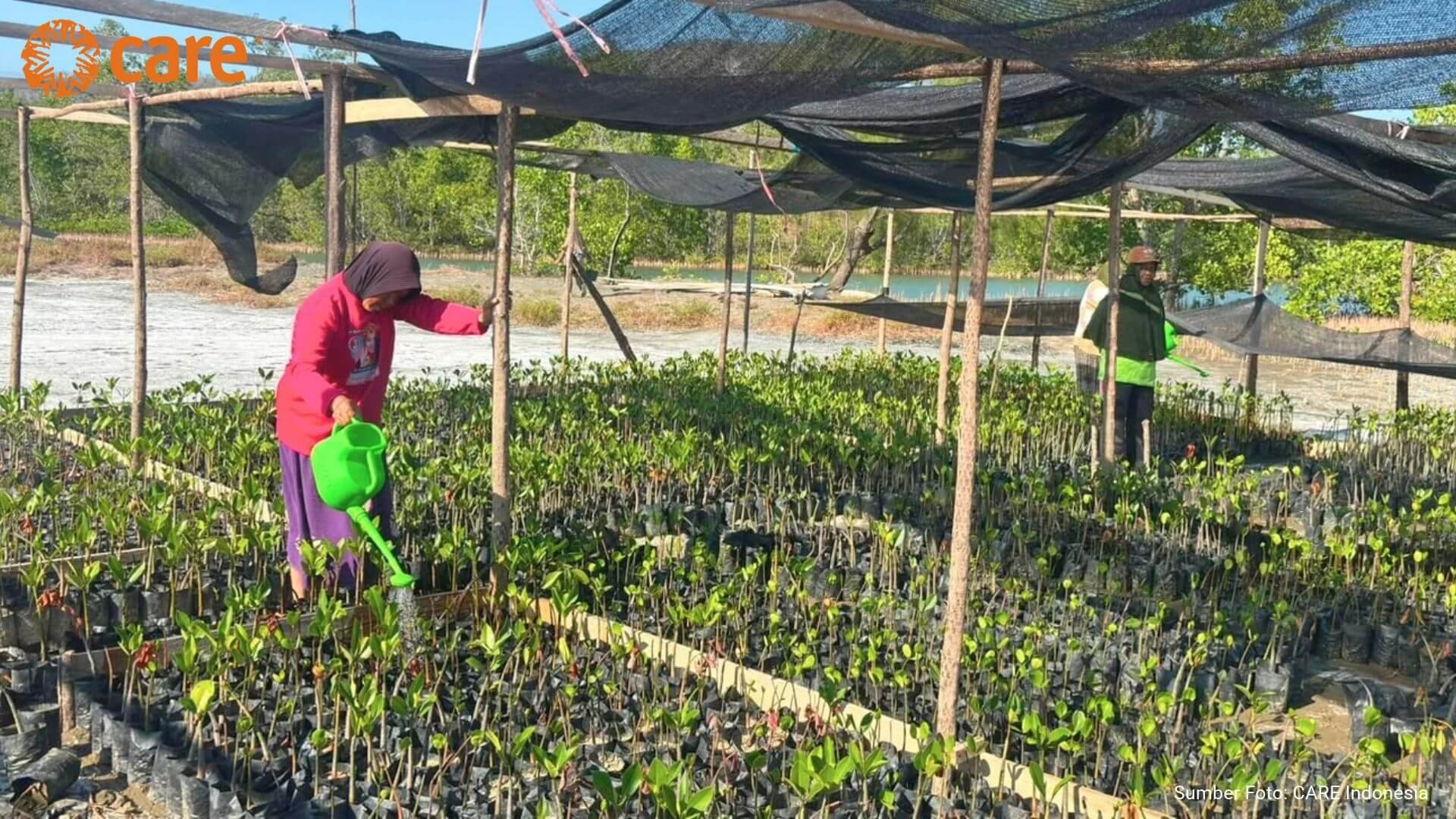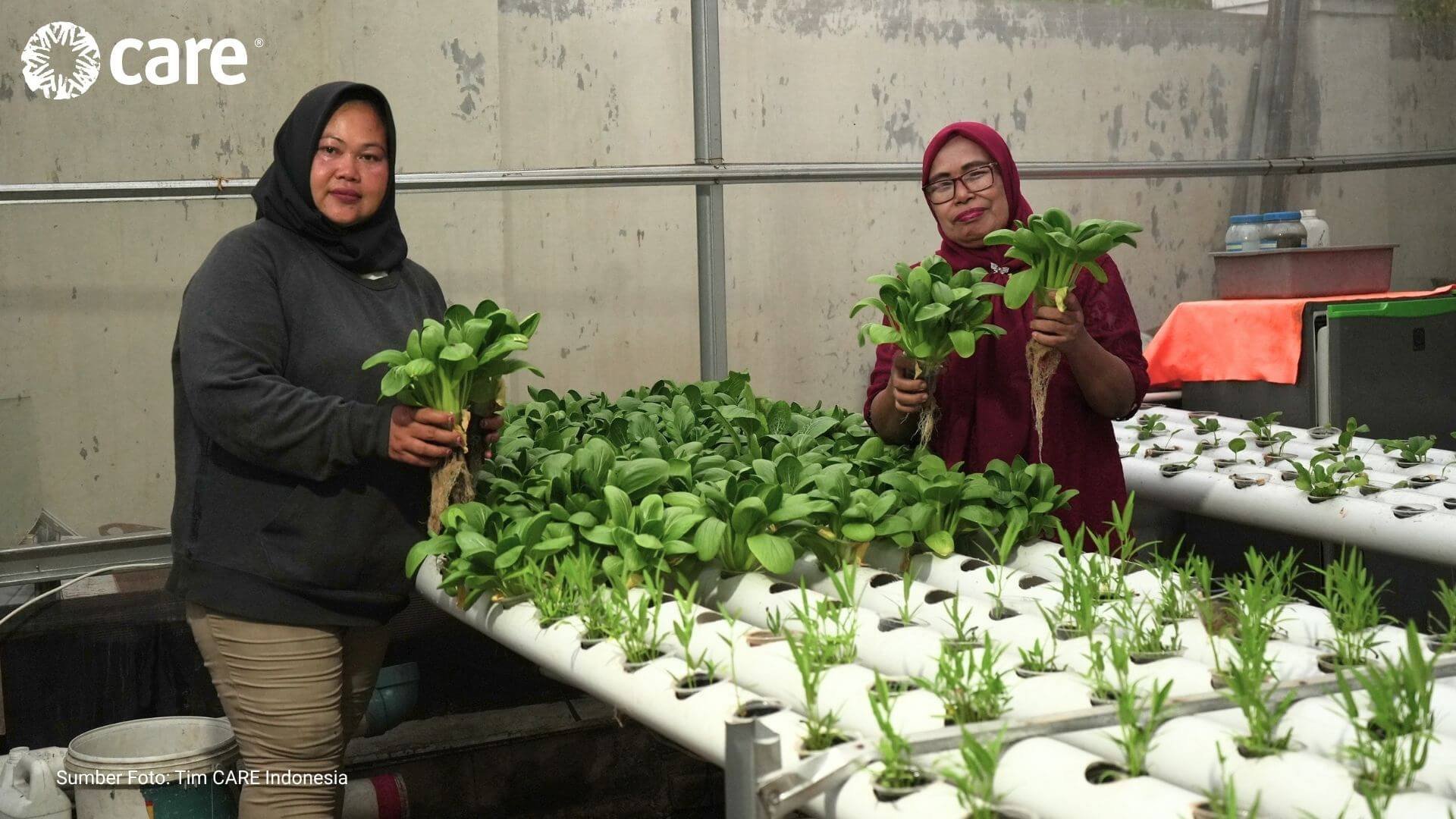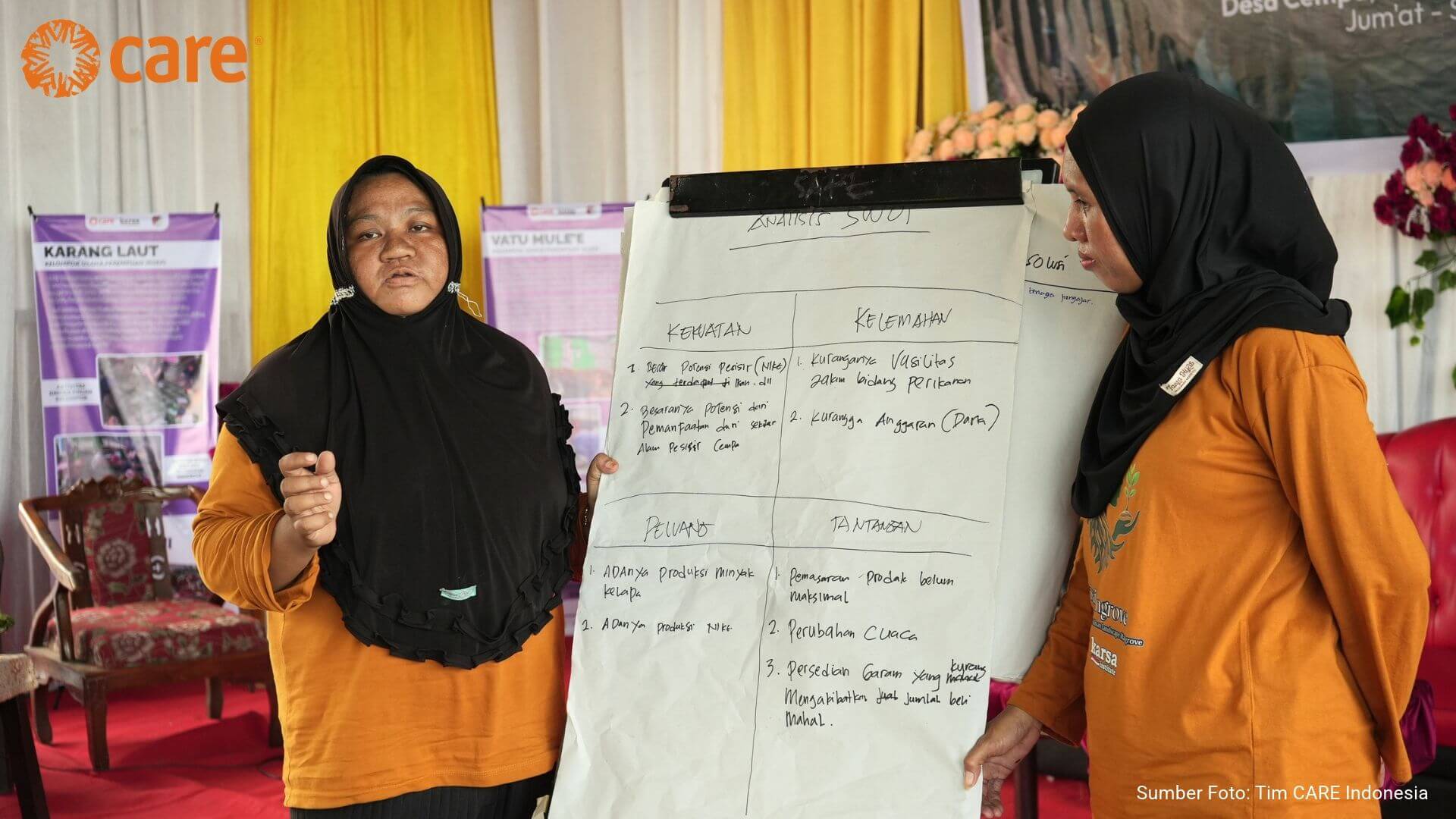
Women’s participation in decision-making is an essential part of inclusive and equitable development. Women should not only have opportunities to participate in community activities but also be given the space to voice their aspirations, set priorities, and influence decisions that affect the lives of their communities.
However, women’s opportunities to participate in politics and decision-making processes continue to face various challenges. Data from the Ministry of Women’s Empowerment and Child Protection (Kemen PPPA) show that women secured approximately 22.24 percent of seats in the House of Representatives (DPR RI) following the 2024 General Elections. This figure remains below the 30 percent target for women’s representation, highlighting the need to strengthen women’s representation in political institutions.
Special Advisor to the Minister of Women’s Empowerment and Child Protection, Siti Nia Nurhasanah, said that similar challenges also need to be addressed at the community and village levels. Women often lack sufficient opportunities and trust to participate in discussions or decisions that shape the direction of development.
“Women’s experiences and knowledge of family needs and issues in their surrounding environment are valuable resources for formulating decisions that are more responsive to community needs. Women must be positioned as active agents of development, not merely as objects or beneficiaries of empowerment programmes,” she said while facilitating the Ruang Bersama Indonesia (RBI) training on Coastal Protection Perspectives, organized by CARE Indonesia and KARSA Institute in Cempa Village, Tojo Una-Una District, Central Sulawesi, on Saturday, November 7.
According to Nia, enabling women to participate more actively requires providing them with opportunities to develop their capacities, recognize their potential, build self-confidence, and gain the courage to express their opinions.
“In this RBI training, participants took part in self-awareness exercises to better understand their identities, potential, and personal values. Recognizing their own capabilities is an important foundation for women to take on greater roles in their communities,” she added.
Furthermore, Nia emphasized that these efforts cannot be undertaken by women alone. The government, village administrations, community organizations, families, and women’s groups need to work together to create open and equitable spaces for participation.
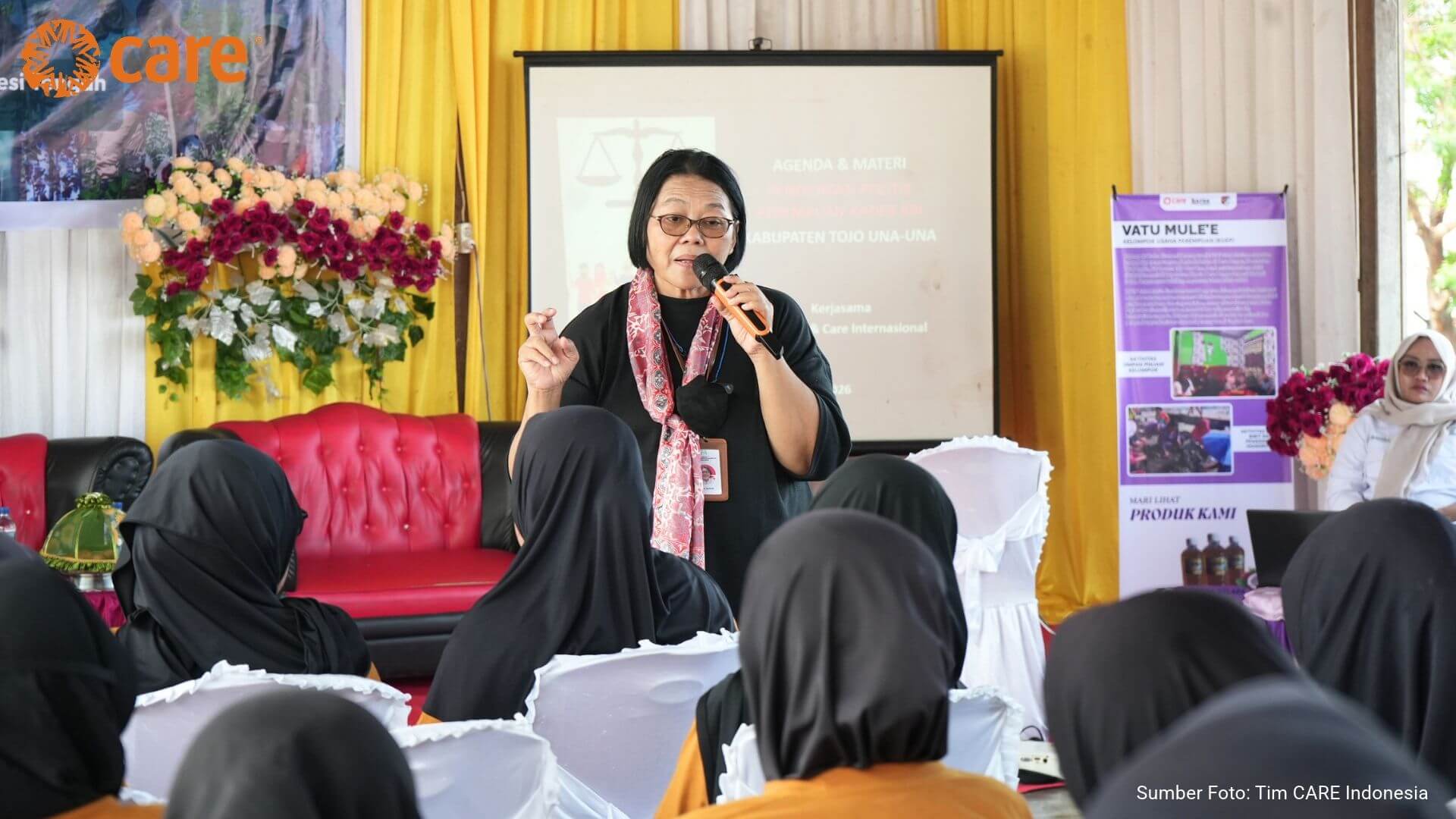
“This support can be demonstrated by involving women in village deliberations, providing them with opportunities to lead community activities, and taking their aspirations into account when developing programmes. We must also recognize women as an integral part of the nation’s development process, rather than treating them merely as objects of development,” she said.
Echoing Nia’s views, Head of the Tojo Una-Una District Social Affairs Office, Darmawan Suaib, said that economic independence and empowerment are among the ways to strengthen women’s positions within their communities. To this end, his office is committed to providing support for women’s groups to develop their businesses.
“Community economic development, particularly initiatives targeting women, must be based on accurate data that reflects the actual conditions and needs of the community. We therefore need reliable data to ensure that our support can have a significant impact on women’s groups in Cempa Village. We will also conduct monitoring and provide ongoing assistance here,” Darmawan said.
Sunarti, Chair of the Vatu Mule’e Women’s Economic Business Group (KUEP), said the RBI training had helped her understand that women have important roles and responsibilities in decision-making and politics. She also recognized that she and other group members still need ongoing support to strengthen their economic independence and participate more actively in community decision-making.
“The materials delivered by the Ministry of Women’s Empowerment and Child Protection highlighted women’s participation in decision-making, including village-level meetings. However, we also hope to continue receiving support and guidance from CARE Indonesia and KARSA. We hope that through our business group and continued assistance, we can grow and develop further,” she concluded.
Writer: Kukuh Akhfad
Editor: Swiny Adestika