Search
Close this search box.

Creative Video as a Tool to Raise Awareness on Stunting Prevention

Stories

The Yayasan CARE Peduli, supported by PT Amman Mineral, organized a creative video competition with the theme “Let’s Prevent Stunting.” The competition, which attracted 61 participants from various regions across Indonesia, aimed to increase public awareness about stunting, its causes, and ways to prevent it.

Bagus, one of the winners from Banjarmasin, South Kalimantan, highlighted the involvement of fathers in child-rearing within households in his video. According to him, fathers play a crucial role in preventing stunting in children.

“I’ve just become a father myself, so I understand how important it is for husbands to support household responsibilities. It’s not just about providing good nutrition for the child, but also about offering emotional support to the wife,” he said.

Bagus, who is also an animated video content creator, expressed hope that his video would serve as a reminder of the significant role husbands play in childcare.

“In the video, it opens with a father saying that earning a living is enough. Then a grandfather character says that it’s not enough. A husband must also help with household chores and be present for his wife to support her mental well-being,” he added.

He hopes that more people will realize that husbands also have a role in domestic work. “I hope the video I created can serve as a learning tool for people to better understand the role of men in the household. May more men be inspired to participate in domestic responsibilities, as a husband’s support is one of the key aspects in preventing stunting,” he said.

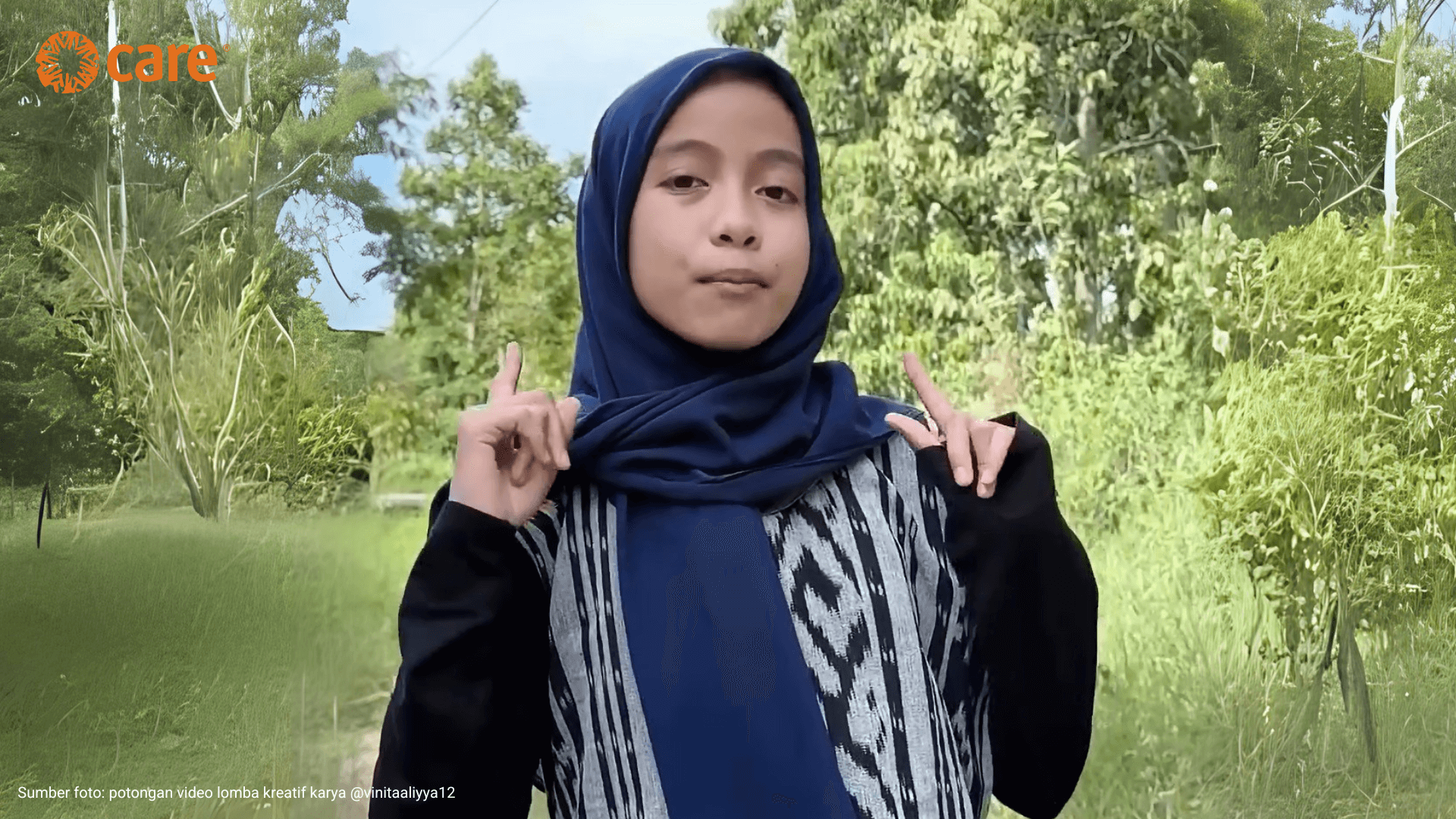
Vinita Aliyah, the first-place winner of the competition and a 7th-grade student at SMP 1 Cangkuang in Bandung District, shared that she joined the competition because she was concerned about the many children in her community suffering from malnutrition. This motivated her to spread awareness about growth problems in children and efforts to prevent stunting.

“In my neighborhood, there are still many children suffering from malnutrition. I also want people to know that stunting doesn’t just cause short stature, but also affects children’s intelligence in the future,” she explained.

Vinita said that the video-making process took a week, involving data collection, song writing, filming, and editing. The most challenging part, she said, was writing the song lyrics to match the data.

“The process started with two days of collecting ideas and data, followed by two days of recording the song, and three days of video editing. I did all of this with my mother’s help,” she shared.

Vinita also hopes that people become more aware that stunting can be prevented by avoiding early marriage. She emphasized that the first 1,000 days of life are a crucial phase in a child’s development.

“Child marriage must be prevented. In my opinion, it robs children—especially girls—of their rights. Couples who marry young are also likely not ready to meet their children’s nutritional needs,” she concluded.

According to the 2022 National Nutrition Status Survey (SSGN), the National Population and Family Planning Agency (BKKBN) reported that stunting prevalence in Indonesia reached 21.6 percent. This means Indonesia is still above the 20 percent threshold considered chronic and in need of serious intervention.

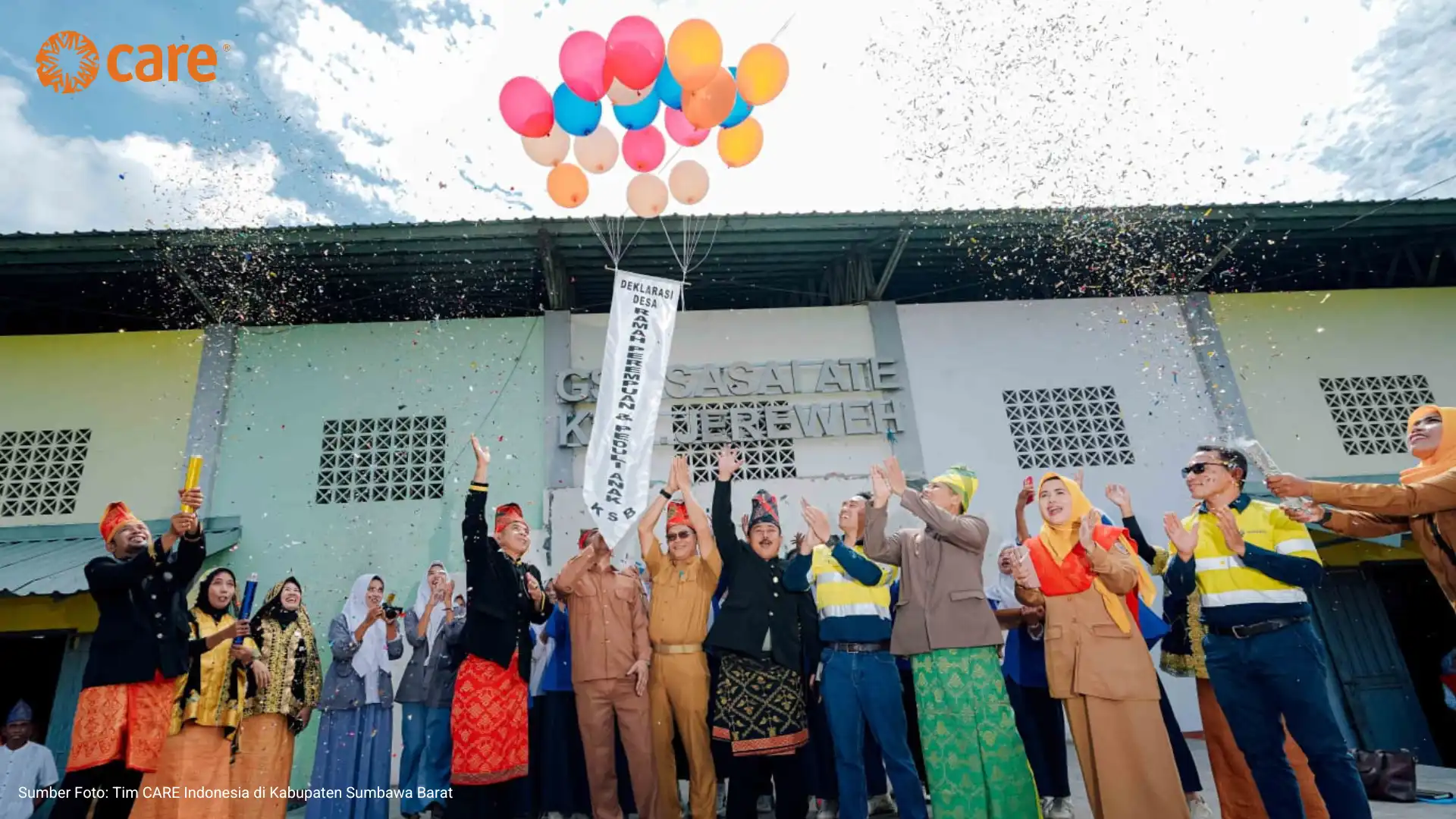
Through the stunting reduction acceleration program in West Sumbawa District (KSB), the Yayasan CARE Peduli, supported by PT Amman Mineral, has been carrying out specific interventions by provision additional nutritious meal (PMT) from 2023 to 2024. A total of 372 children with stunting, 47 children with wasting, and 17 underweight children received 90-day cycles of continuous supplementary feeding from December 2023 to March 2024 and from June to September 2024. The results showed that 30 percent of the children who received the supplementary feeding interventions were no longer stunted, and 87 percent experienced a weight gain of more than 200 grams per month.

In addition, efforts to increase knowledge about nutrition and provide parenting guidance were conducted alongside the PMT so that nutritional improvements could continue after the intervention ended. PMT was also provided to 29 expected mothers with Chronic Energy Deficiency (CED), 16 with anemia, and 23 breastfeeding women, all of whom experienced weight gain during 30-day periods across two cycles in 2023 and 2024. As a result, 83 percent of expected mother with CED recovered, 88 percent were no longer anemia, and 81 percent gained weight.

Sensitive interventions were also implemented in KSB through various capacity-building efforts, such as increasing awareness of gender roles and equality, communication and leadership training, economic empowerment of women’s groups through the formation of Women’s Economic Business Groups (KUMP), training on home garden nutrition, access to clean water, youth engagement and education classes, and financial literacy. These holistic efforts are aimed at preventing stunting, wasting, and underweight conditions in children, as well as CED and anemia in expected mother.

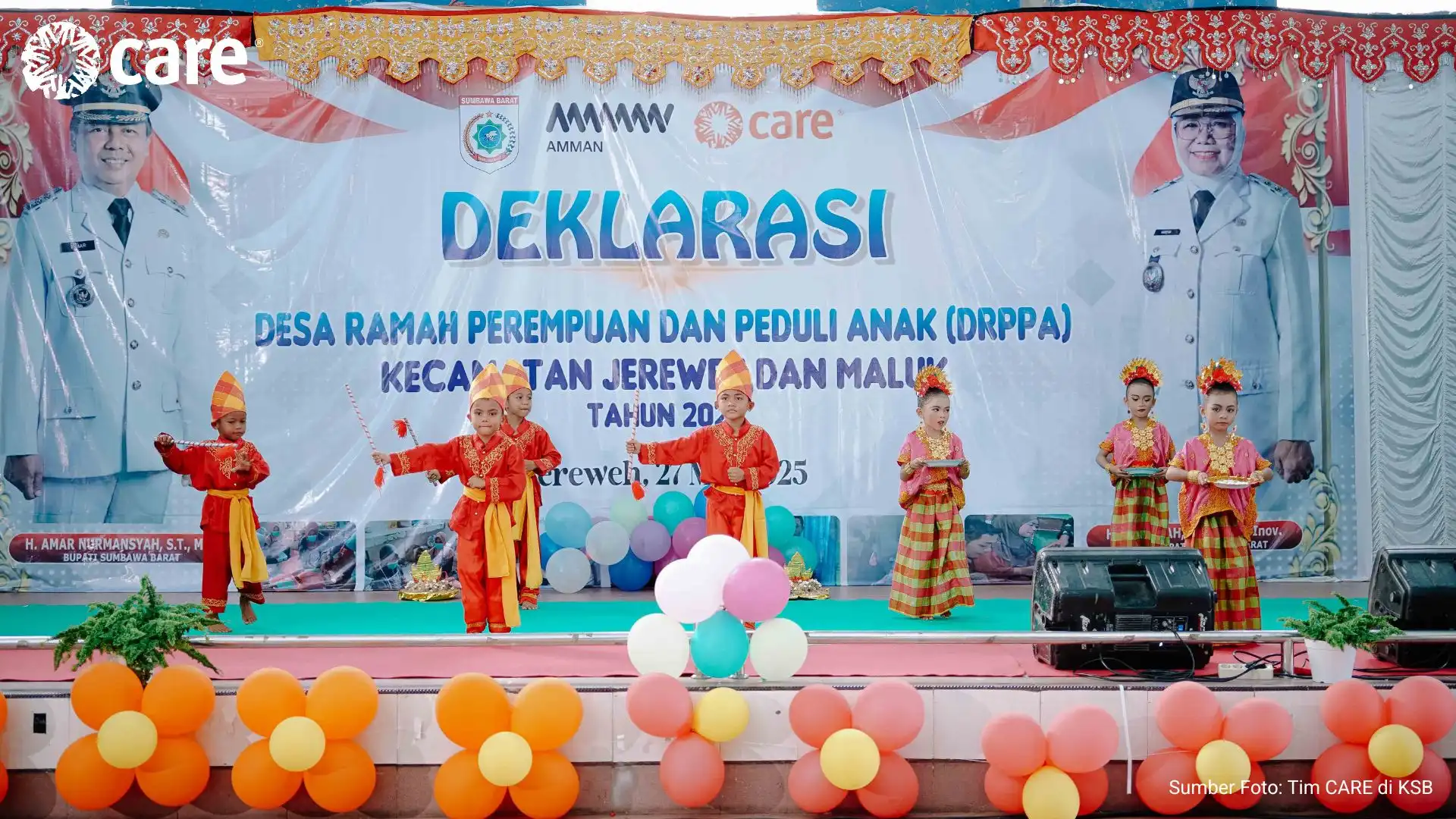
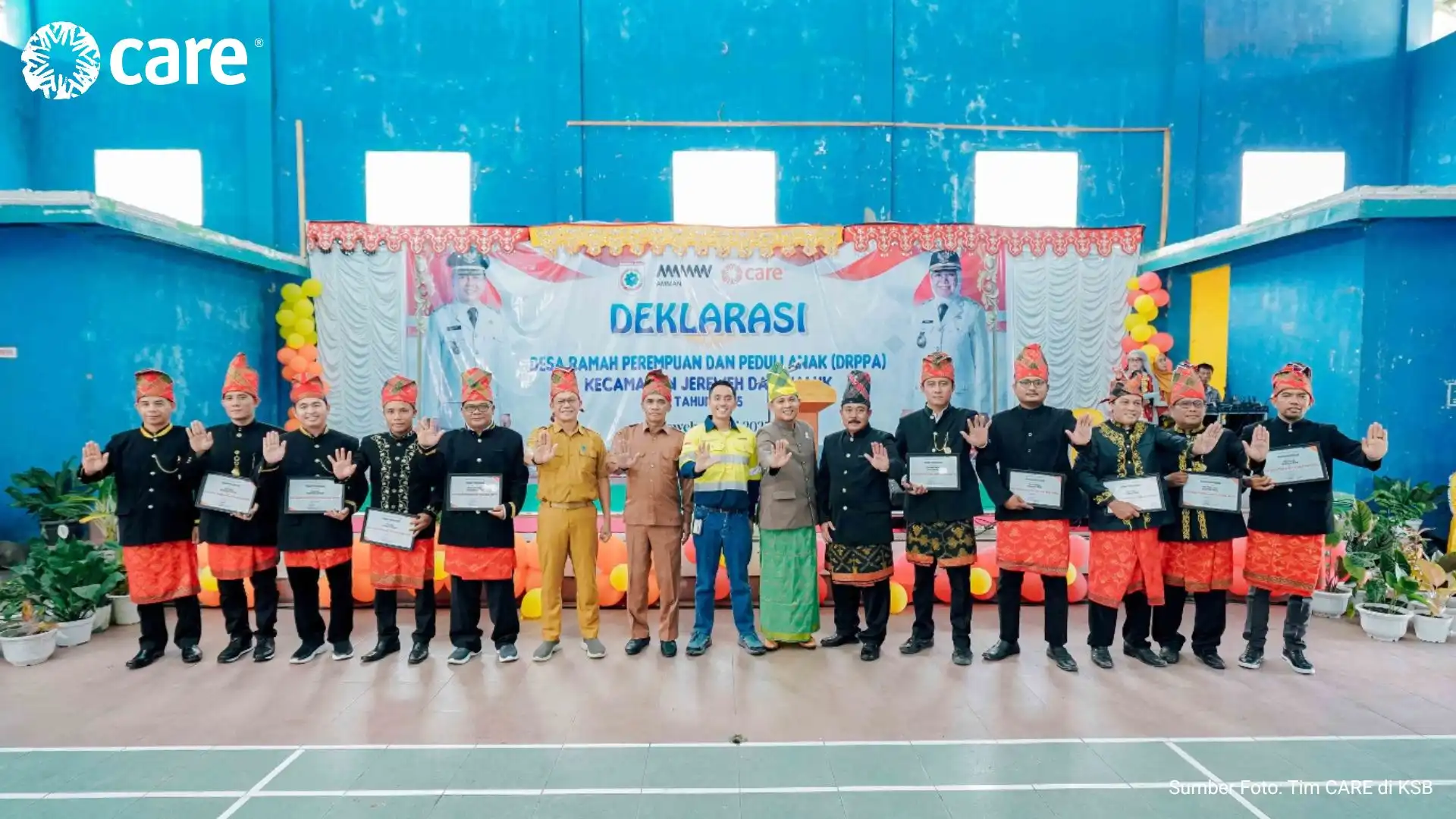
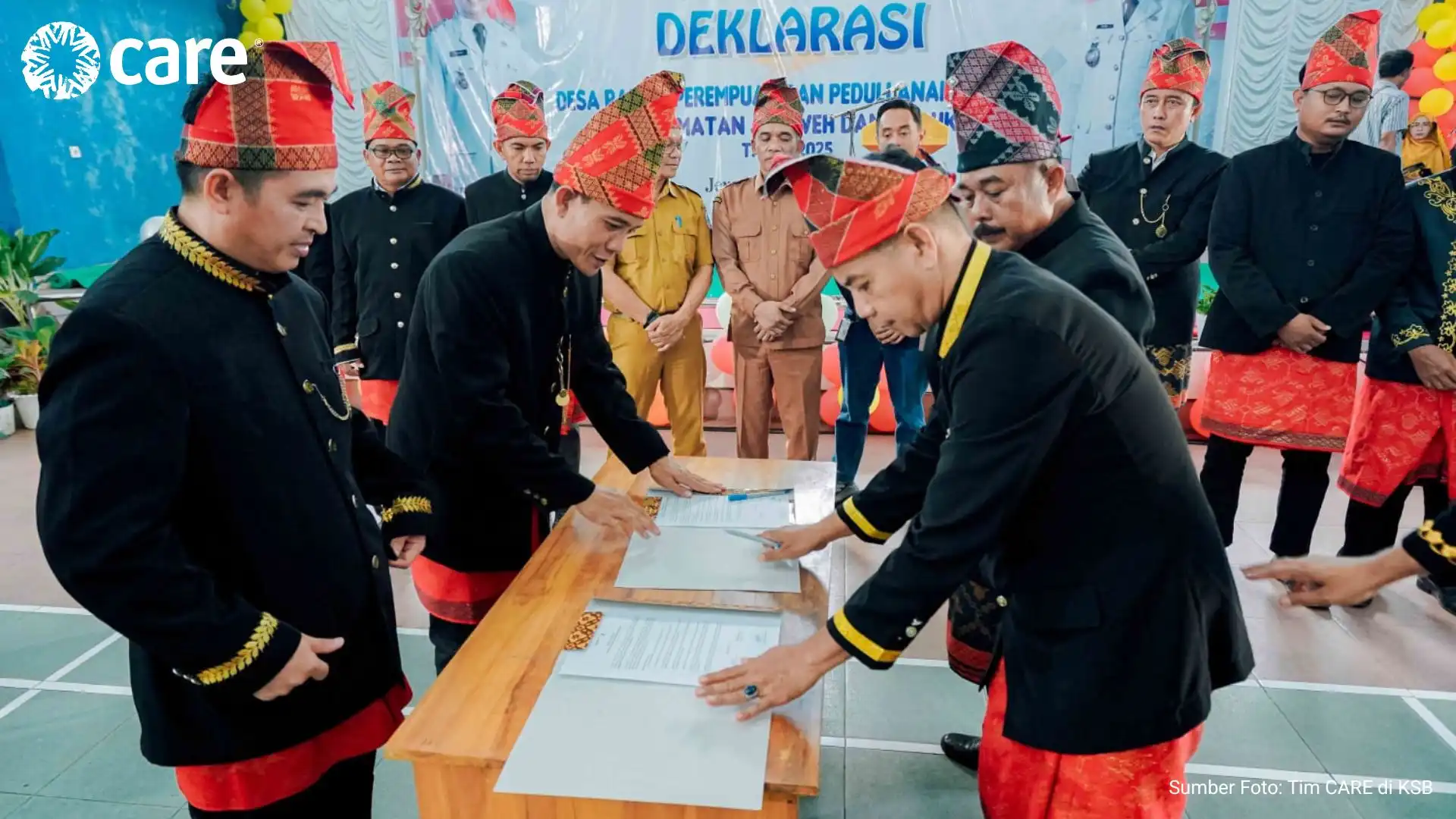
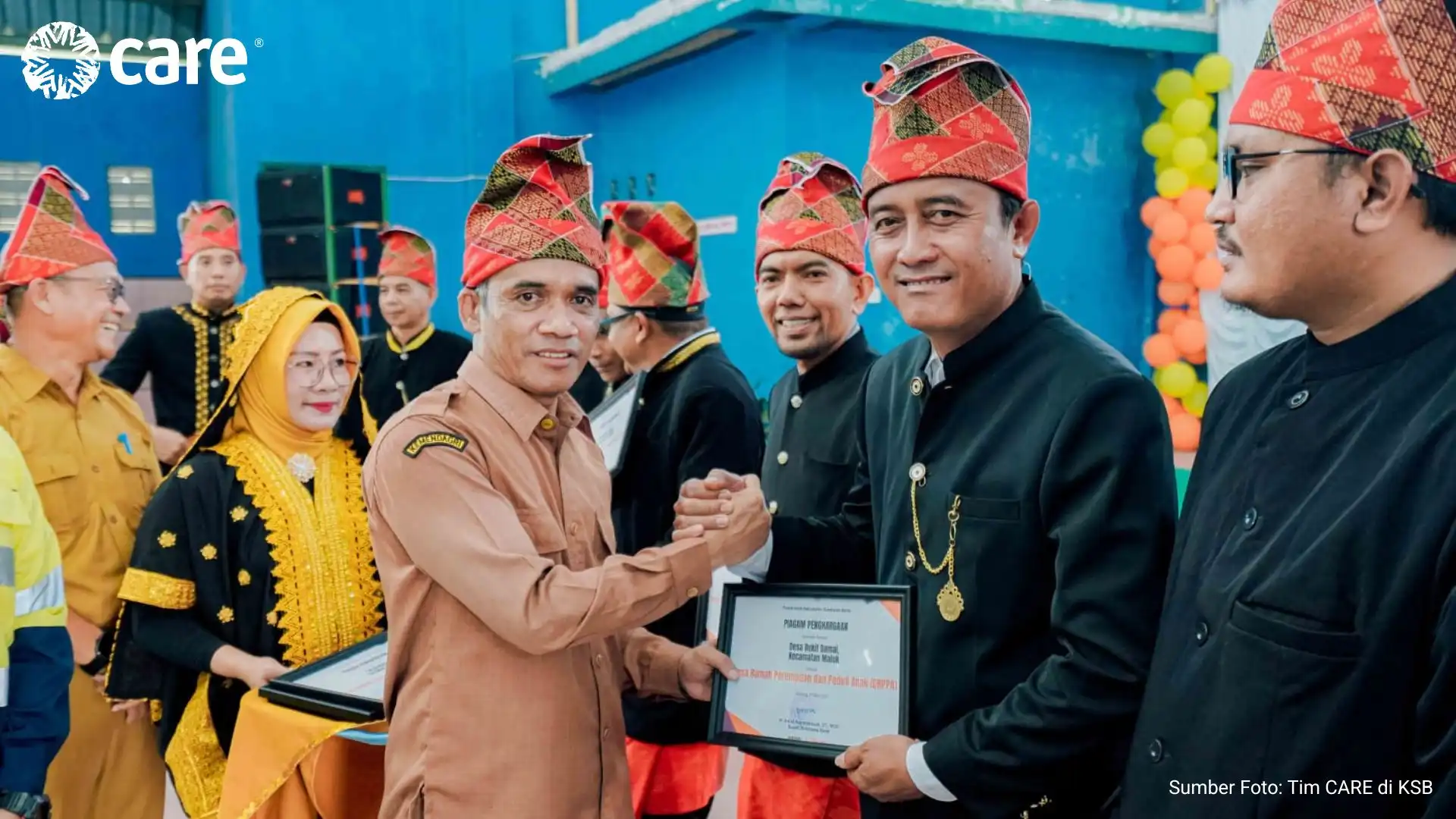
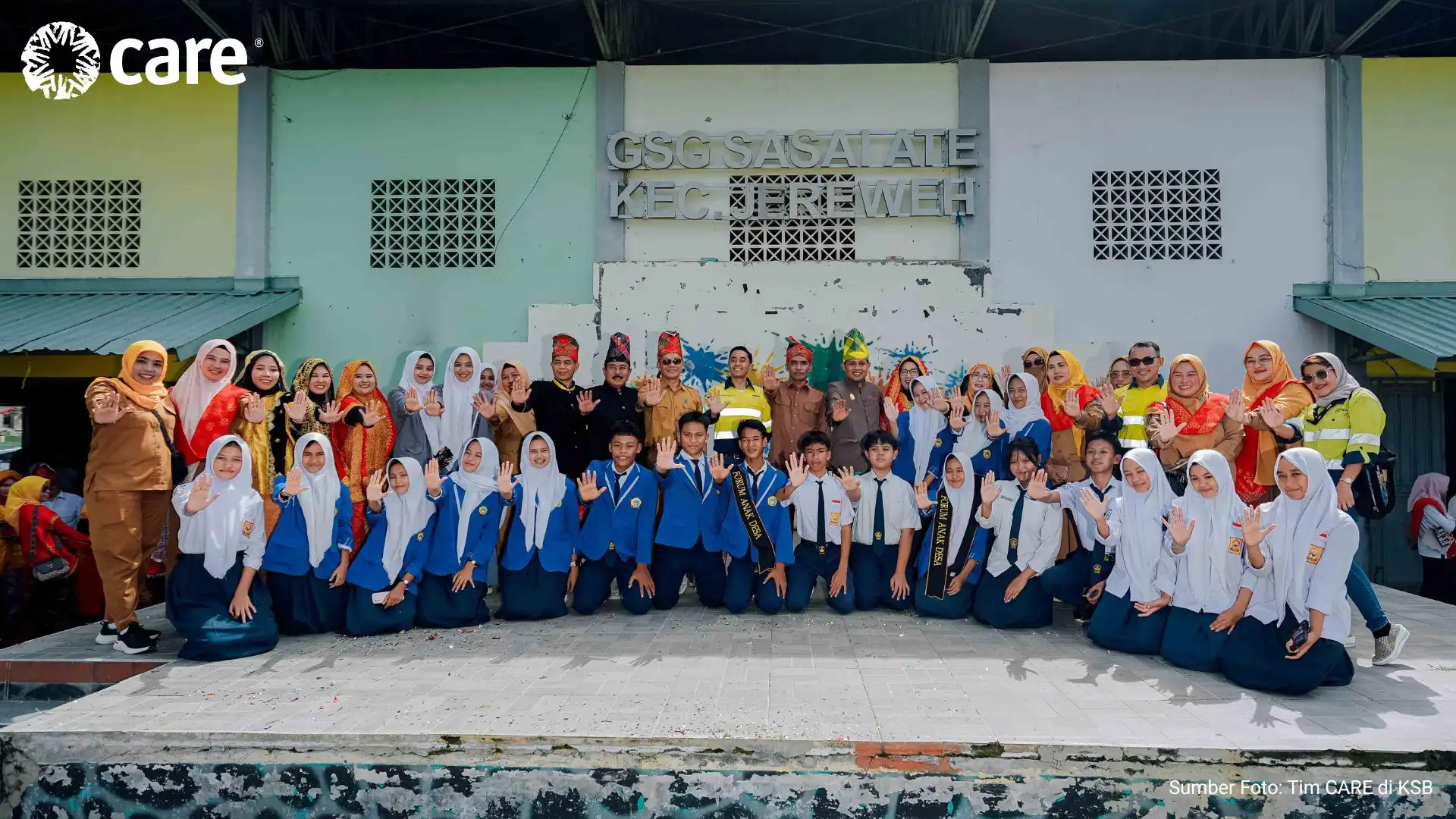
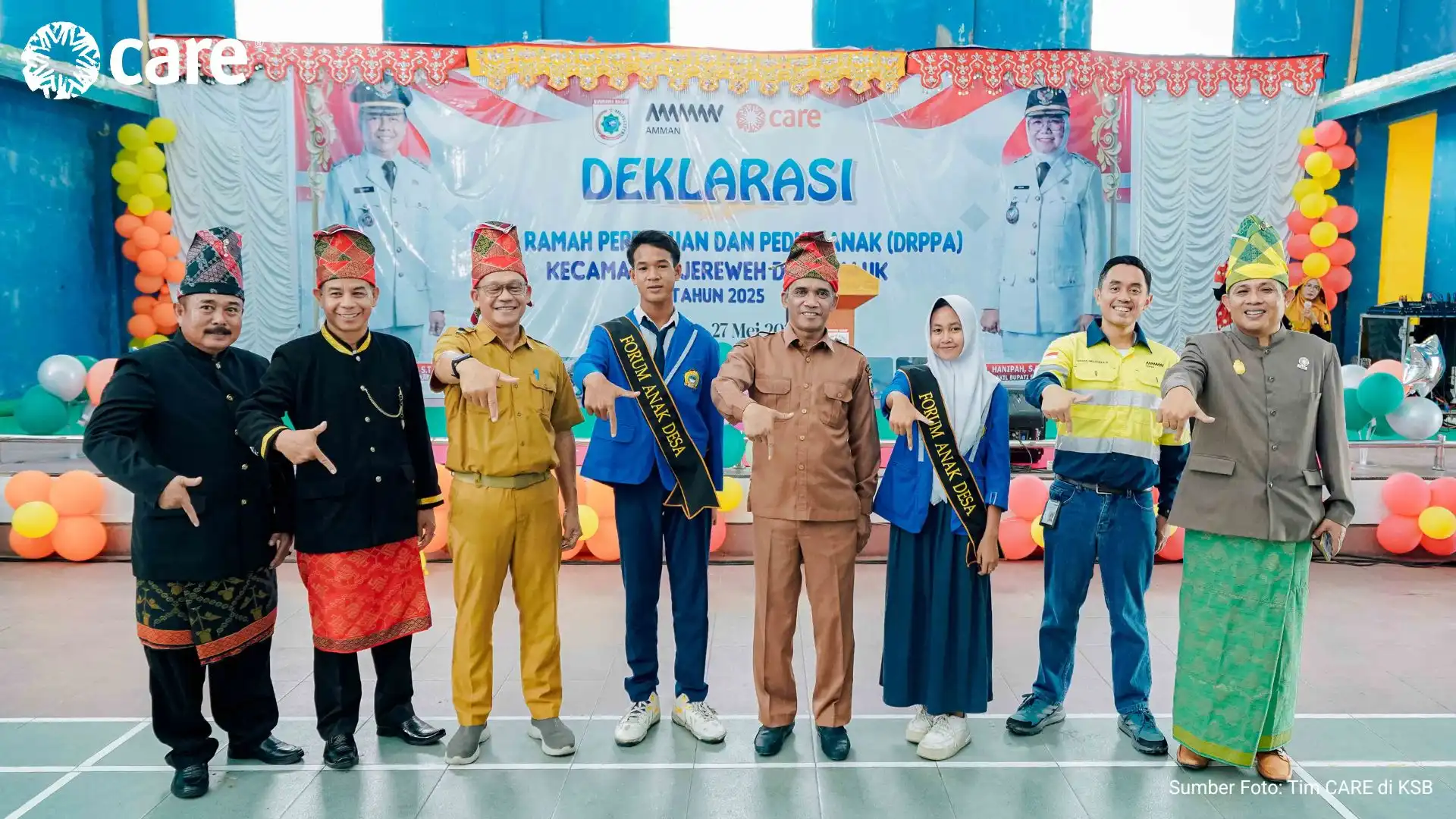
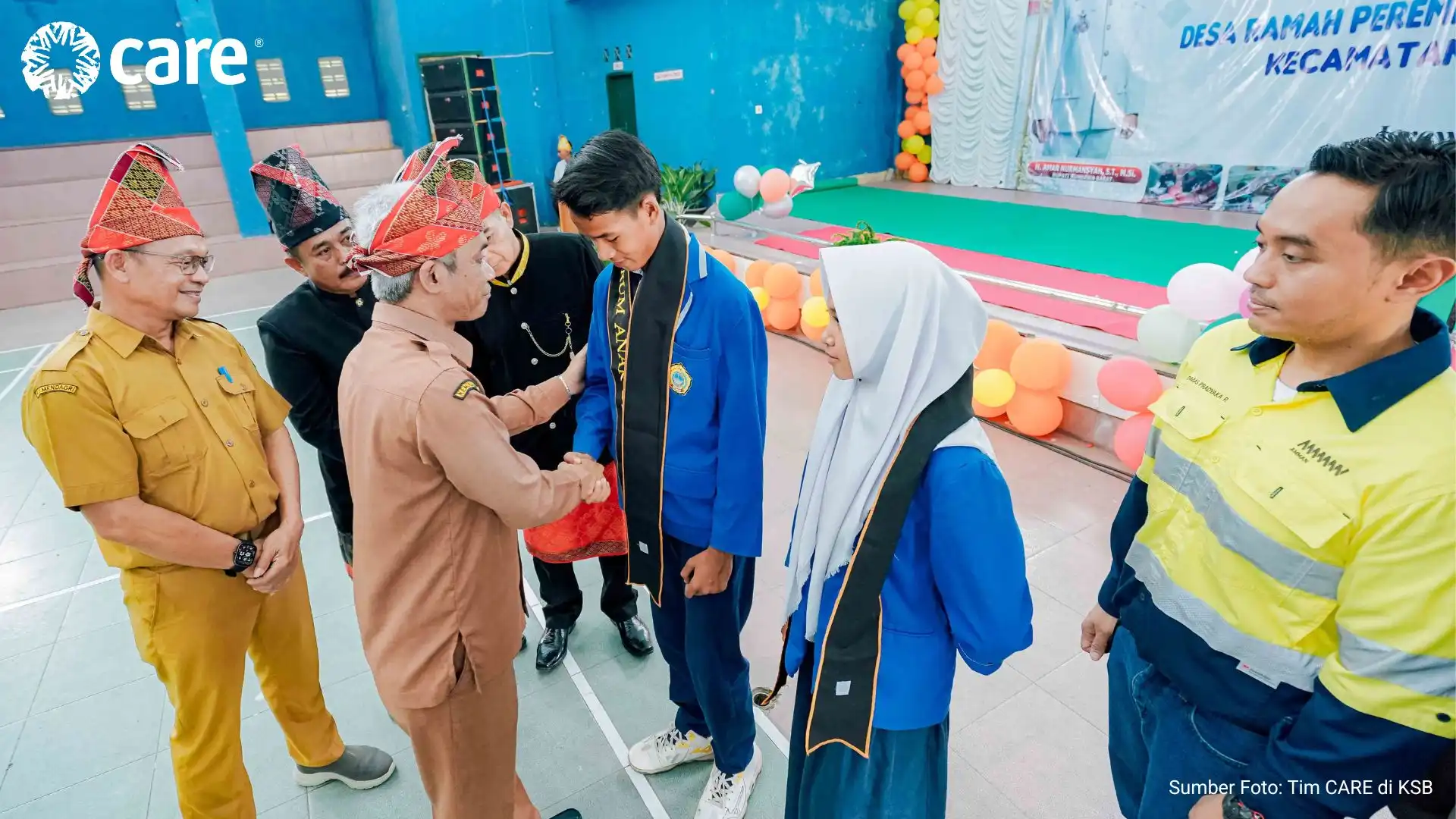
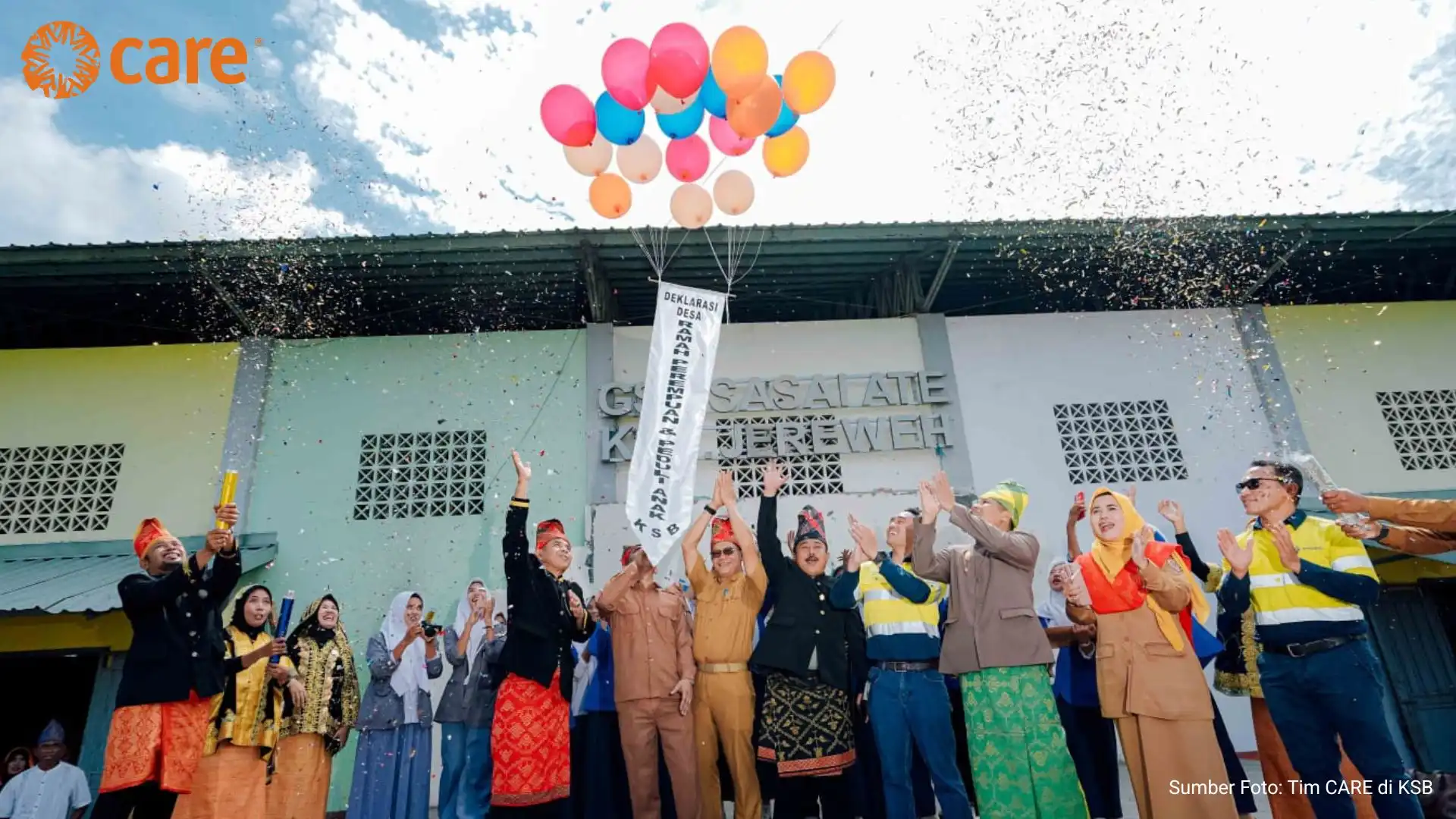
Collaboration with the West Sumbawa District Government was also established. Through efforts to protect women and children, the Women and Child Friendly Villages (DRPPA) initiative was launched. The commitment of the 16 DRPPA villages supported by Yayasan CARE Peduli includes empowering women in entrepreneurship, enhancing the roles of mothers and families—including fathers—in parenting and education, reducing violence against women and children, decreasing child labor, and preventing child marriage. This initiative aligns with efforts to realize the “Ruang Bersama Merah Putih” in KSB, which is also a focus of the Indonesian government.

Writer: Kukuh A. Tohari
Editor: Swiny Adestika

KUEP as a Space for Women’s Economic Empowerment in Sigi District

Gallery

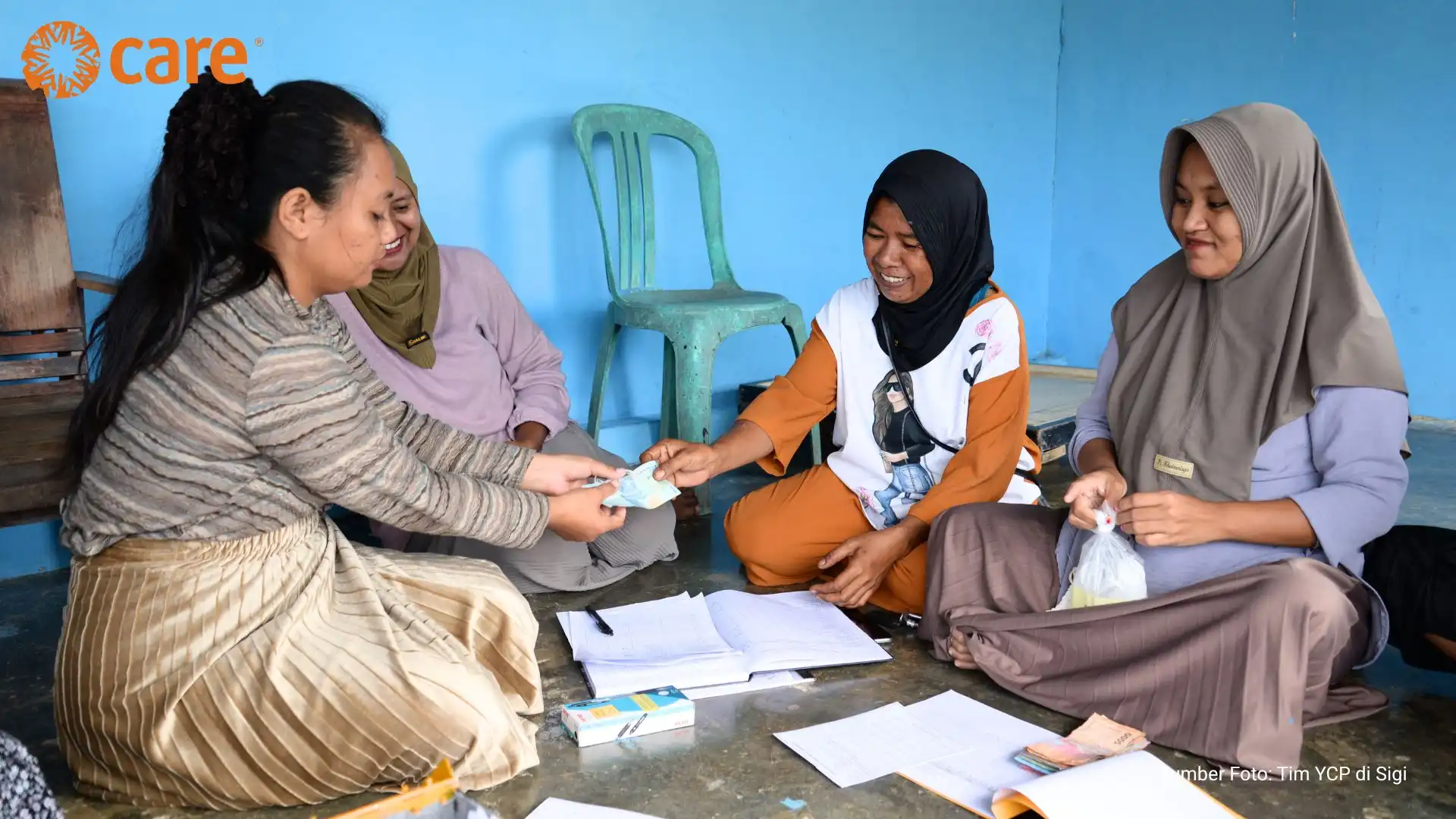
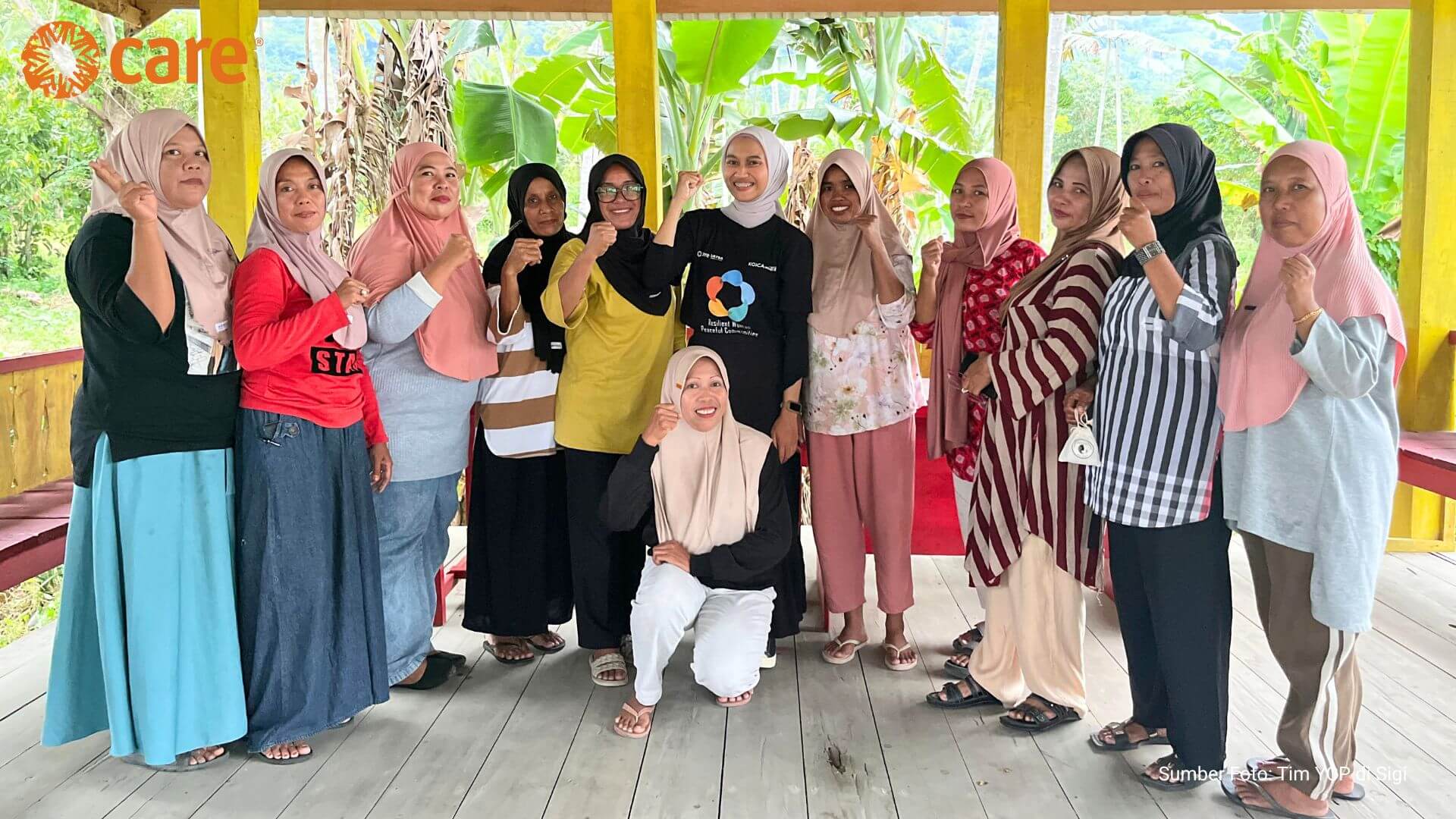
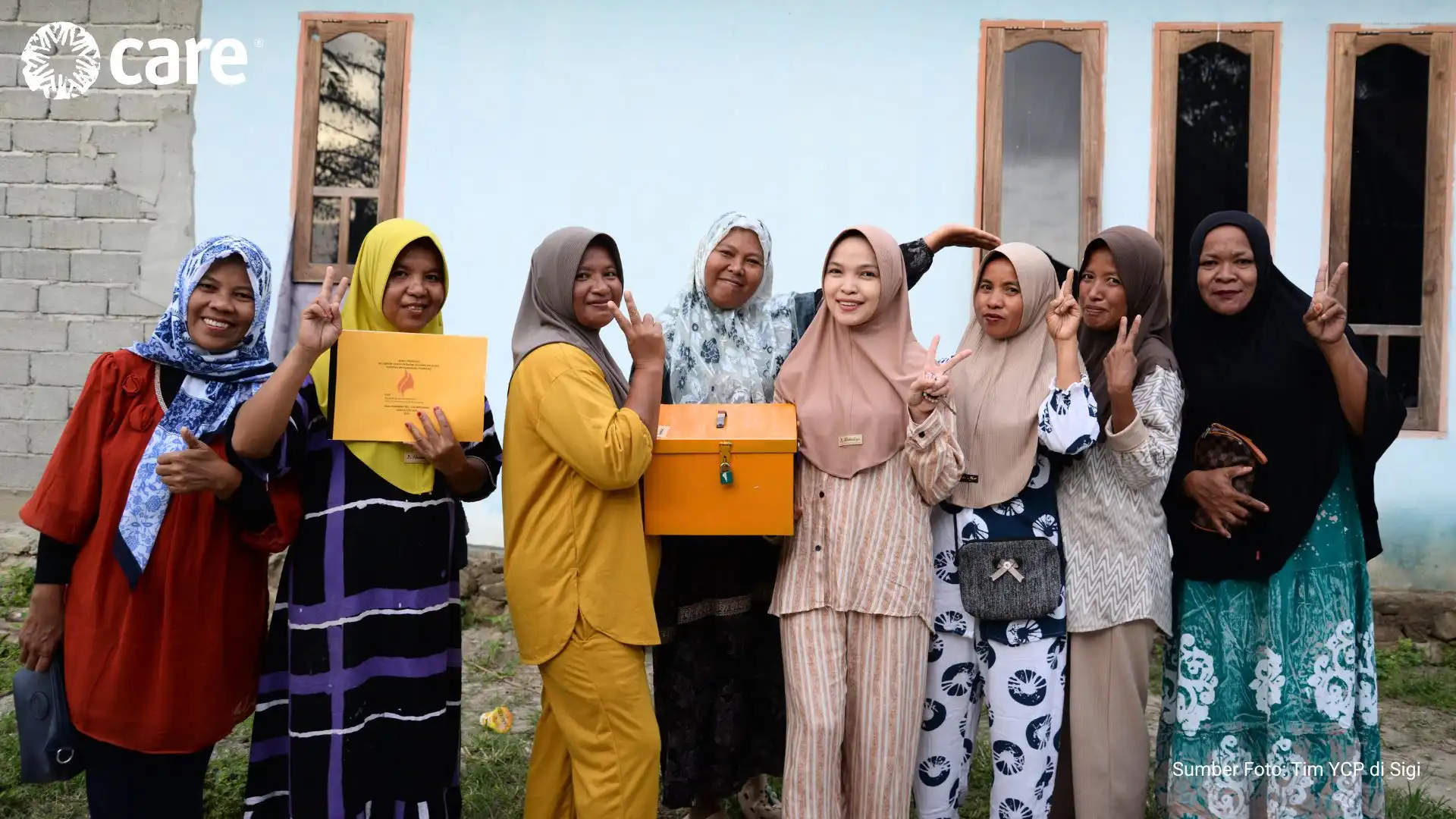
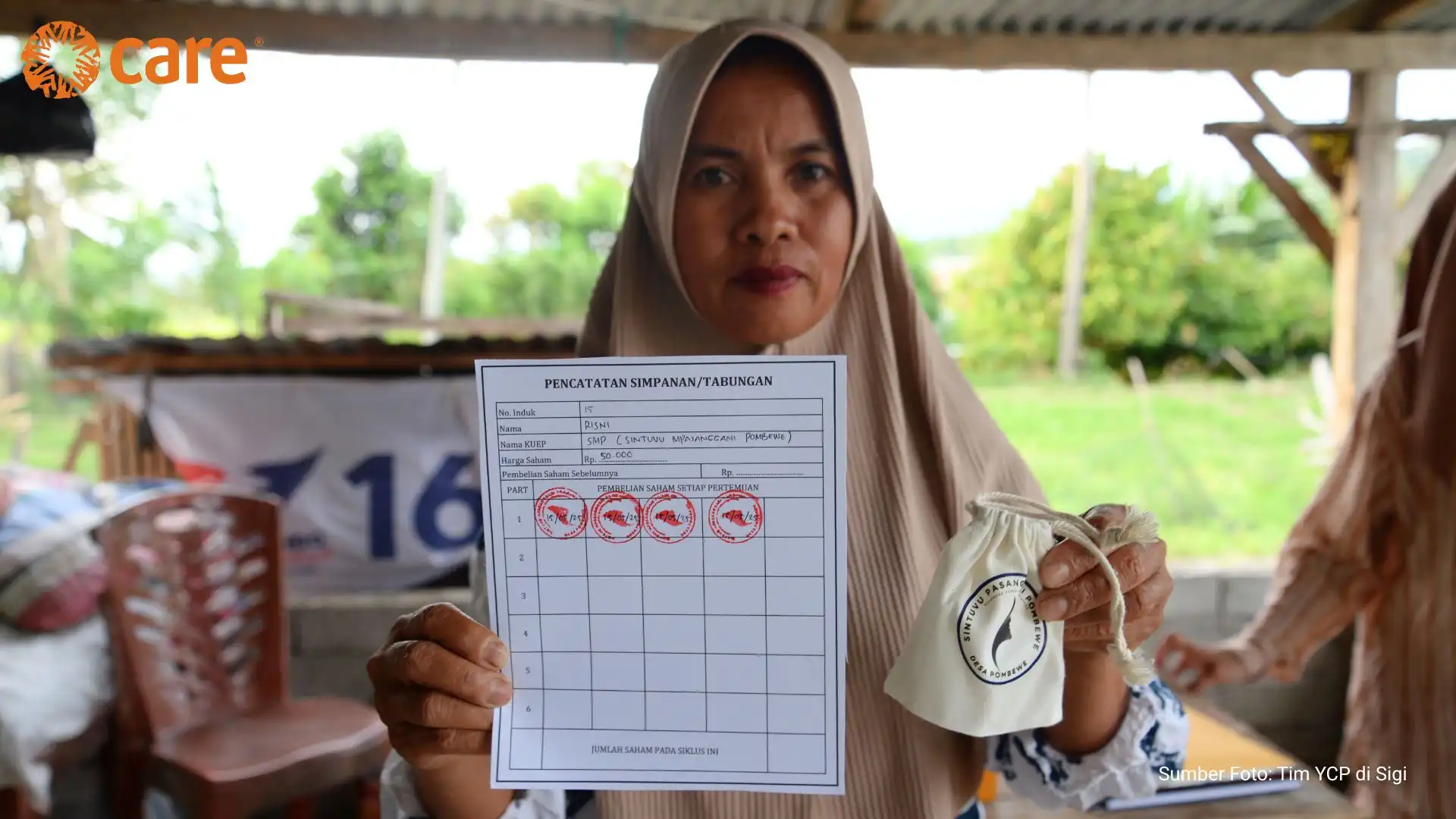
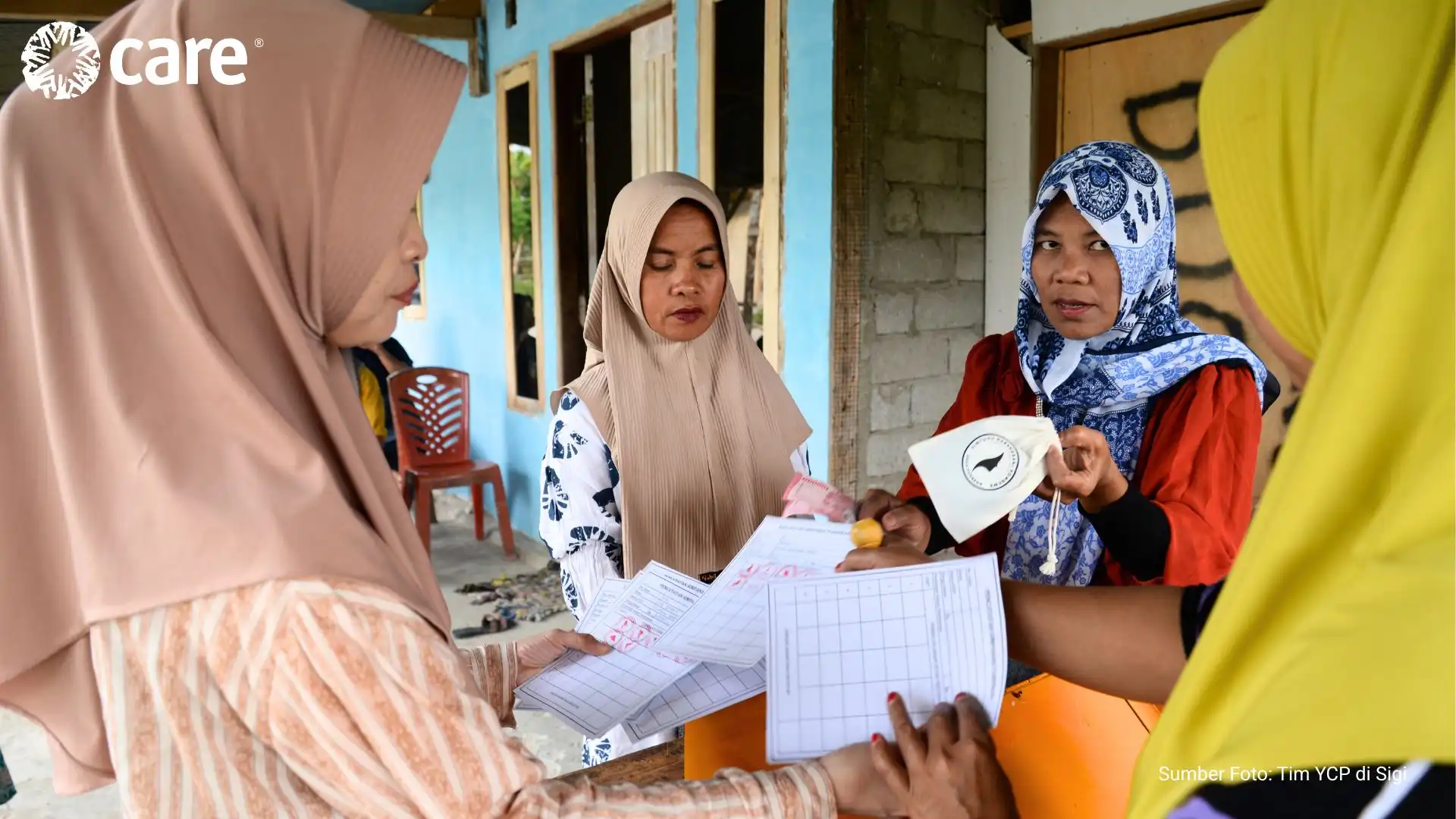
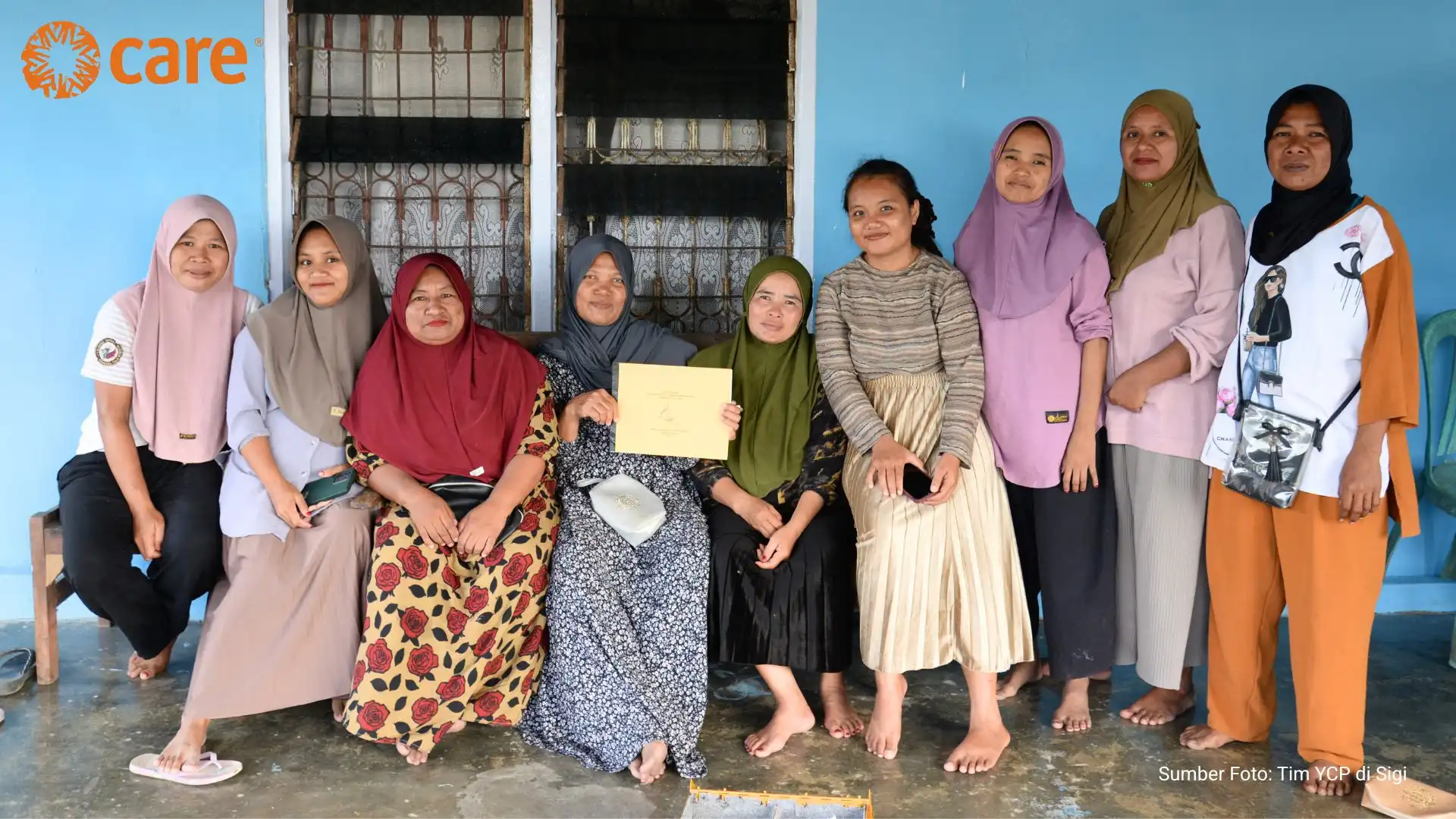
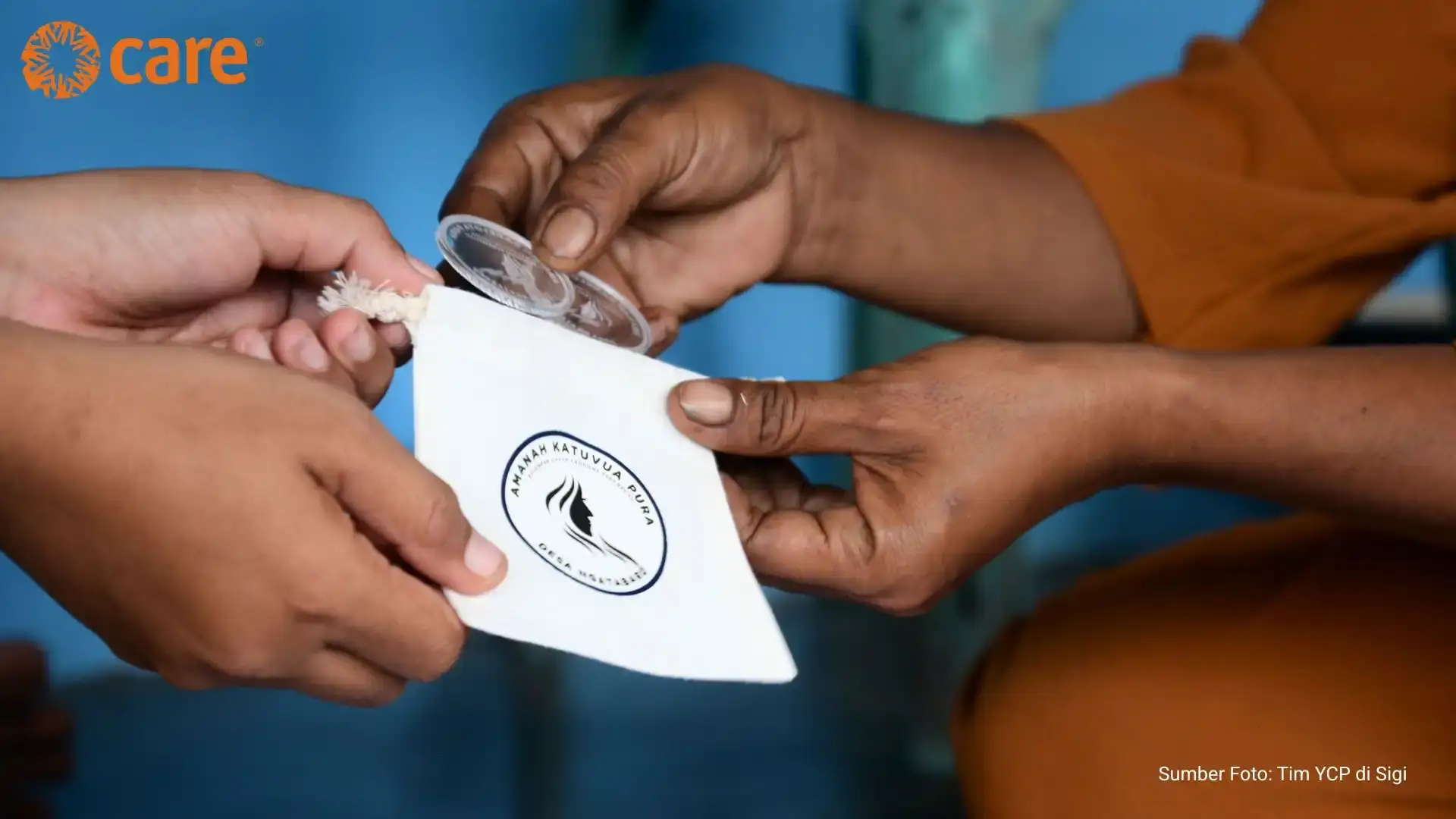
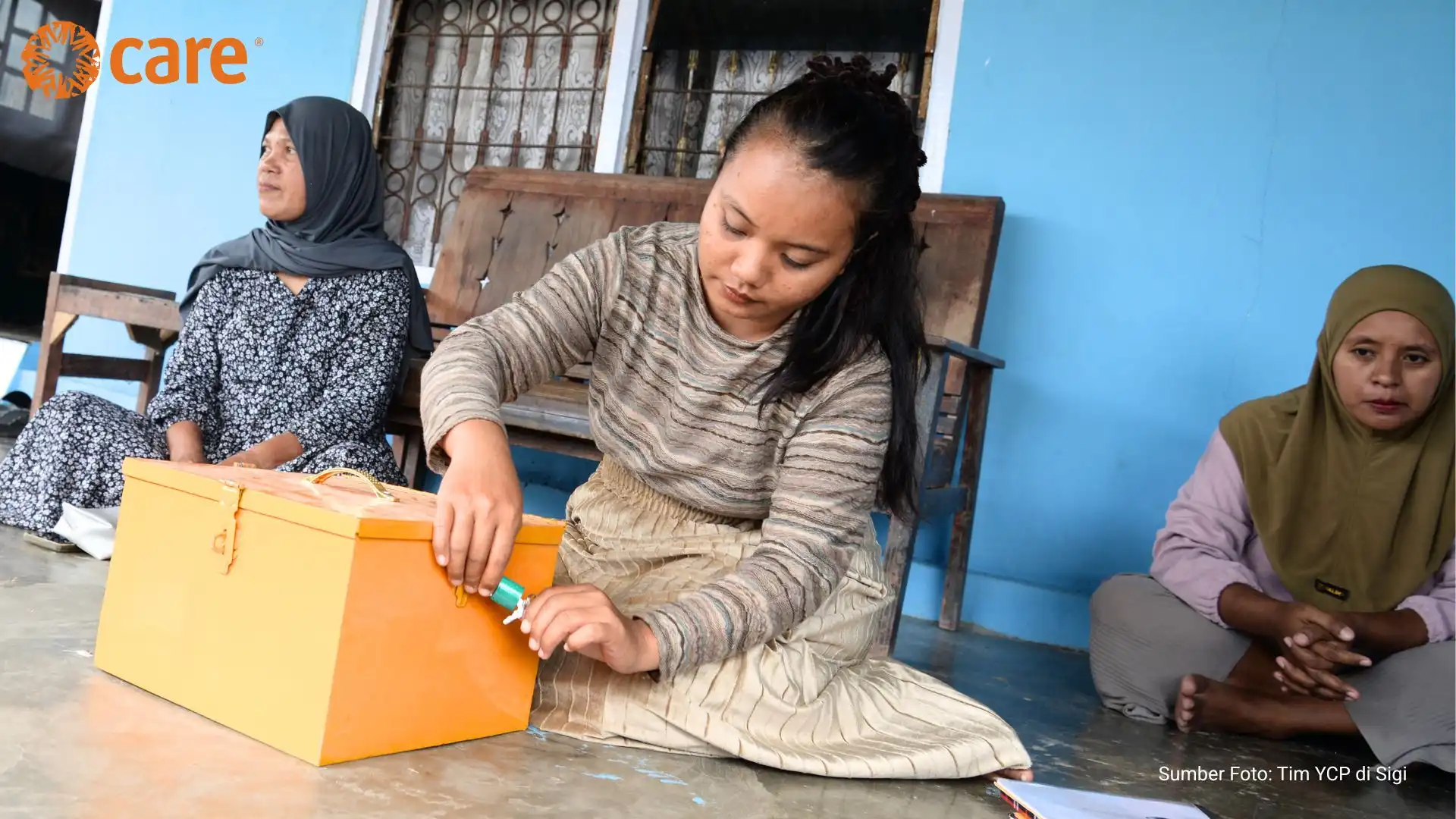
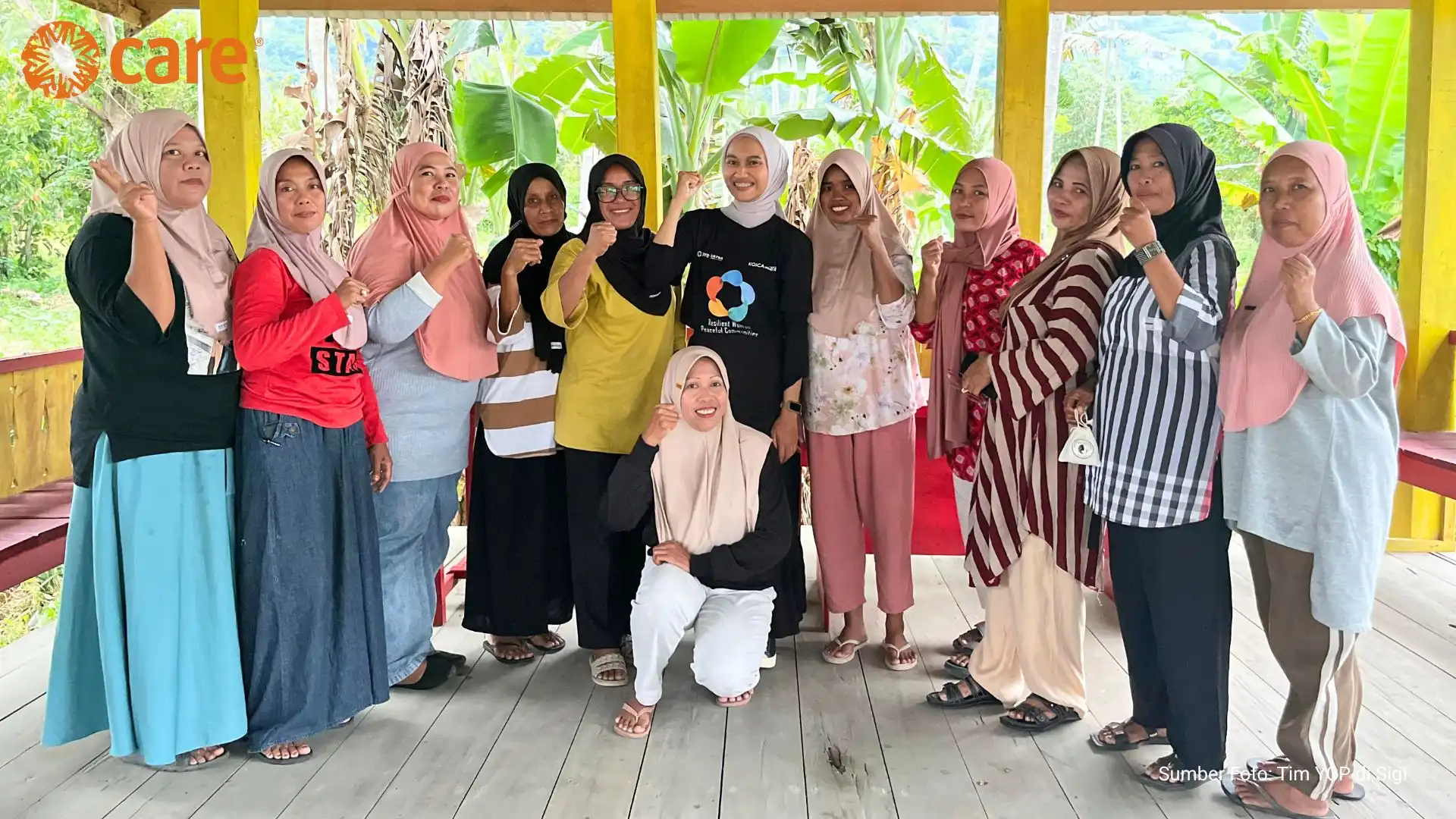
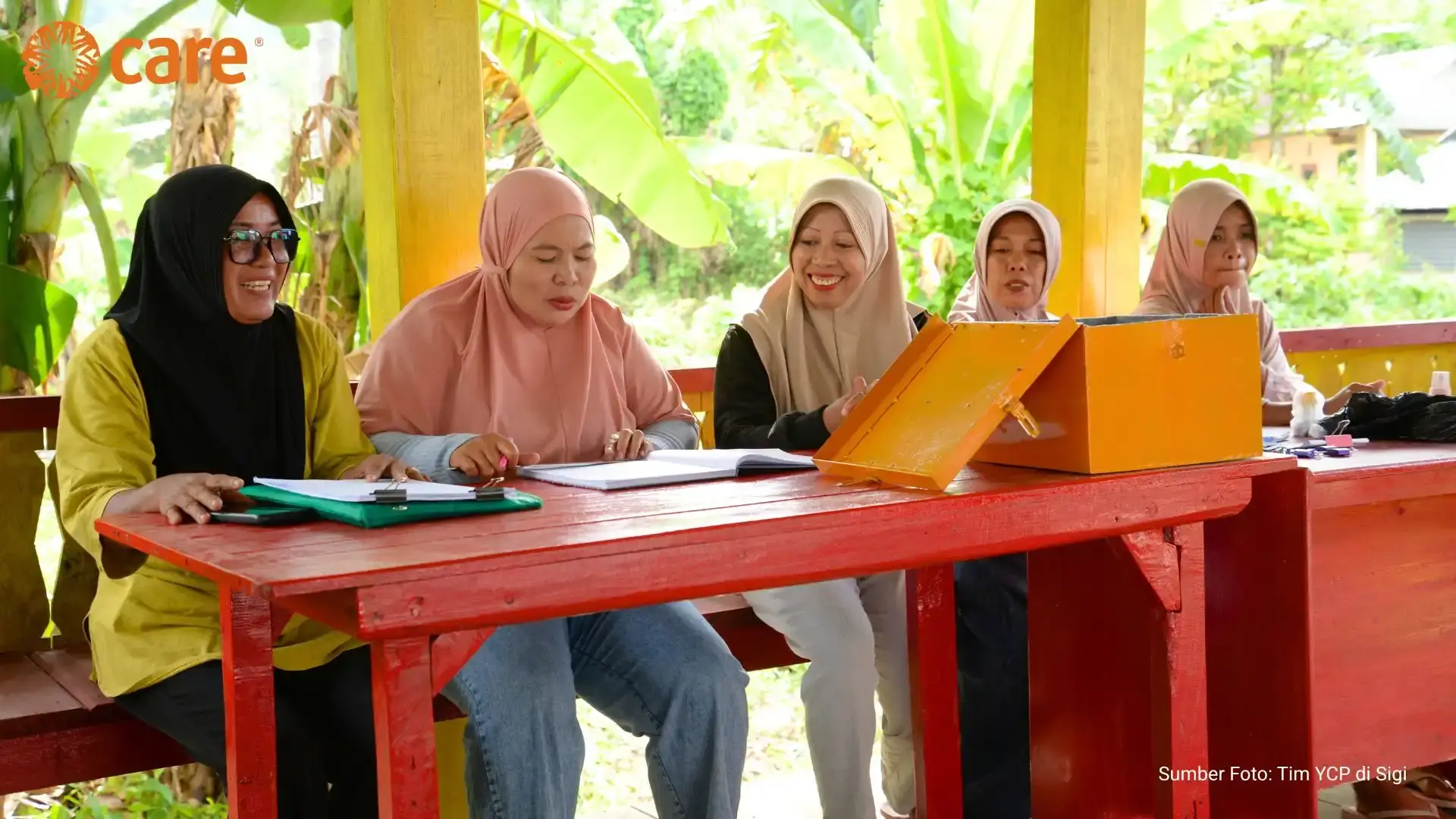
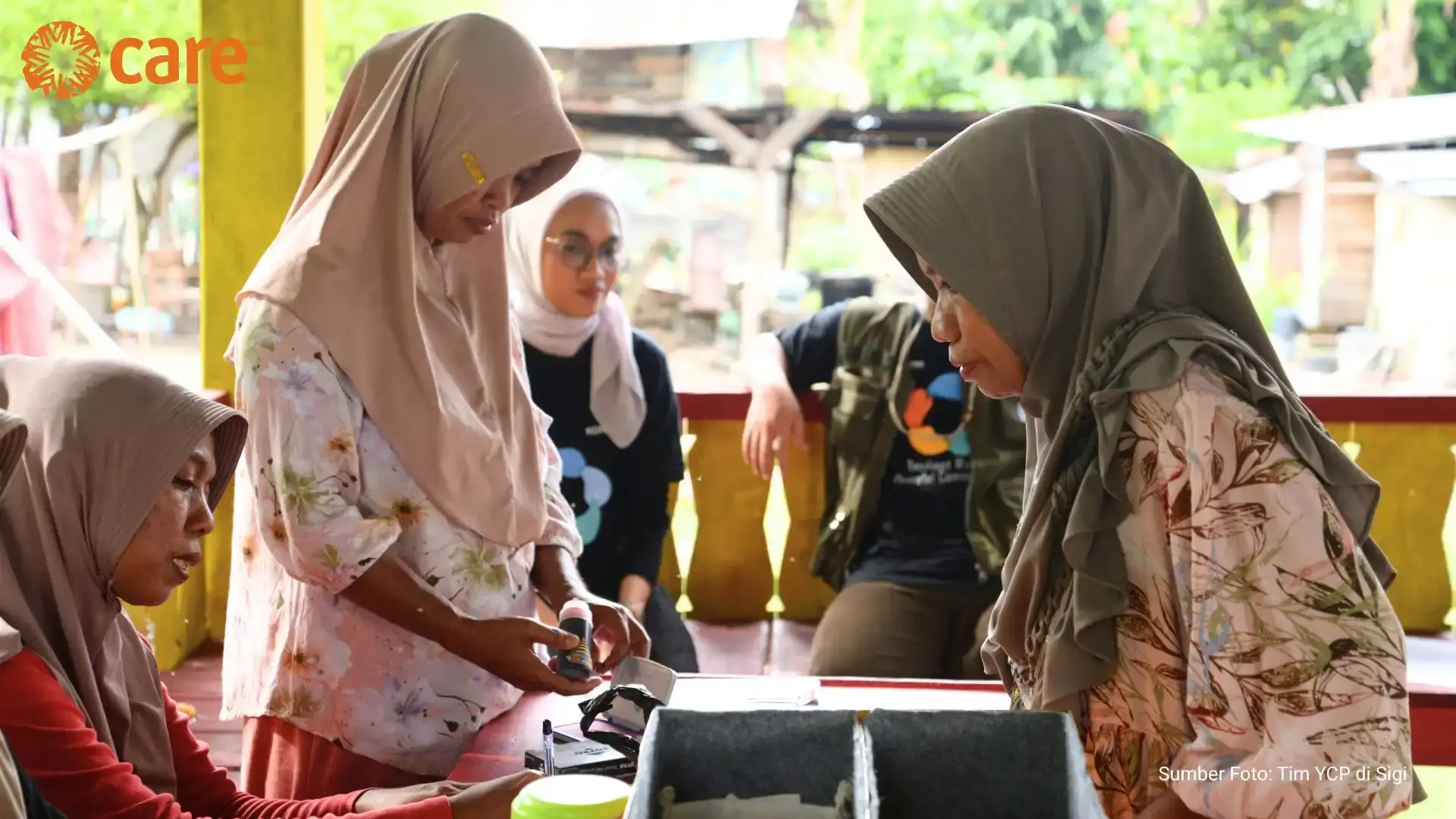
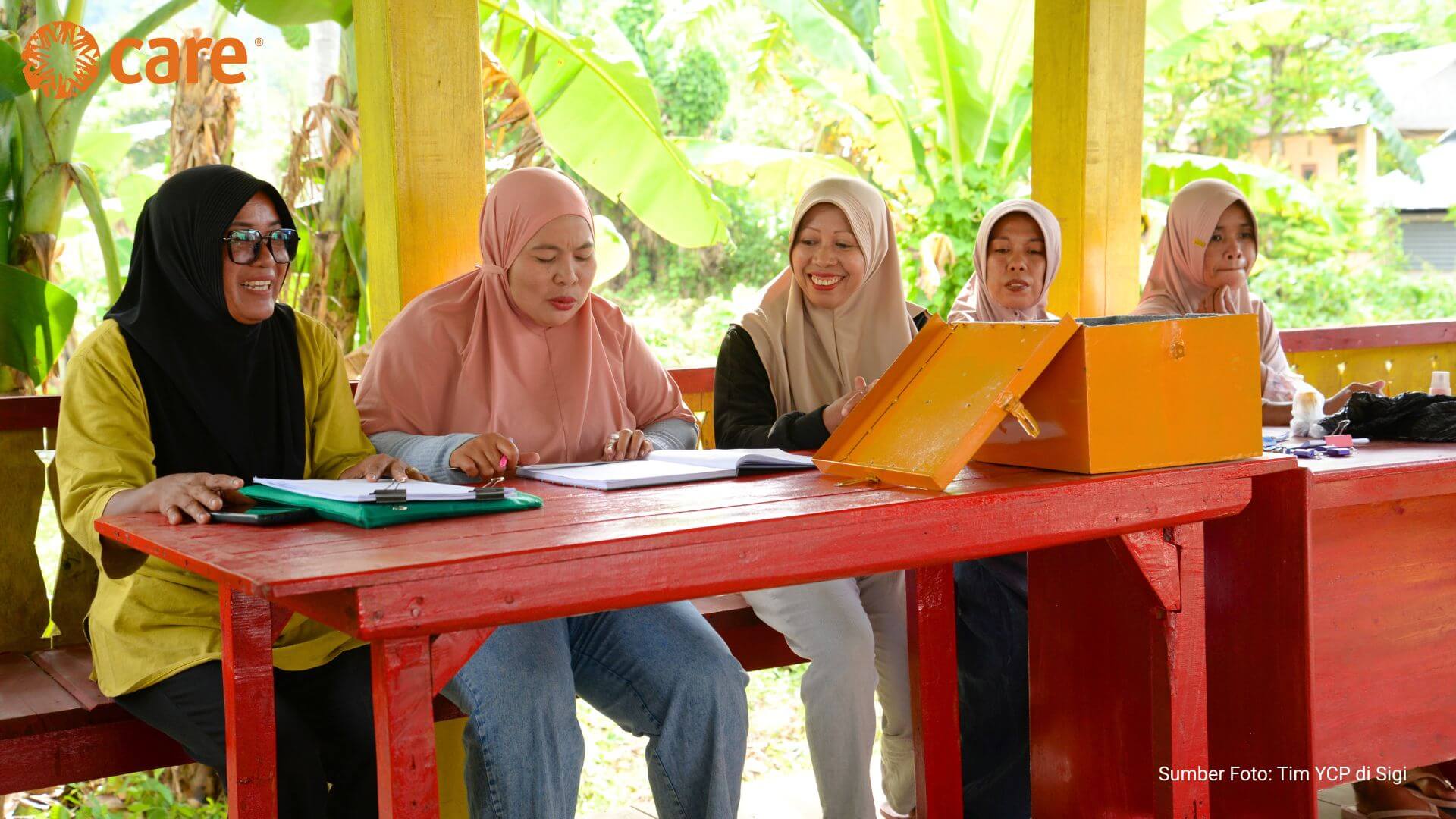
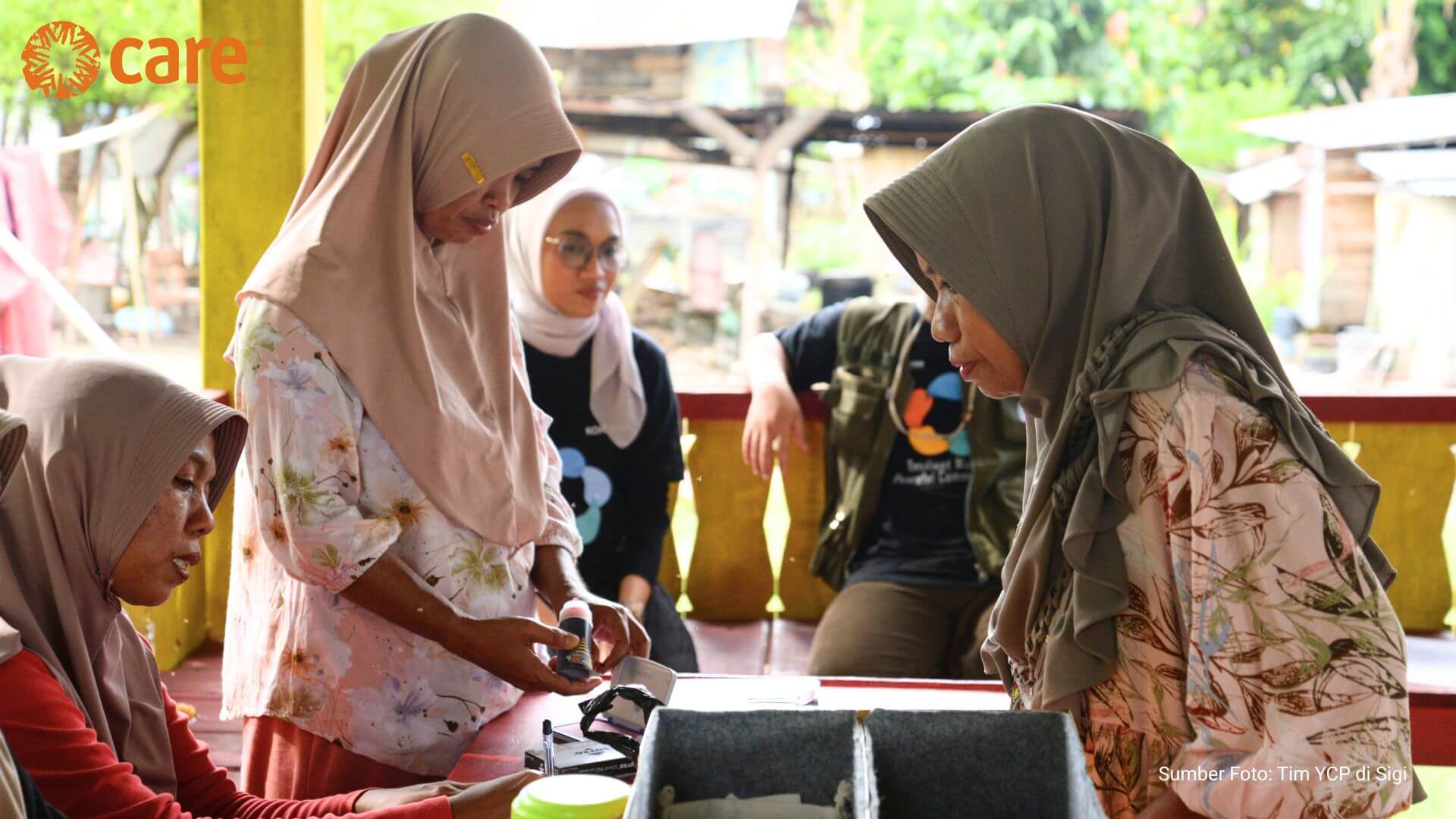
Members of the Women’s Economic Business Groups (KUEP) in Pesaku, Ngata Baru, and Pombewe Villages in Sigi District are currently engaging in savings and loan transactions within their respective village-based KUEP groups. Economic empowerment is one of the efforts aimed at strengthening the resilience of women and youth in Sigi District.

Currently, the three KUEP groups have a total of 75 members who have been actively participating in the savings and loan activities since January 2025. Through these KUEP savings and loans, members can apply for interest-free loans that can be used as additional capital for their businesses.

This program is a collaboration between Yayasan CARE Peduli (YCP) and the KARSA Institute, supported by UN Women and funded through KOICA. The program focuses on women’s economic empowerment, capacity building, and increasing women’s participation at the village level. KUEP was initiated as a platform for empowerment, as well as for strengthening understanding of gender equality.

Strengthening CARE Indonesia’s Emergency Response Team

Gallery

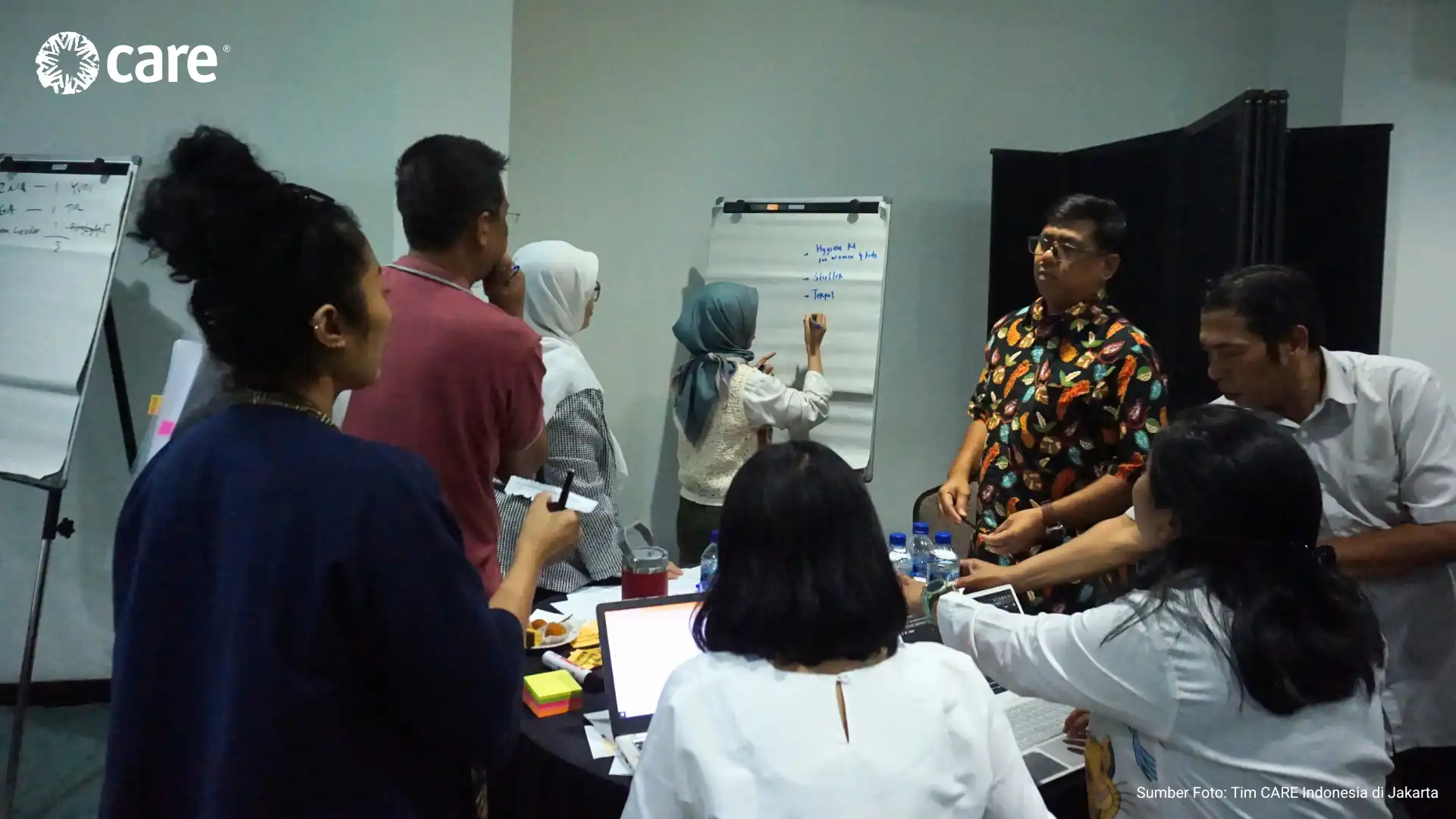
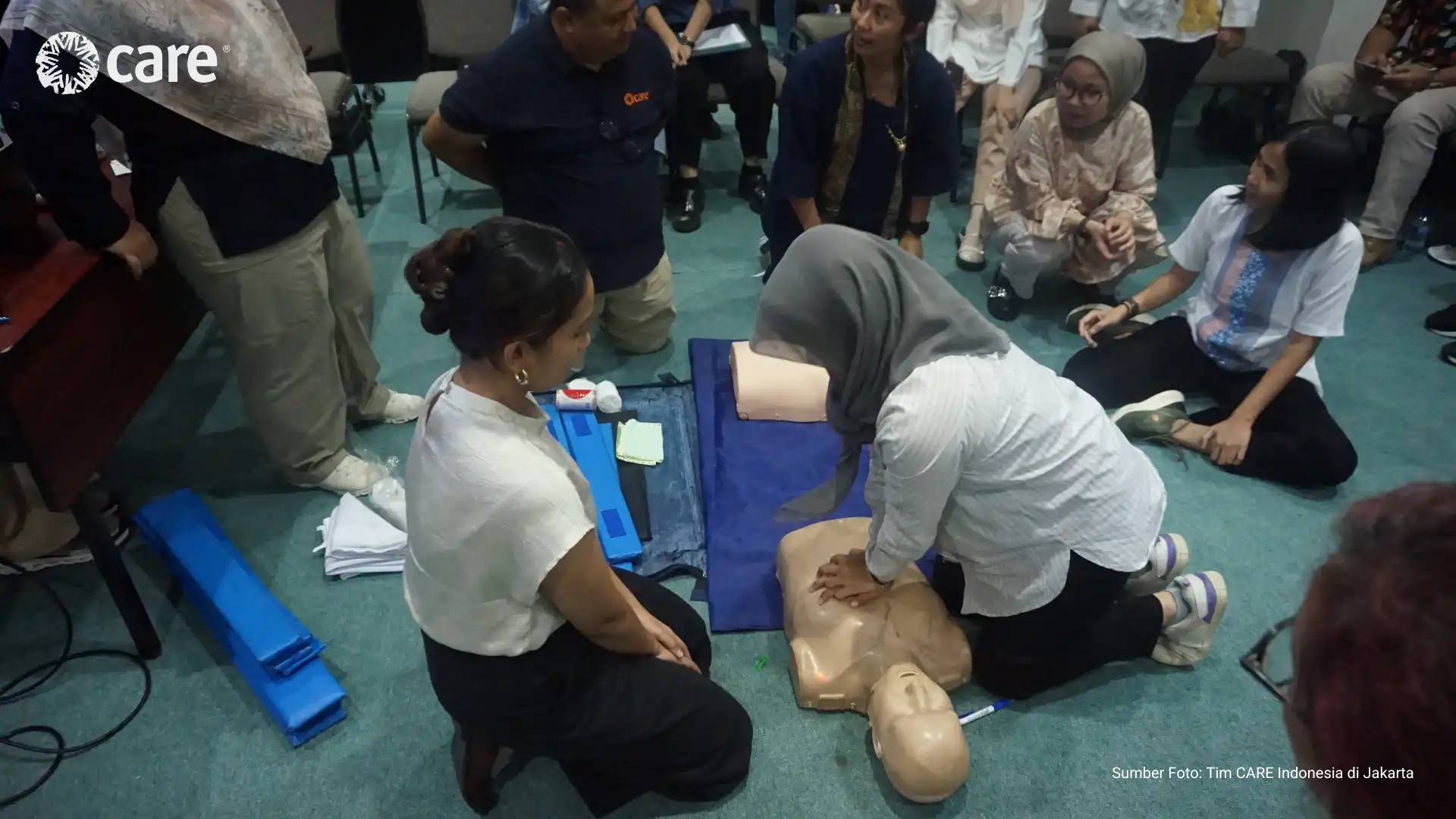
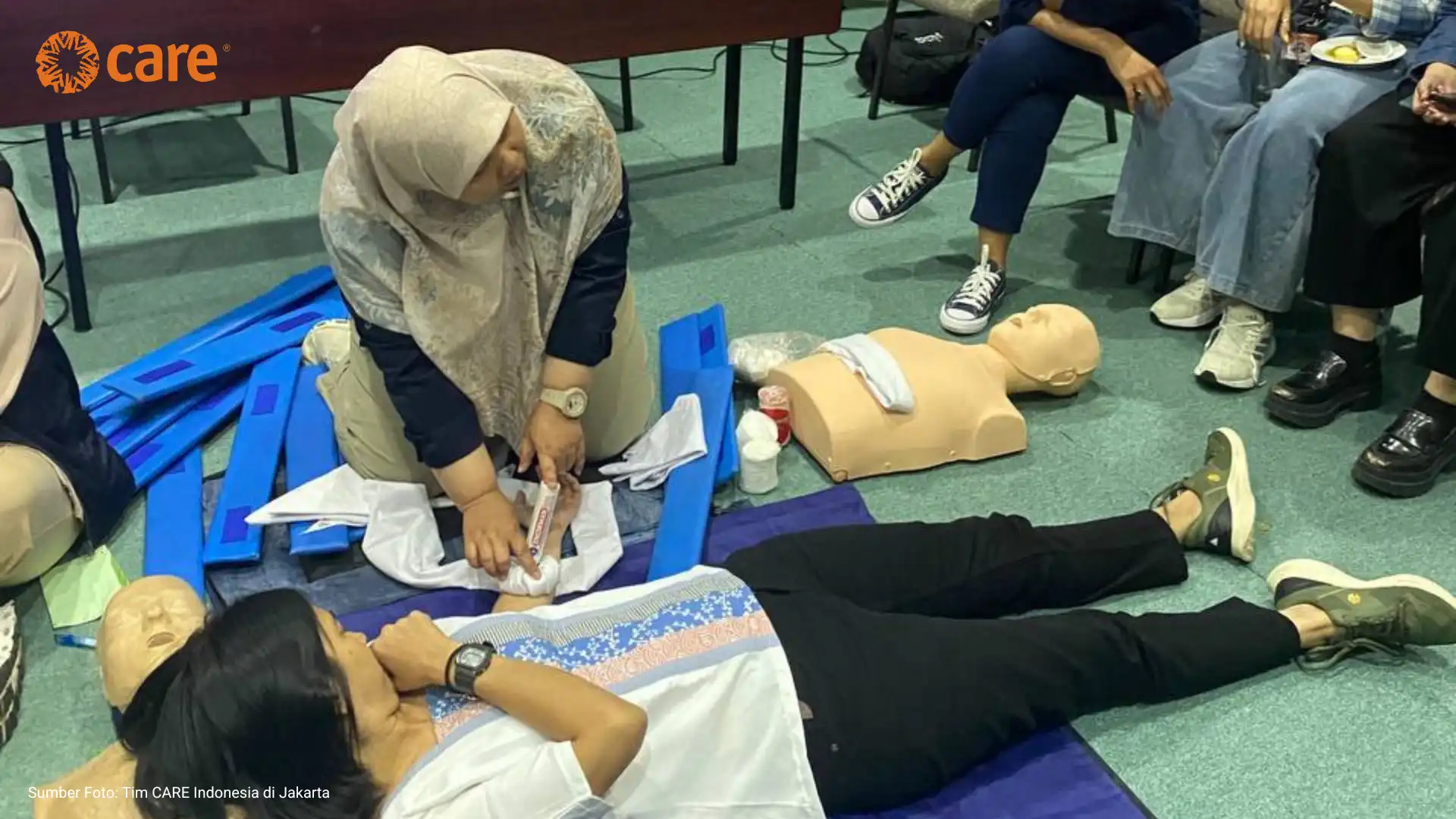
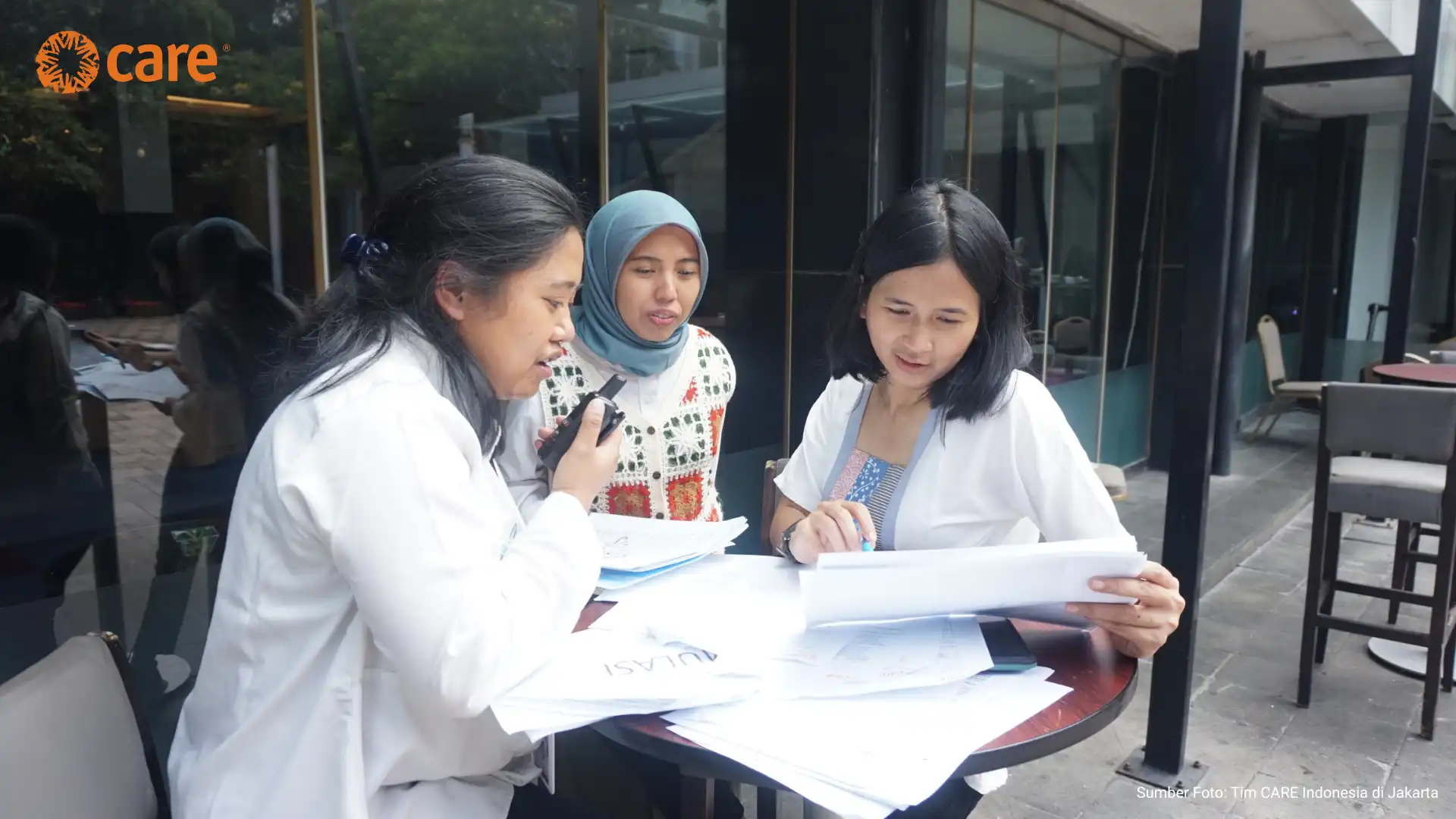
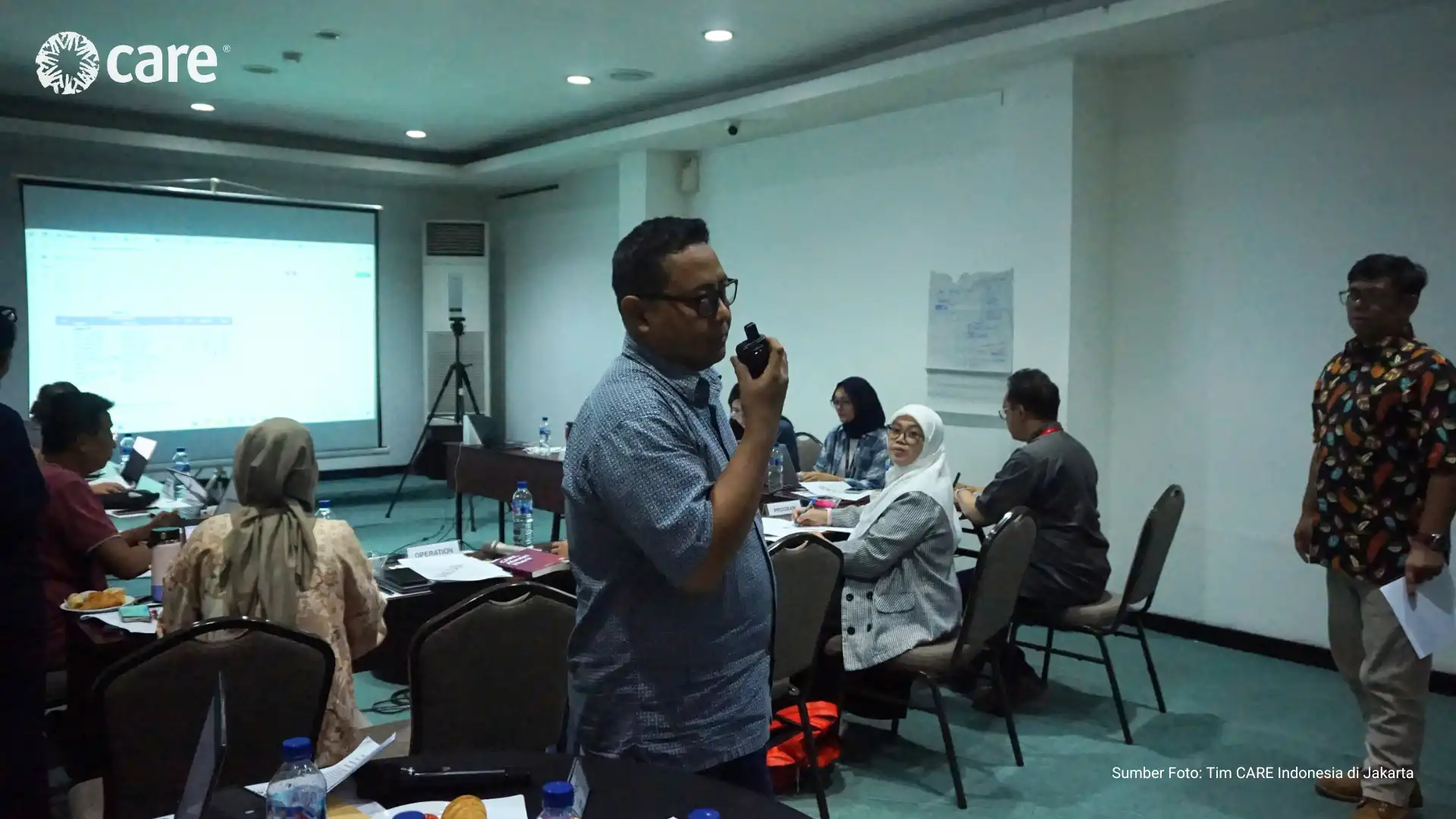
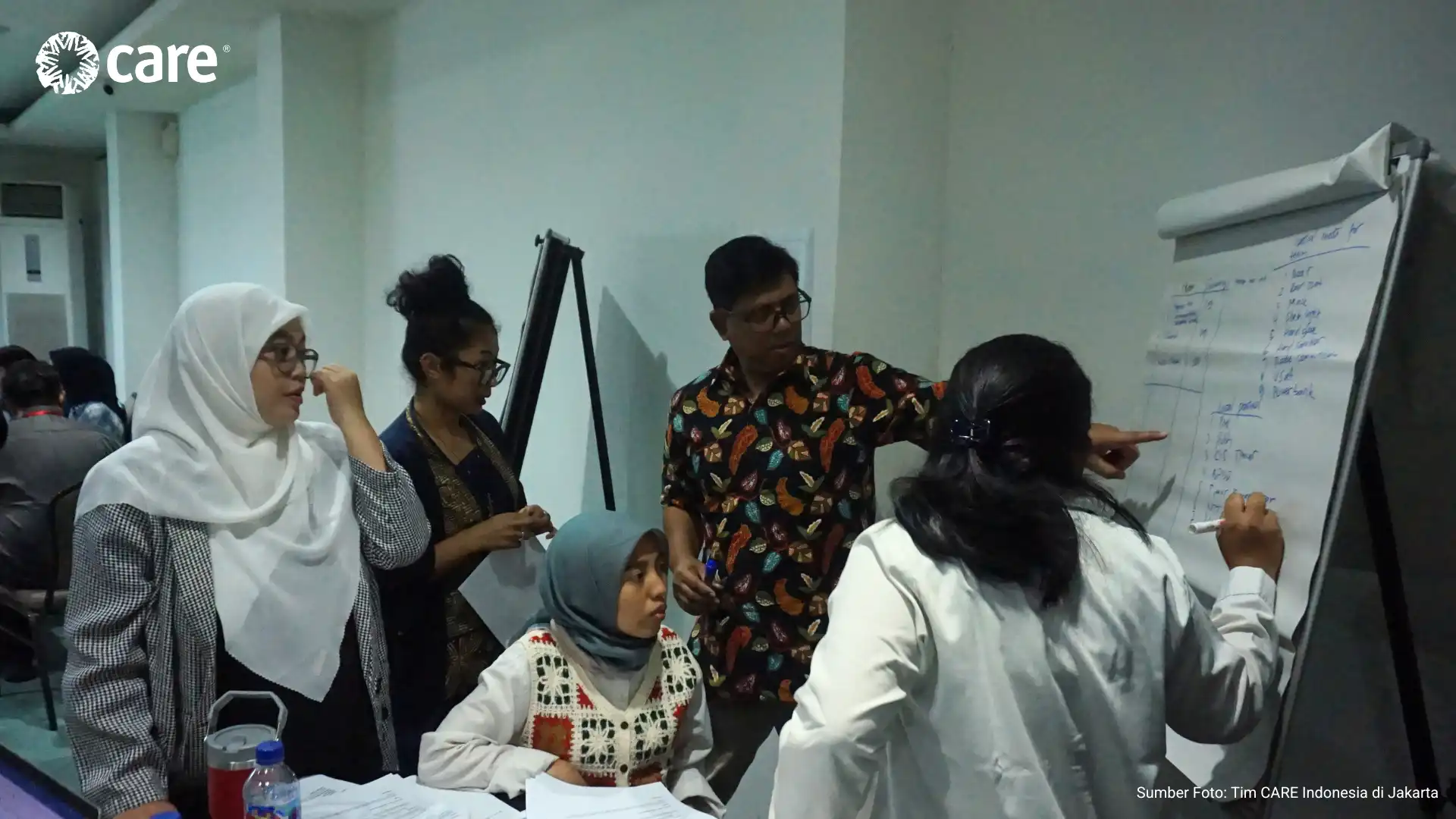
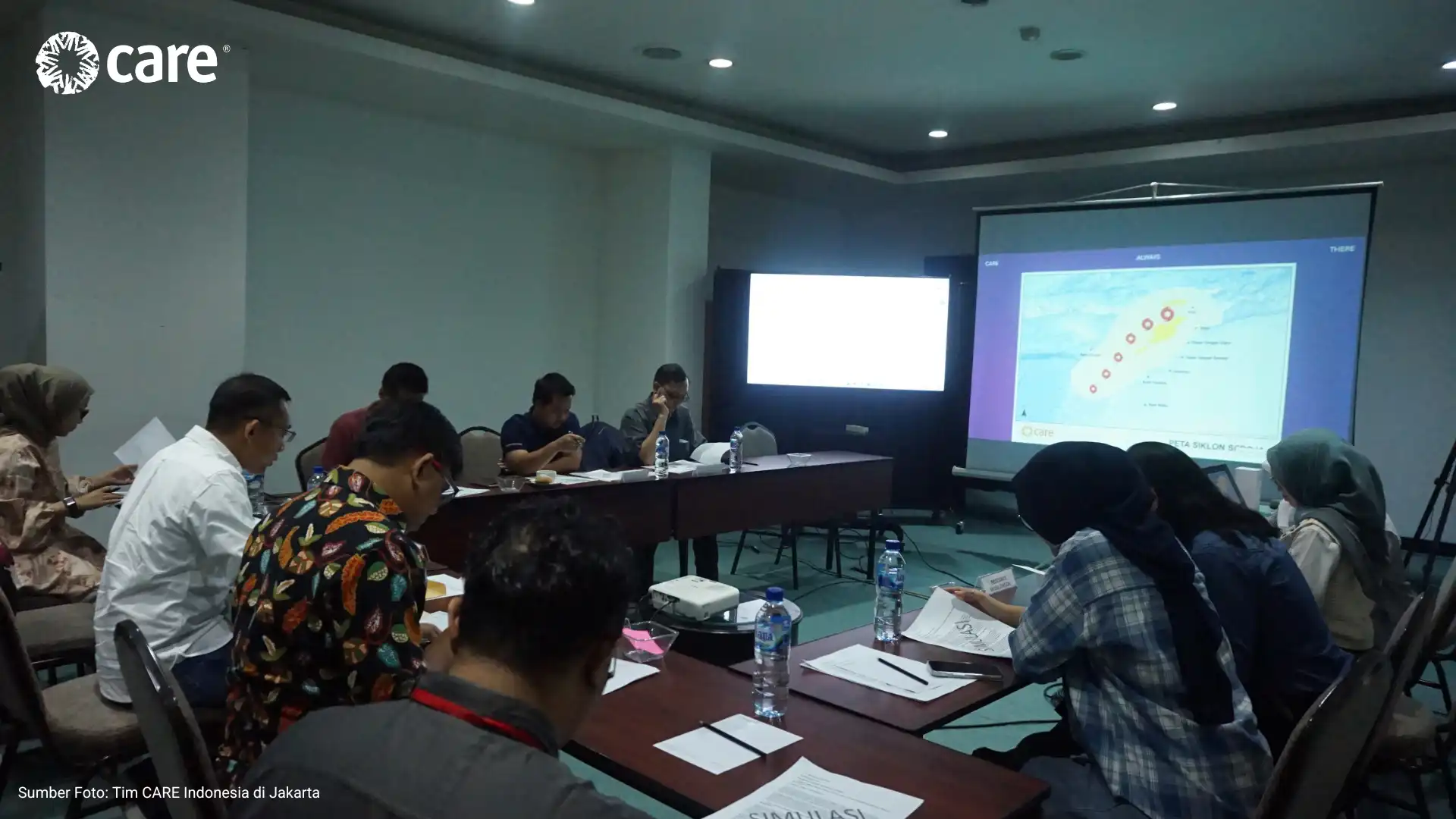
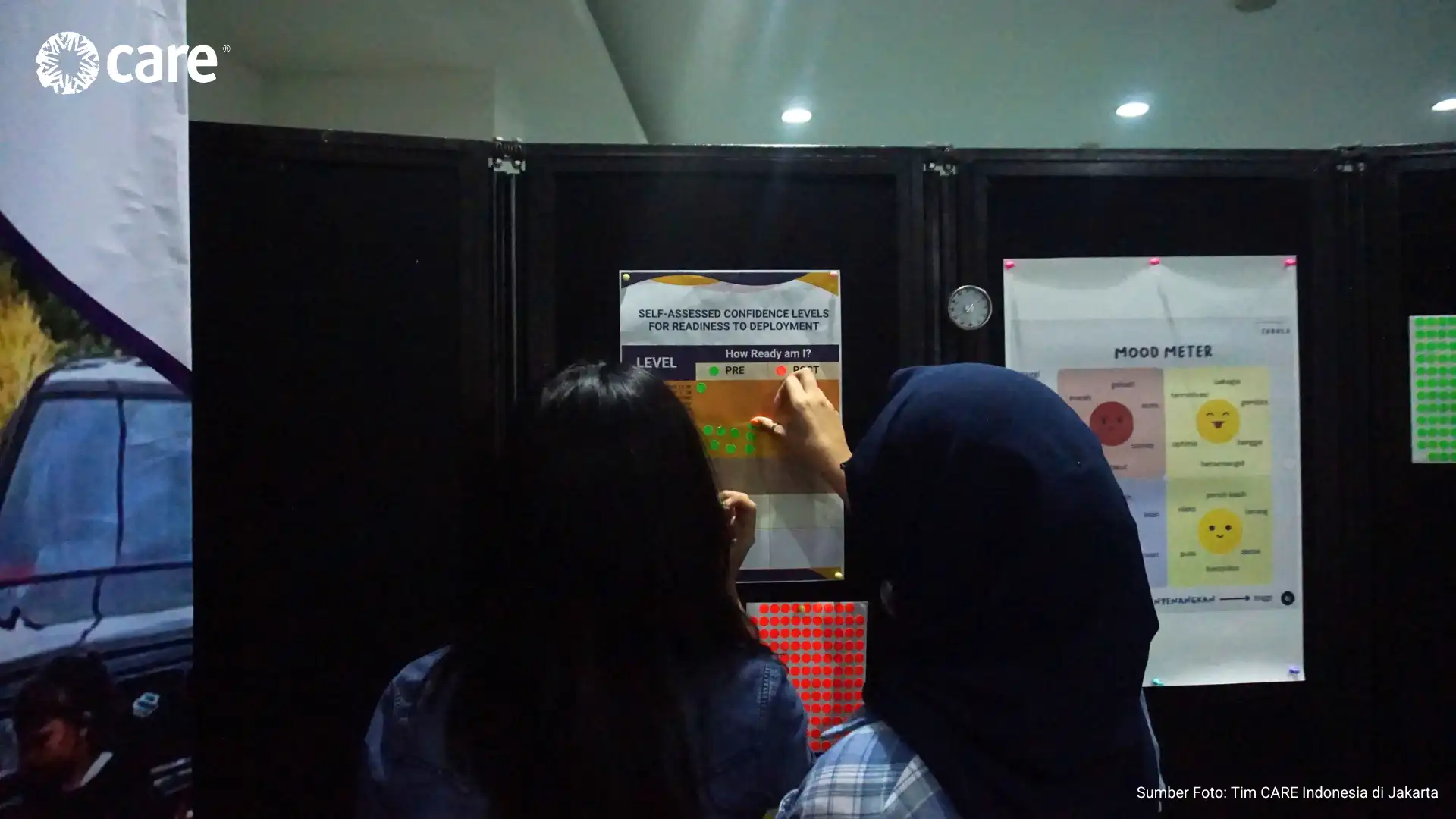
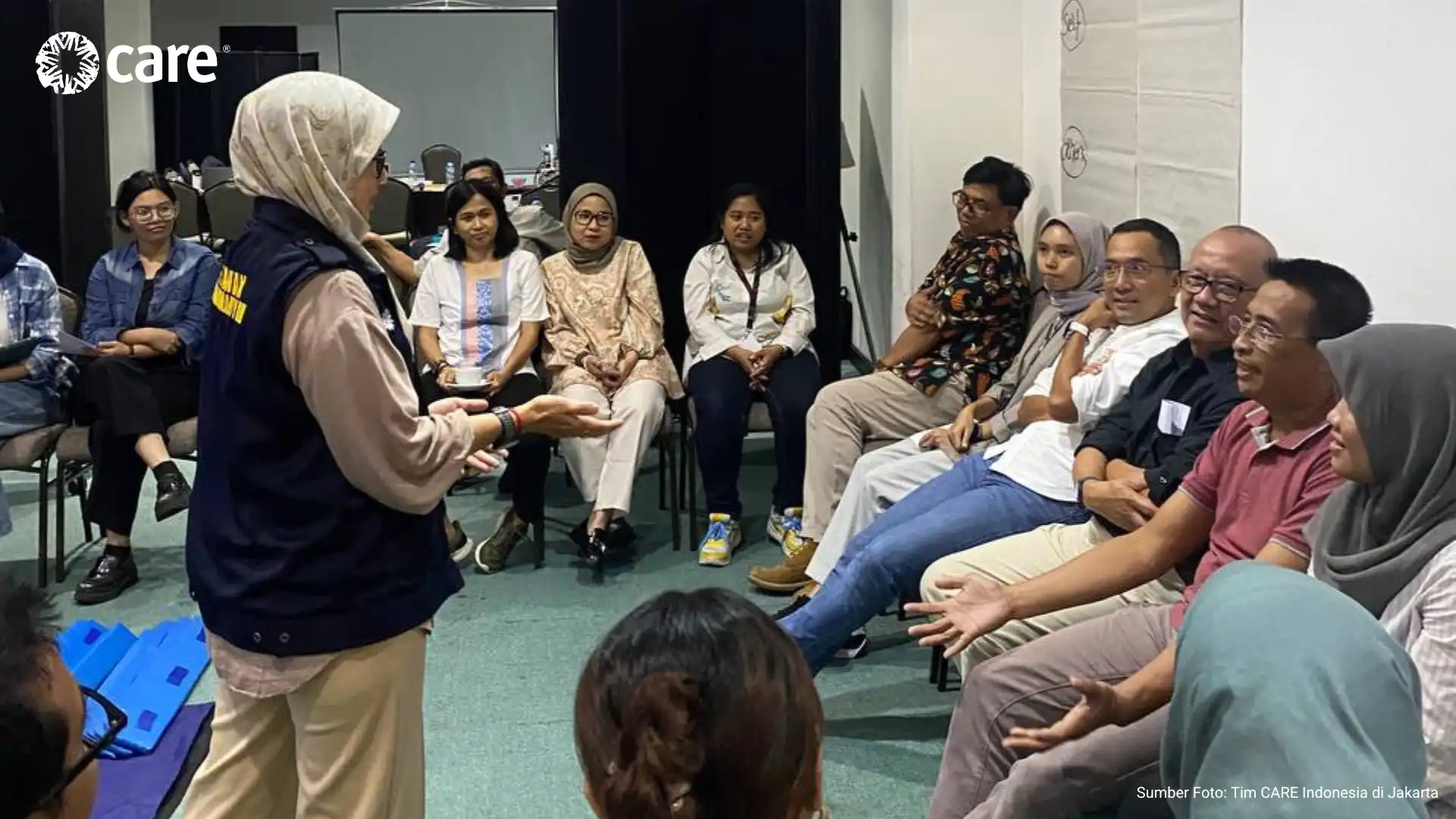
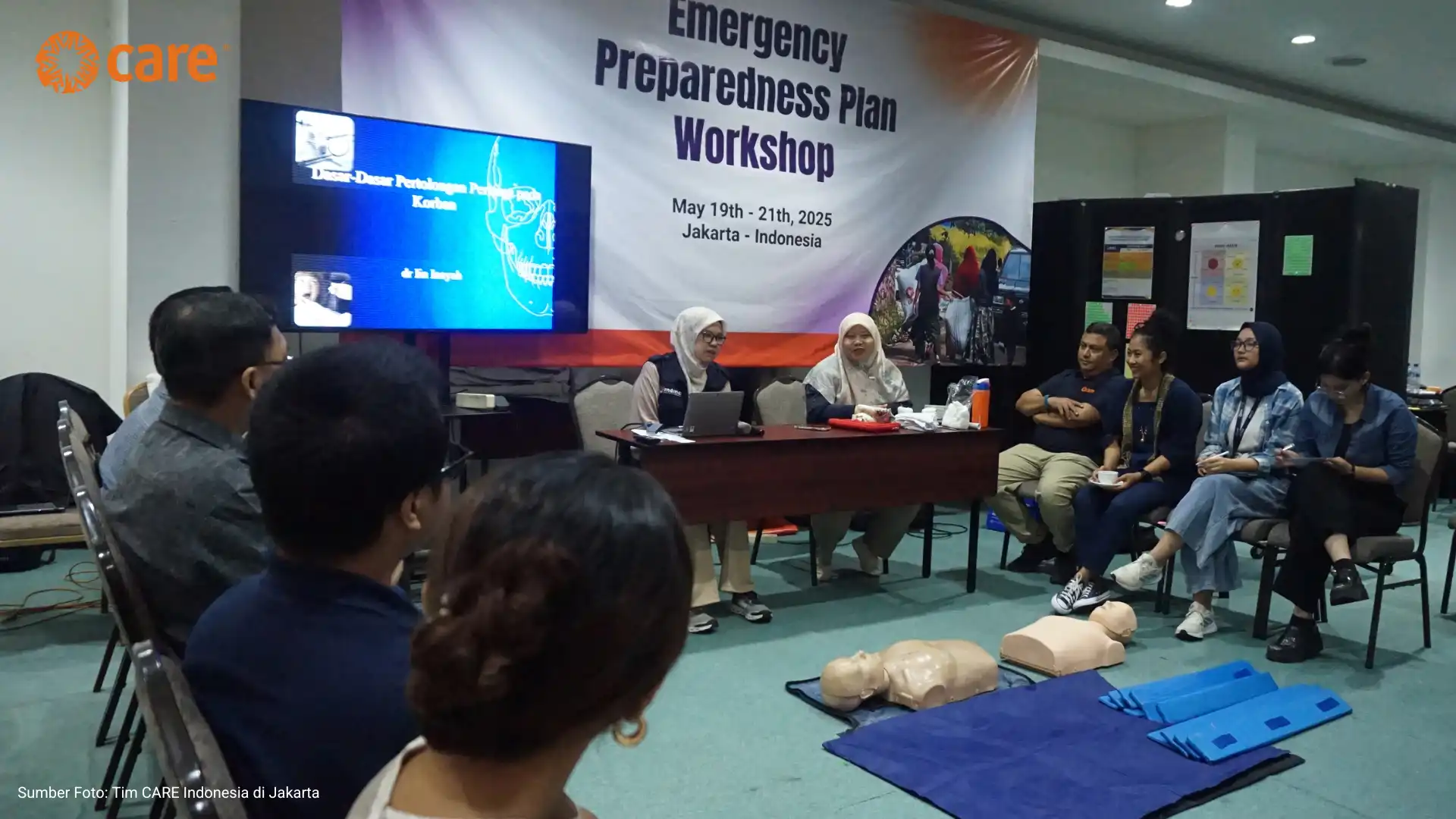
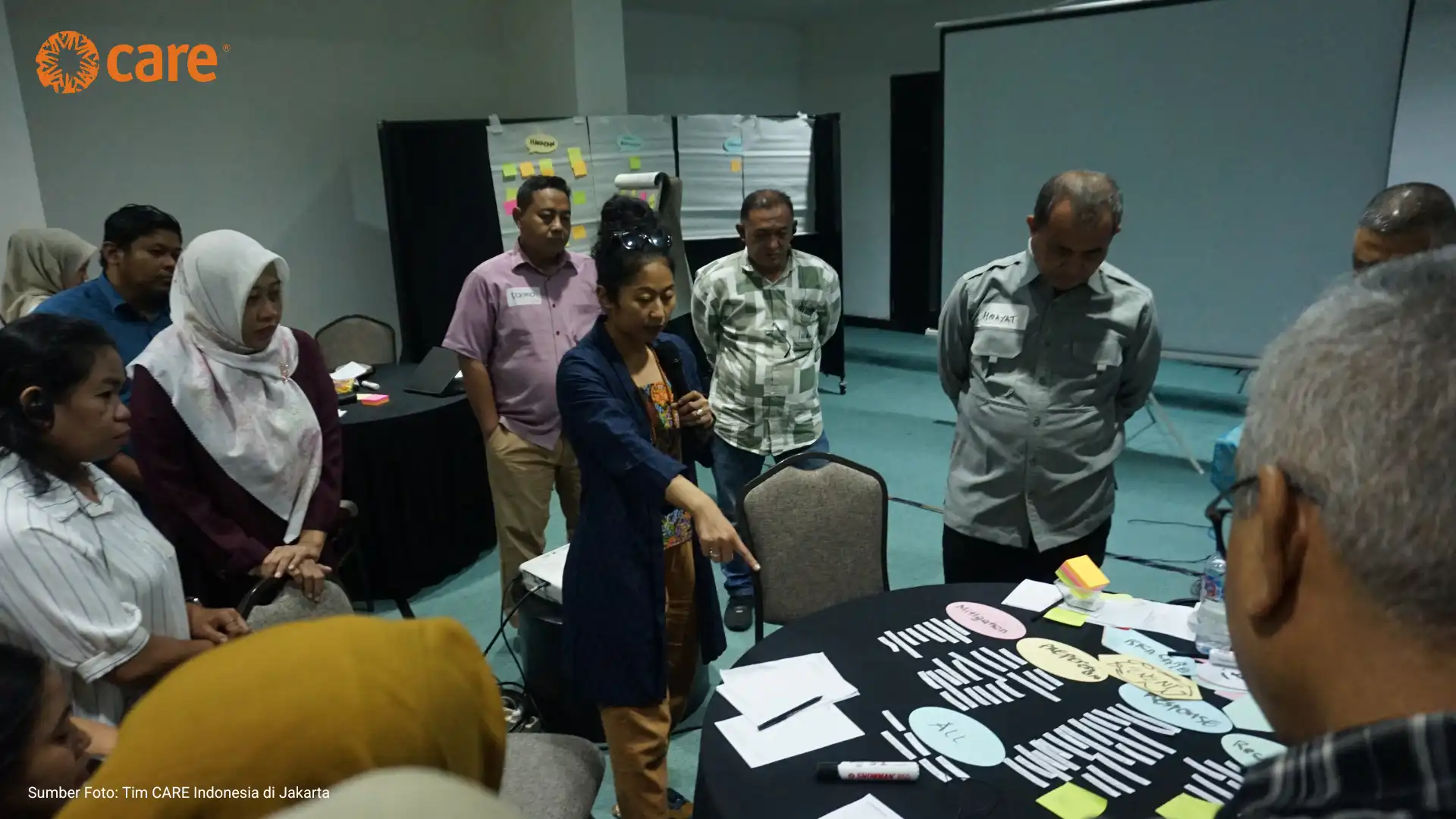
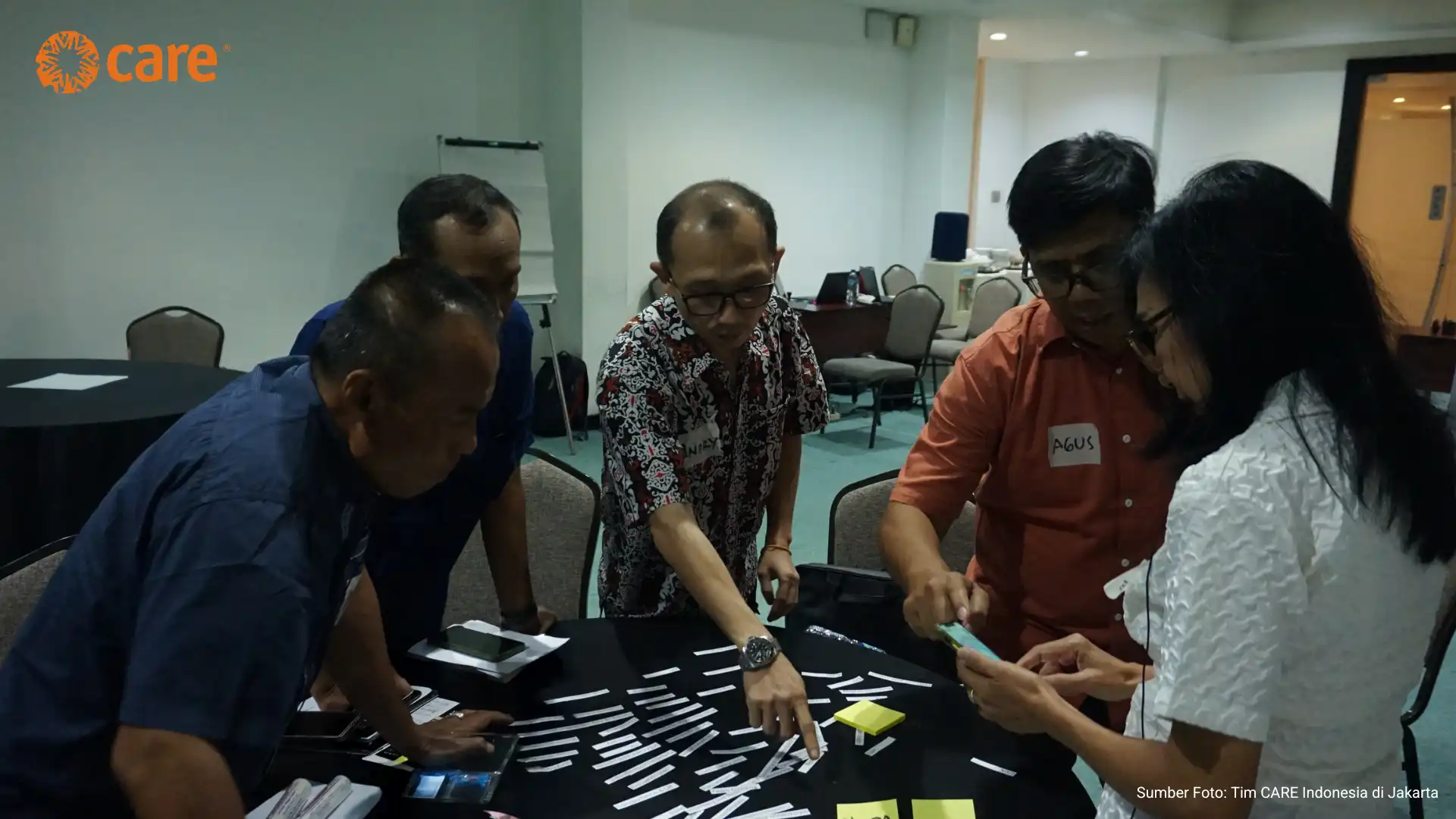
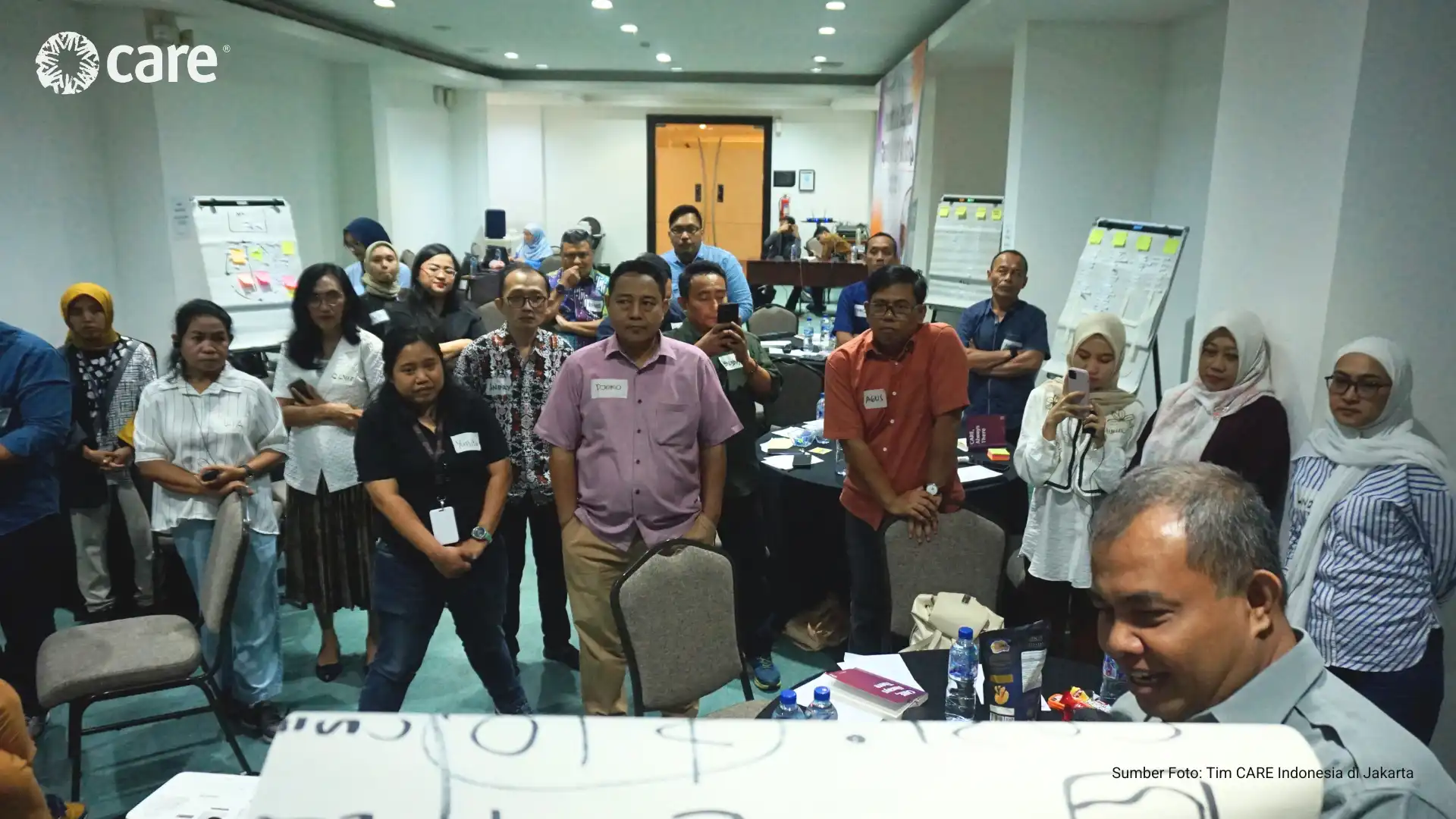
As a humanitarian organization, CARE Indonesia continues to support preparedness for emergency response. Through an internal training held in Jakarta(19-21/05), 22 members of CARE Indonesia’s emergency response team enhanced their disaster preparedness through discussions and simulation exercises.

The training included simulations of various emergency scenarios such as tropical cyclones, earthquakes, and social conflict, aimed at equipping the team with the skills needed to respond effectively to diverse crisis situations.

Strengthening Collaboration with Partners and Vendors in Emergency Response

Gallery

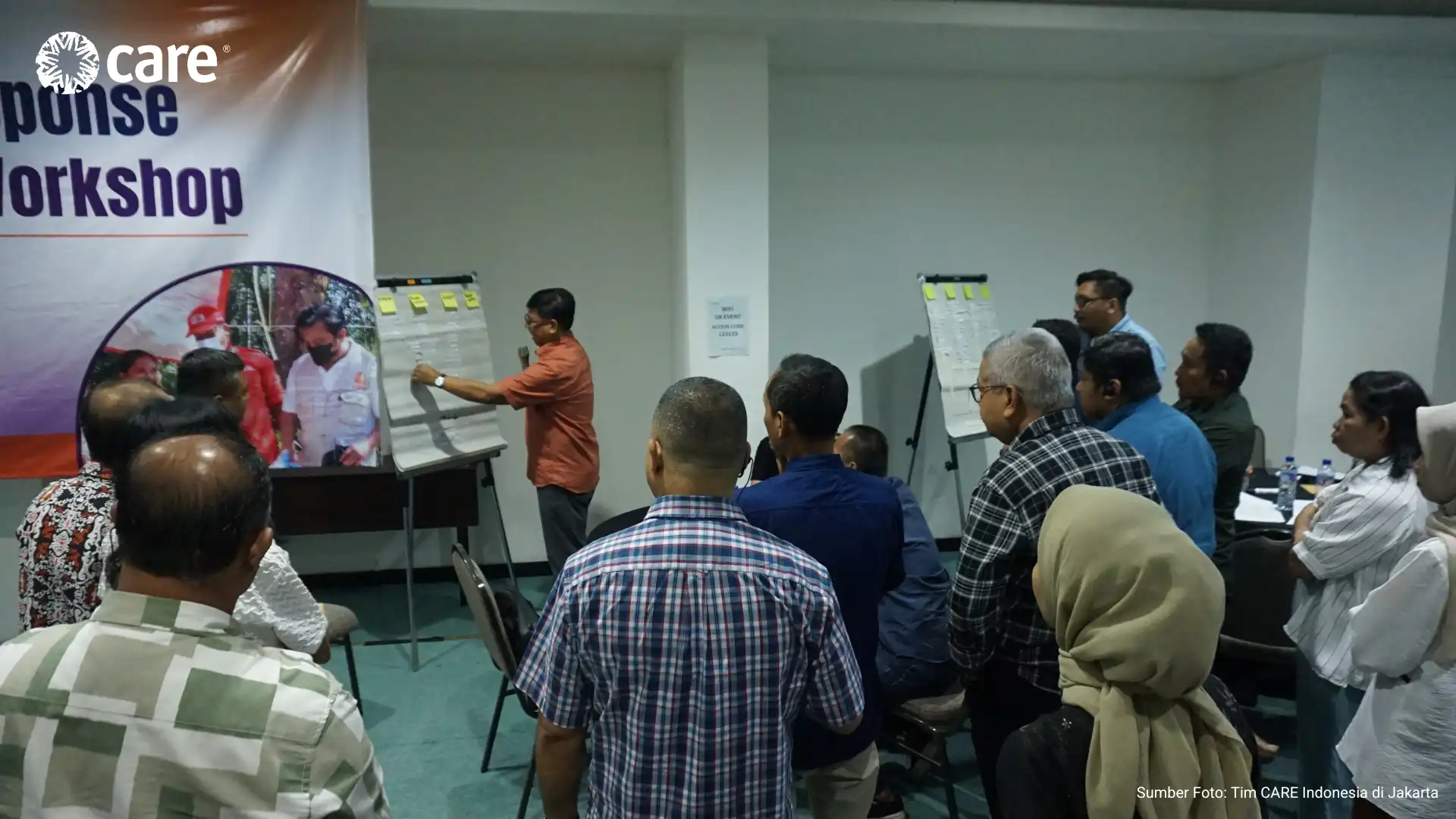
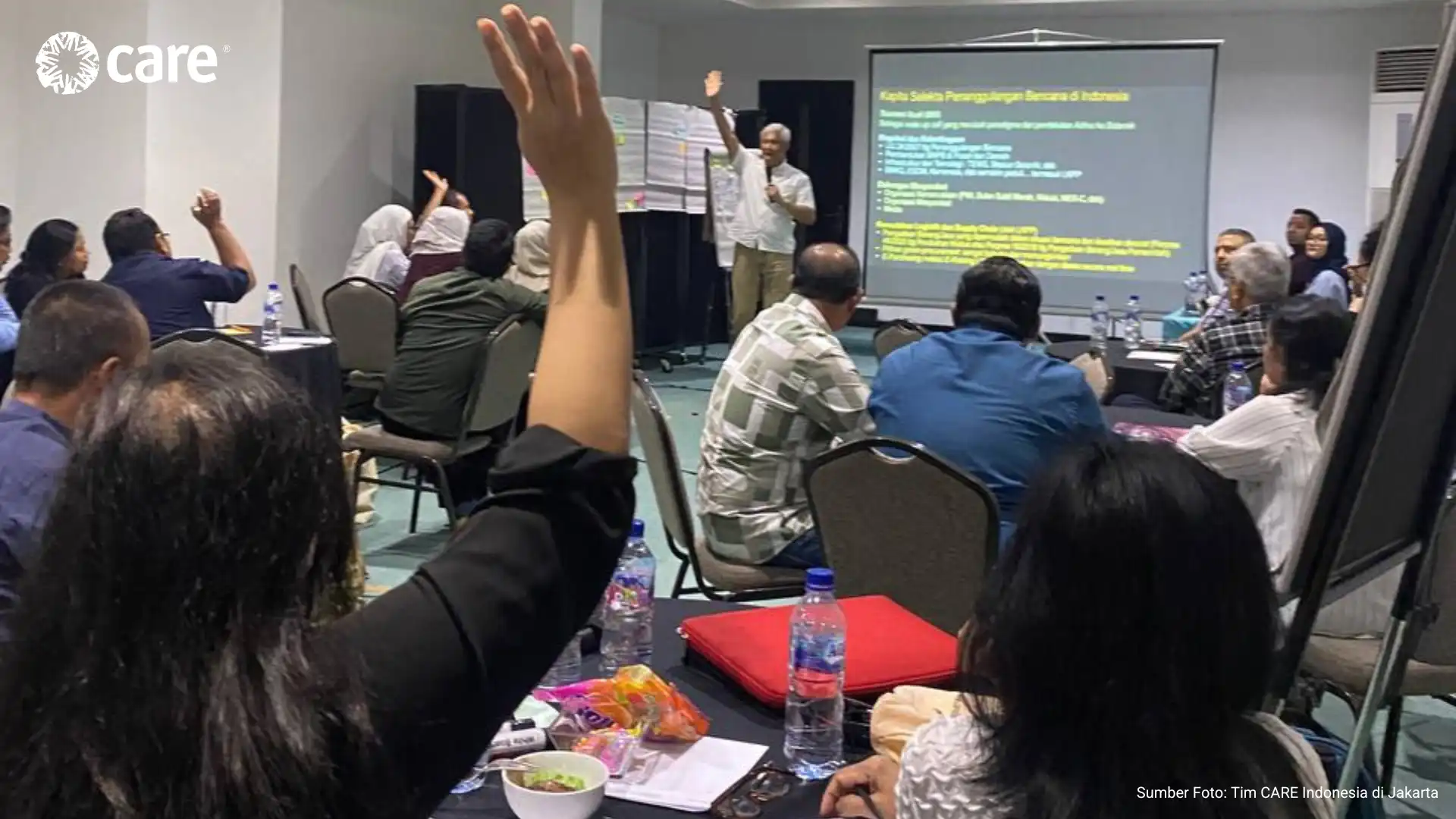
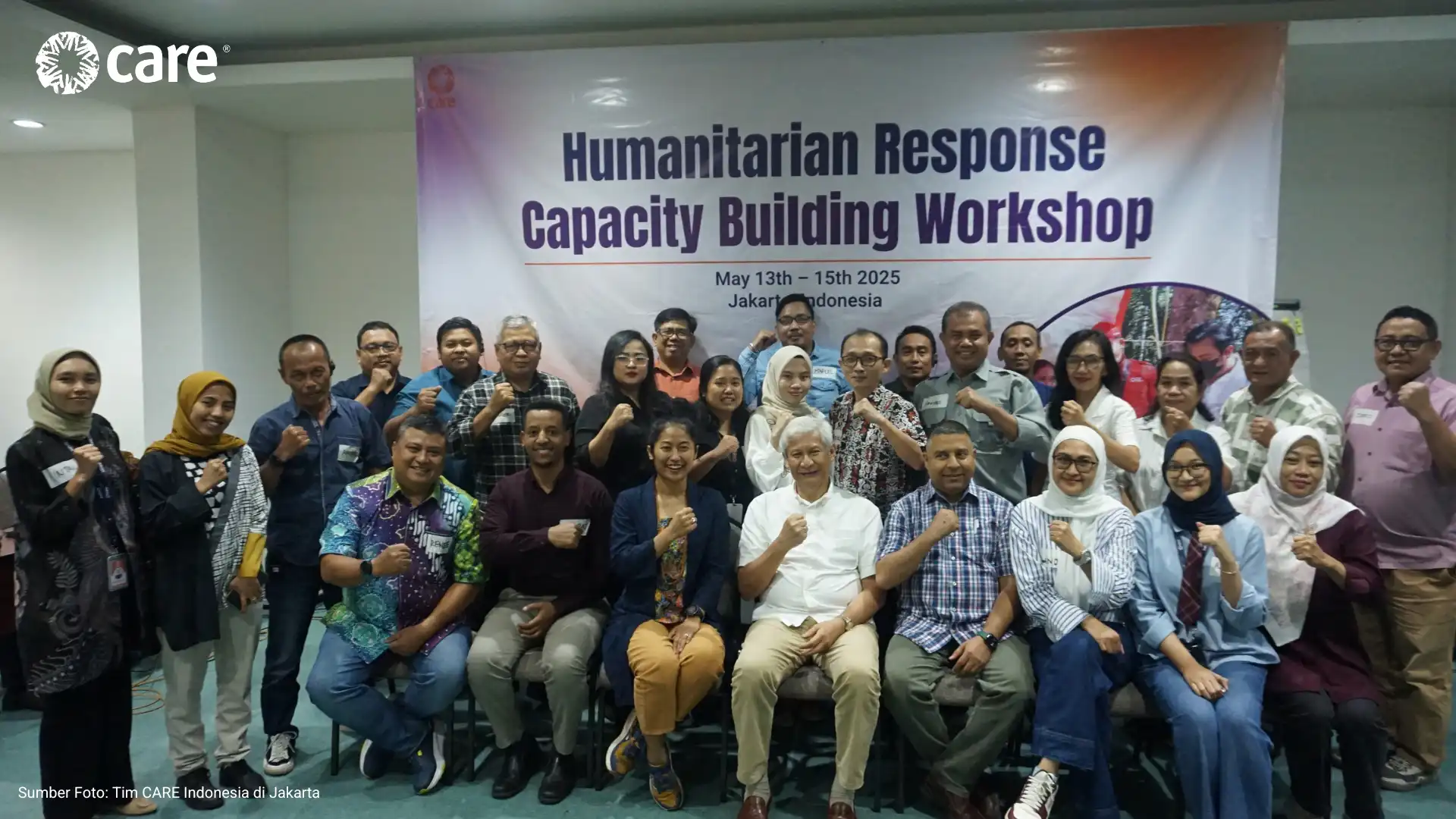
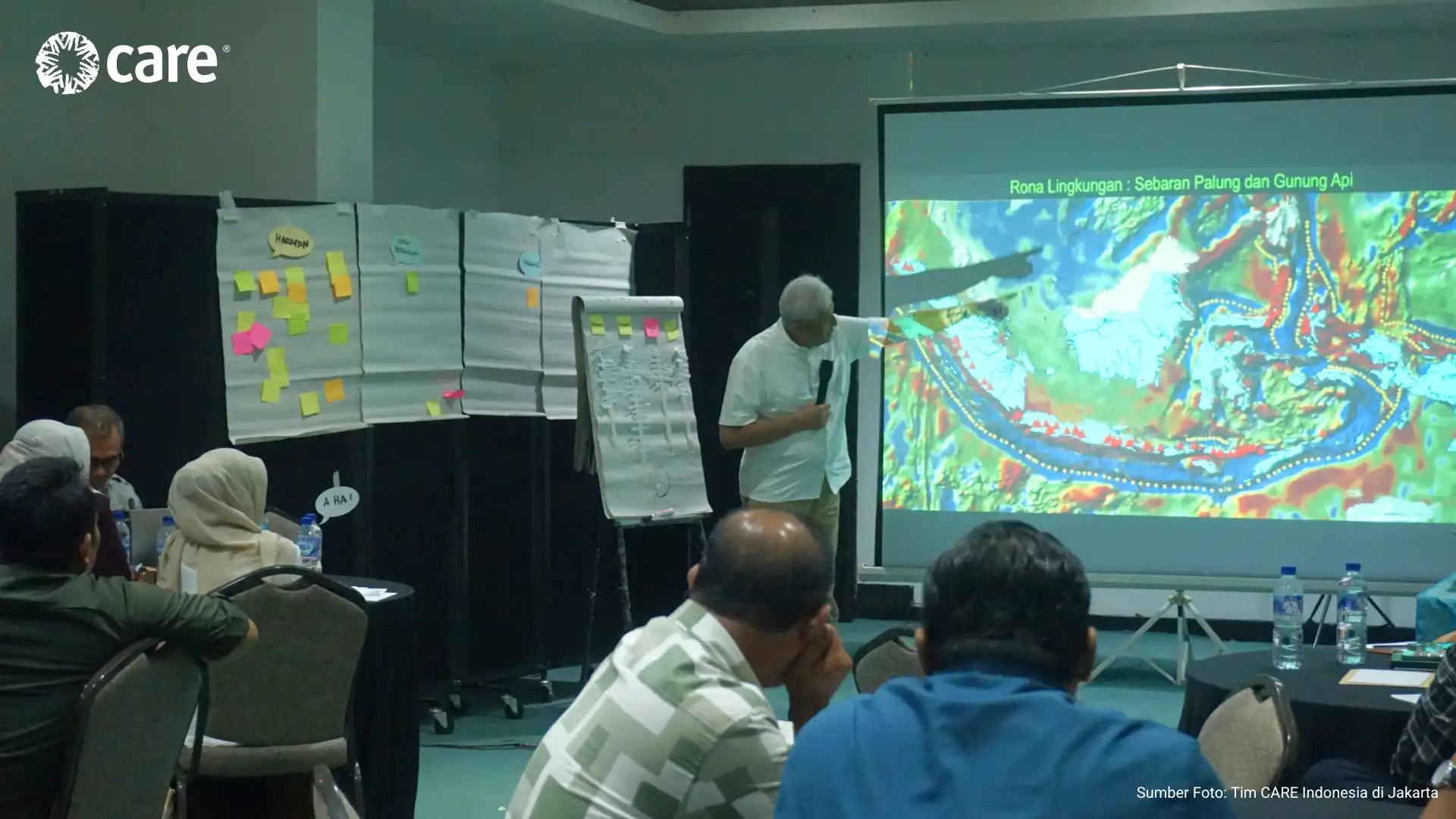
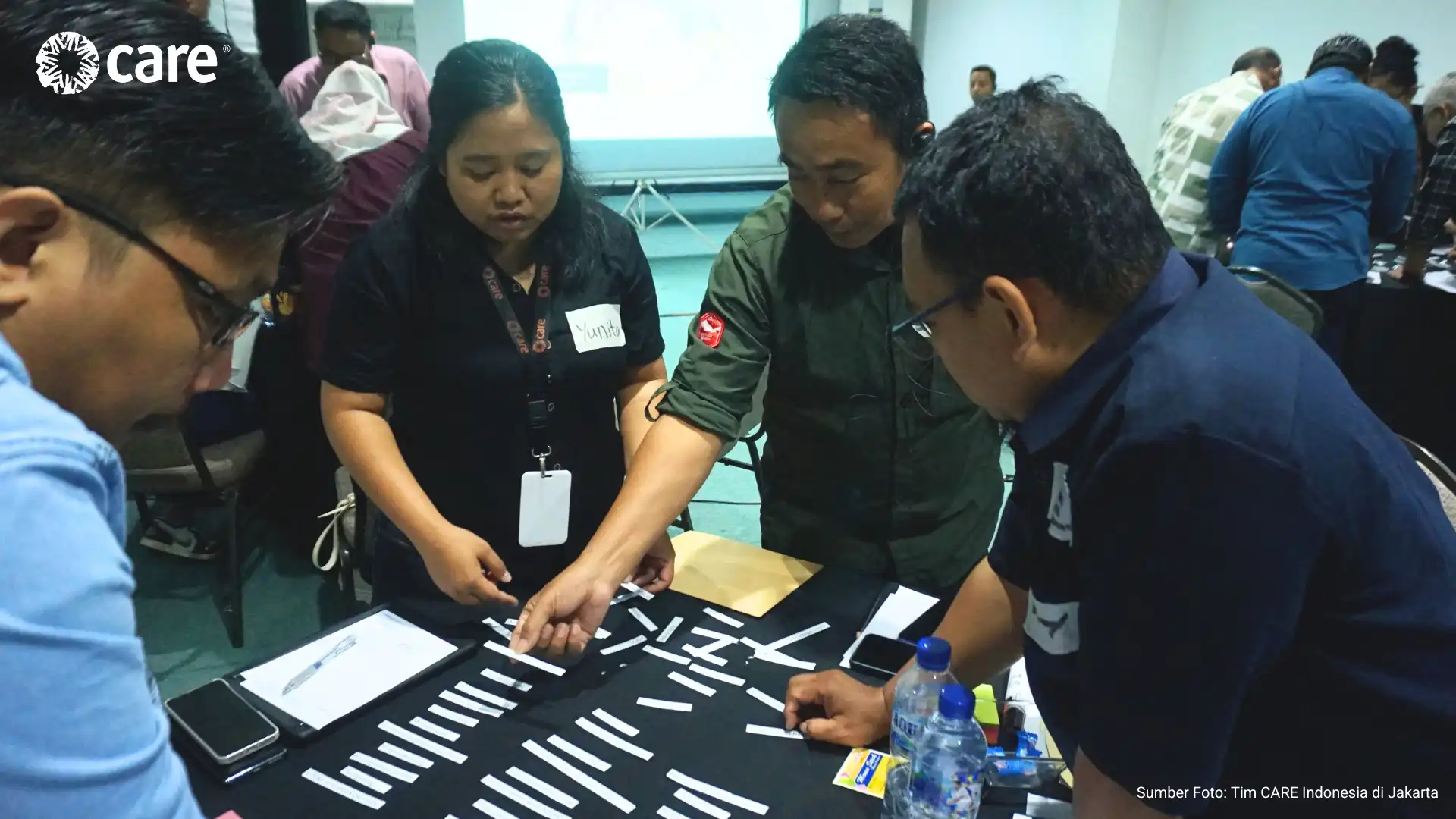
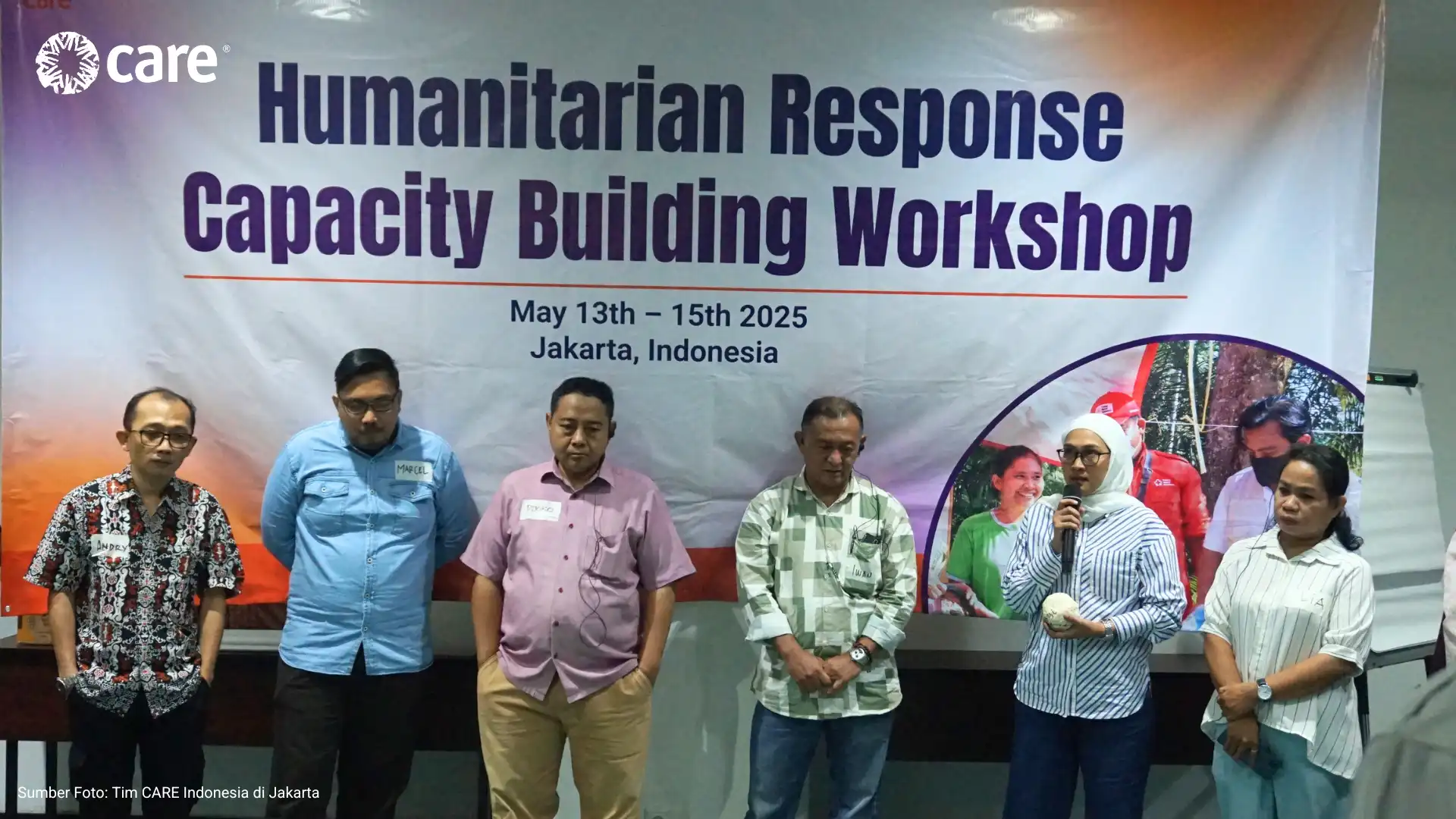
15 representatives from CARE Indonesia’s partner organizations, including the Indonesian Red Cross (PMI) and logistics vendors from 5 provinces, participated in a disaster response capacity-building training held in Jakarta (13-15/05). This initiative, led by CARE Indonesia in collaboration with CARE USA, aimed to prepare partners and vendors for effective collaboration in responding emergency situation in Indonesia.

Through discussion sessions, simulations, and case studies, participants gained a deeper understanding of the needs and logistics distribution involved in disaster response. It was emphasized that logistical support during emergencies must be tailored to reduce the burden on affected communities particularly women, who are among the most vulnerable groups during disasters.

KUEP in Pesaku Village: A Space for Personal and Group Empowerment for Women 

Stories

A group of housewives from Pesaku Village, Sigi District, Central Sulawesi, have joined forces to bring change to themselves and their families. 25 women initiated this transformation by forming a group called Women’s Economic Business Group (KUEP) Mombine Sintuvu Maroso, aiming to enhance their skills and empower their households economically. 

Fadlun, a member of KUEP Mombine Sintuvu Maroso, never imagined herself being able to speak in a public forum. She says that her courage to speak up came after joining the group. “In the past, I used to stay quiet during meetings, afraid I might say the wrong thing. But now I’m confident because I’ve gotten used to speaking. In our group meetings, we’re free to express our suggestions without blaming one another,” Fadlun said with a smile. 

According to Fadlun, KUEP is not just a place for saving and lending money, but also a learning space for the women of Pesaku Village. Her husband’s support in joining the group has further motivated her to learn. “My husband supports me in joining KUEP. He said it’s a good place to learn, including financial management and understanding gender equality and equal access between men and women,” she added. 

Similarly, Suprihati, also a member of KUEP Mombine Sintuvu Maroso, stated that the group provides solutions for family financial issues through interest-free loans. Some members have used this opportunity to fund small businesses. “As members, we really benefit from the savings and loan services in KUEP. Many of us use it as additional capital for our home-based businesses. Because it’s close to home, we don’t have to go far into town to withdraw money,” Suprihati explained. 

According to her, the benefits that she and the other 24 members have received have sparked interest among other women in the village to join KUEP. However, she emphasized that membership selection must still follow agreed-upon rules. “I often share information about KUEP activities, such as the importance of gender equality at home and in the community, and financial management. I share this when chatting informally. From those conversations, many women have shown interest in becoming members,” she said. 

Siti Utami, Facilitator Officer at the KARSA Institute, stated that the women and youth empowerment efforts in Sigi District are part of a collaboration between Yayasan CARE Peduli (YCP) and the KARSA Institute, supported by UN Women and funded by KOICA. The initiatives include economic empowerment, capacity building, and women’s participation at the village level. KUEP was established as a platform for empowerment and to promote gender equality awareness. 

According to Utami, the progress of KUEP Mombine Sintuvu Maroso members is due to their mutual support and eagerness to learn. “KUEP meetings are held twice a month. Each time, the location changes based on mutual agreement. Members also agree to bring food to each meeting. These are initiatives by the members themselves, with no external prompting,” she explained. 

She further shared that KUEP has a social fund intended to support members facing hardships. The fund is sourced from member contributions of IDR 5,000 at every meeting. “One of our members, Mrs. Nurhayati, recently lost her husband. She received IDR 200,000 in aid from the KUEP social fund,” Utami said. 

Karmila, Chairperson of KUEP Mombine Sintuvu Maroso, explained that the social fund is an important element outlined in KUEP’s regulations and is mandatory for all members. “Even though it’s mandatory, the social fund is not burdensome because the contribution is small. Its benefits are significant and can help ease the burden of members experiencing misfortune,” Karmila said. 

Karmila also mentioned that in June 2025, the group will hold an end-of-cycle meeting, which includes distributing the remaining savings to members, conducting a group evaluation, and planning for the next cycle. This includes plans to start a group business. 

“Our plan is to conclude this six-month KUEP cycle. We’ll evaluate what needs improvement and discuss future plans. We also aim to start a business making cassava and banana chips. We chose this business because the raw materials are abundant and affordable in our area,” Karmila concluded. 

Writer: Kukuh A. Tohari 

Editor: Swiny Adestika 
Women Groups in Bintan Grow Mangroves from Nursery to Coast

Gallery

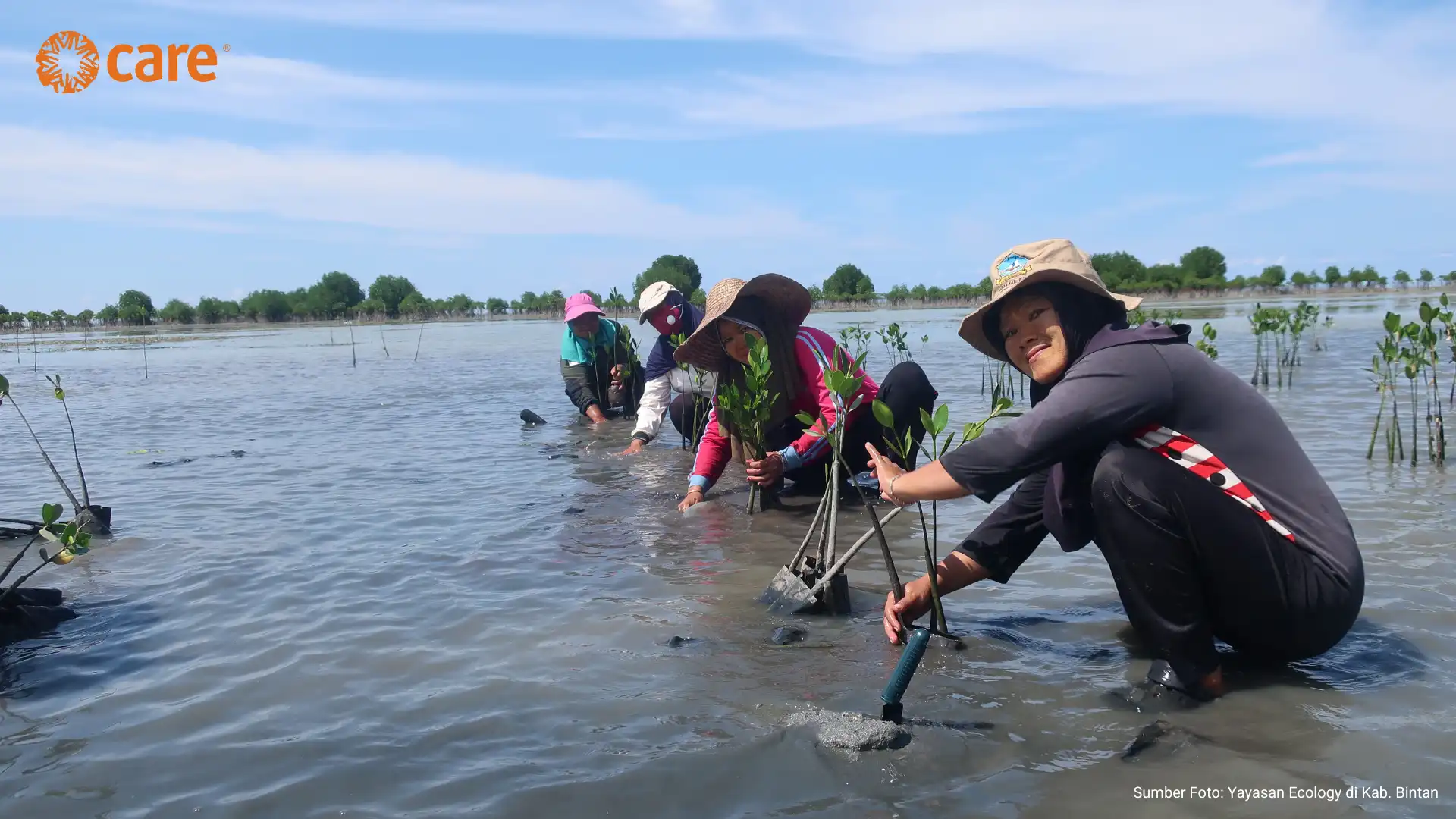
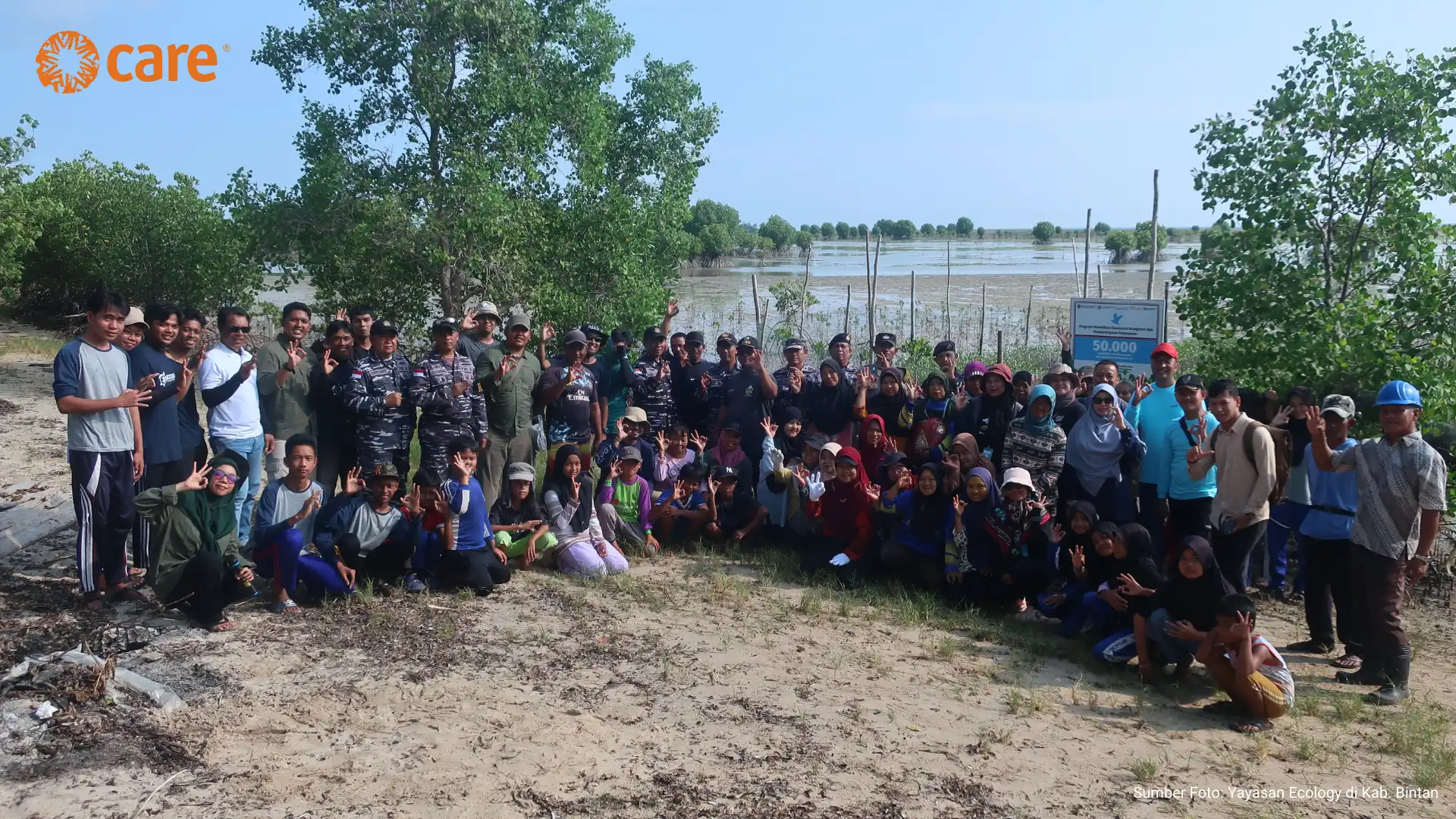
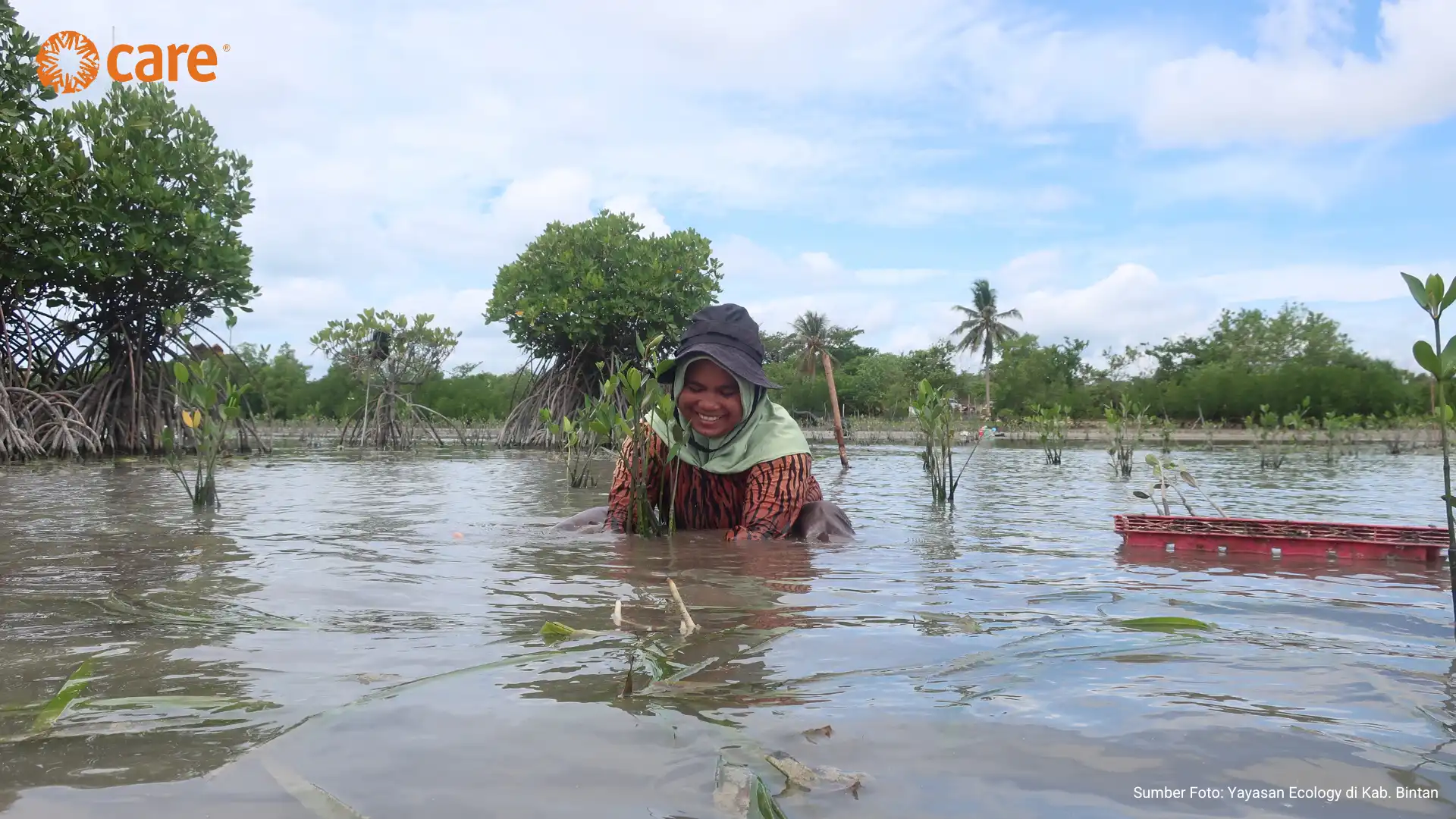
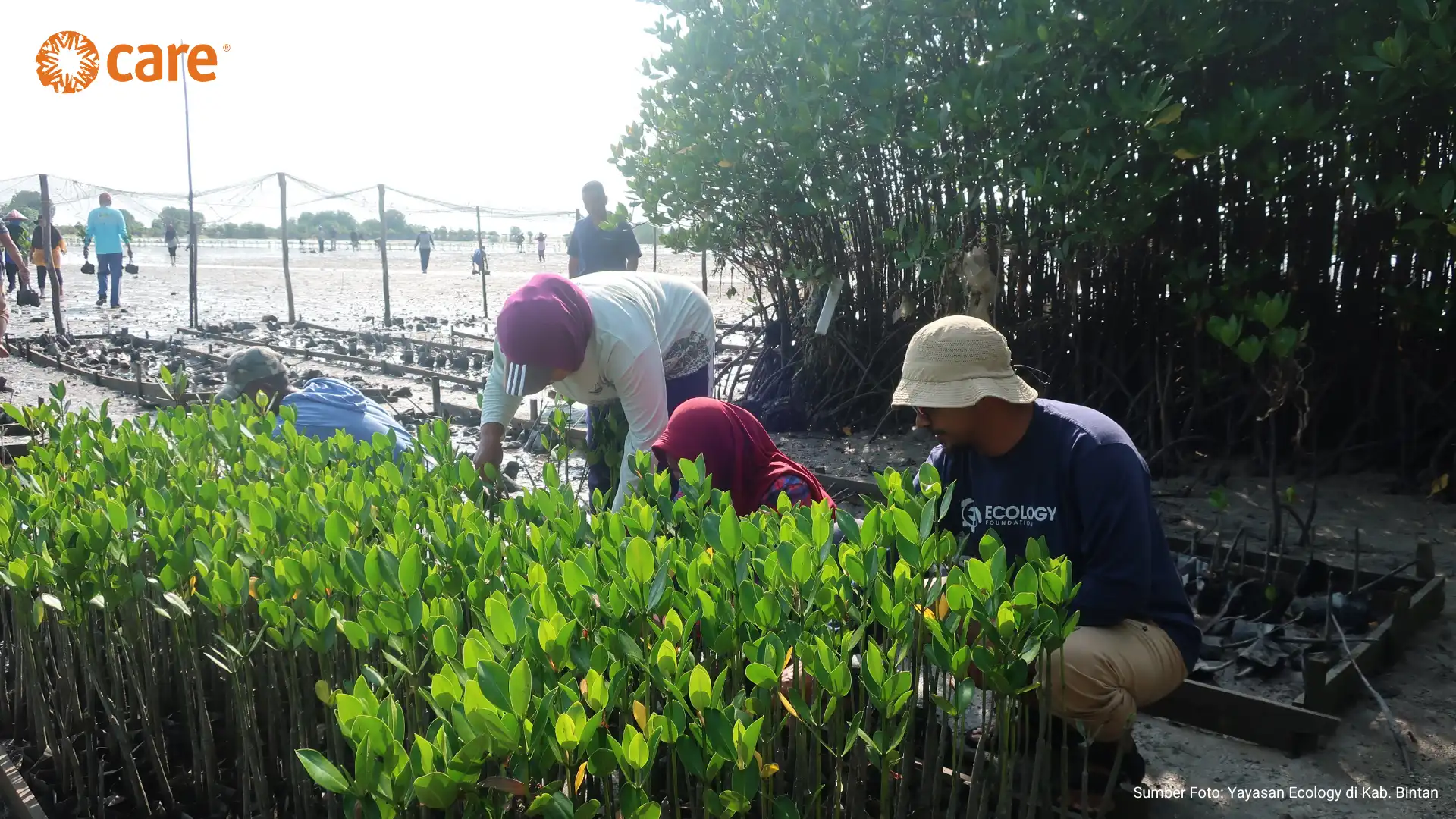
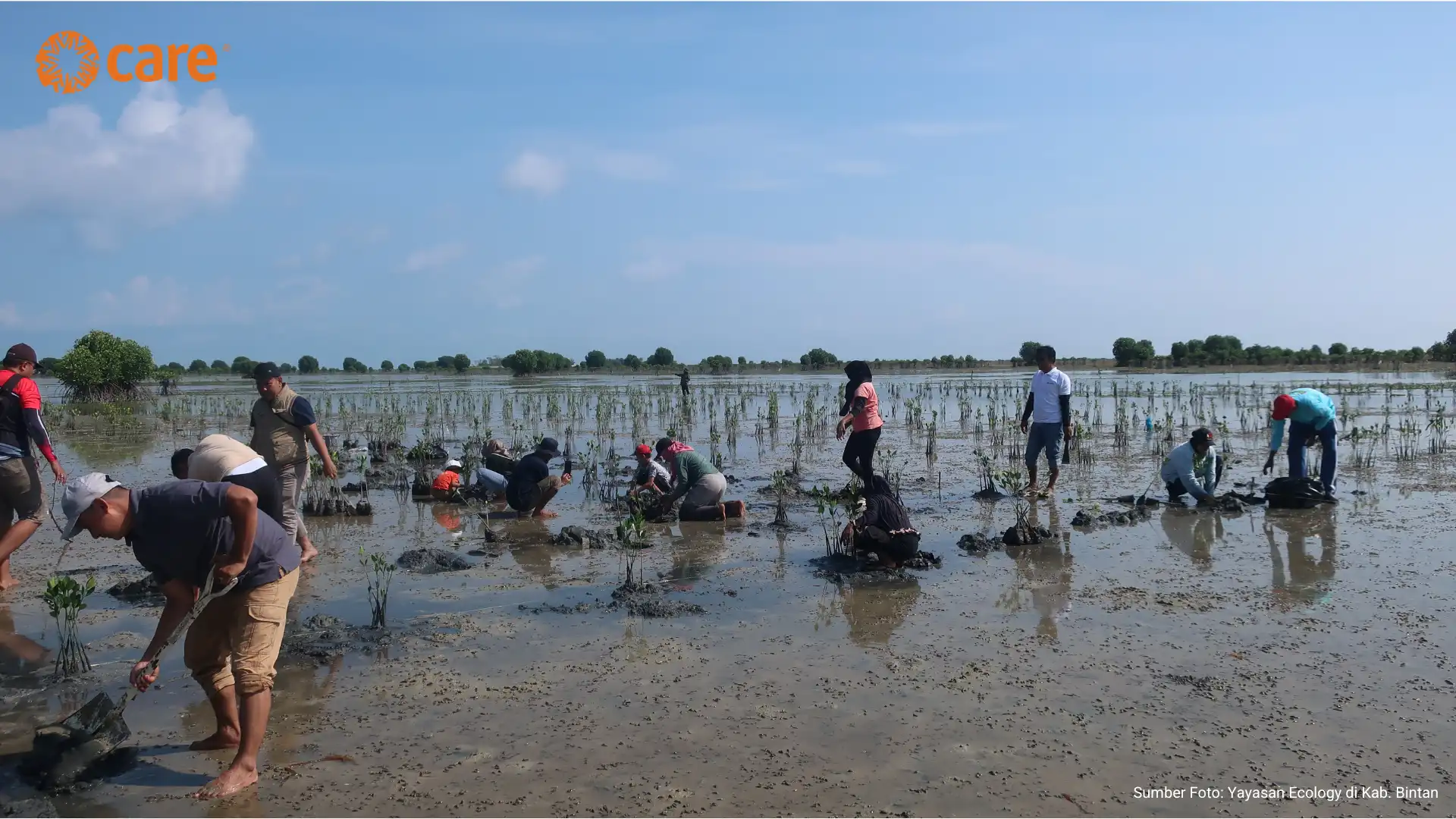
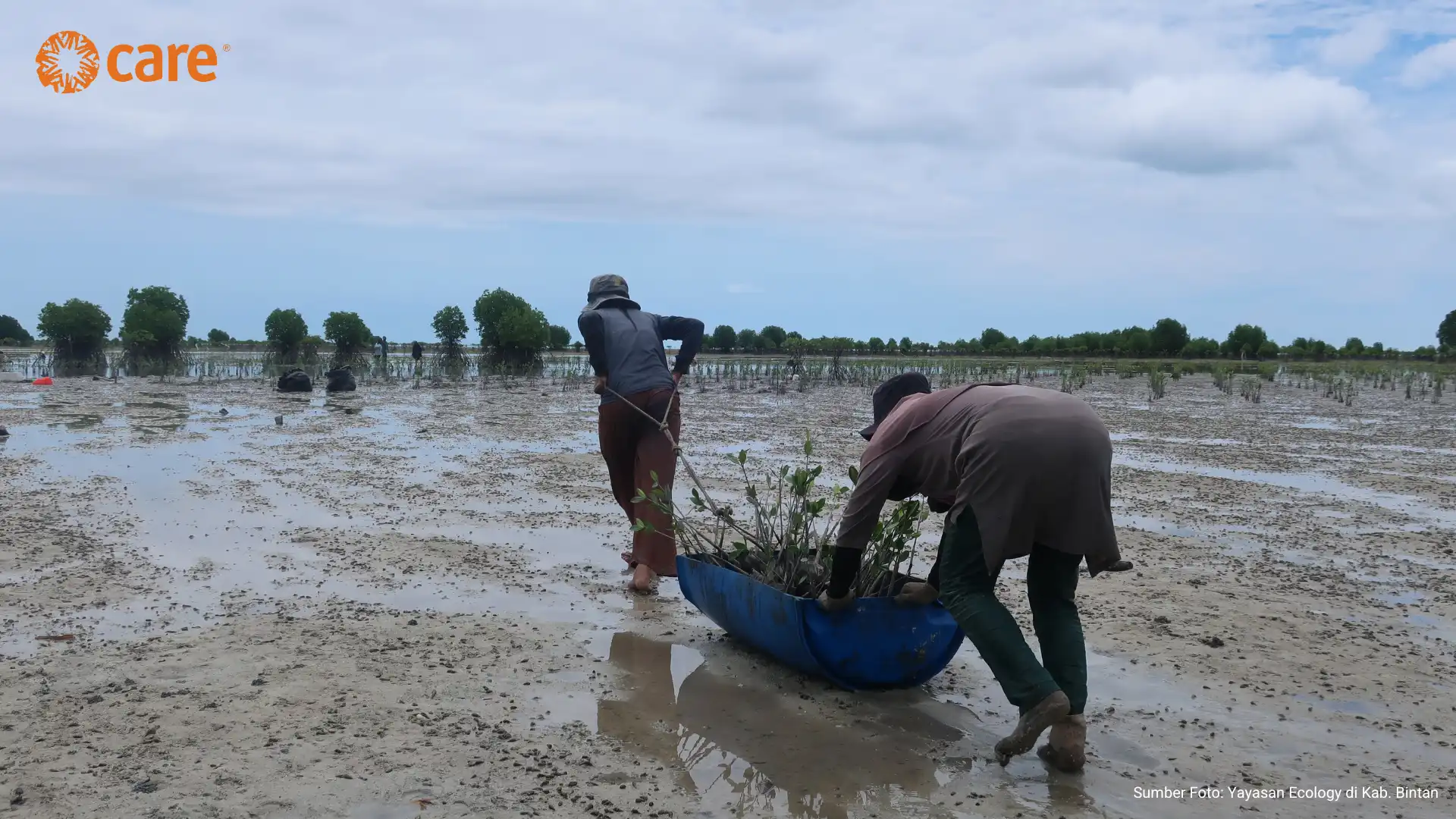
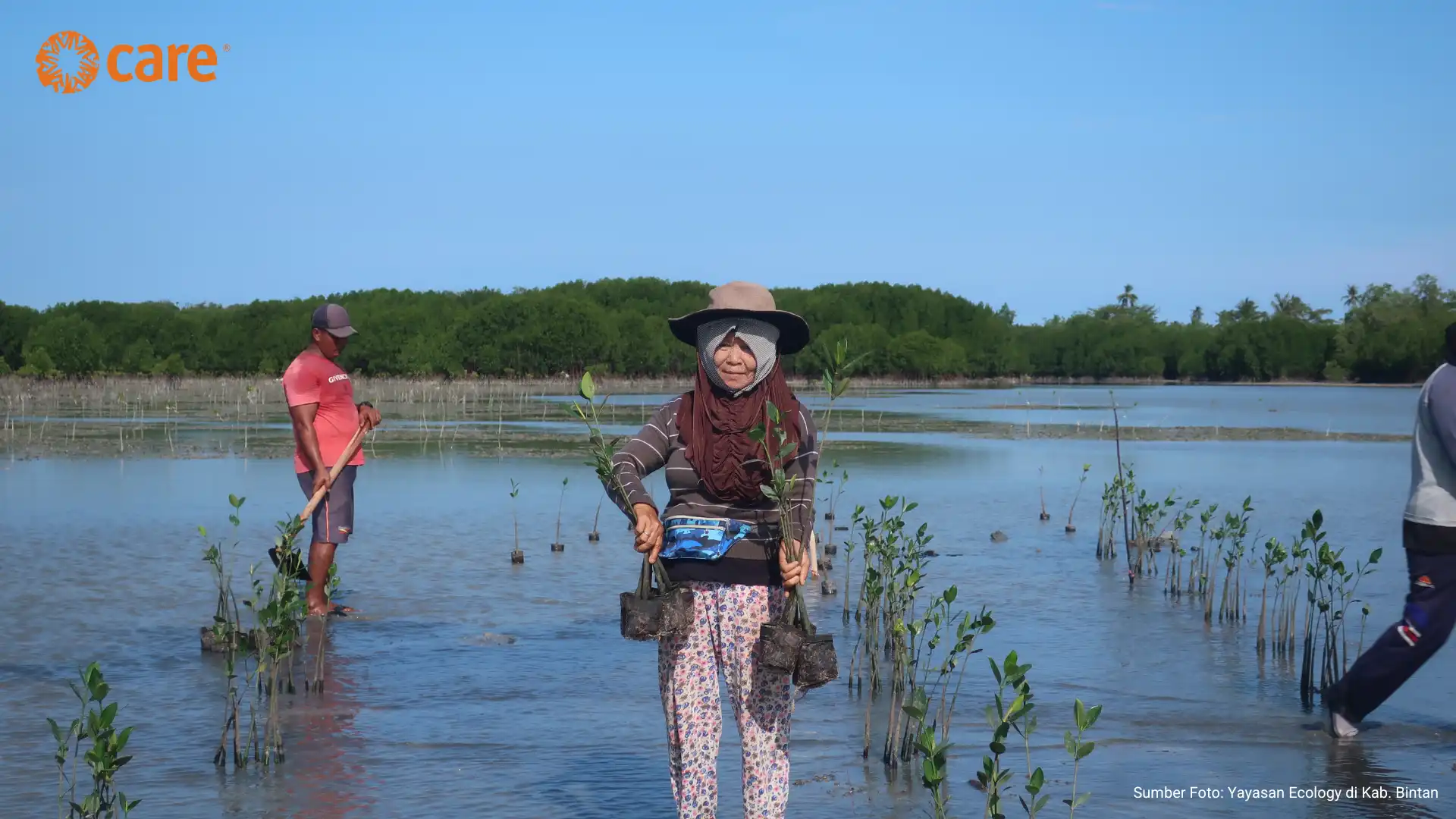
More than 42,000 mangrove seedlings have been cultivated and planted in the Marine Tourism Park (Taman Wisata Perairan/TWP) conservation area in Berakit Village, Bintan District (26/4 – 12/5) by the Community Surveilance Group (Pokmaswas) Srikandi, the Women’s Economic Business Groups (KUEP) Melati and Tenggiri, as well as the Panglong Community Business Group.

With support from Traveloka, CARE Indonesia, and the Ecology Foundation, the women’s groups have been actively involved in caring for mangroves from seed selection, nursery management, planting, maintaining and monitoring the condition of the mangroves.

Raising Voices for Safe Spaces for Women Workers in the Garment Industry

Gallery

To commemorate International Labor Day, the Bipartite Cooperation Institution (LKS Bipartit) and the Gender-Based Violence and Sexual Violence (GBV-SV) Task Force at PT. Glory Industrial Semarang Demak, in Demak District, engaged around 150 workers in promoting a safe and supportive work environment for women.

With support from CARE Indonesia and its partners, all participants were encouraged to speak up when see violence in the workplace. The GBV-SV task force also took the opportunity to reintroduce the official reporting procedures for cases of violence to ensure that all workers are informed and empowered to act.

Prevent Violence Against Women and Children in The Family

Gallery

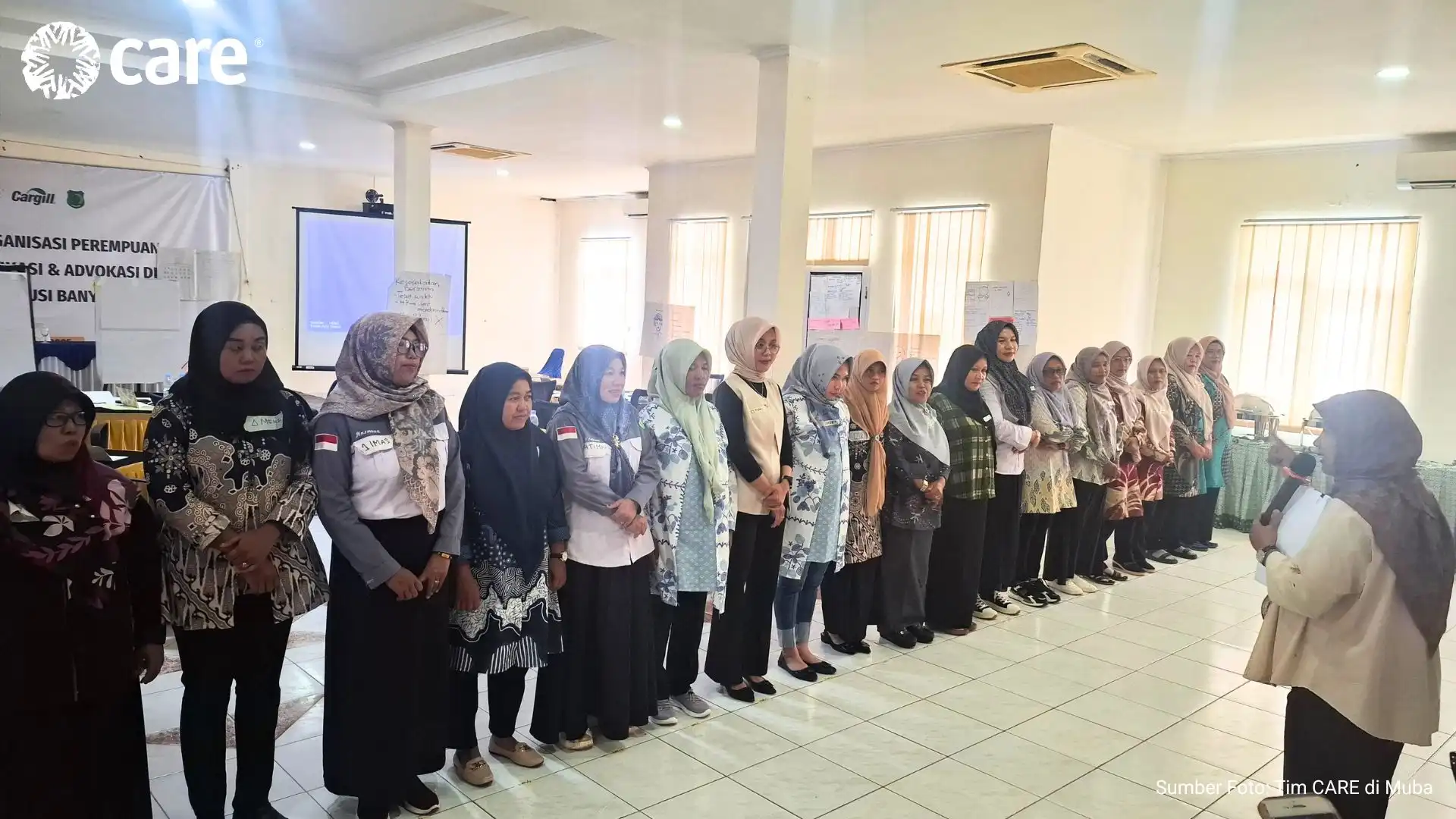
Over 300 participants, including community members and public figures from Bumi Kencana and Sri Gunung Villages in Musi Banyuasin District, took part in the prevention of violence against women and children, as well as anti-bullying socialization (13 & 14/05). This Event facilitated by CARE Indonesia with the support of its partners.

The Gender-Based Violence and Sexual Violence (GBV-SV) Protection Task Force provided participants with insights on how to prevent violence, introduced its members and shared their upcoming work plans with participants. The team encouraged the public to report any known cases of violence and educated them on how to report violence cases, especially those involving women and children.

Fostering Gender Awareness in Garment Factories: Strategies to Create a Safe Workplace

Stories

The issue of gender equality in Indonesia’s industrial landscape remains a critical and ongoing concern. The rate of gender-based violence (GBV) among factory workers in Indonesia remains considerably high. According to data released by the National Commission on Violence Against Women (Komnas Perempuan), the 2024 Annual Report on Violence Against Women (CATAHU) recorded 2,702 cases of violence against female workers.

A study published by UN Women and the International Labour Organization (ILO) in 2019 shows that workers who lack an understanding of gender equality tend to be unaware of, or normalize, gender-based and sexual violence (GBV-SV), as well as other forms of discrimination in the workplace.

Yohanna Tantria, Project Manager at Yayasan CARE Peduli (YCP), stated that one of the reasons for the lack of understanding among factory workers about gender equality is the limited access to capacity-building programs on gender issues in the workplace and the importance of creating a safe space at work.

“Gender issues are not yet prioritized in the workplace due to the strong influence of patriarchal culture. As a result, female workers still operate in environments that do not support women’s leadership and where gender-based violence is normalized,” she said.

Yohanna further explained that support from company management to improve workers’ understanding of gender equality is essential. In fact, research by the ILO has shown that companies that respect workers’ rights, including gender equality, can increase profits by 5 to 10 percent.

“Business practices that respect human rights—including gender equality and fair working conditions—can enhance worker productivity, reduce employee turnover, and increase company loyalty and reputation. Moreover, companies that implement human rights standards are more likely to be trusted by consumers and investors,” she added.

Yohanna emphasized that building gender equality among factory workers is vital. According to her, achieving gender equality in the workplace requires a holistic approach, beginning with individual awareness, followed by collective awareness and action, and ultimately, strengthening company policies and regulations.

“Changing workplace culture and mindsets is not easy. However, companies can take concrete steps to create a more gender-responsive and violence-free workplace by regularly holding training and education sessions on gender equality, formulating gender-sensitive policies, and supporting female leadership,” she added.

Echoing this, Muhammad Zainudin, Quality Control at PT. Glory Industrial Semarang Demak, said that educating factory workers on gender equality is crucial in eliminating Gender-Based and Sexual Violence (GBV-SV). “Training and educational materials on gender equality are very important. From the training we received—one of them from CARE Indonesia—workers here have become more aware of the importance of creating a safe space for female workers. Previously, some male workers thought that playfully poking a female colleague was harmless, but now we all understand that it can constitute gender-based violence,” he said.

According to Zainudin, support from both workers and management is crucial when a GBV-SV case occurs. “We strive to implement a Zero Tolerance policy. So when any form of violence happens, there should be no tolerance for the perpetrator. We also make sure female workers are informed about and have access to reporting channels,” he emphasized.

Meanwhile, Dayat, a Production Supervisor at PT. Dasan Pan Pacific Indonesia, explained that the existence of Bipartite Cooperation Institutions (LKS) and task forces handling GBV-SV is one effort to create safe spaces for female workers. These initiatives offer female workers the opportunity to grow further. “As a member of both the Bipartite LKS and the GBV-SV task force, I always support the female workers on my team to progress. With guidance from CARE, I realized the importance of providing support and opportunities, especially for female workers. Out of 42 women on my team, three have now become leaders and supervisors. As long as they have the capability, I always give them the chance to grow,” Dayat concluded.

Writer: Kukuh A. Tohari
Editor: Swiny Adestika
Strengthening accountability of three local partners in Mimika District
Gallery

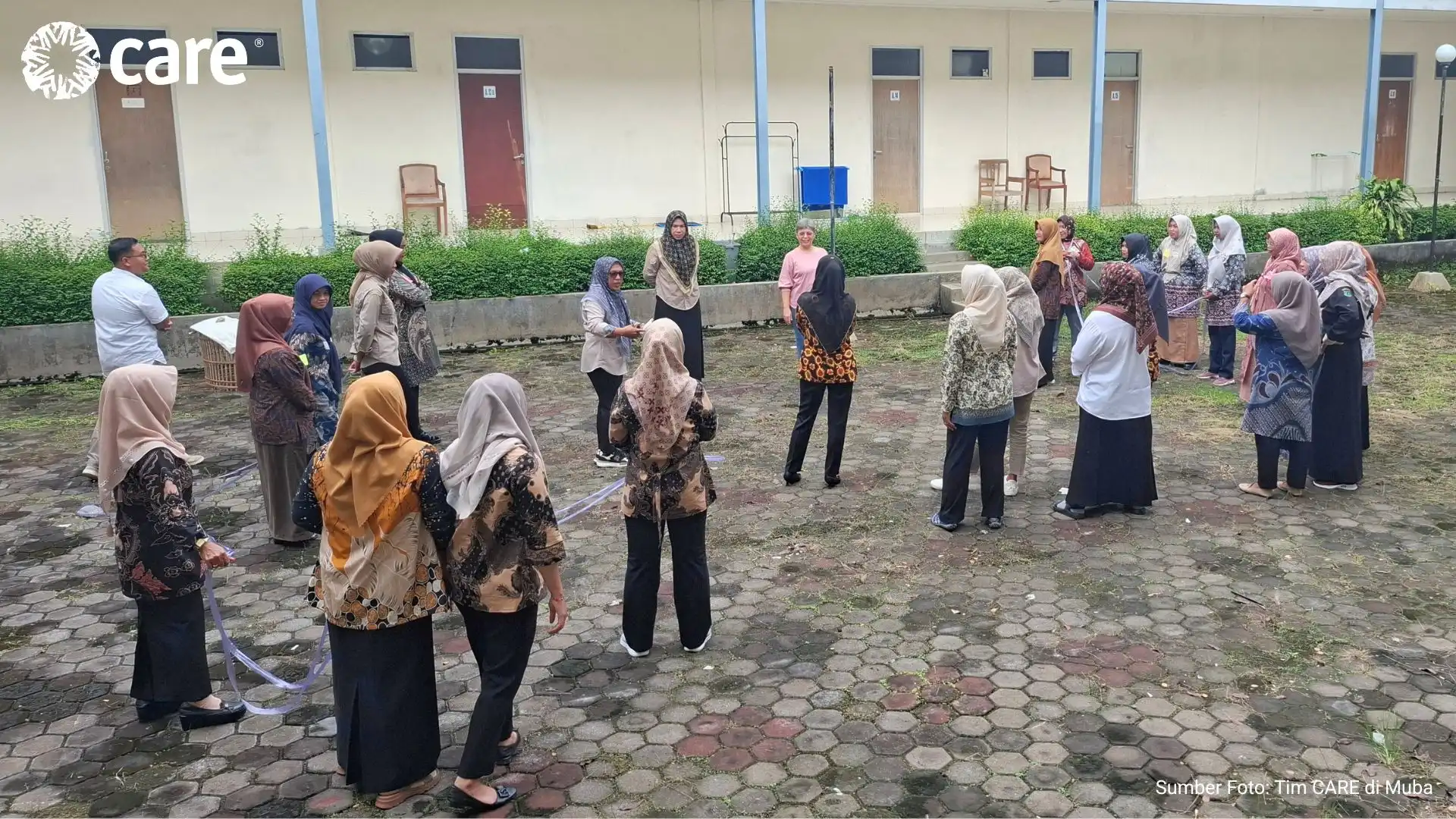
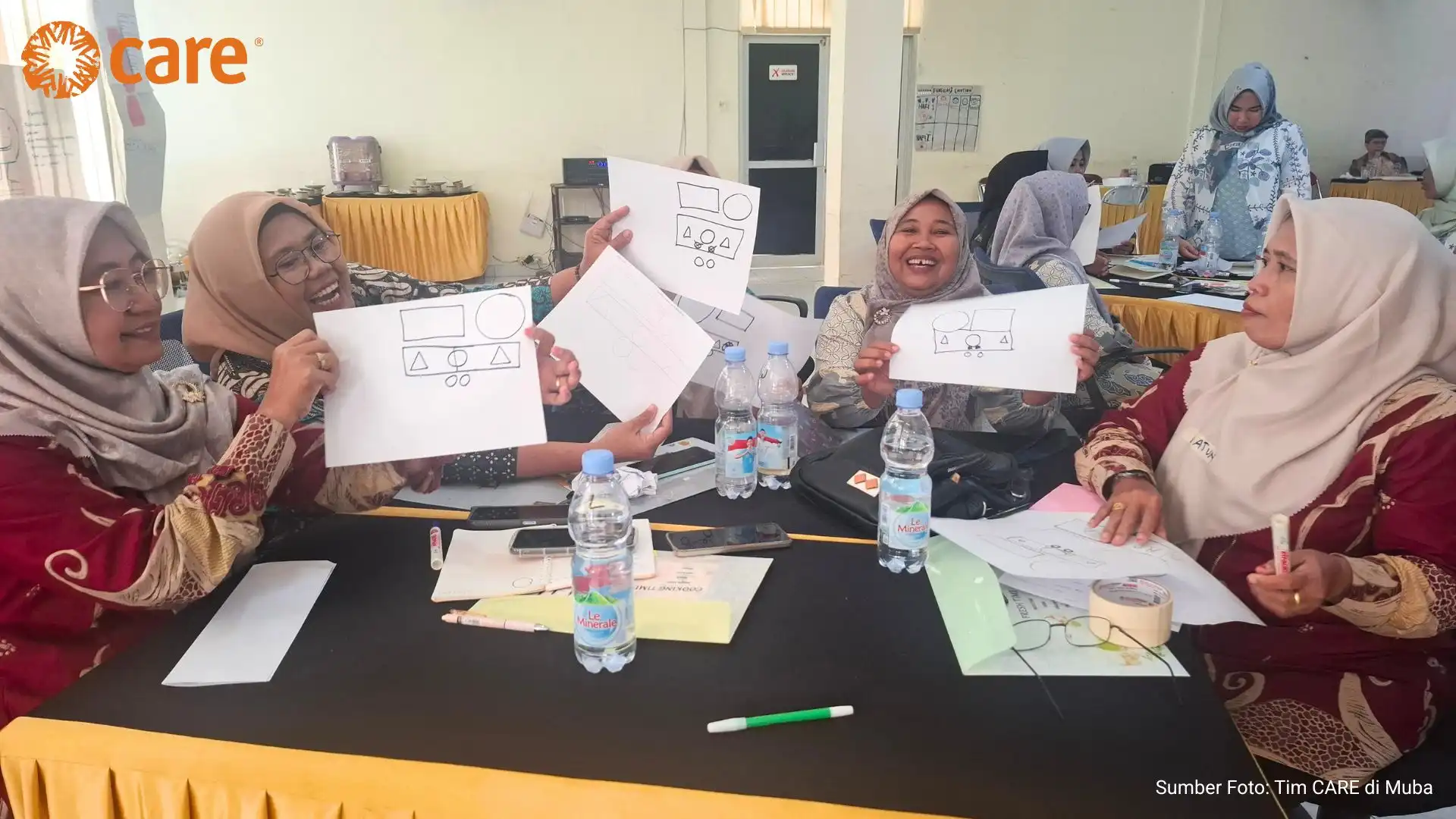
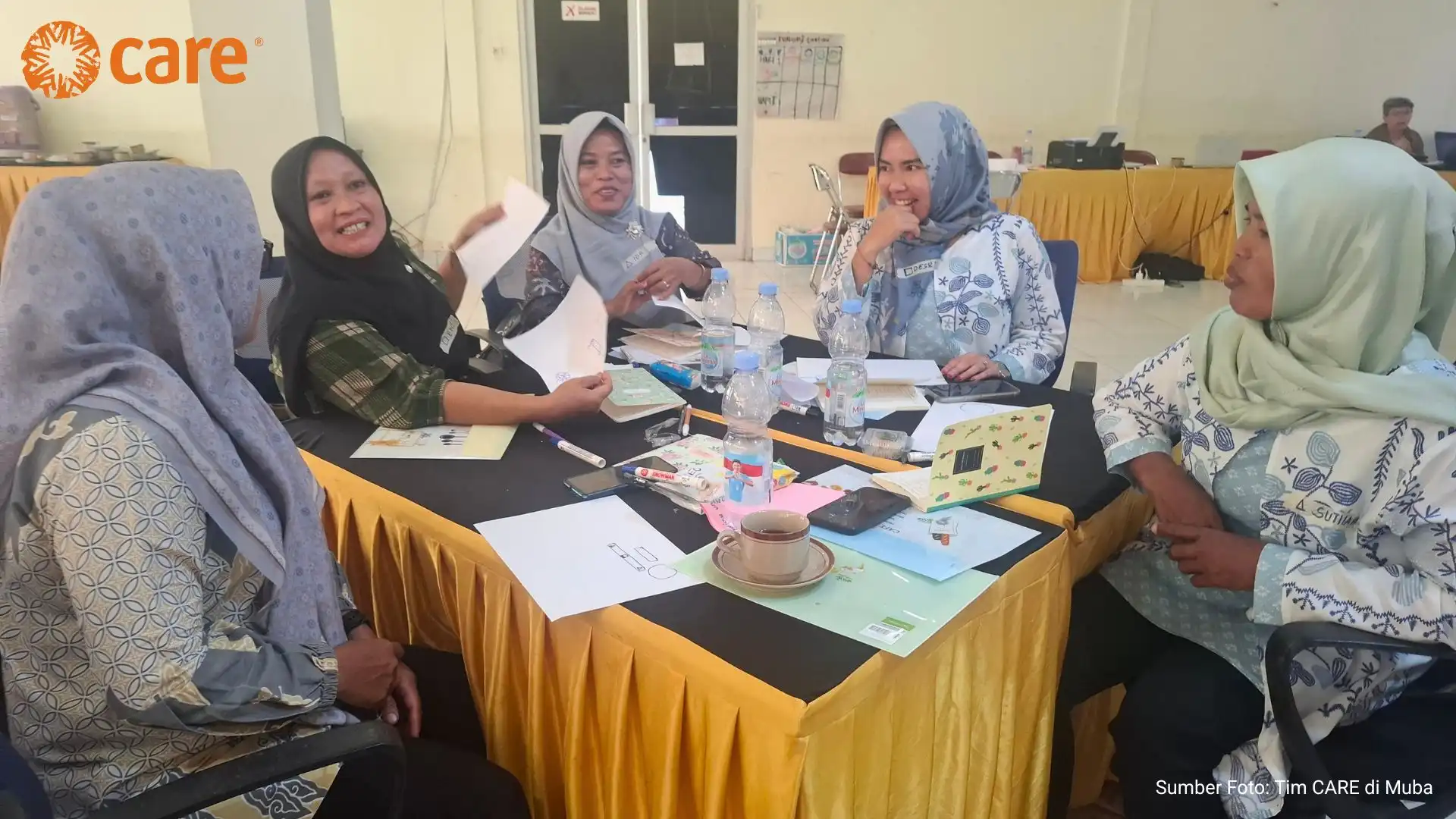
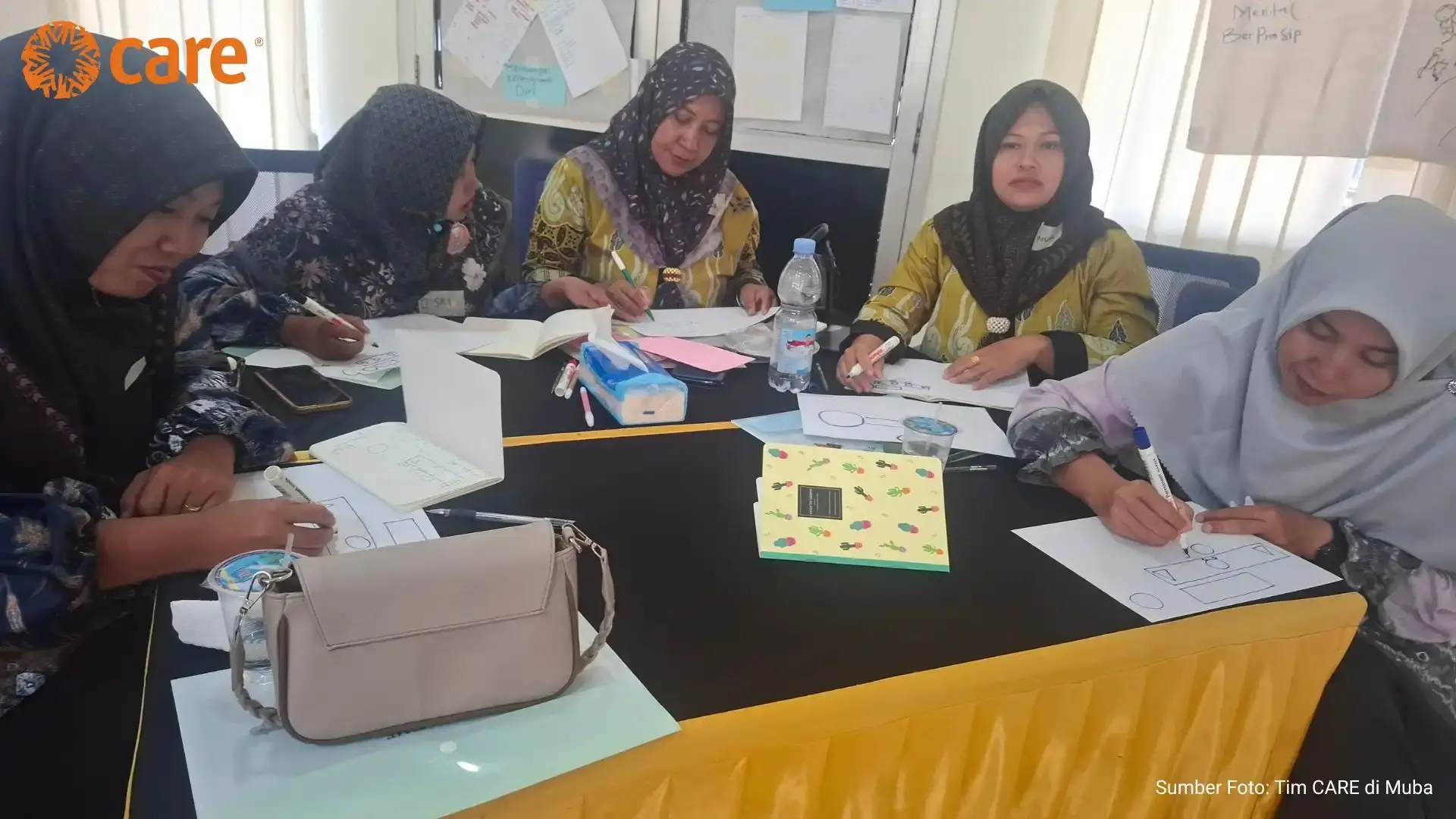
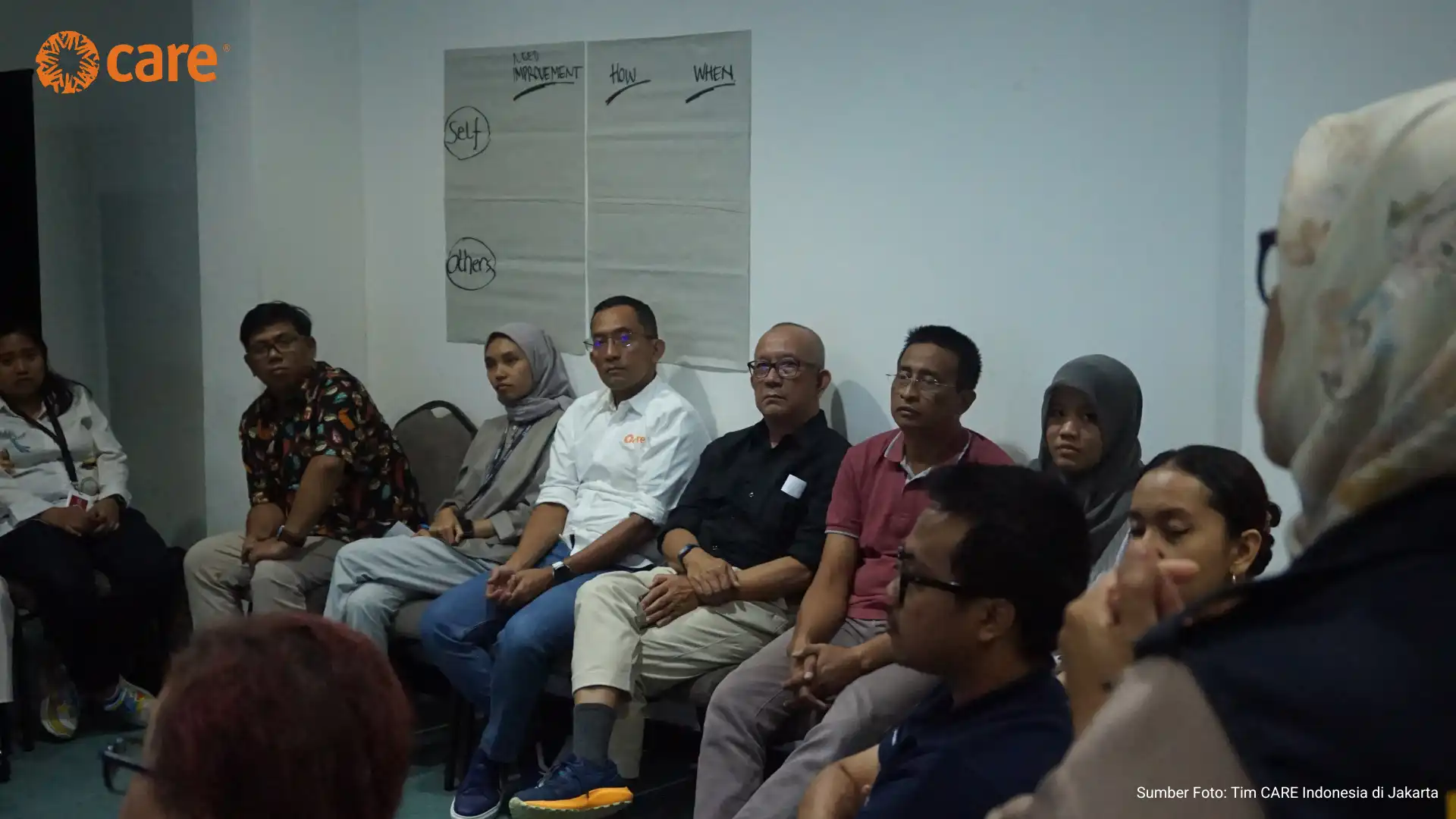
34 participants representing the Papua Ecology Foundation (YEP), Papua Lestari Foundation (YAPARI), and Rumsram Foundation joint the learning session on how to utilize reports as learning tools to support organizational activities and program implementation (28–29/04).

This activity Initiated by CARE Indonesia, in its role as partner facilitator, together with the Amungme and Kamoro Community Empowerment Foundation (YPMAK) to strengthening program of local partners involved in the Healthy Village Program in Mimika District.