Search
Close this search box.

Strengthening Disaster Preparedness through Collaboration with PMI South Sulawesi

Gallery

CARE Indonesia continues to enhance its efforts in disaster and emergency preparedness. A Memorandum of Understanding was signed with the Indonesian Red Cross (PMI) South Sulawesi to reinforce emergency response preparedness (11/07). This collaboration includes the provision of hygiene kits, storage, and distribution to community groups — including women in need — in disaster-prone areas.
The 140 hygiene kits were handed over to PMI South Sulawesi as well as logistic maintenance fund. Each kit includes a bucket, bar soap, toothpaste, toothbrush, shampoo, detergent, sanitary pads, a jerry can, and a dipper. These kits will be distributed during emergency situations, based on the needs of affected communities particularly women and children.

Six Villages in Sigi District Commit to Becoming Women-Friendly and Child-Caring Villages

Gallery

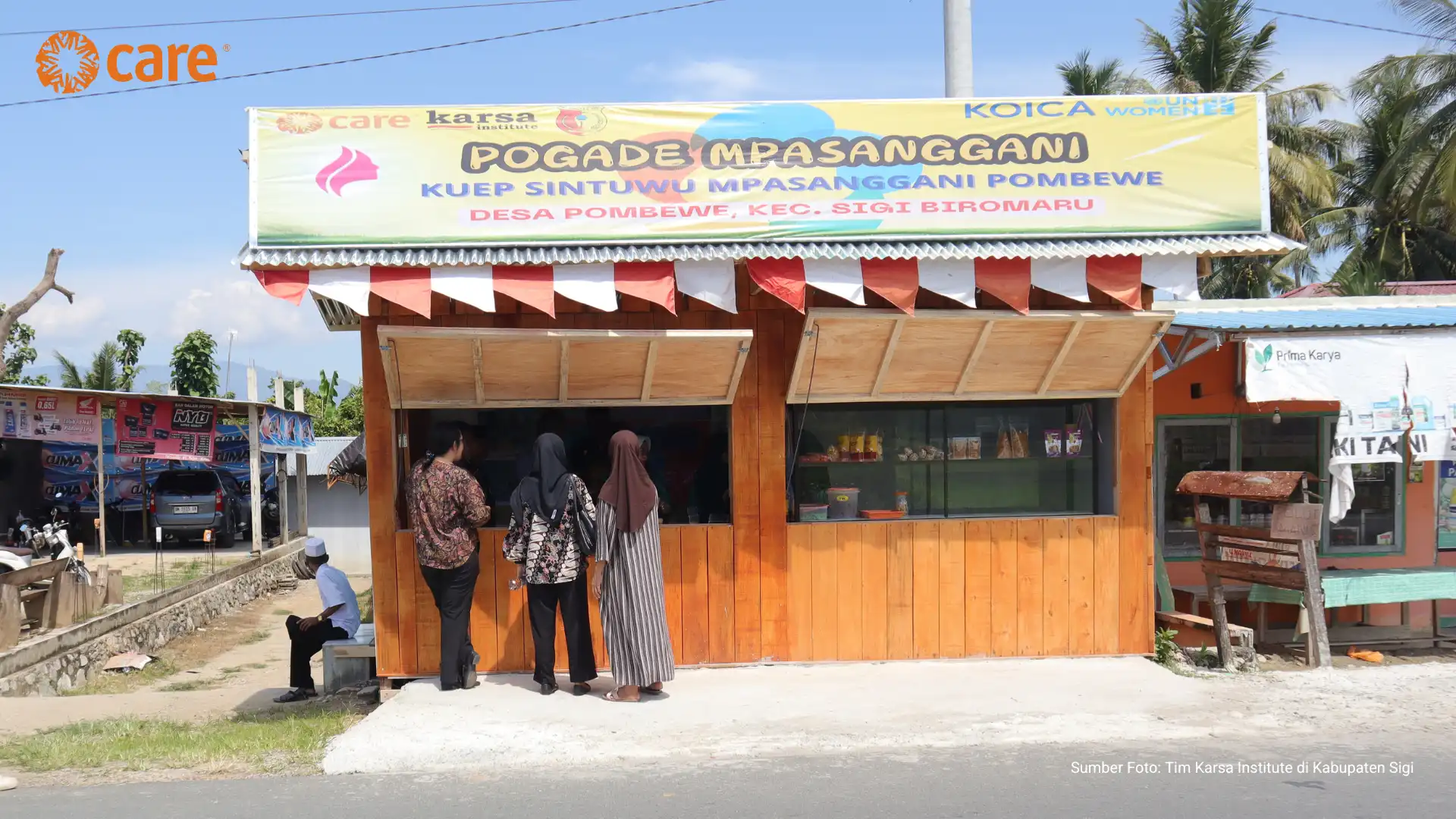
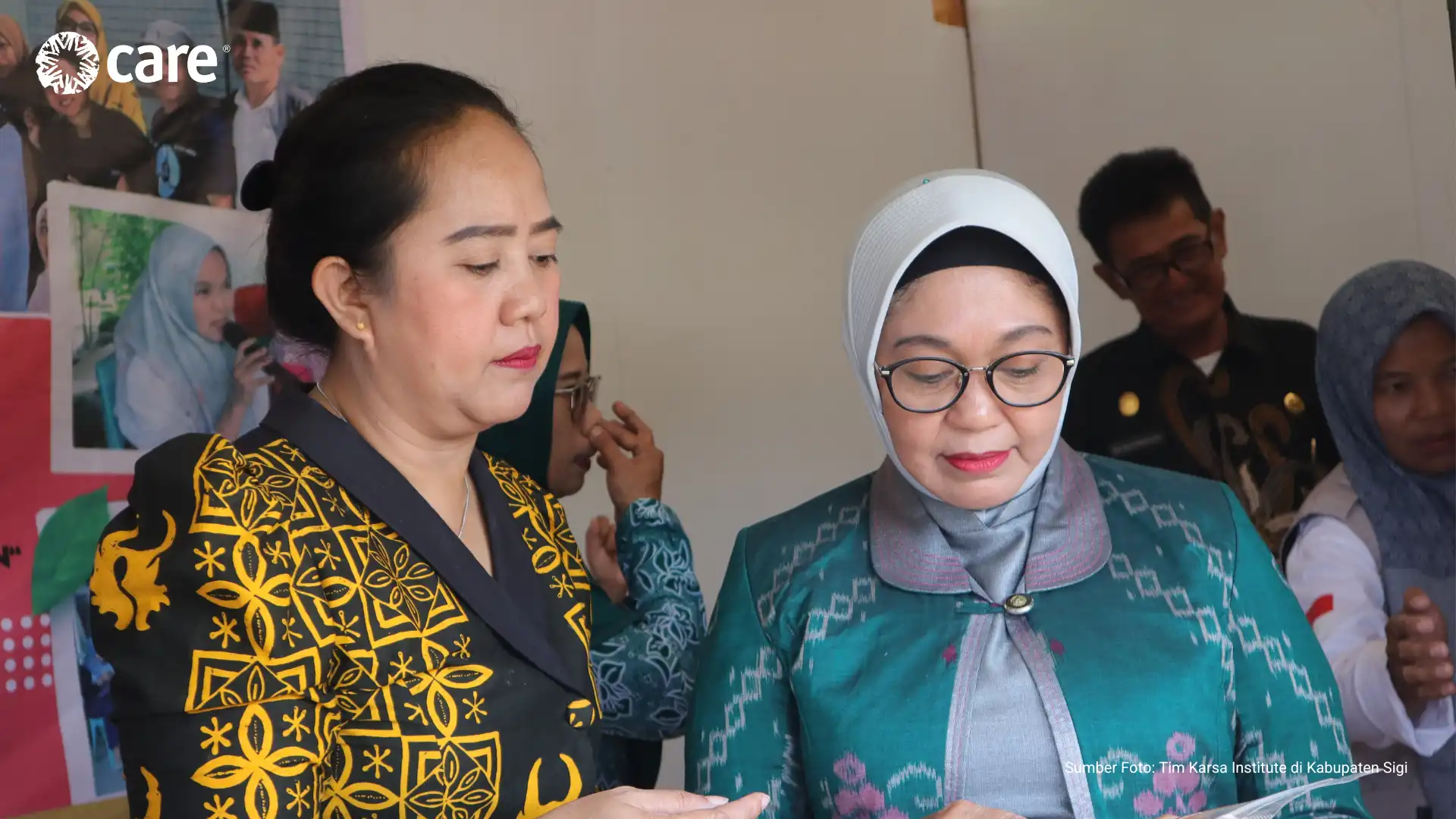
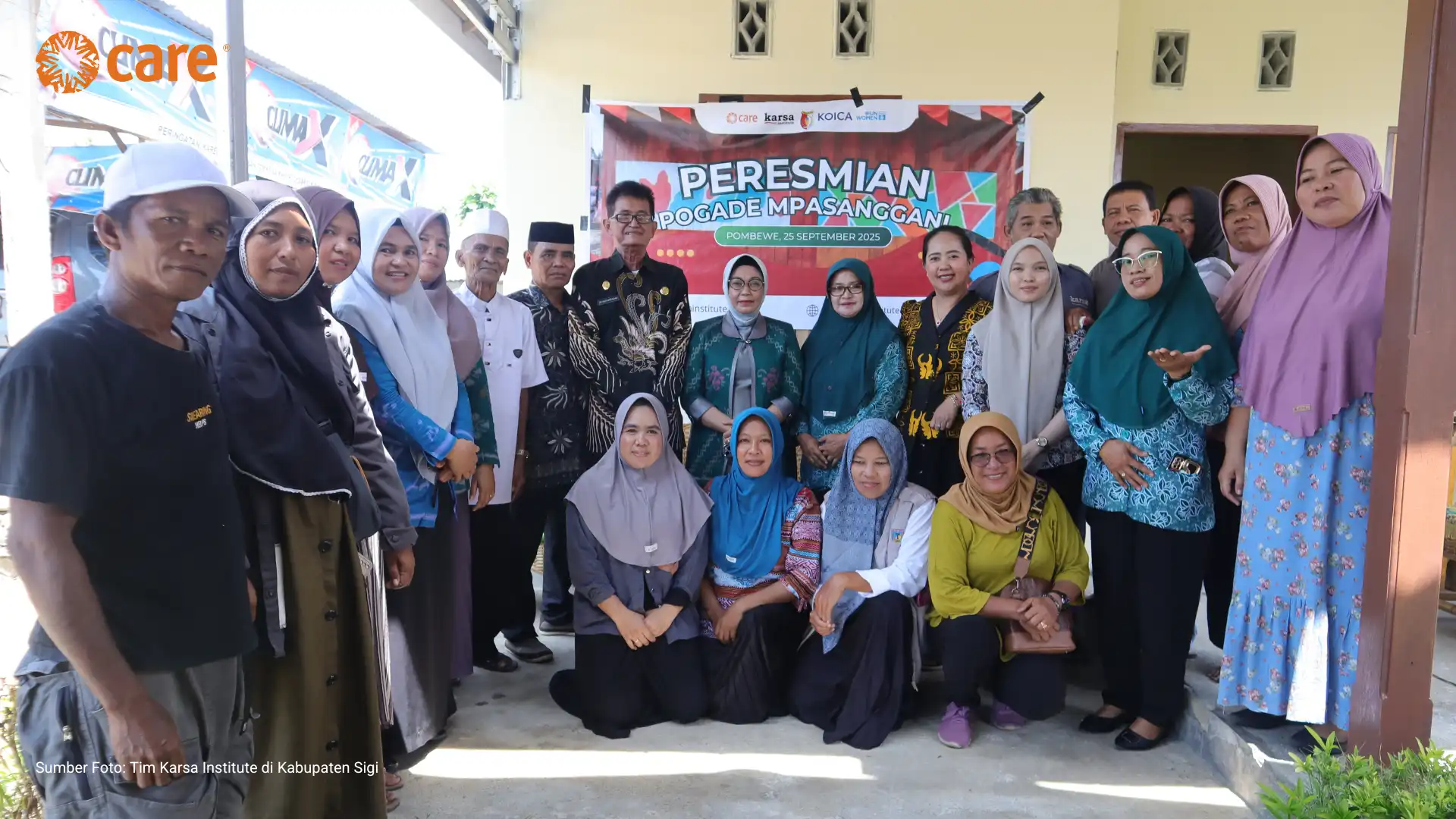
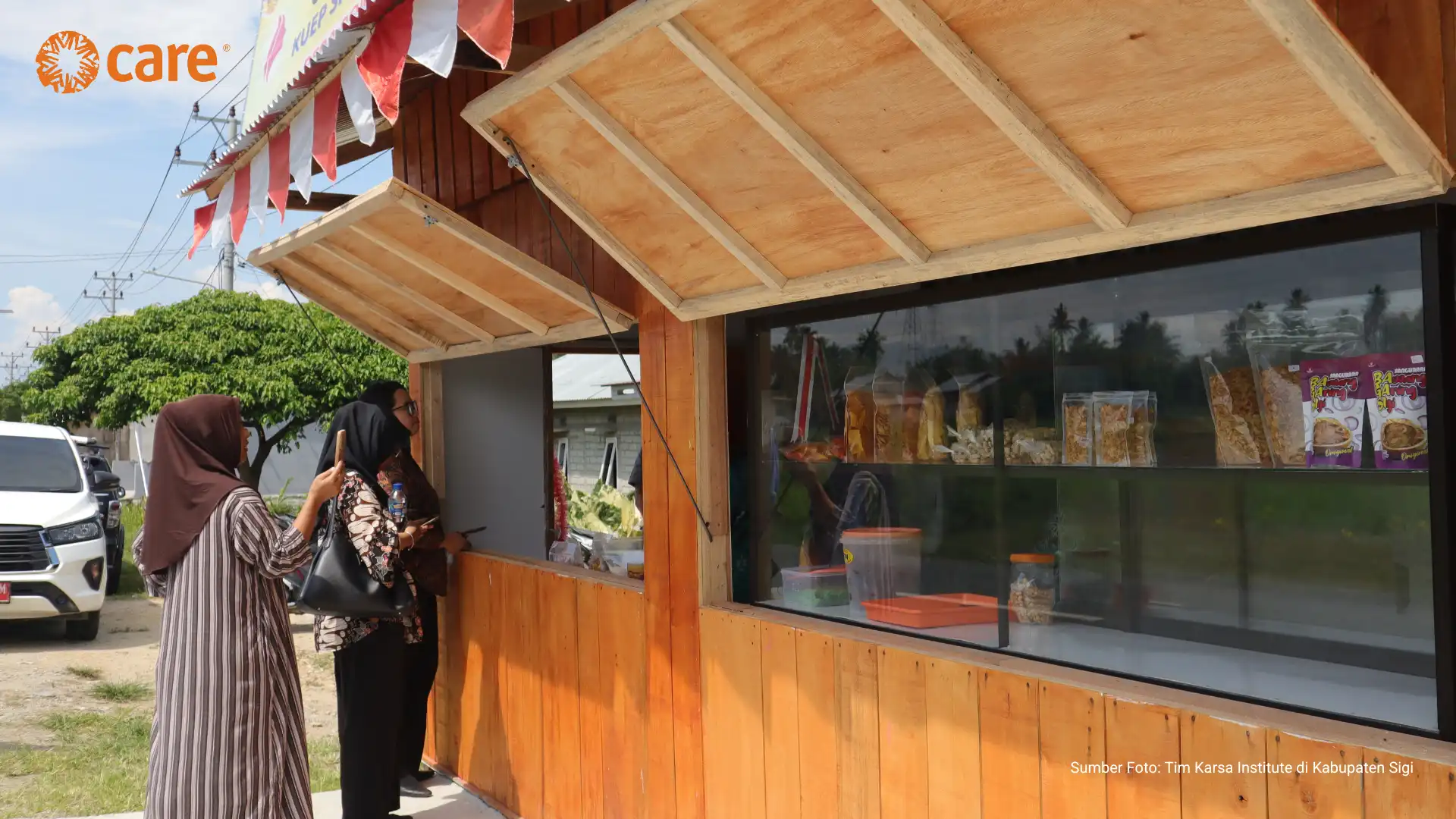
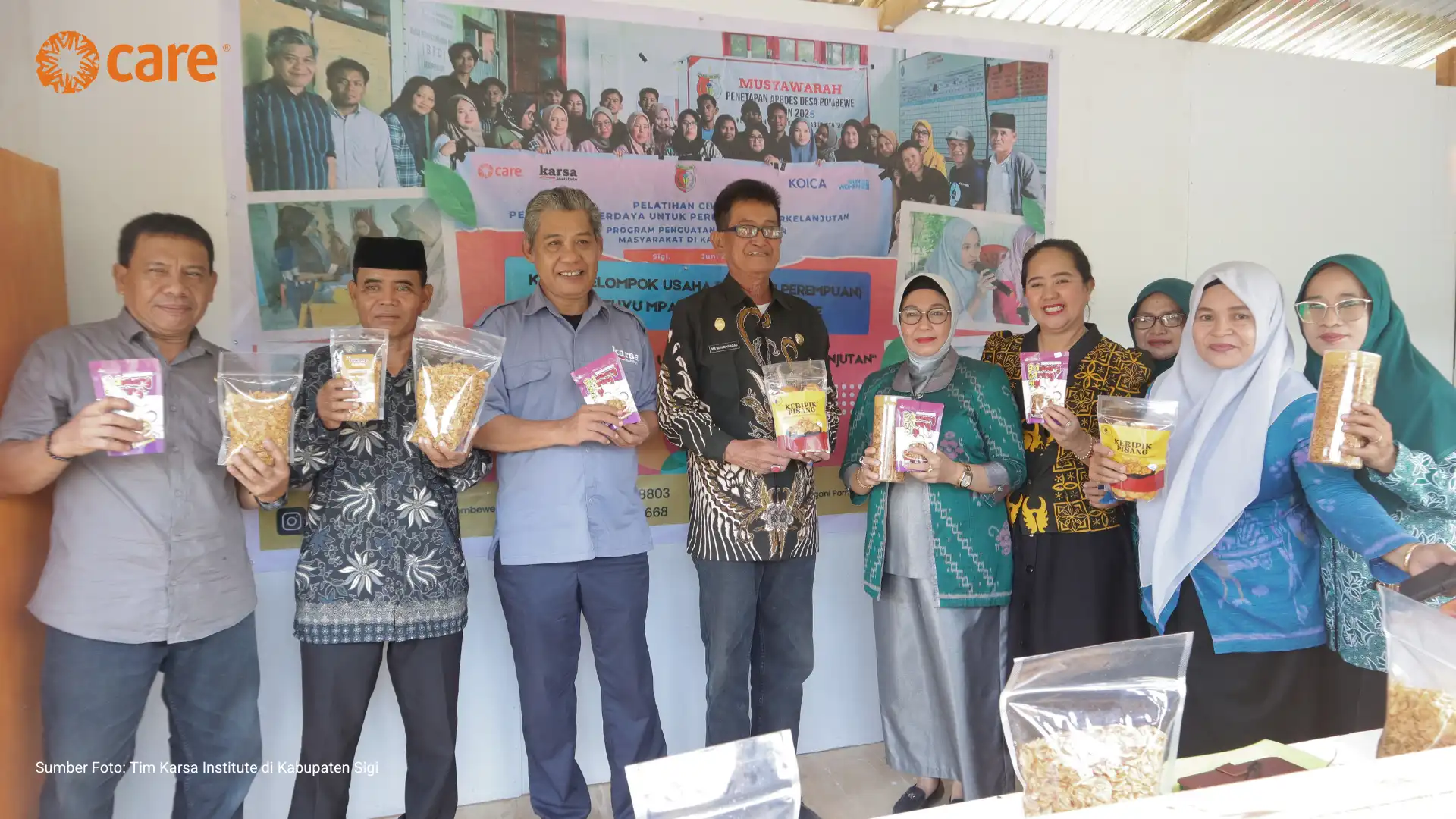
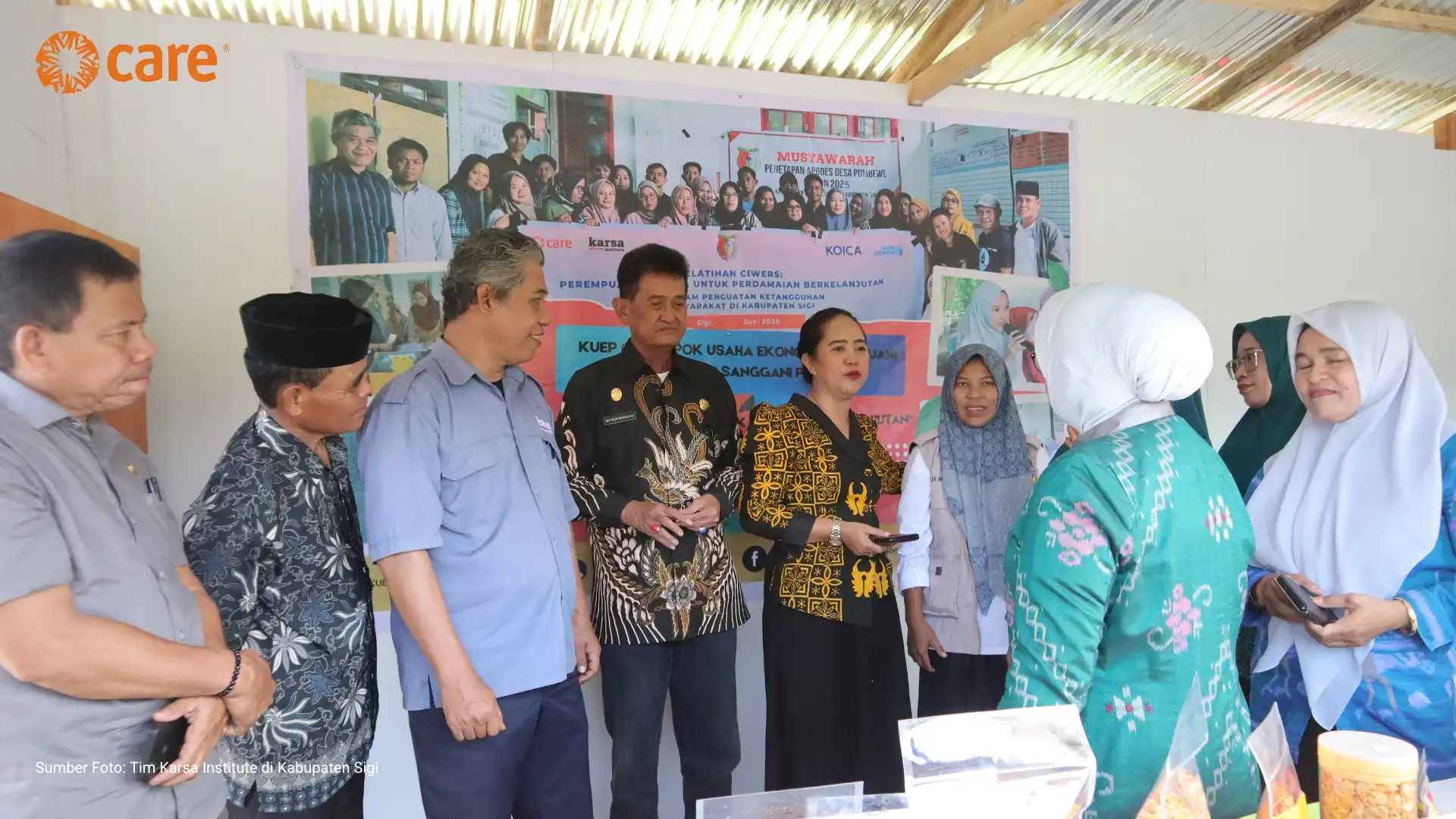
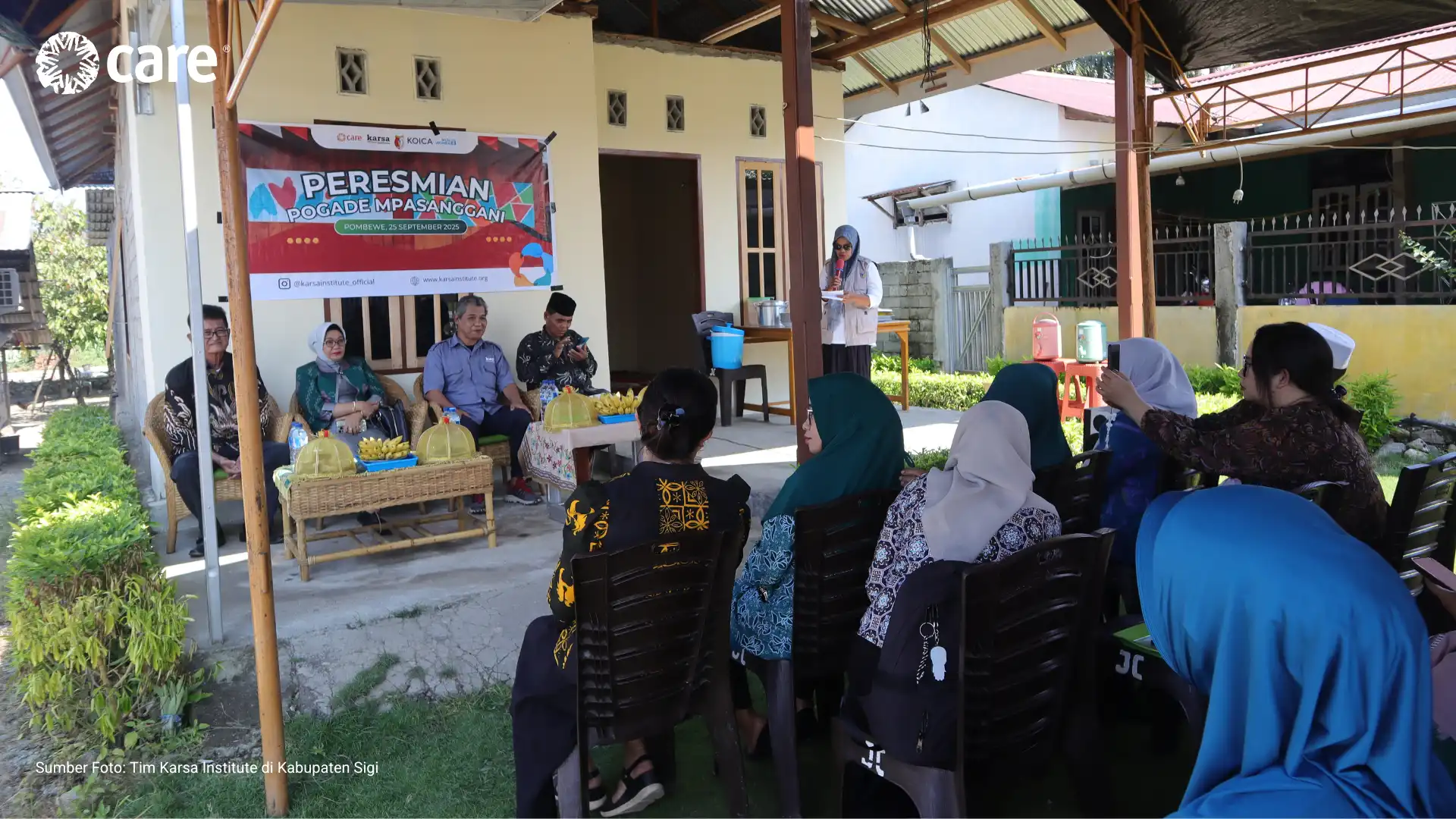
Six villages in Sigi District — Rarampadende, Pesaku, Ngatabaru, Pombewe, Wisolo, and Ramba — supported by the KARSA Institute and CARE Indonesia, have declared their commitment to creating safe spaces for women and children (18/06). They have committed to the Women and Child-Friendly Villages (DRPPA) initiative along with the Friends of Women and Children program (SAPA). It is part of the Strengthening the Resilience of Women and Youth Program, supported by UN Women, the Sigi District Government, and funded by the Korea International Cooperation Agency (KOICA).

The DRPPA declaration reflects the six villages dedication to promoting the support of women and children through inclusive village services and gender-responsive governance. Moving forward, each village will strengthen the SAPA program and village-level of Women and Children Protection Task Forces (Satgas PPA) to ensure continued efforts in providing a safe and supportive environment.

Strengthening DASHAT Cadres to Accelerate Stunting Reduction in Bandung District

Gallery

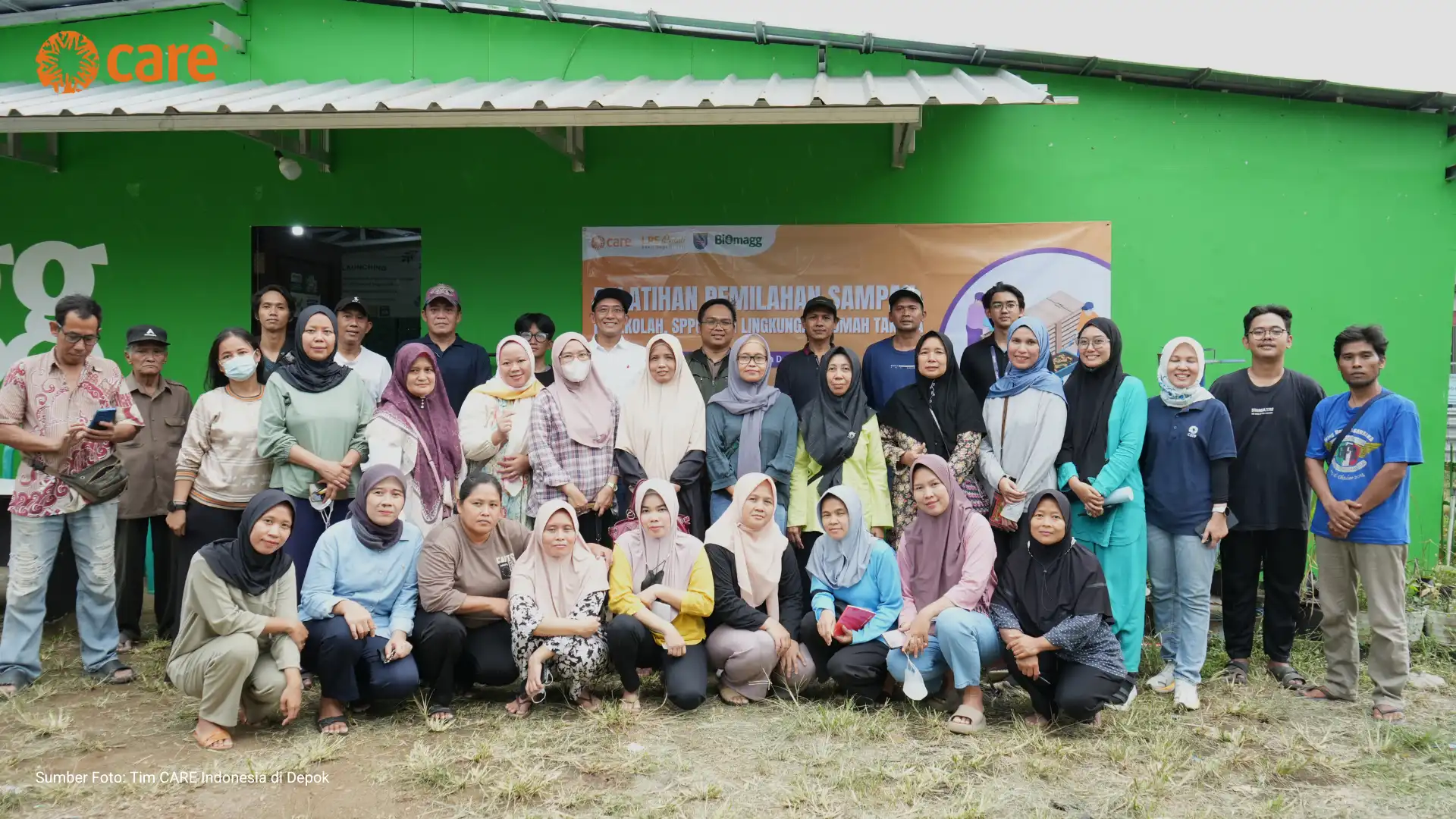
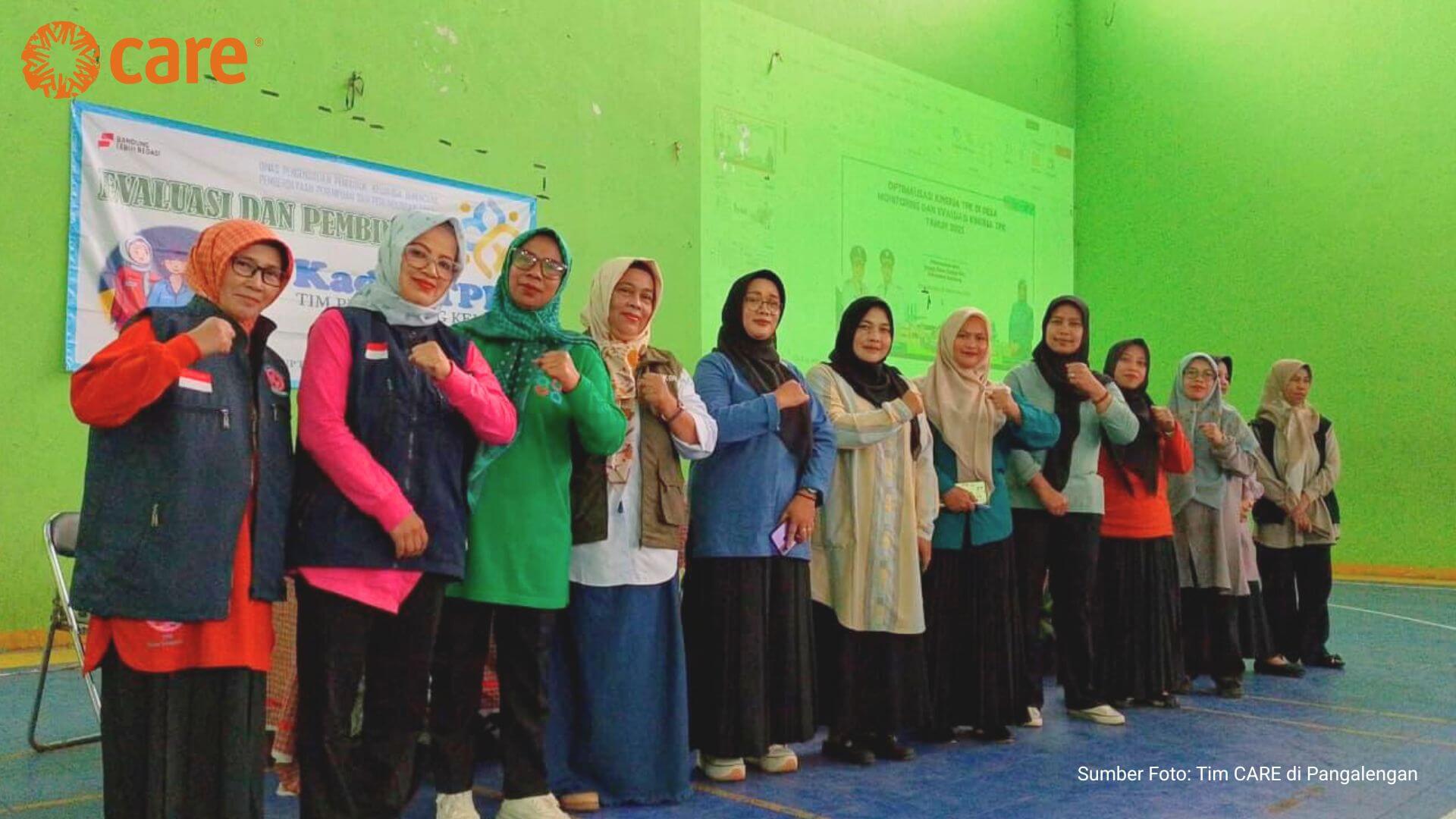
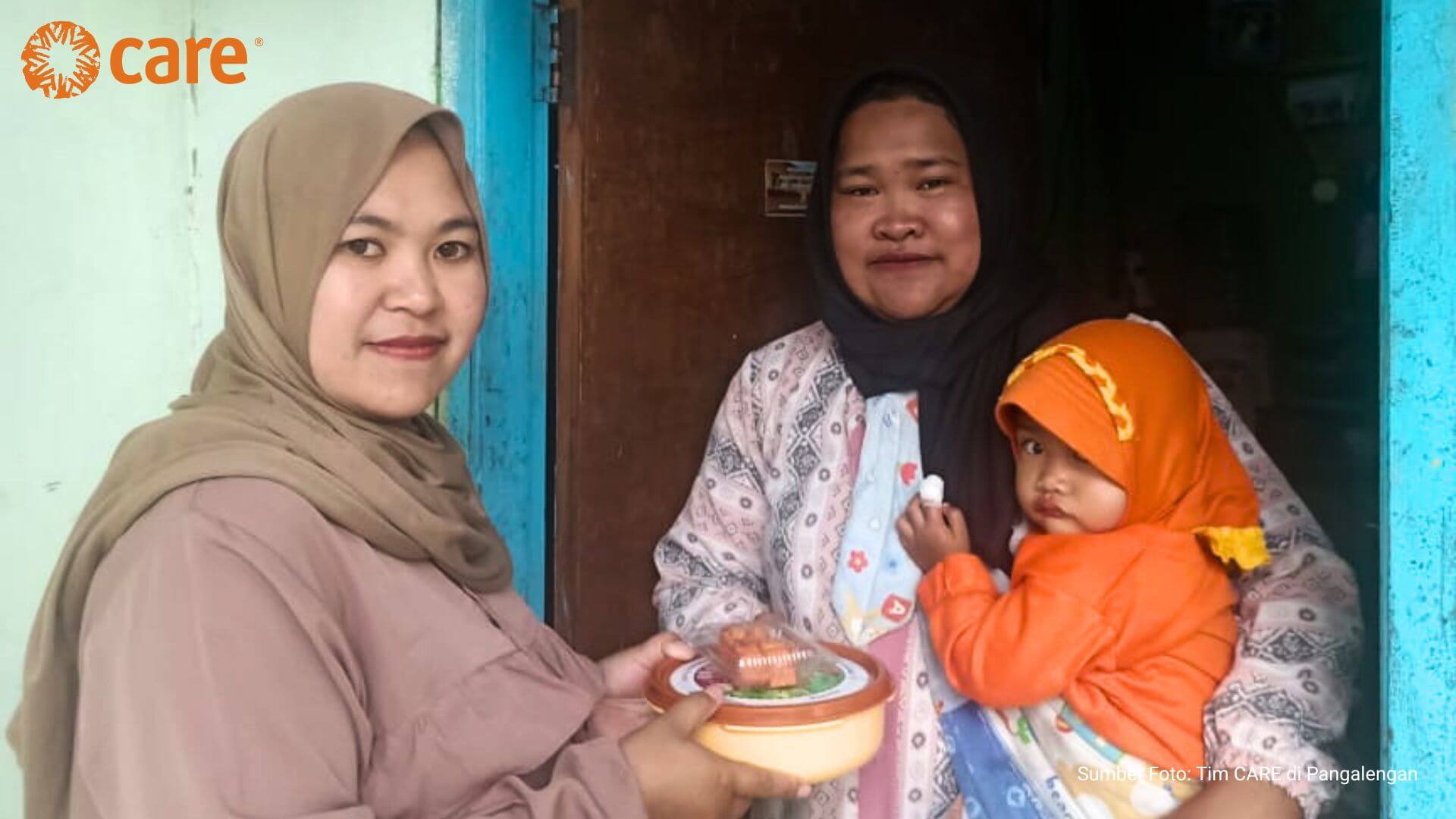
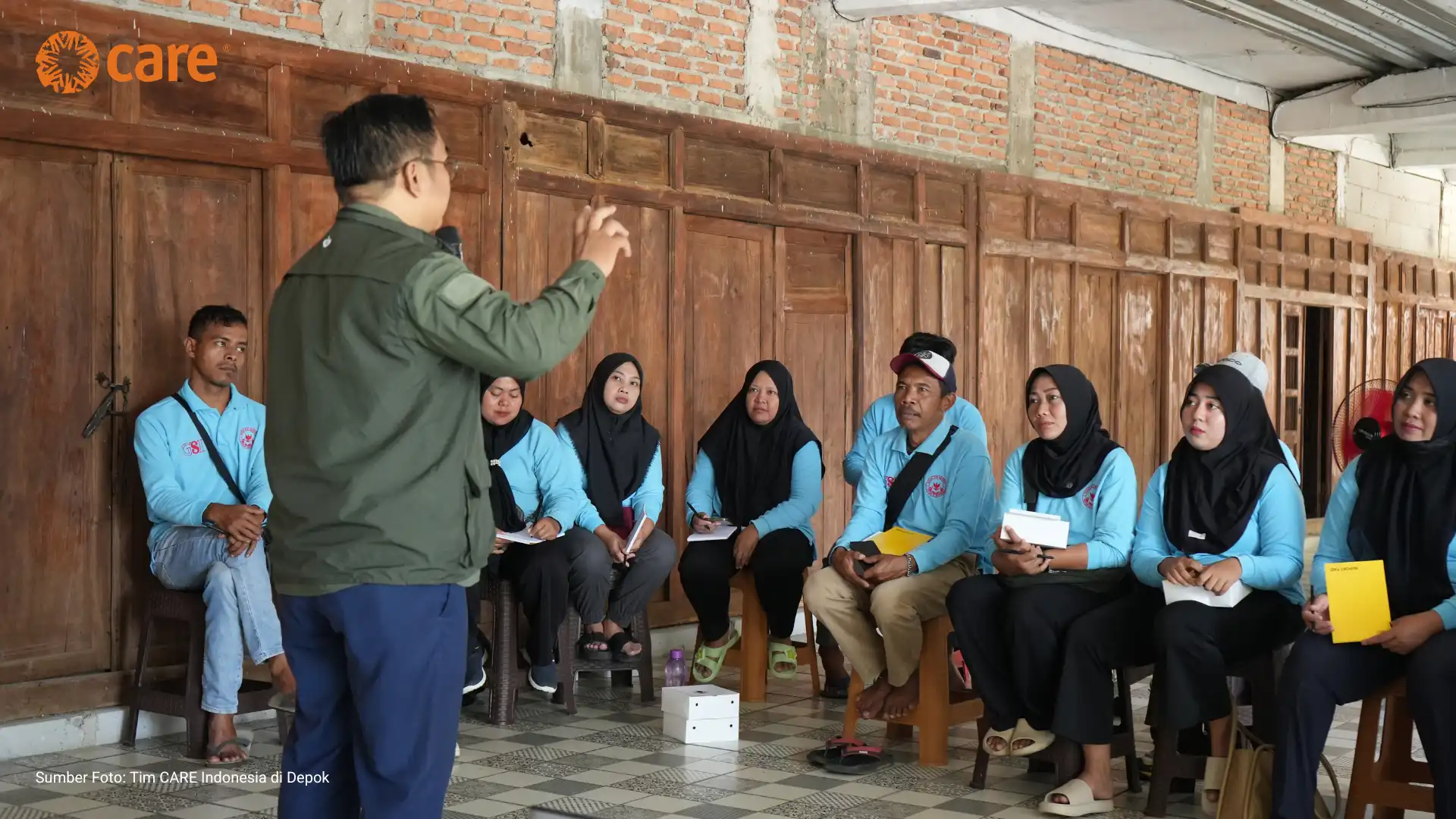
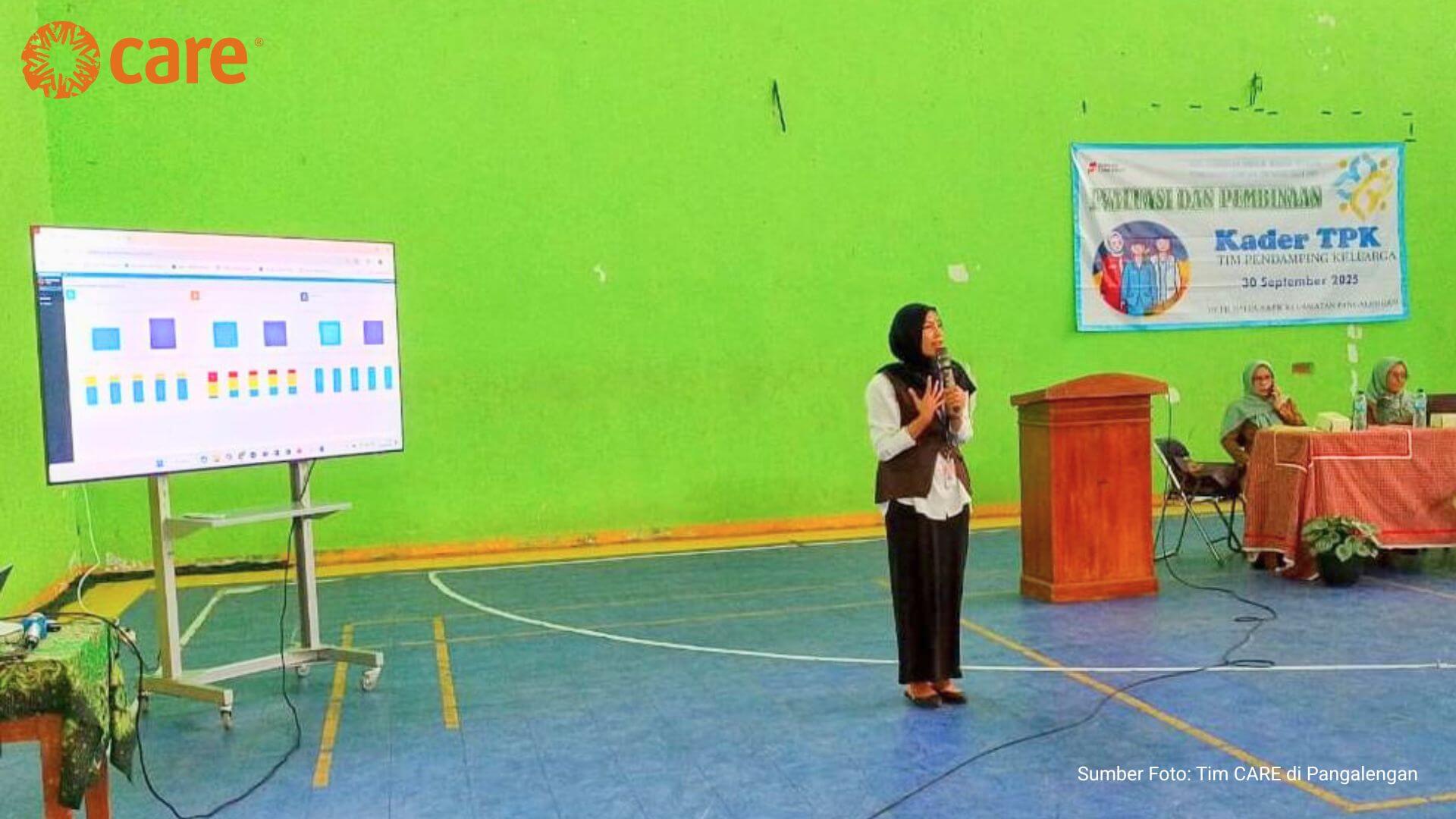
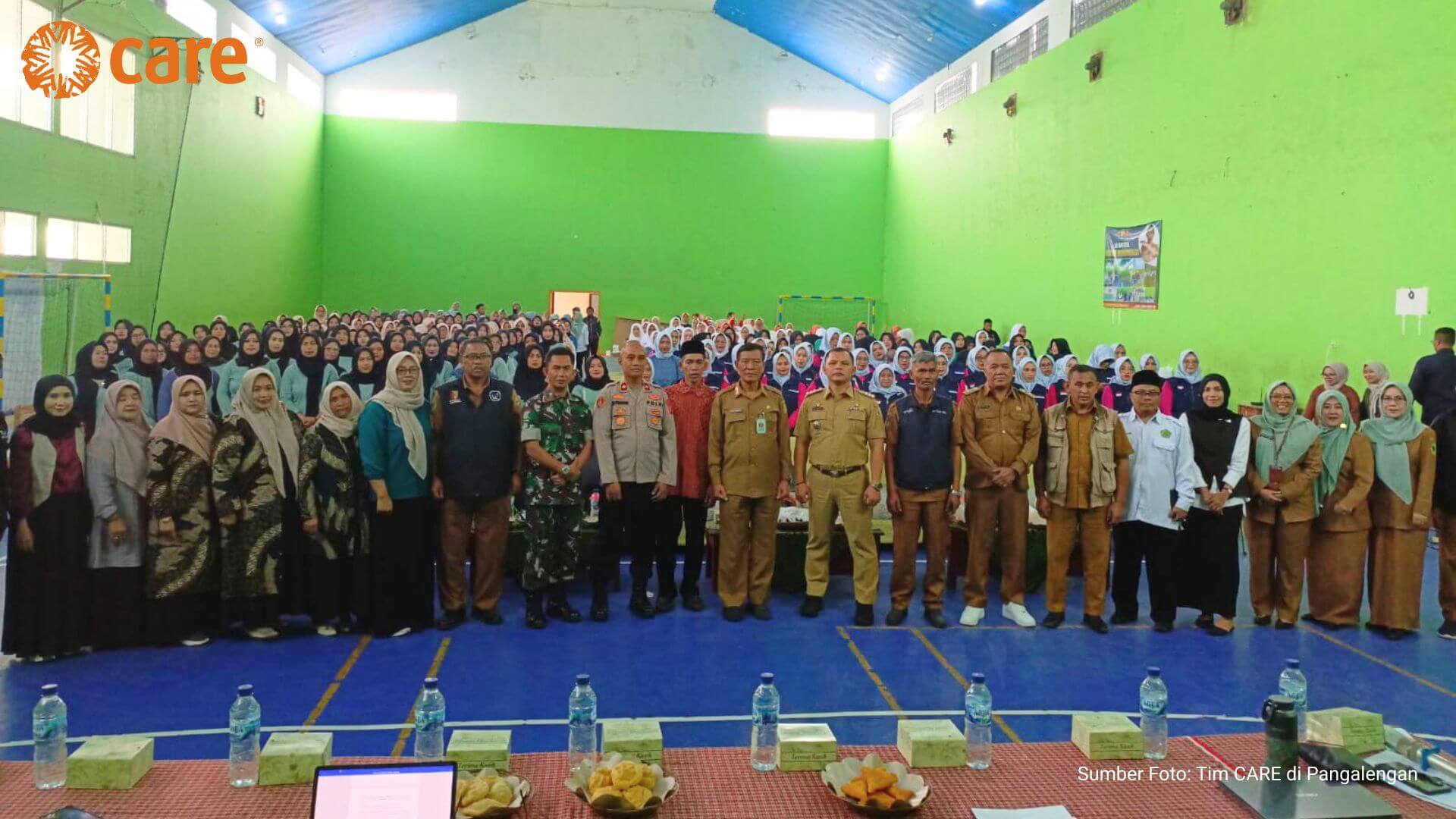
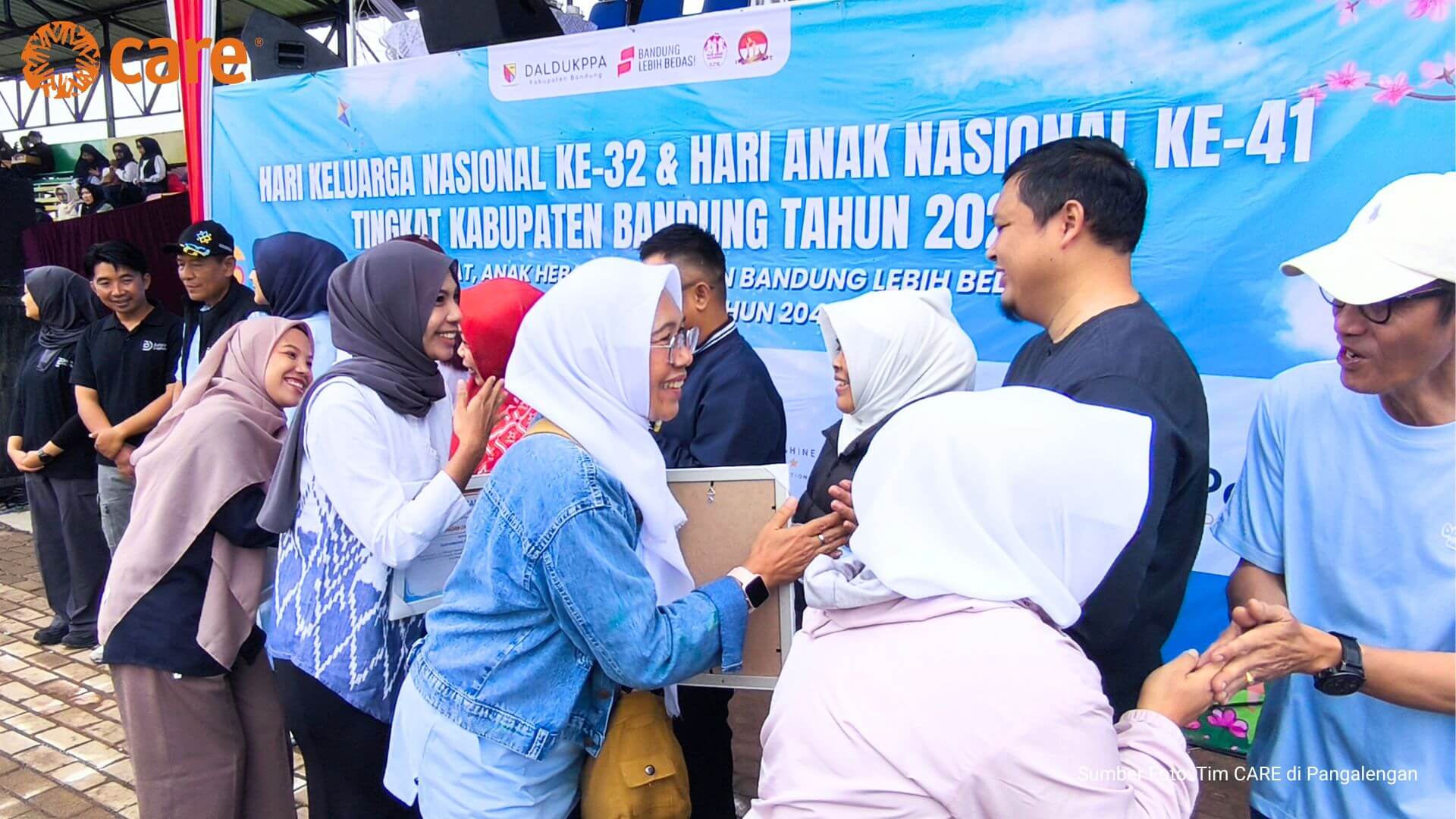
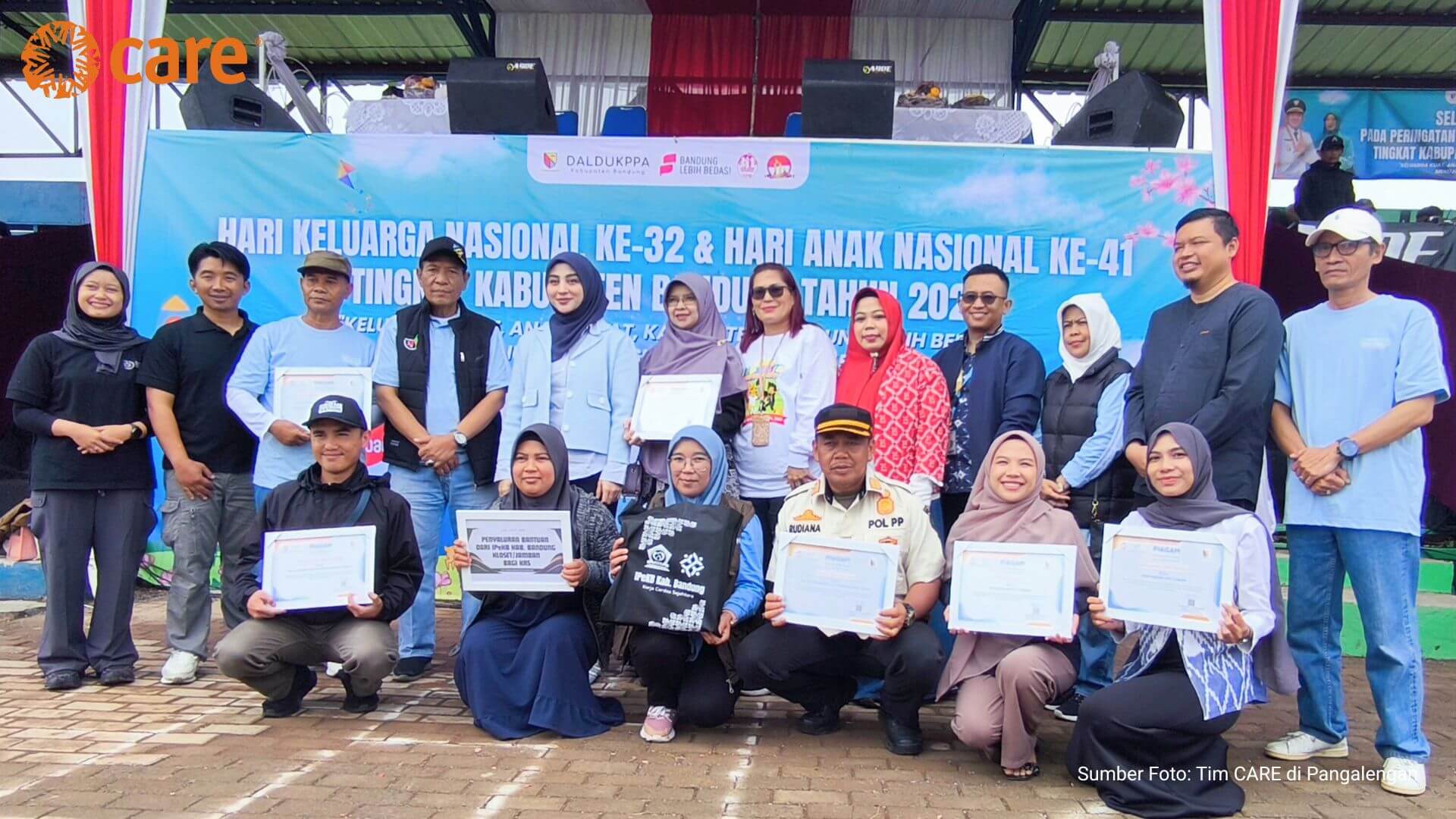
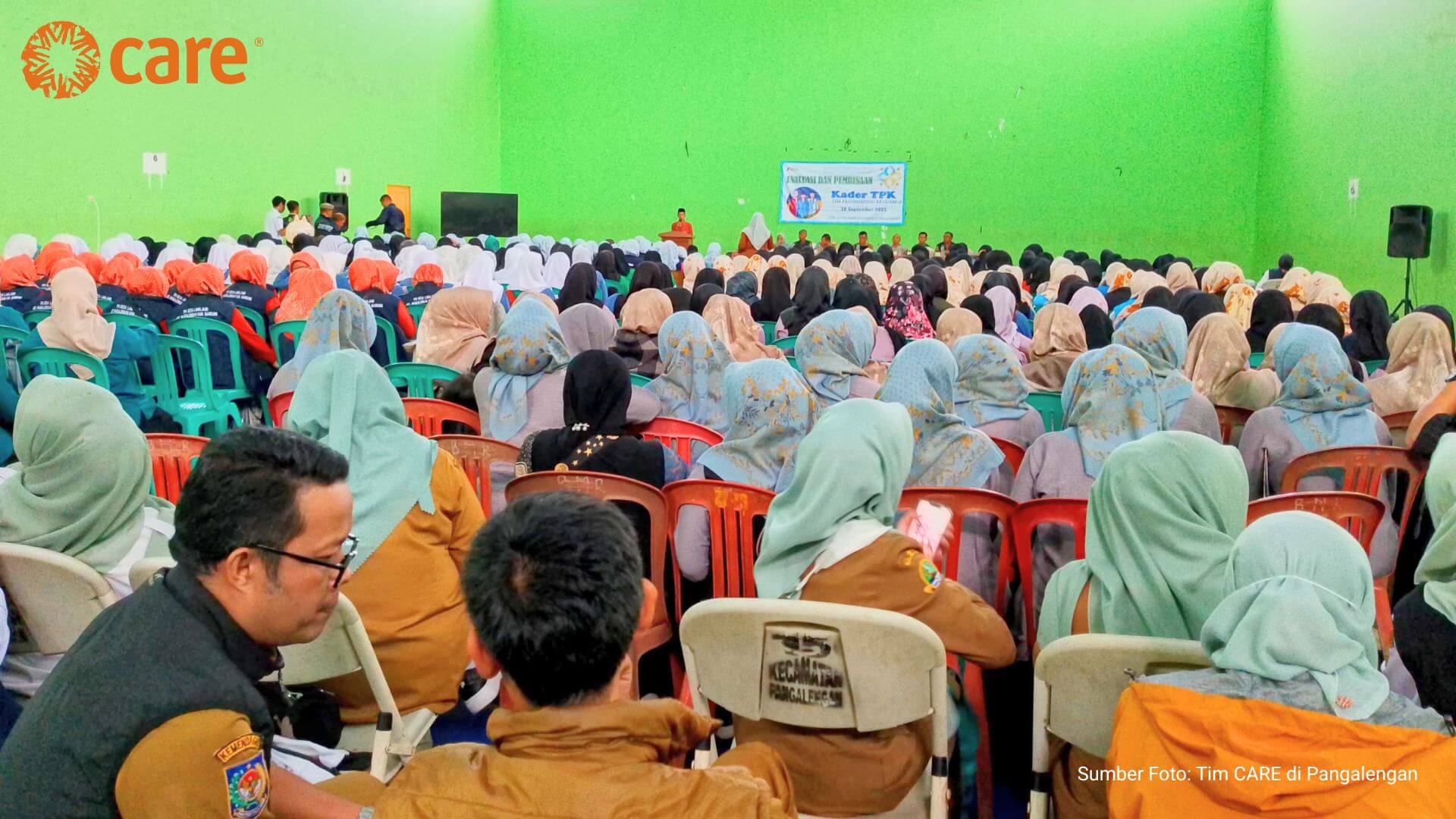
A total of 129 cadres from the Healthy Kitchen for Stunting Reduction Acceleration (DASHAT) in Margamukti and Sukamanah Villages, Bandung District, participated in a capacity building session (3–4/07). This initiative is a collaboration between the Indonesia Deposit Insurance Corporation (LPS) and CARE Indonesia, with support from the Bandung District Government. The program aims to enhance nutrition for children with stunting, wasting, and underweight conditions, as well as for expected mother with Chronic Energy Deficiency (CED).

The training provided cadres with strengthened knowledge on ensureing family nutritional needs, particularly in efforts to reduce stunting prevalence. It also covered meal planning and the preparation of Provision Additional Nutritious Meals (PMT Pemulihan) Recovery. Moving forward, DASHAT cadres will provide PMT Pemulihan to 368 children with stunting, wasting, and underweight conditions, as well as 27 expected mother with CED. In addition, education and outreach on proper parenting practices and clean and healthy living behaviors will also be conducted.

Strengthening Disaster Preparedness: CARE Indonesia and South Sulawesi PMI Forge Partnership to Enhance Aid Distribution
News

Located along the Pacific Ring of Fire, Indonesia is highly vulnerable to natural disasters. The 2023 World Risk Report (WRR) ranked Indonesia as the second most disaster-prone country in the world, with a disaster risk index of 43.4 percent. Indonesia’s geographic condition as an archipelagic country presents its own challenges in disaster emergency response efforts. CARE Indonesia (Yayasan CARE Peduli/YCP), in collaboration with the Indonesian Red Cross (PMI) of South Sulawesi Province, is strengthening preparedness by providing, storing, and distributing prepositioned stock in disaster-prone areas.
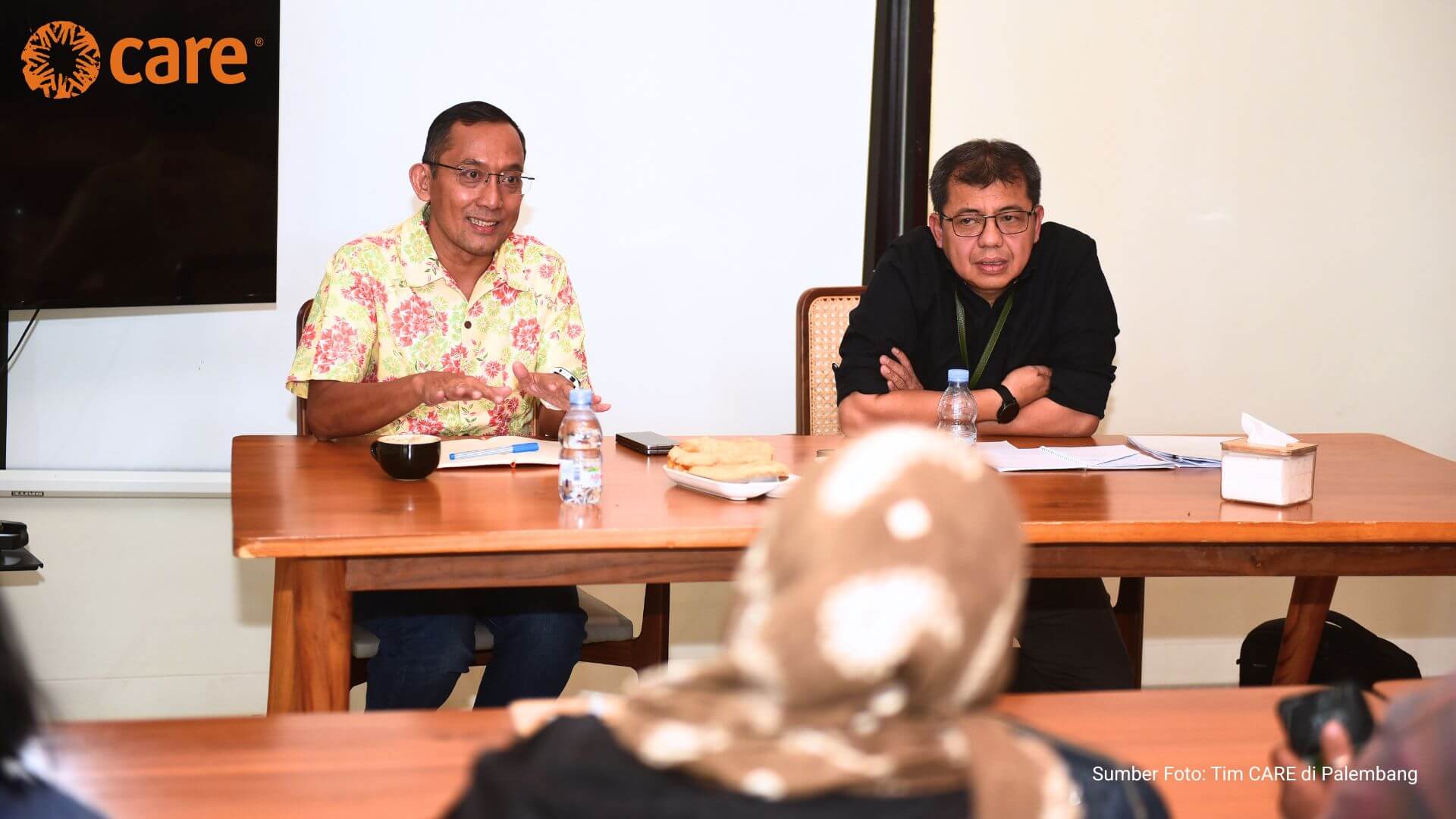
Dr. Abdul Wahib Situmorang, CEO of CARE Indonesia, stated that CARE Indonesia is committed to supporting the rapid and appropriate fulfillment of basic needs for disaster-affected communities, with a focus on gender sensitivity and equal access for both women and men, as well as vulnerable groups.
“This collaboration also aims to enhance local emergency preparedness capacity and strengthen local humanitarian logistics and coordination mechanisms,” he said.

Abdul further explained that the effort to strengthen disaster preparedness distribution also involves local product and service providers who received training in Humanitarian Logistics and Supply Chain from CARE Indonesia, held from May 13 to 15, 2025. According to Abdul, capacity building is conducted to ensure quality, hygiene standard compliance, and content completeness according to CARE Indonesia’s specifications.

“We ensure that the emergency aid packages are designed with gender equality and the needs of vulnerable groups in mind. A total of 140 hygiene kits—containing buckets, bar soap, toothpaste, toothbrushes, shampoo, detergent, sanitary pads, jerry cans, and dippers—have been handed over to PMI South Sulawesi for storage in their warehouse. A maintenance fund of IDR 10 million was also provided,” Abdul explained.

Dr. Adnan Purichta Ichsan, SH., MH., Chairperson of PMI South Sulawesi, welcomed the collaboration, noting that this partnership provides a platform for knowledge sharing and strengthening joint efforts in managing logistics and emergency aid stocks. Adnan added that the distribution of aid packages, including hygiene kits, will be carried out in a targeted manner based on field assessments, taking into account community needs, particularly those of women and vulnerable groups in the event of a disaster.

“We will conduct periodic inspections of the items, including checking expiration dates and packaging conditions. Stock movement, including incoming and outgoing items as well as the remaining inventory, will be recorded,” he said.

Furthermore, Adnan explained that the partnership will run from May 2025 to December 2027, or until all packages have been distributed. “The distribution process will also be determined based on the emergency situation and the results of needs assessments,” he concluded.

Building the Economic Resilience of Strong Women During the Oil Palm Replanting Period

Gallery

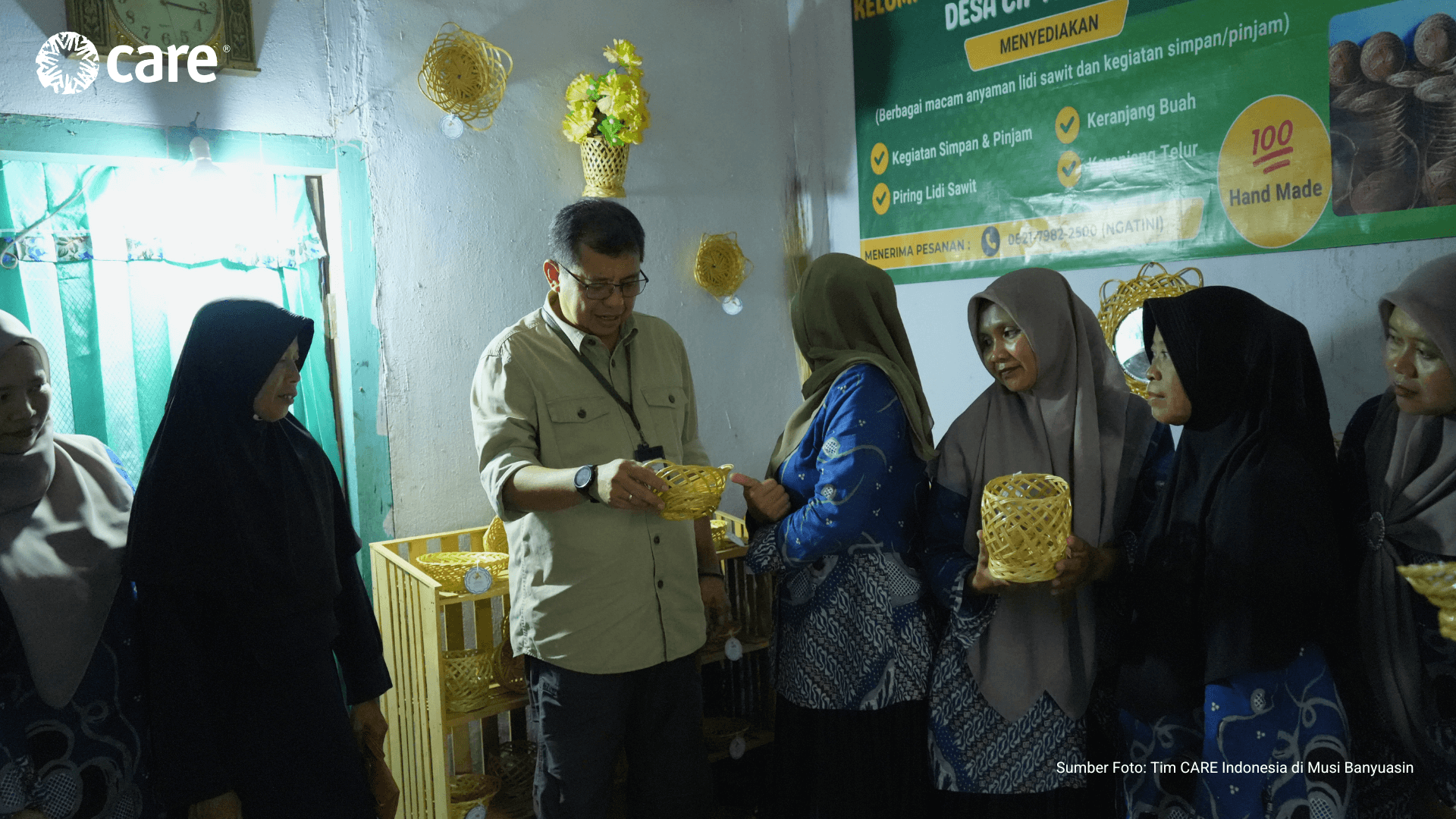
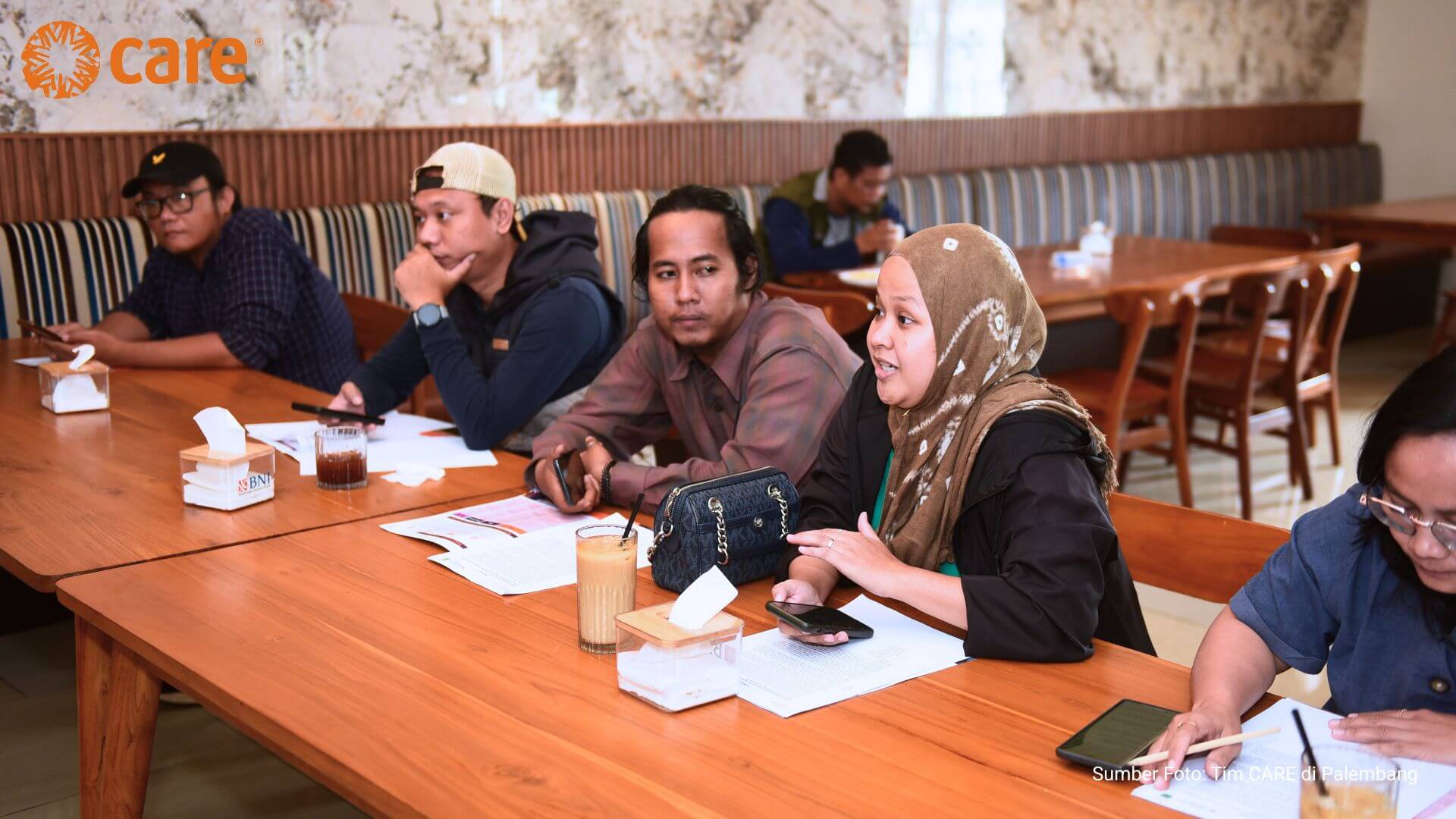
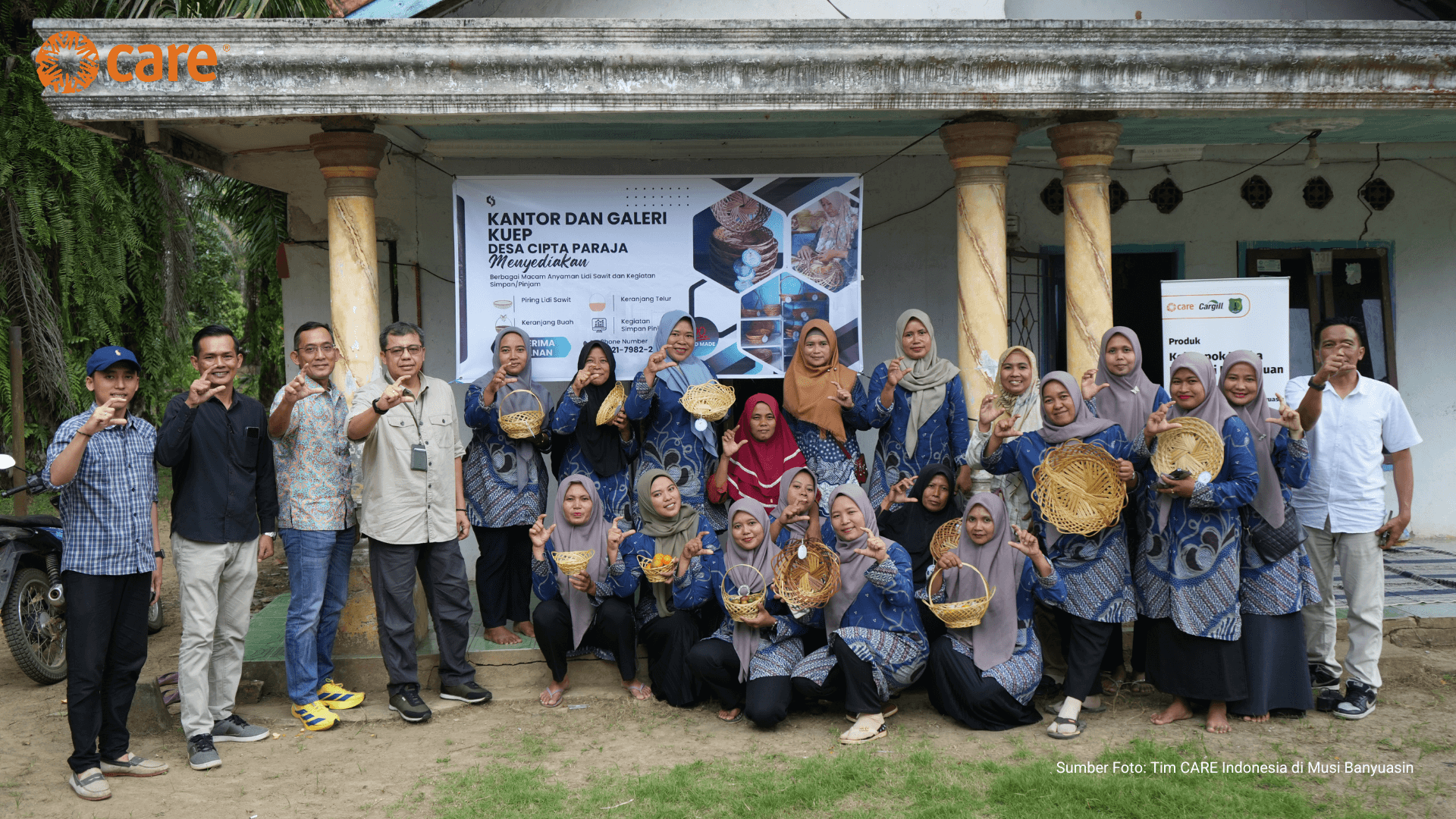
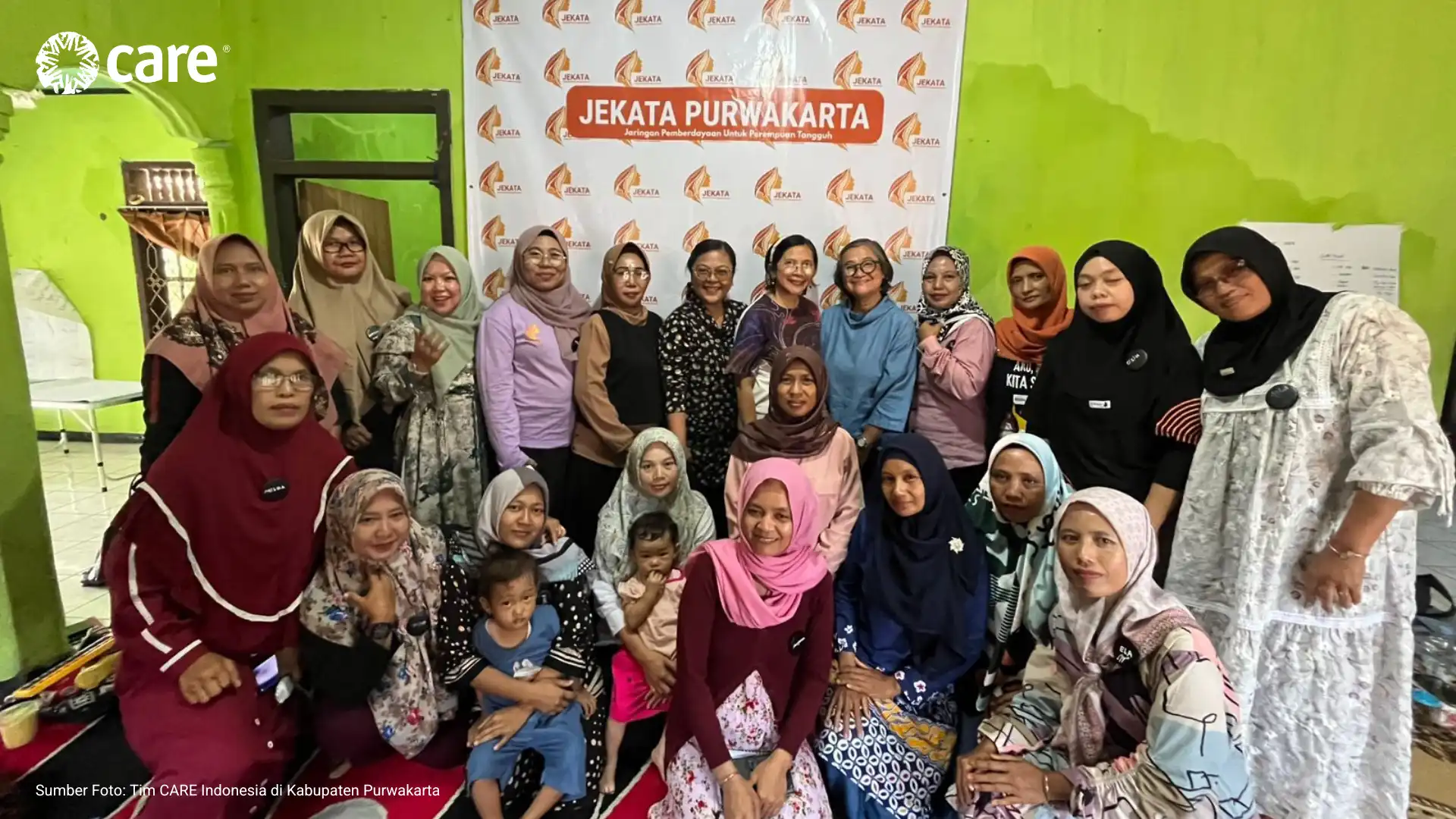
Four representatives from 13 Women’s Economic Business Groups (KUEP) served as speakers to share their success stories during a discussion themed “Stories of Women’s Group Resilience in Facing the Challenges of the Oil Palm Replanting Period” in Palembang City (26/20).

The event was attended by 20 journalists from various national and local media outlets in South Sumatra, who came to listen to and amplify the inspiring stories of these women’s groups. This initiative was organized by Yayasan CARE Peduli (YCP) in collaboration with PT Cargill.
Through this event, the KUEP representatives shared their perspectives on the roles and impacts of KUEP, the transformation of palm fronds into handicrafts, and their involvement in assisting victims of gender-based violence. The event was also attended by YCP CEO Abdul Wahib Situmorang and Cargill’s Director of Corporate, Government, and Community Relations.

Planting Hope, Harvesting Change: Stories of Village Women Driving Food Security

Stories

Under the scorching sun in Tegal Mulyo Village, Keluang sub-District, Musi Banyuasin, the sound of hoes blends with the laughter of women tending their gardens. They are not just planting vegetables — they are planting hope: for their families, for their children, and for the future of their village.

The nutrition garden (kebun gizi) is a key pillar of a collaborative program between PT. Cargill, Yayasan CARE Peduli (YCP), and the Musi Banyuasin District Government. This initiative aims to help fulfill household nutritional needs through home gardens. As of March 2025, there are already 222 nutrition gardens established — including 11 village gardens, 15 hamlet gardens, 86 neighborhood (RT) gardens, and 110 home gardens — across 13 program villages. Besides being used for family consumption, the harvests from these gardens are also sold to the community. The average income from each harvest between January and March 2025 reached approximately IDR 378,000.
Siti Asih, chairperson of the Bougenville Women Farmers Group (KWT) in Tegal Mulyo Village, shared the story of how their garden began, originally as a government initiative.

“We were given seeds, tools, and capital. The goal was to create activities for the PKK women (a local women’s organization), so they could help increase family income and also have produce for themselves,” she explained.

The garden is managed cooperatively by around 20 active members out of a total of 30. Each hamlet is responsible for the garden one day per week, with the seventh day reserved for group meetings. The garden is home to a variety of plants such as water spinach, long beans, corn, bananas, and longans. Unfortunately, not all the crops can be enjoyed, as there’s an unwelcome visitor — wild monkeys that frequently steal the fruit.

Nevertheless, this initiative has inspired other women in the village to start their own home nutrition gardens. Support from the village continues to flow in — from seed assistance to catfish cultivation as an additional protein source.

“Some plant chilies or spinach in pots and polybags. The soil here is still fertile, so we can grow all kinds of things. During the dry season, water can be scarce, but thankfully our garden is near a river, so we can draw water for irrigation,” she added.

The nutrition gardens also align with Indonesia’s national food security agenda, which aims to ensure availability, accessibility, and safety of food for all citizens.

In line with this, Khalifah, the chairperson of the Sidomulyo Village KWT, noted that community involvement poses its own challenges. However, through persuasive and educational approaches — such as agricultural training and business development — the KWT members have gained capacity to improve the quality of their gardens. This approach has helped the community realize the direct benefits of nutrition gardens, such as saving on household expenses and improving family nutrition.

According to her, the gardens help cut down on the cost of buying vegetables. Thanks to support from the village government, YCP, and PT. Cargill, the nutrition garden program has eased the economic burden on the local community. Part of the harvest is shared with group members and nearby residents, especially those who are ill or facing hardship.

“We save money on vegetables, and from the garden we can earn around IDR 600,000 per month. We also have a social fund. If someone has an accident, we visit and provide support,” Khalifah concluded.

Author: Kukuh A. Tohari

Resilient Women Preserving Mangroves in Berakit Village

Stories

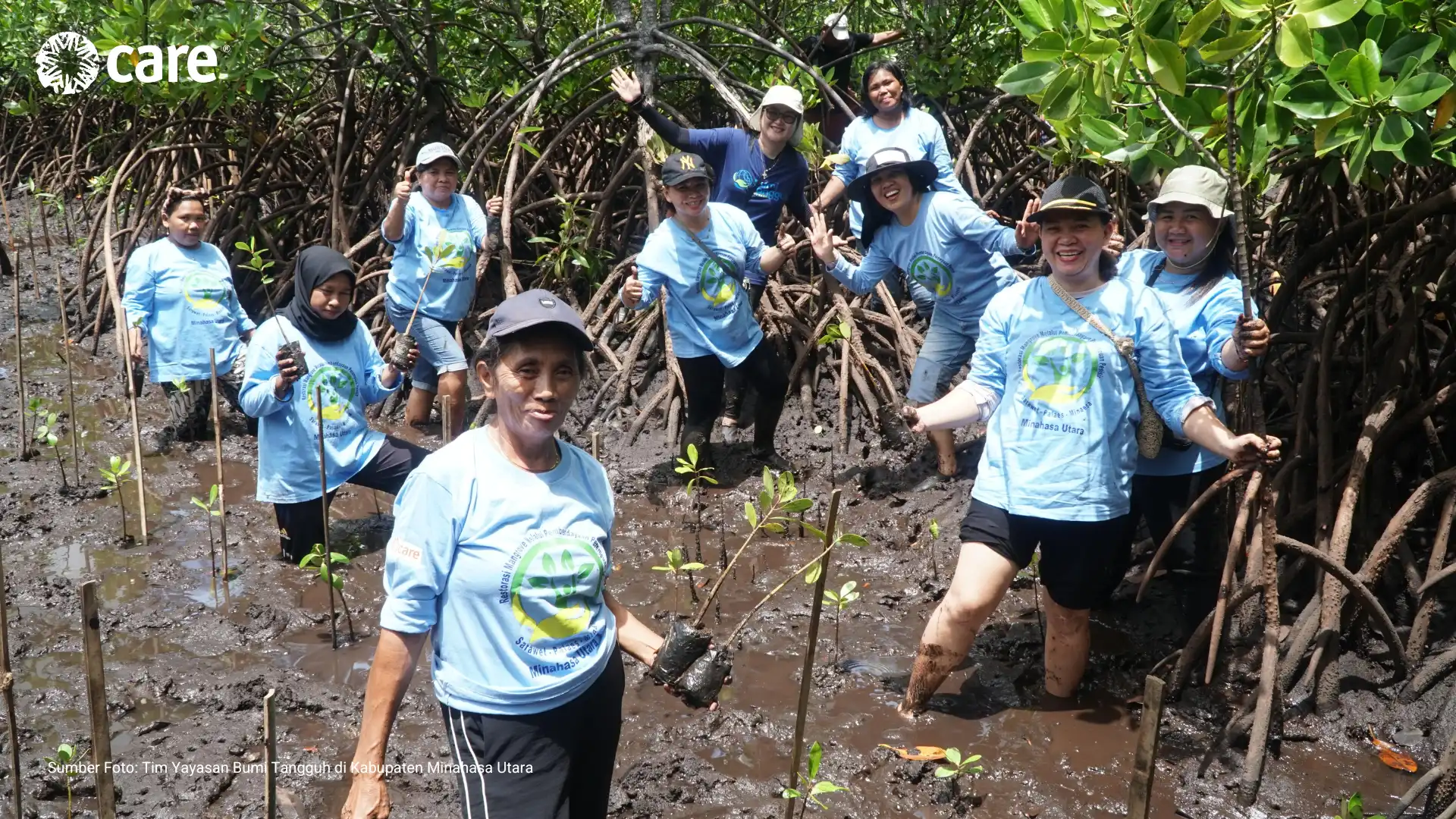
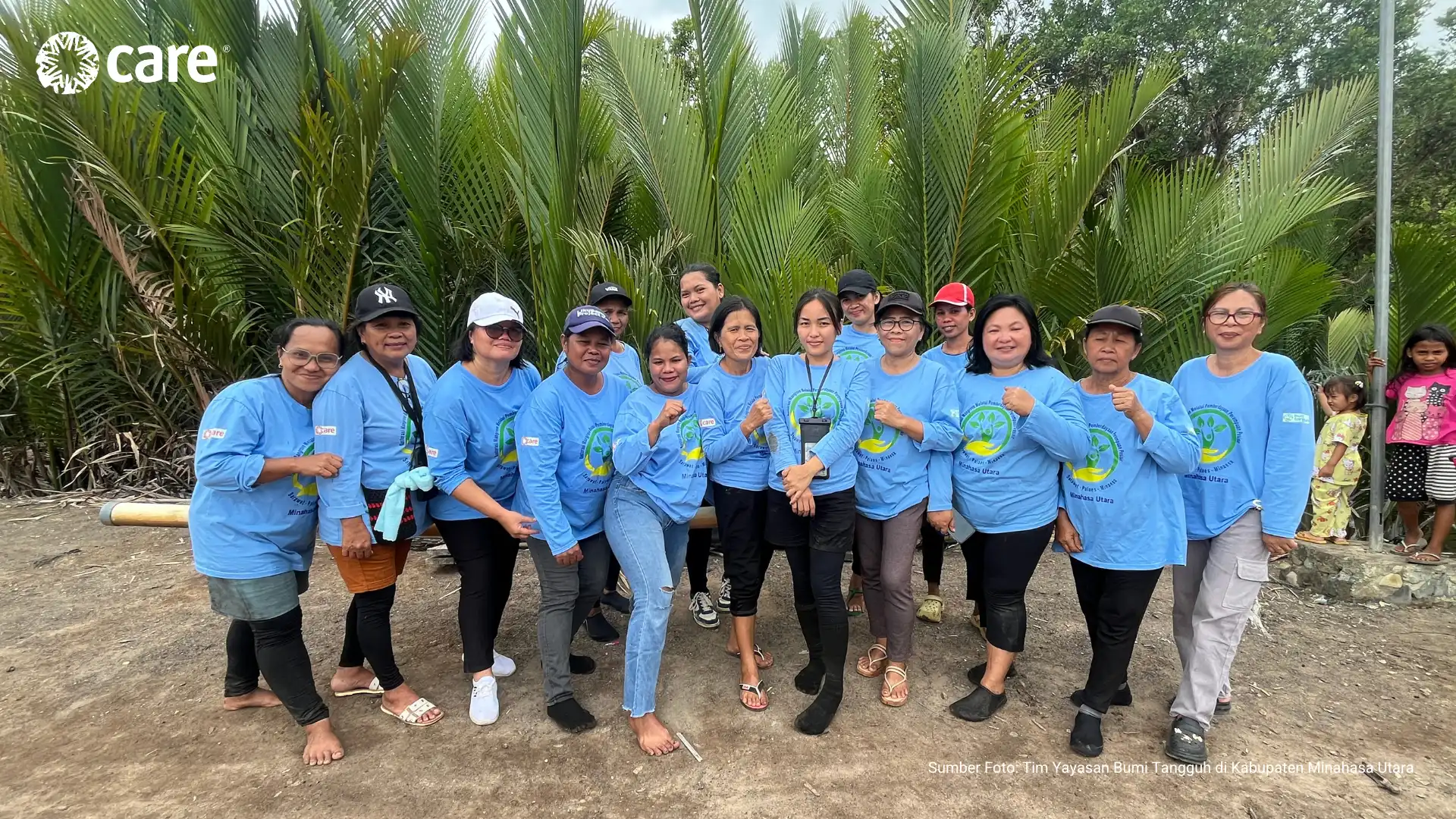
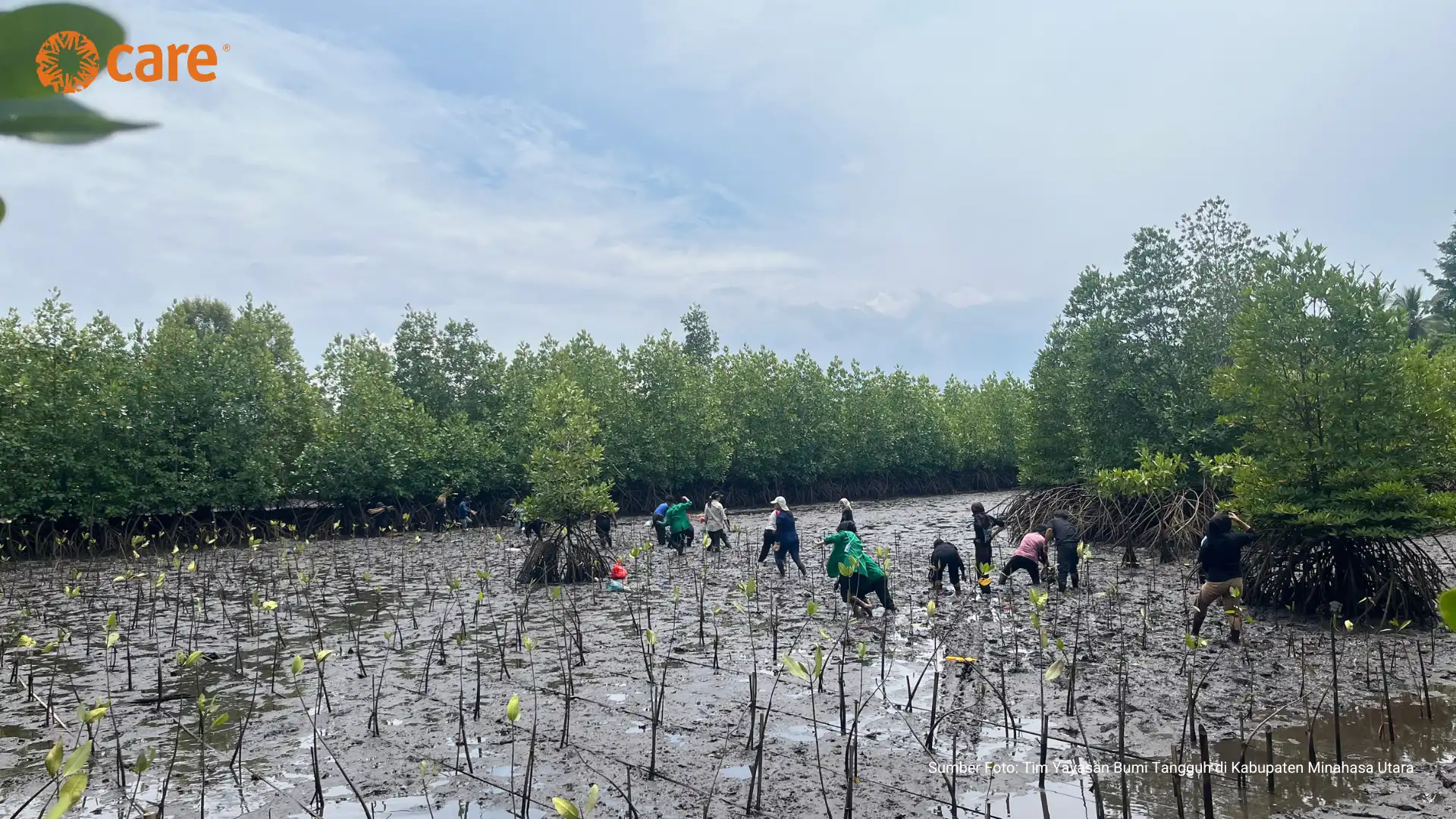
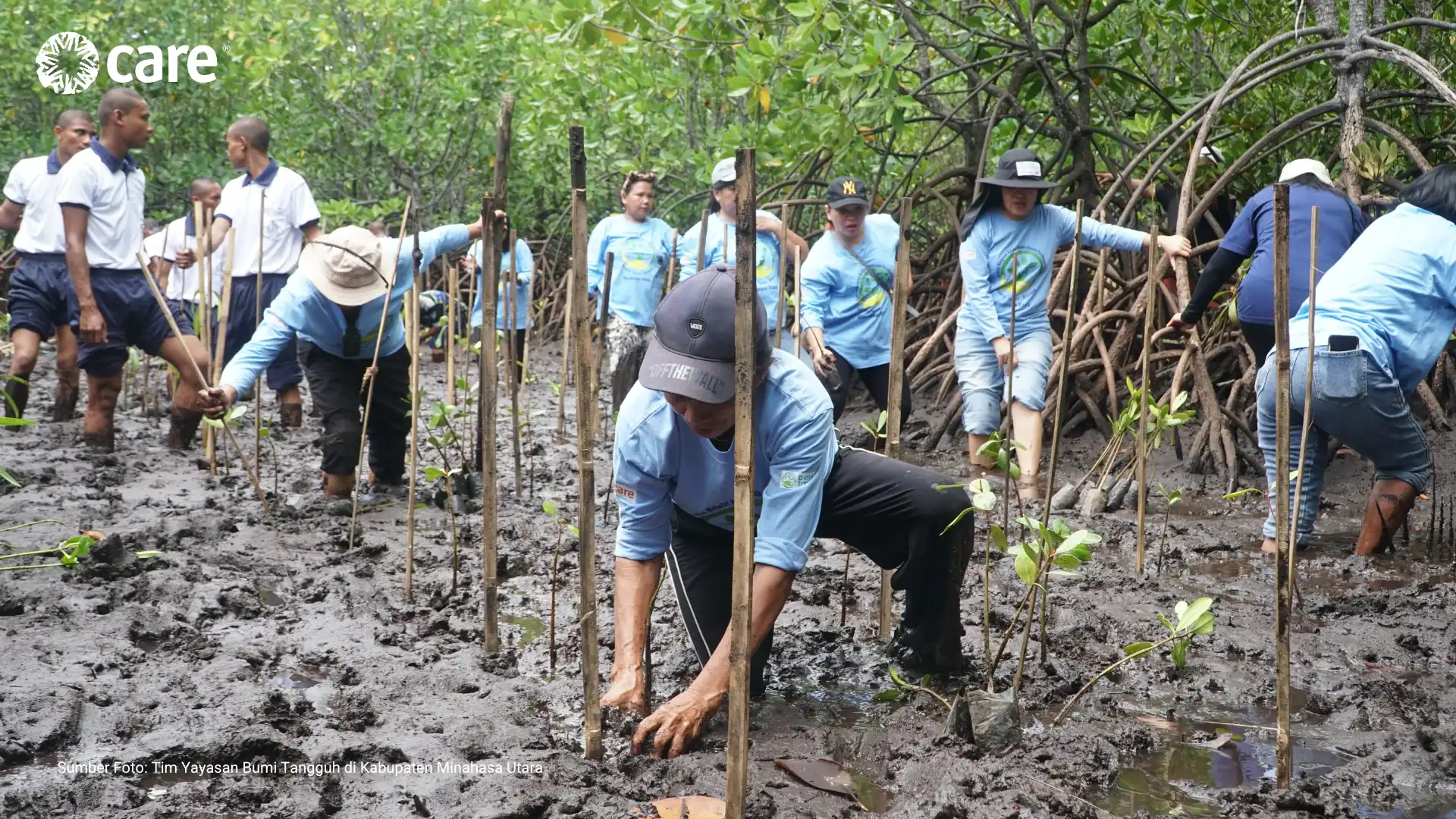
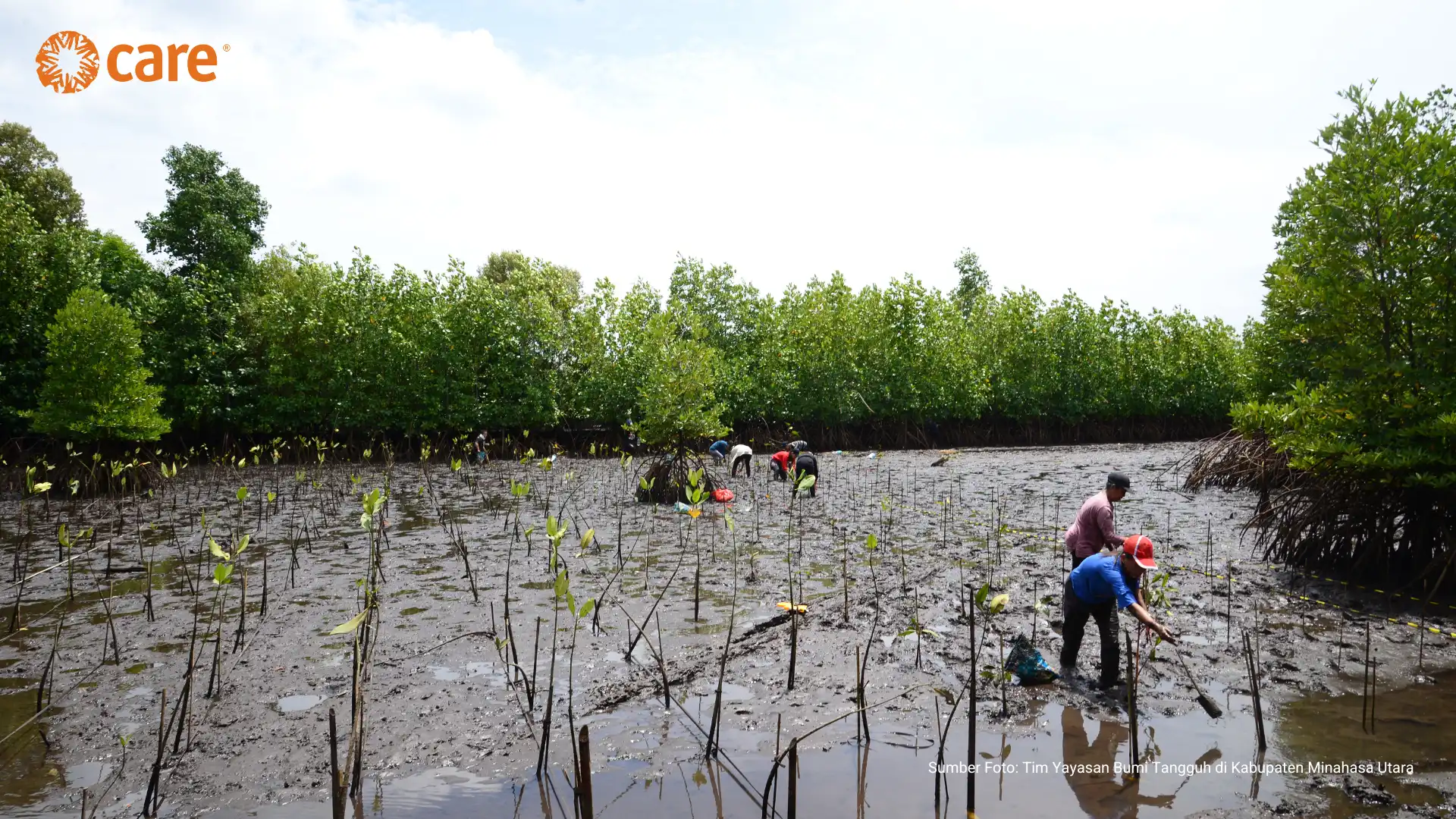
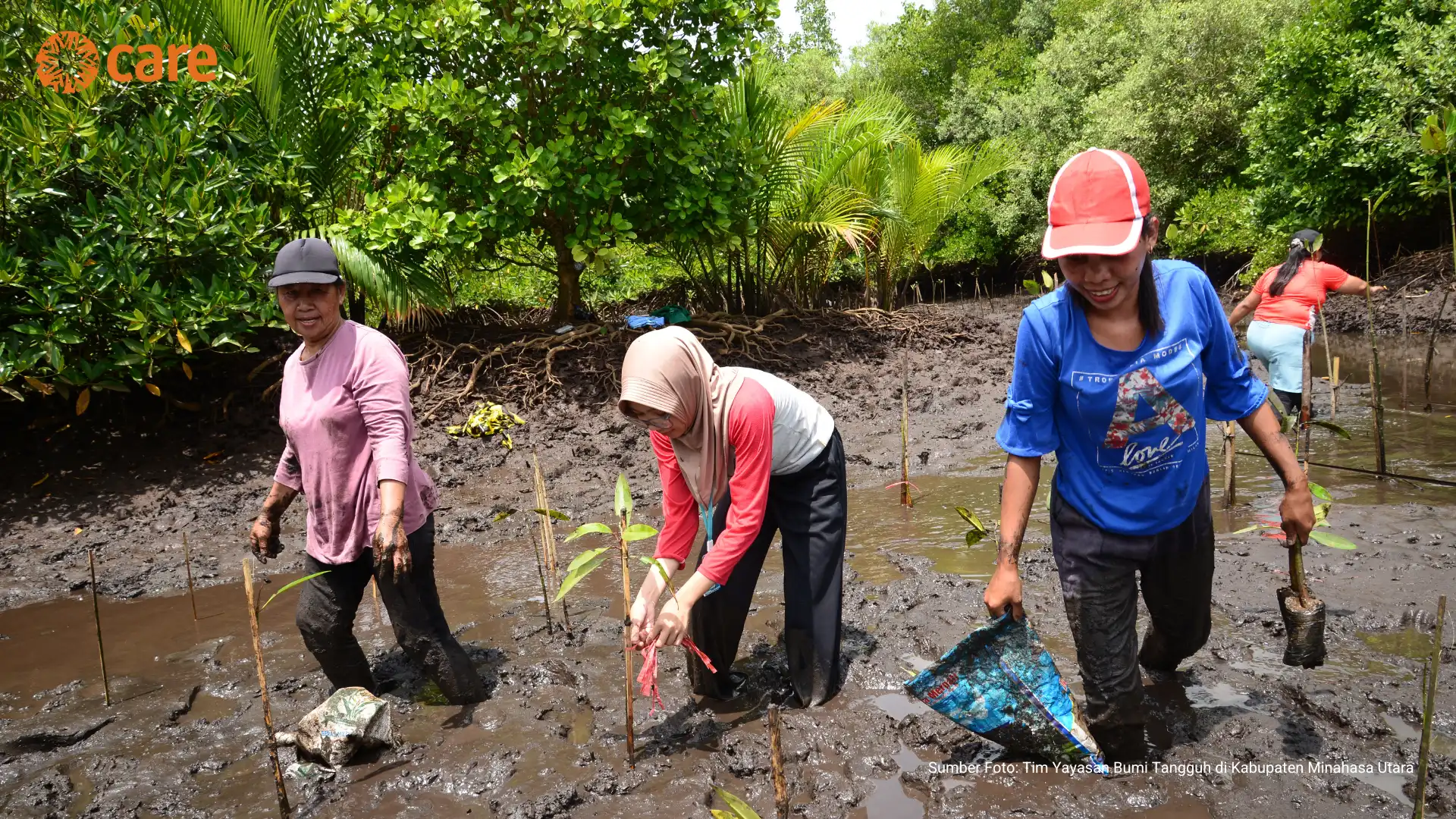
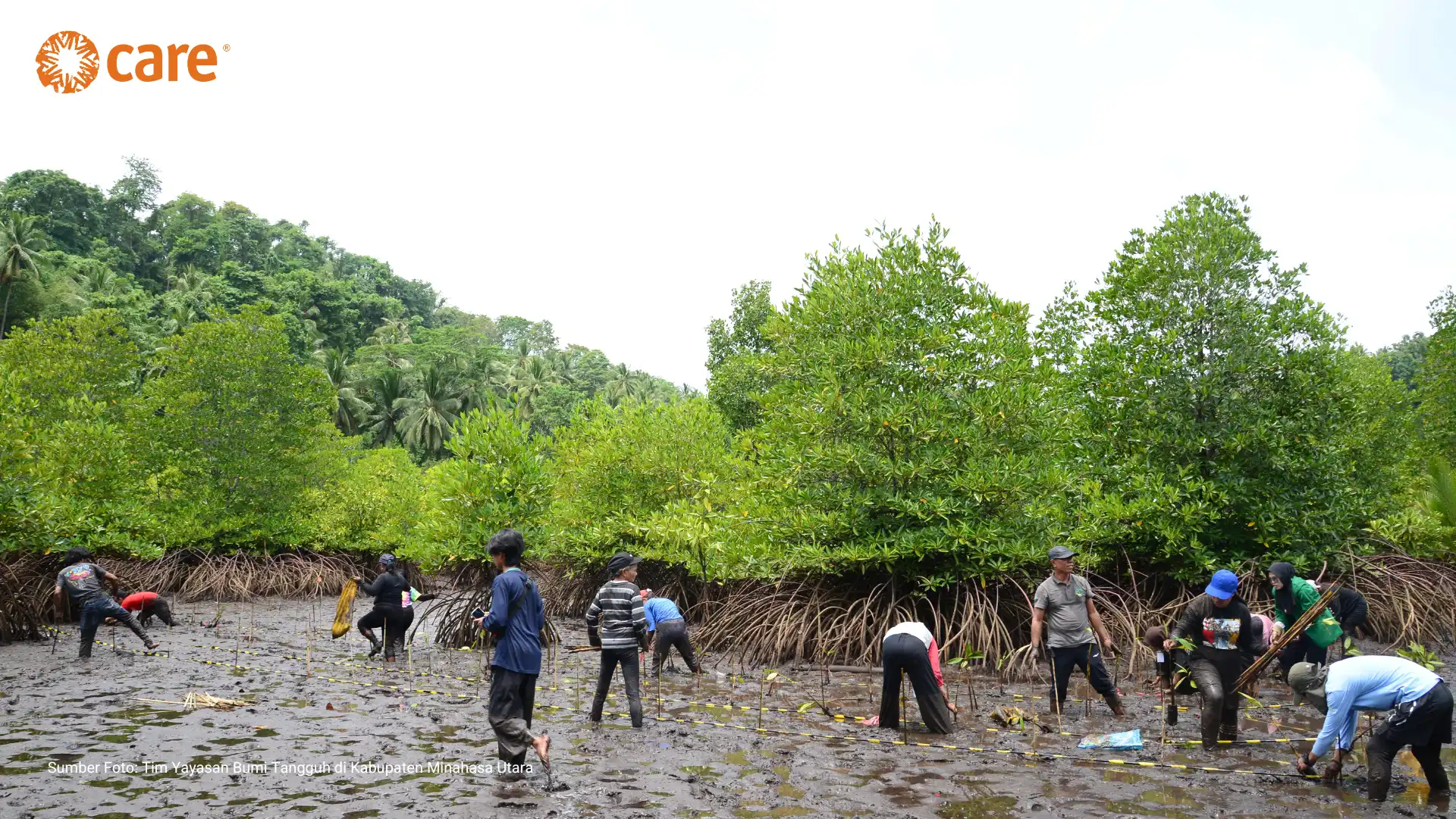
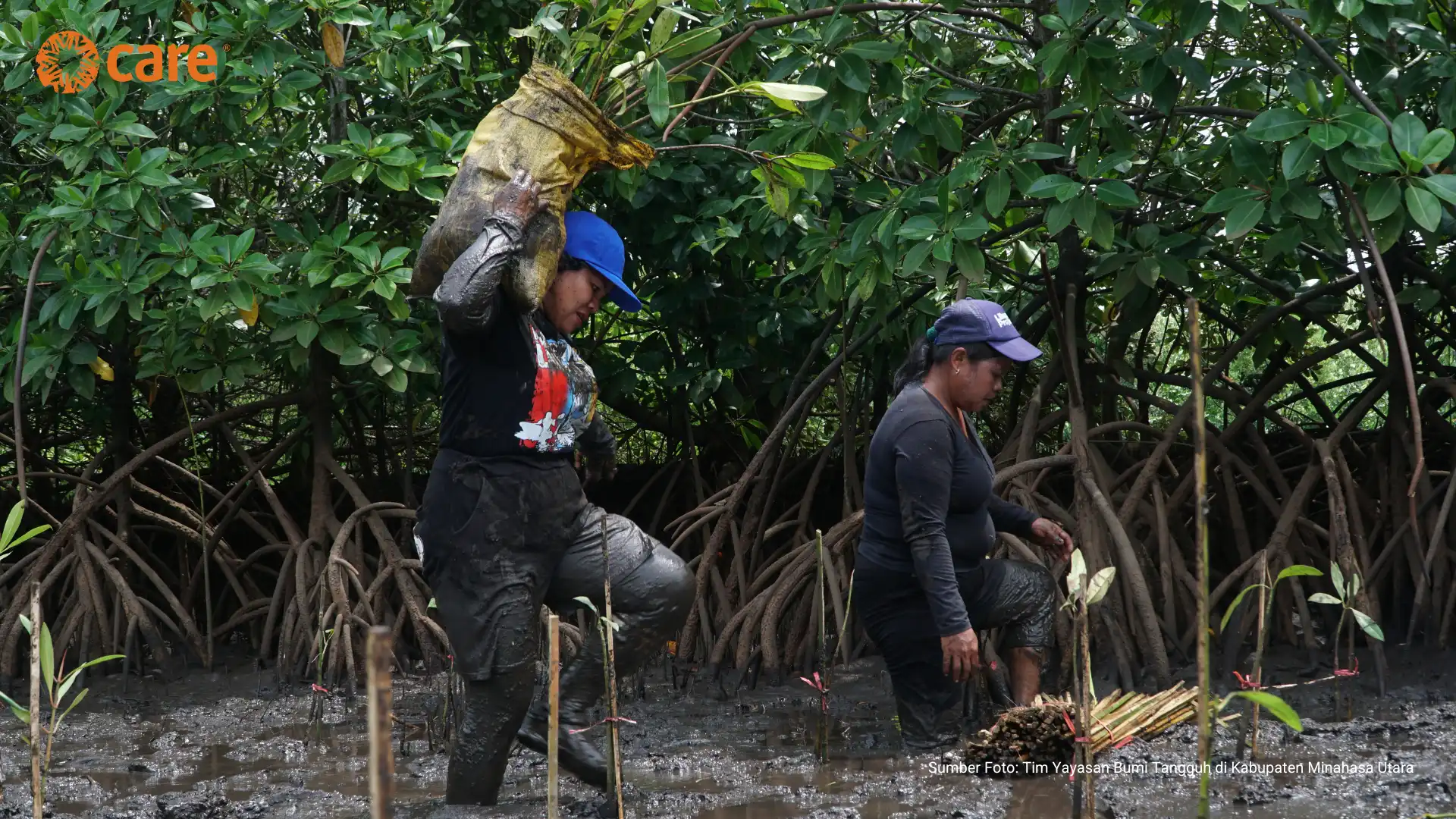
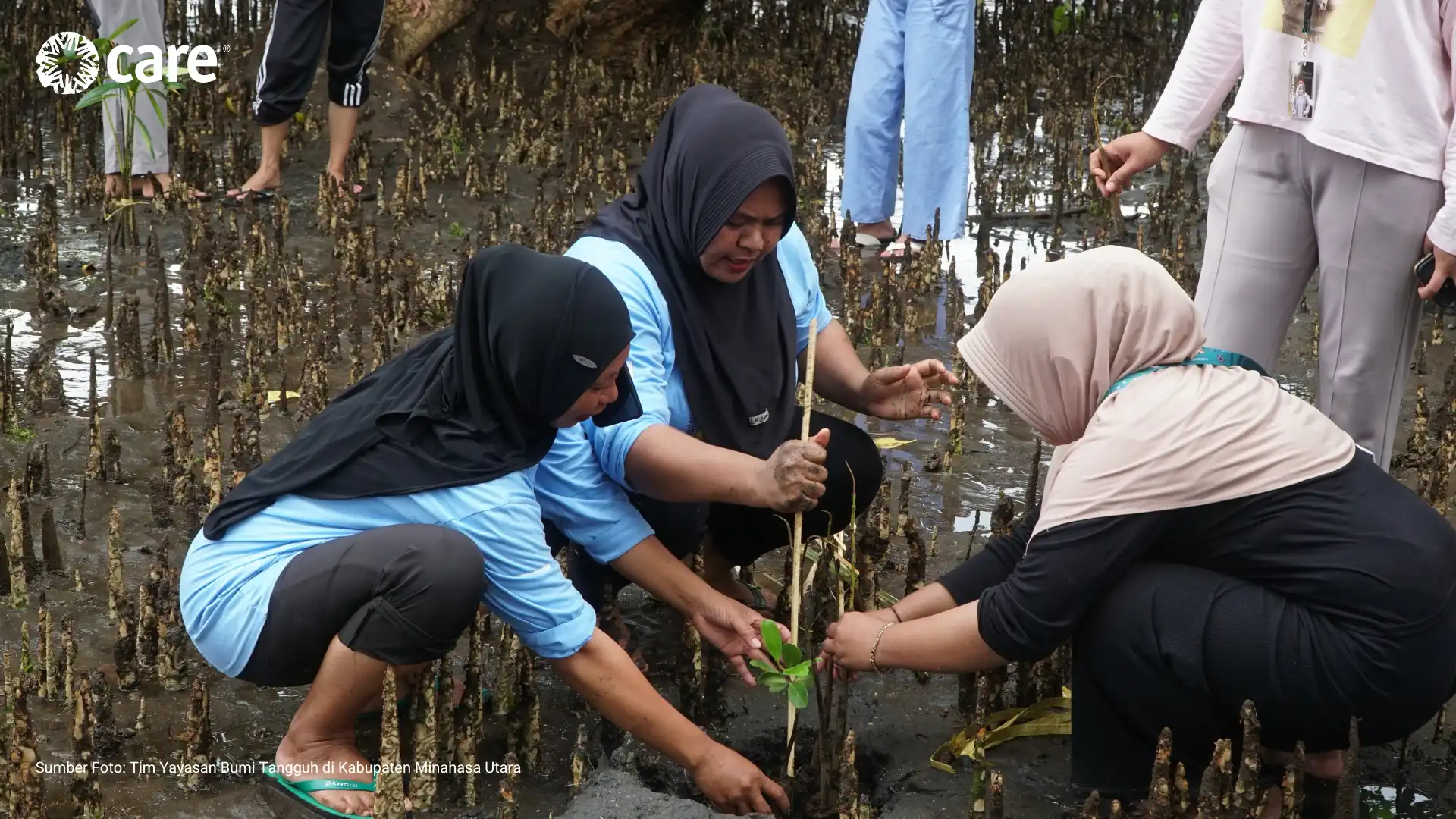
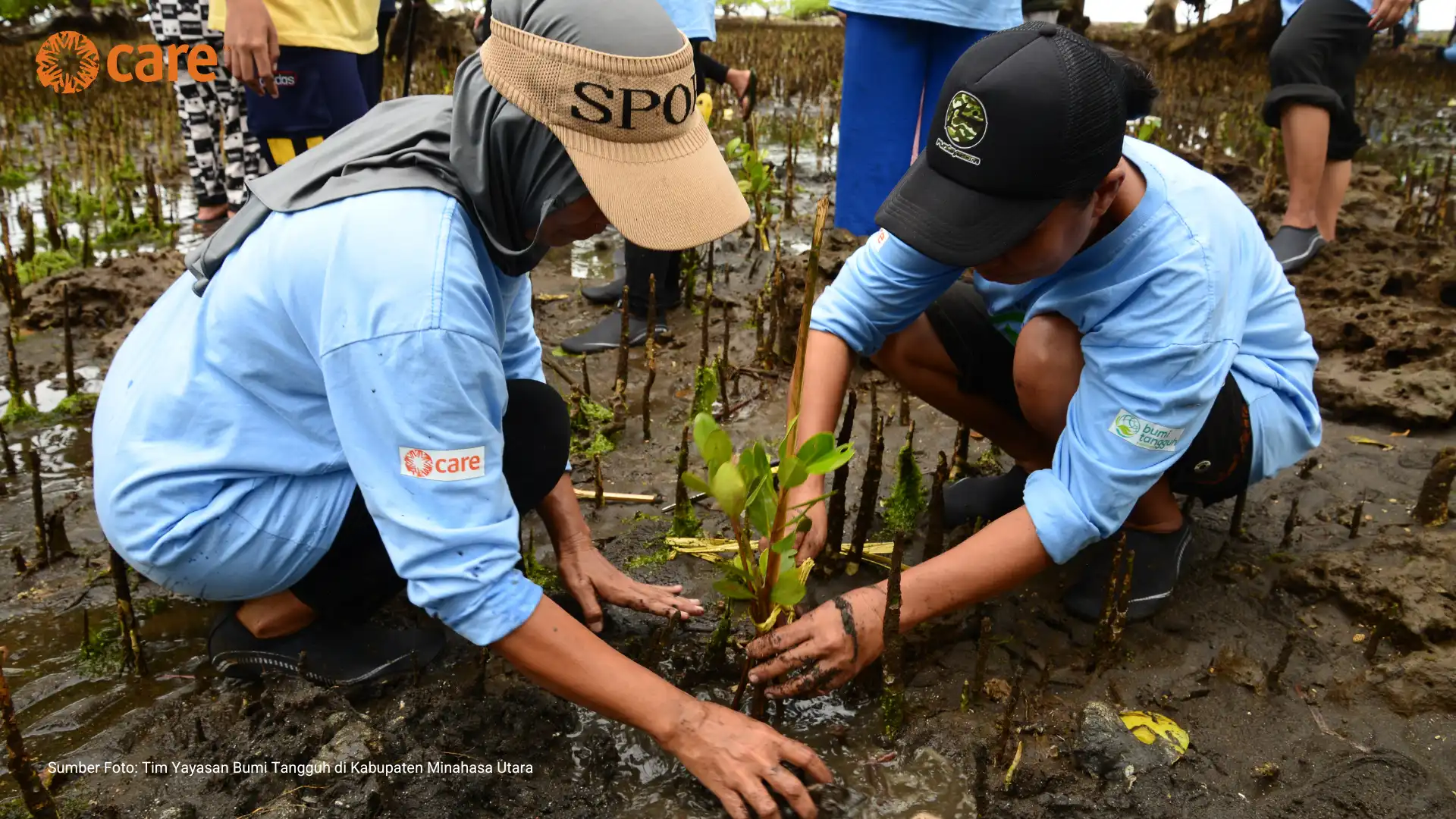
The presence of mangroves plays a vital role in protecting coastal areas and ecosystems. Bintan Regency, located in Riau Islands Province, is home to mangrove forests that support both biodiversity and the livelihoods of local fishermen. Yayasan CARE Peduli (YCP), supported by Traveloka, has planted 50,000 mangrove trees across an area of 14,000 hectares in Berakit Village. Women’s groups in the village play a key role in the process—ranging from seedling preparation and planting to monitoring mangrove growth.

In this initiative, the involvement of women is essential through the Women’s Economic Business Groups (KUEP) Melati and Tenggiri, as well as the Community Surveillance Group (Pokmaswas). These three groups regularly monitor and measure the development of both the seedlings and the mangroves that have already been planted.
Ayunarti, Chairperson of KUEP Tenggiri, explained that during the planting process, she and other members of the group make every effort to ensure the mangroves can grow well. One such effort includes creating special pathways for fishermen to pass through or fish near the planting area.

“When we were planting the mangroves, we provided a pathway for fishermen to move from land to sea, because they often walk or use small boats to go fishing. We also regularly remind them not to cast nets in areas where new mangroves have been planted,” she said.

In addition to informing fishermen, Ayunarti and other women in the group also frequently raise awareness among villagers about the importance of protecting the mangroves. According to her, the conservation of mangroves in their village is everyone’s responsibility.
“If we continue to preserve the mangroves, the area will eventually become a habitat for crabs and other sea creatures. That’s why we must take good care of it. In the past, people didn’t understand, so many mangroves were cut down to make charcoal. Now, the government has banned mangrove logging, so we must preserve it for our future generations,” she emphasized.

Similarly, Rahmadeni, a member of Pokmaswas Srikandi in Berakit Village, explained that in addition to monitoring mangrove growth, she and her fellow members are also responsible for educating the community about which areas are permitted for fishing activities.

“What we are doing now is introducing to the community the boundaries of the marine zones that are allowed and not allowed for fishing,” she added.
Furthermore, Rahmadeni stated that the group actively encourages the public to participate in mangrove planting and protection efforts. She noted that Pokmaswas, together with community members and KUEP, regularly measures the growth of the 50,000 mangroves that have been planted.

“Pokmaswas also measures the height of the planted mangroves and those still in the nursery. As of now, from the 50,000 planted mangroves, the average height is about 50 cm, and the survival rate is 100 percent,” she explained.

This program, carried out by Yayasan CARE Peduli in collaboration with Ecology Foundation and supported by Traveloka, aims to contribute to Indonesia’s Net Zero Emission target by 2060. It also aligns with the government’s vision to gradually reforest over 12 million hectares of degraded forest in support of green and blue economies, food security, climate resilience, and community sustainability.


Writer: Kukuh A. Tohari

Collaboration to Create Inclusive Villages that Support the Involvement of Women and Youth

Gallery

In an effort to create an inclusive environment, a total of 136 people from six villages in Sigi District, Central Sulawesi, participated in training and the establishment of Women- and Child-Friendly Villages (DRPPA). DRPPA refers to villages that integrate gender perspectives and children’s rights into governance, development, and community empowerment in a planned, comprehensive, and sustainable manner.

The program, implemented in the villages of Ngata Baru, Pombewe, Wisolo, Ramba, Pesaku, and Rarampadende, is a joint initiative by the Yayasan CARE Peduli and the KARSA Institute, supported by UN Women and with funding from KOICA. It aims to encourage women and youth to take active roles in decision-making forums and to become more resilient.

Women’s in Musi Banyuasin Participate in Leadership Training

Gallery

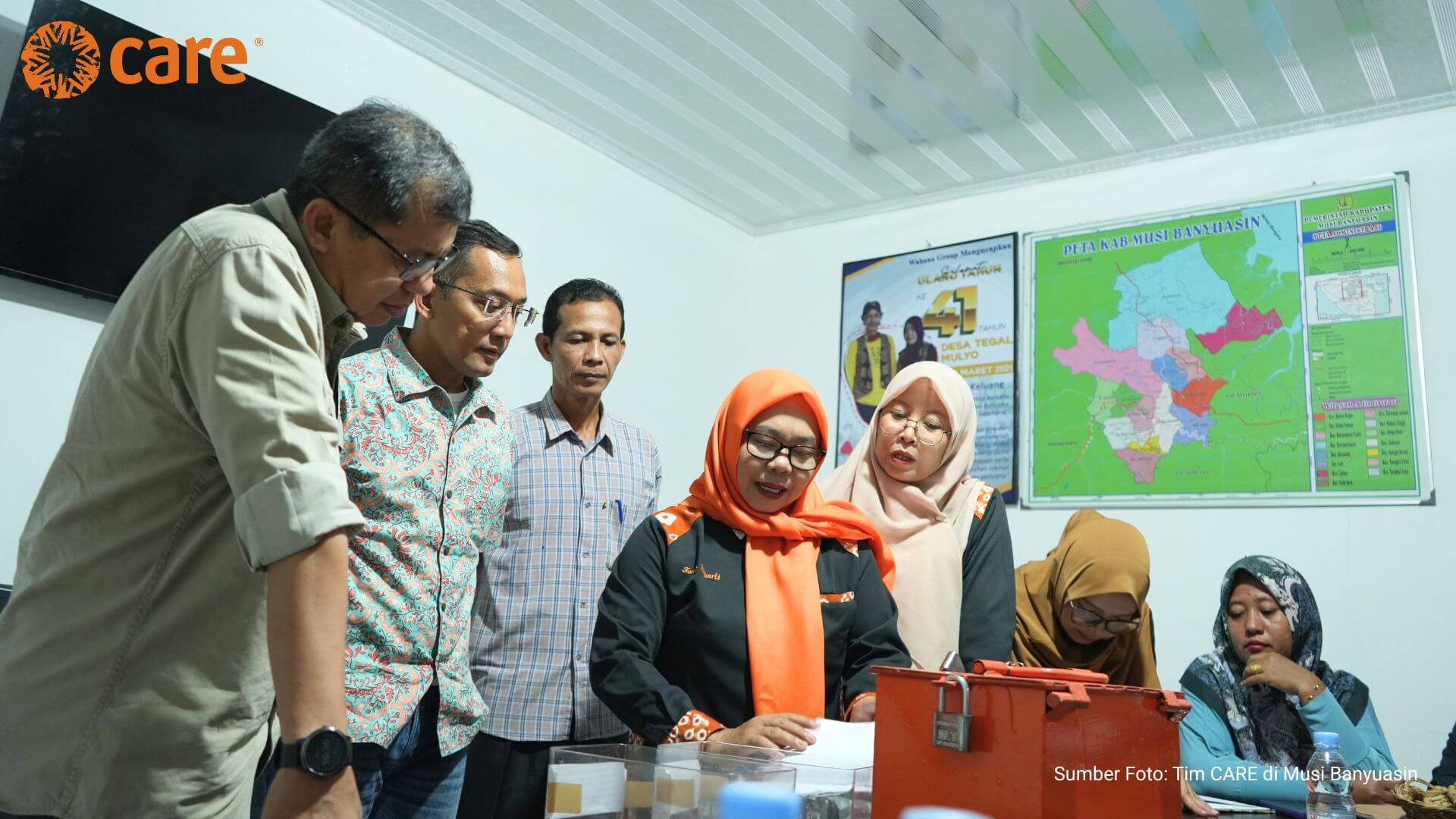
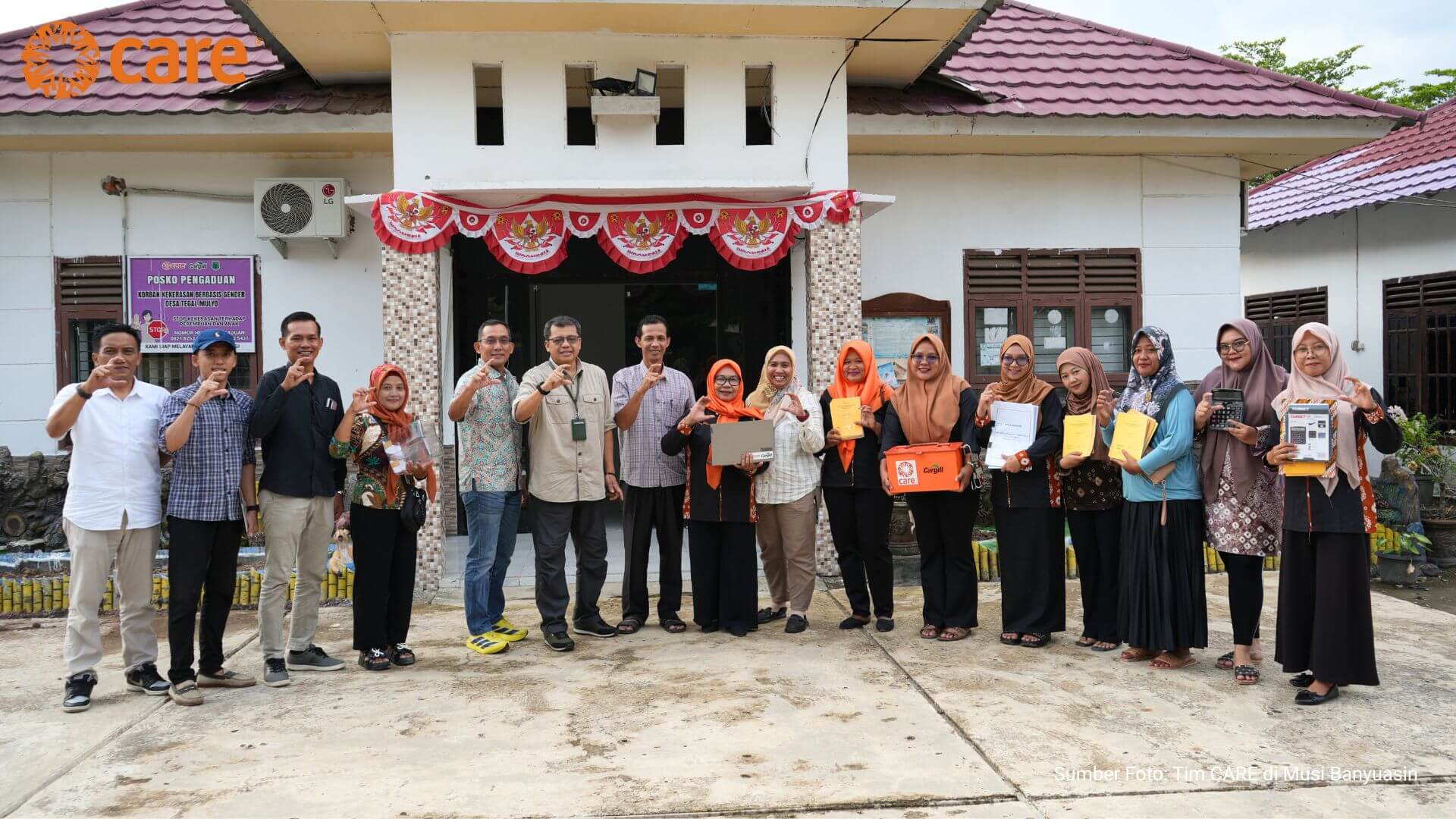
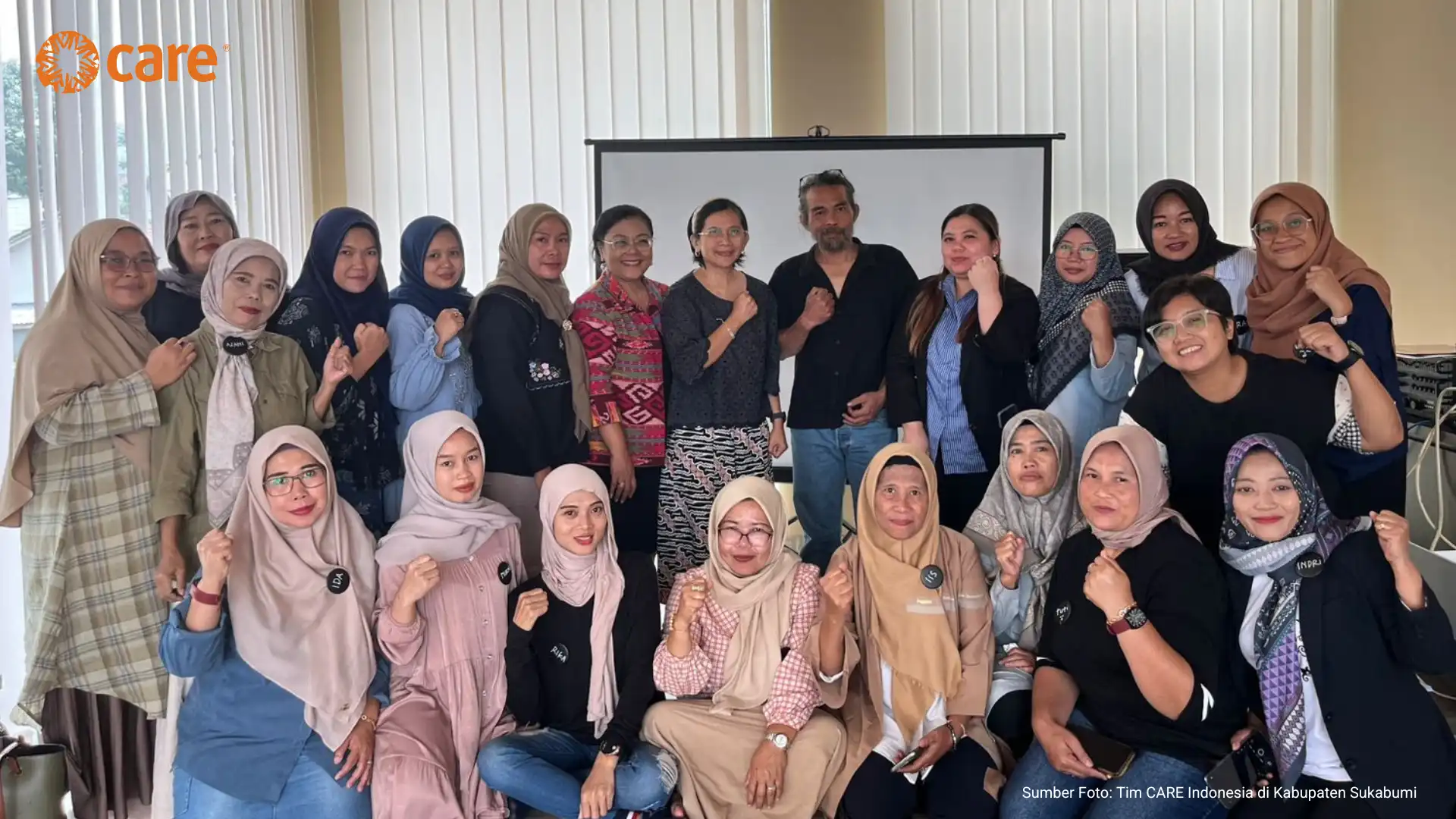
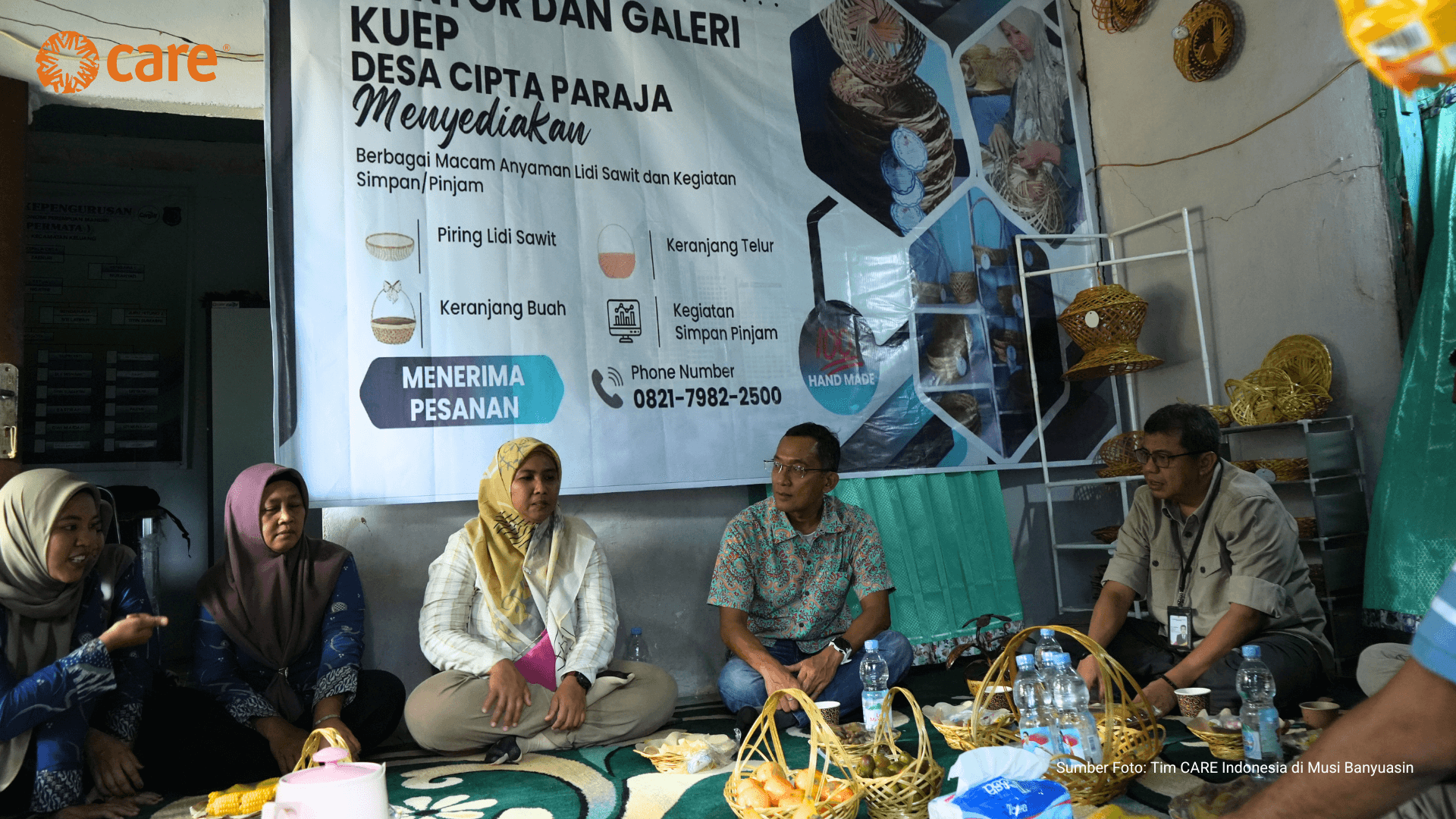
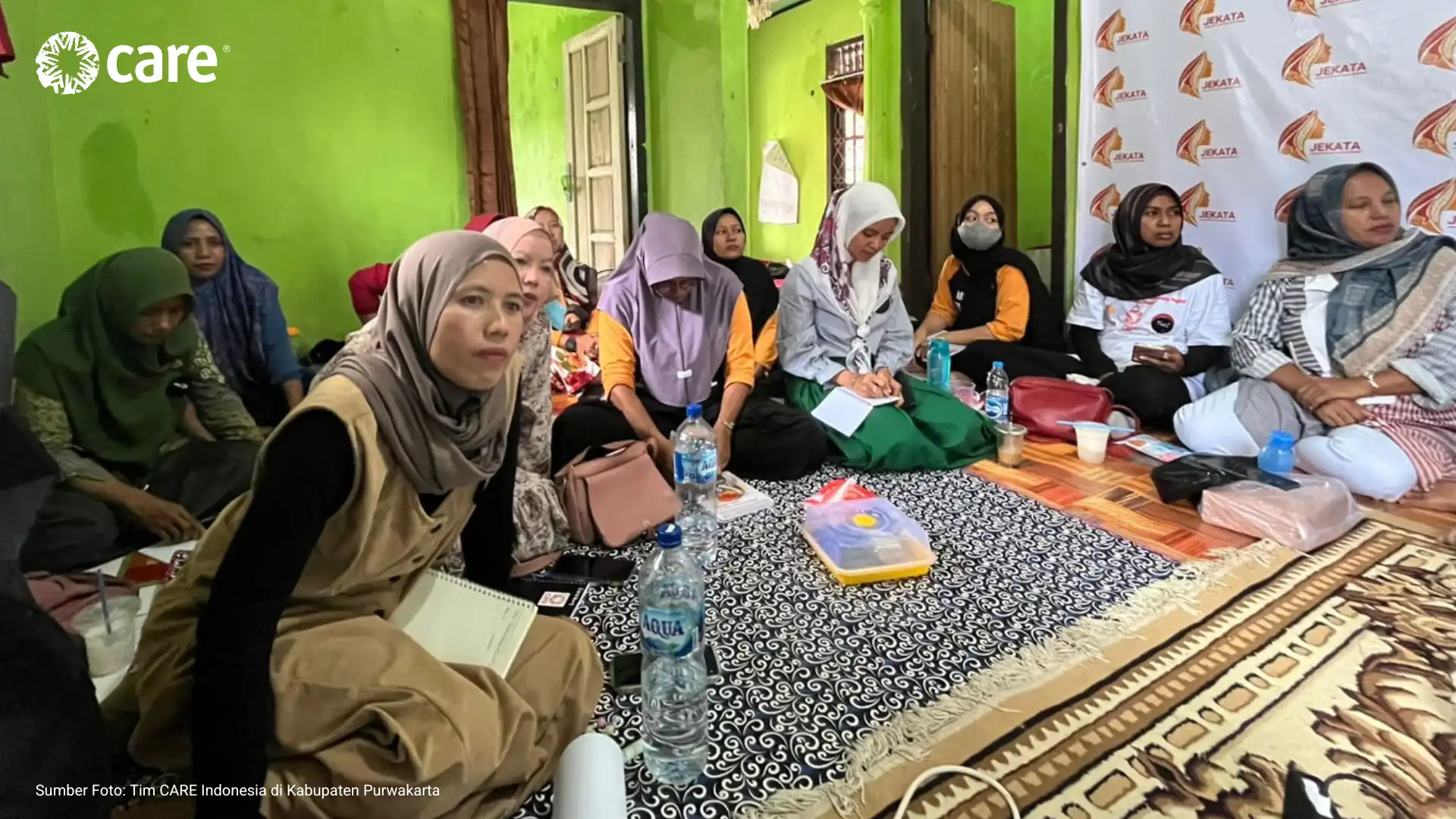
Twenty-six women from the Women’s Economic Business Groups (KUEP) and coordinators of Gender-Based Violence (GBV) support post teams in 13 villages across Musi Banyuasin District participated in a women’s leadership training. The event, organized by the Yayasan CARE Peduli (YCP), was supported by partners aiming to promote women’s leadership through skills in communication and conflict management.

All participants received training on gender-based leadership through discussions, case studies, and simulations on how to lead groups in a way that sets an example and motivates members to grow. Following the training, participants developed follow-up action plans for the coming year, including collaboration plans with other parties, strategies to expand and strengthen their groups, and ways to create a positive impact in their communities.

Nine Villages in West Sumbawa District Declare Commitment to Become Women- and Child-Friendly Villages

Gallery

Nine villages in Maluk and Jereweh sub-districts of West Sumbawa District (KSB) officially declared their commitment to becoming Women- and Child-Friendly Villages (Desa Ramah Perempuan dan Peduli Anak/DRPPA) on Tuesday (27/05). This commitment supports the KSB Government’s goal to accelerate the reduction of stunting prevalence. The nine villages include Belo, Beru, Goa, Dasan Anyar, Maluk, Benete, Bukit Damai, Mantun, and Pasir Putih. The DRPPA initiative aims to create villages that integrate gender perspectives and children’s rights into all aspects of community life.

This initiative, implemented by the Yayasan CARE Peduli (YCP) with support from AMMAN and the Government of West Sumbawa District, is expected to contribute to reducing stunting prevalence in KSB and support national-level efforts as well.