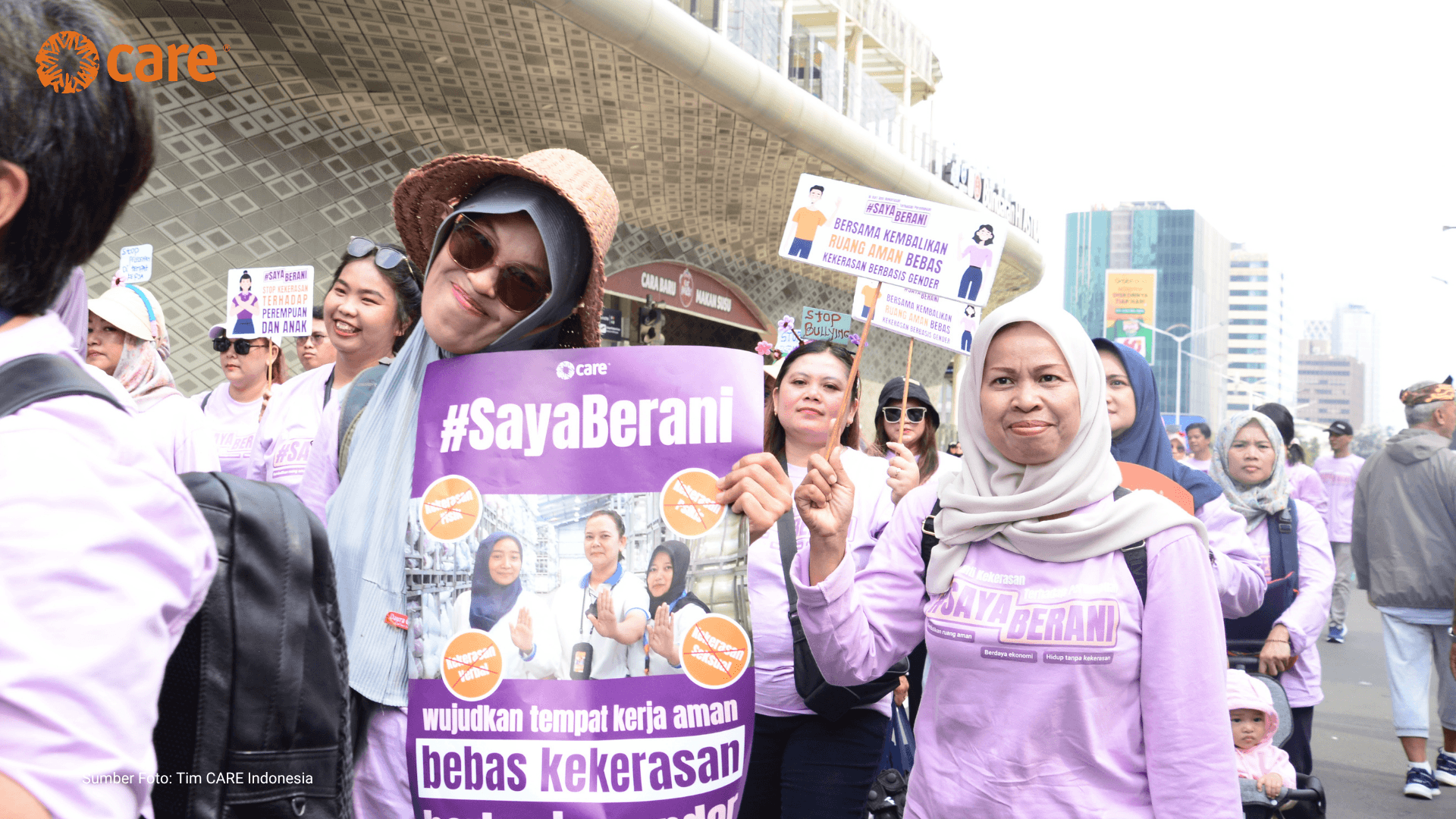
Digital spaces have become an integral part of today’s working environment. While workplace interactions once occurred primarily within office walls, communication now takes place through various digital platforms such as online chat groups, email, and virtual meeting applications. As the use of technology continues to grow, new challenges have emerged in ensuring safe workplaces, particularly in preventing violence and harassment within digital workspaces. According to the 2025 Annual Report of Komnas Perempuan, there were 125 reported cases of Online Gender-Based Violence (OGBV) in workplaces, with women as the majority of victims.
Ministry of Women’s Empowerment and Child Protection Republic of Indonesia define a safe space as one that enables every individual to participate, interact, and express themselves without fear of violence, discrimination, or threats. The Ministry further emphasizes that unsafe digital spaces can discourage women from engaging in public spaces, limit their economic opportunities, and reduce their participation in development processes.
Within the context of employment, a safe digital space refers to a technology-based communication environment that is free from harassment, intimidation, bullying, discrimination, and gender-based violence. The International Labour Organization, through Convention No. 190, affirms that violence and harassment in the world of work may occur through work-related communications, including those facilitated by information and communication technologies. In other words, workplace chat groups, instant messaging platforms, and virtual meeting rooms are all part of the workplace and should provide a sense of safety for every worker.
The need for safe digital spaces is becoming increasingly urgent given the high number of online harassment and violence cases occurring in professional settings. A 2022 survey conducted by the International Labour Organization (ILO) in collaboration with the Never Okay Project found that 39.6 percent of respondents had experienced online harassment or violence in the workplace. The survey also revealed that such experiences negatively affect productivity, reduce work motivation, and may even push workers to resign.
According to the ILO, preventing violence in the workplace requires a comprehensive strategy, including clear policies, secure reporting mechanisms, and education for all employees.
Yohana Tantria, Project Manager & Portfolio Support at CARE Indonesia, stated that creating safe digital spaces for women in the workplace requires a more inclusive workplace culture. Companies need to build awareness that sexually suggestive comments, sharing photos without consent, gender-degrading jokes, and unwanted private messages are not harmless jokes, but behaviors that can be categorized as violence or harassment.
“Women have the right to work without fear, including in digital spaces. When degrading comments, harassment, or inappropriate behavior are tolerated, the impact extends beyond workers’ sense of safety. It also affects their confidence, participation, and opportunities to grow professionally,” said Yohana.
On the other hand, Yohana also emphasized that women workers need to understand their rights in digital spaces. They should know that any form of harassment occurring through work-related communication can be reported and addressed through existing mechanisms. Digital literacy is therefore essential to help women recognize forms of digital violence, document evidence, and seek support when experiencing or witnessing inappropriate behavior.
Safe digital spaces are not created solely when victims feel empowered to speak up, but also when workplaces provide adequate support and protection.
“Victims often choose to remain silent because they fear they will not be believed or worry about the impact on their careers. Therefore, the responsibility for creating safe digital spaces must not rest solely on victims. Management of the company and colleagues must also ensure there is sufficient support, protection, and mechanisms that make workers feel safe to speak out,” Yohana added.
Men also play a crucial role in creating safe digital environments. Preventing gender-based violence is not solely women’s responsibility, but a shared responsibility. Men can act as allies by refusing to tolerate jokes that demean women, not participating in the spread of abusive content, and courageously addressing or reporting inappropriate behavior. ILO stresses that creating workplaces free from violence requires the active involvement of all parties, including male employees and company management.
At the corporate level, several measures can be taken, including establishing anti-violence policies that explicitly cover digital spaces, creating safe and confidential complaint mechanisms, providing training on gender equality and digital communication ethics, and ensuring fair follow-up on every report. These efforts align with ILO Convention No. 190, which affirms every individual’s right to work in an environment free from violence and harassment.
Collaborative work to create safe spaces for women workers are also supported by the Ministry of Women’s Empowerment and Child Protection through the establishment of Rumah Perlindungan Pekerja Perempuan (RP3) or Women Workers’ Protection Houses. Through Ministerial Regulation No. 1 of 2023, RP3 serves as an initial support service for women workers experiencing violence, including providing complaint mechanisms, assistance, and referrals. The presence of RP3 reflects a commitment to ensuring women workers receive protection and access to safe case-handling mechanisms, including when violence occurs in digital spaces.
Riska Wahyuni, CSR Manager at PT Hindoli, stated that the presence of RP3 helps companies build safer and more responsive workplaces for women employees.
“RP3 provides a space where women workers feel safer to voice concerns or report cases they experience. With a clear mechanism in place, employees feel more confident that every report will be handled seriously and in accordance with proper procedures,” she explained.
Ultimately, safe digital spaces are not merely a matter of technology, but part of a broader effort to create workplaces that uphold equality and respect the dignity of every worker.
“When women feel safe to communicate, express opinions, and participate in digital spaces, they are able to grow, contribute, and take on greater roles in the workplace. Therefore, building safe digital spaces is not only about protecting women workers, but also about strengthening the foundation of healthy, productive, and inclusive organizations,” Yohana concluded.
Author: Kukuh Akhfad
Editor: Swiny Adestika