Gender equality in Indonesia has continued to make progress, yet significant disparities remain. According to Statistics Indonesia (BPS), Indonesia’s 2024 Gender Inequality Index (GII) stood at 0.447, indicating that women continue to face inequalities in reproductive health, empowerment, and labour market participation.
In the economic sector, women’s Labour Force Participation Rate (LFPR) remains at approximately 56 percent, significantly lower than men’s participation rate of more than 84 percent. Meanwhile, the Global Gender Gap Report 2025, published by the World Economic Forum, ranked Indonesia 97th out of 148 countries, highlighting the substantial work that remains to expand women’s access to leadership, economic opportunities, and decision-making.
These realities underpin the work of Yayasan CARE Peduli (YCP). As the organization marks its eighth year as a national entity, YCP continues to collaborate with partners to implement community empowerment programmes across Indonesia, focusing on women, adolescents, and children. Through a holistic approach, these partnerships seek to ensure that communities including women have equal opportunities to learn, lead, access economic opportunities, and live free from violence in safe and enabling environments.
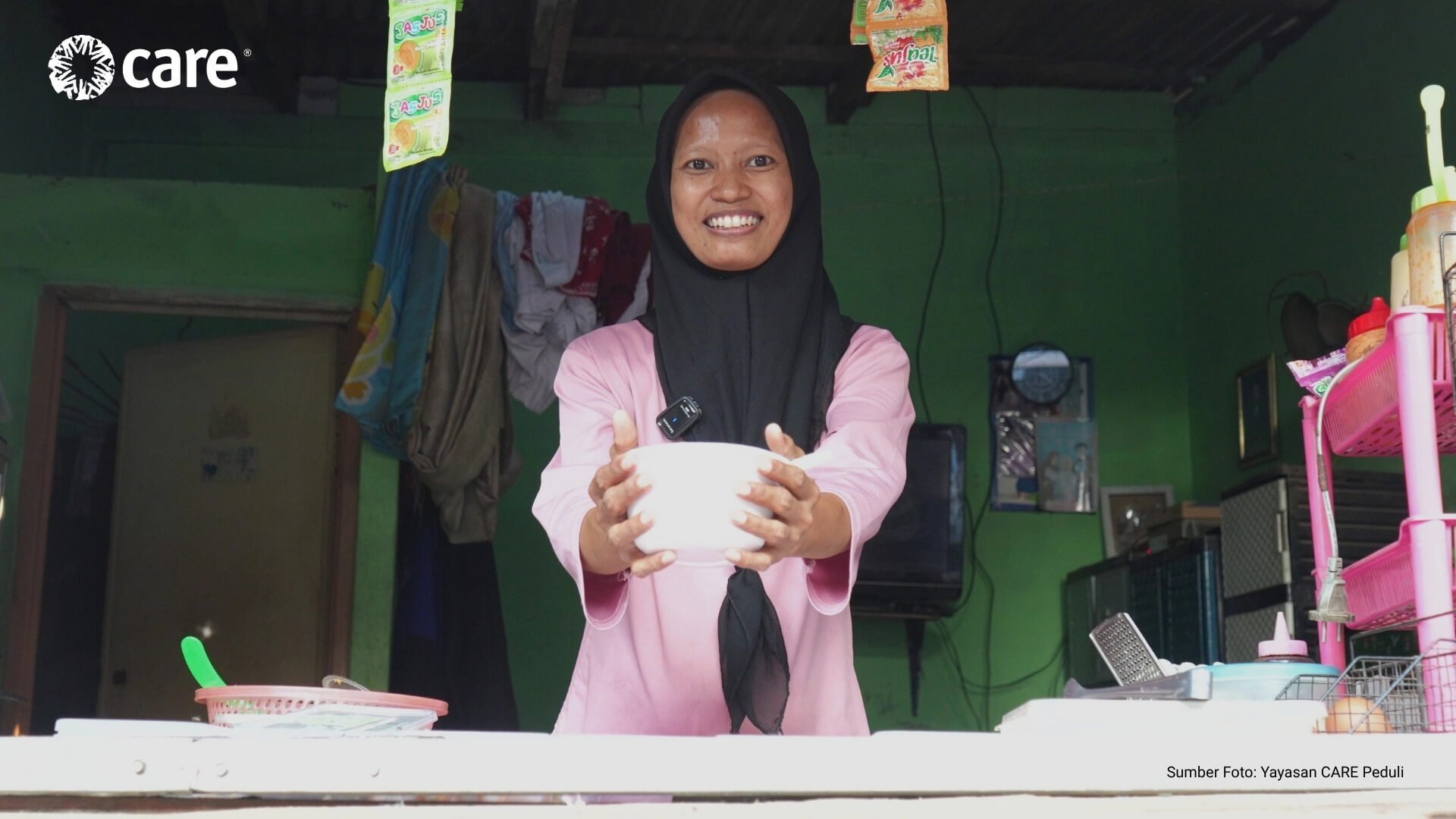
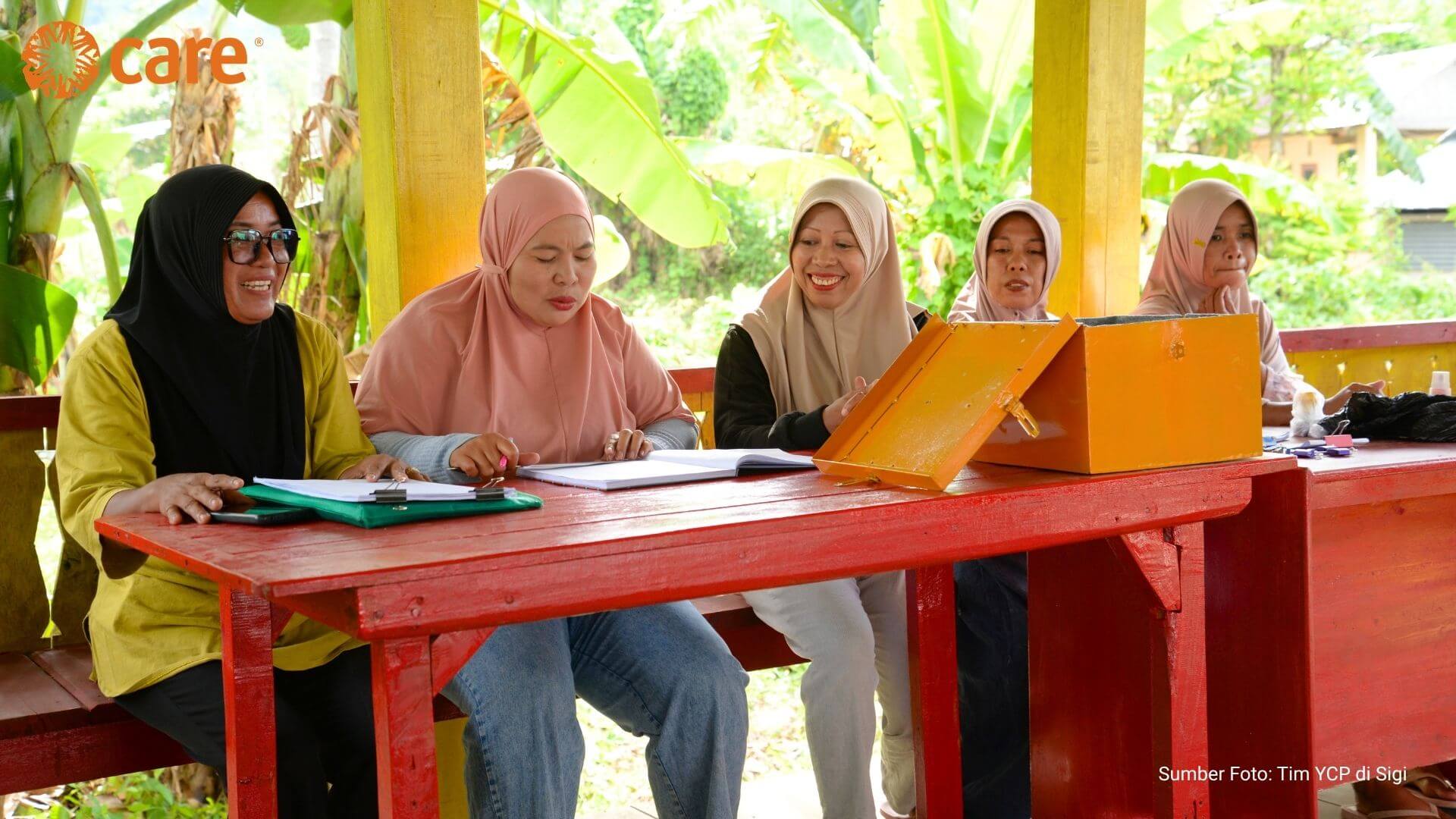
Efforts to reduce gender inequality are tailored to the specific needs of each community. In coastal areas, women are empowered through the establishment of The Women’s Economic Business Group (KUEP), entrepreneurship training, and active participation in mangrove restoration as part of broader initiatives to strengthen livelihoods and women’s leadership. In coffee and tea growing communities, women receive training on leadership, gender equality, inclusive communication, and enterprise development to increase their access to opportunities and strengthen their participation across agricultural value chains.
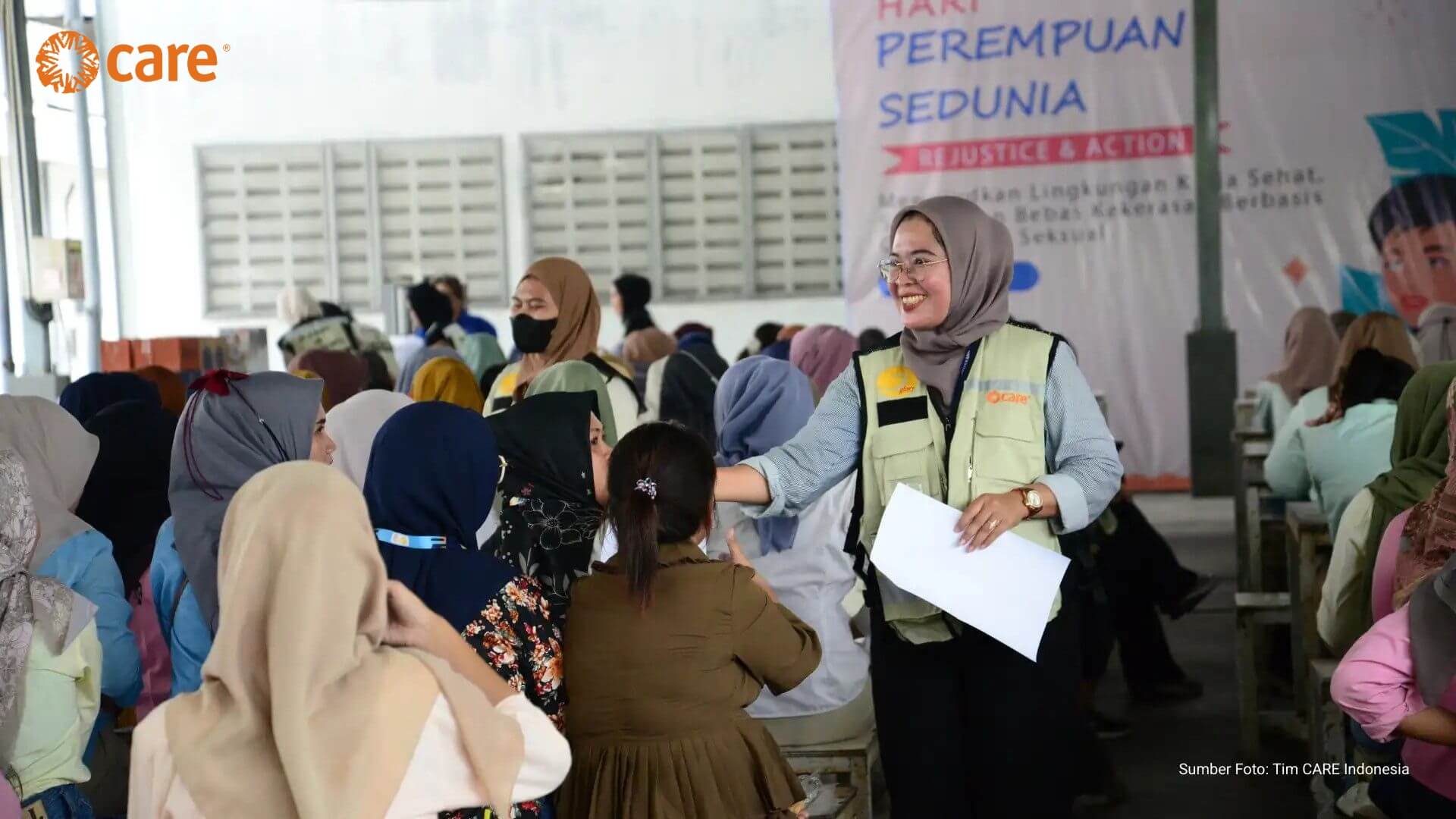
Within the industrial sector, CARE Indonesia collaborates with companies to promote safer, healthier, and more inclusive workplaces through the Gender Equity Network (GEN) initiative. This approach is reinforced by establishing Bipartite Cooperation Institutions (LKS Bipartit) and workplace task forces dedicated to preventing Gender-Based Violence (GBV), helping create safer environments where workers can thrive and reach their full potential.
Strengthening women’s leadership also plays a key role in efforts to prevent stunting. CARE Indonesia supports this through capacity building for DASHAT (Healthy Kitchen to Overcome Stunting) community volunteers, nutrition education, women’s economic empowerment, and improved access to maternal and child health services. These experiences demonstrate that when women have access to knowledge, resources, and opportunities to participate, the benefits extend far beyond individuals, strengthening families, communities, and broader development outcomes.
While these initiatives have produced encouraging results, significant challenges remain in achieving gender equality. Many women across Indonesia continue to face barriers to quality education, decent work, healthcare, protection from violence, and leadership opportunities. Addressing these challenges requires stronger collaboration among government institutions, the private sector, civil society organizations, communities, and the public to ensure that no woman is left behind.
The Government of Indonesia has demonstrated its commitment through a range of policies and initiatives, including Gender Mainstreaming (PUG), the establishment of Women’s Worker Protection Centers (Rumah Perlindungan Pekerja Perempuan/RP3) by the Ministry of Women’s Empowerment and Child Protection, and the implementation of the National Strategy for the Acceleration of Stunting Reduction. These policies provide an important foundation for advancing women’s rights and expanding access to essential services and opportunities.
However, achieving gender equality requires collective action. Governments, businesses, civil society organizations, the media, academia, and communities all have vital roles to play in creating greater opportunities for women to grow, lead, and contribute.
When women have equal opportunities to learn, work, lead, and shape their own futures, the benefits extend well beyond individuals. Families become more prosperous, communities become more resilient, and development becomes more inclusive. Advancing women’s rights is therefore not only about ensuring equality for one group, it is about building a more just and equitable Indonesia for everyone.
Author: Kukuh Akhfad
Editor: Swiny Adestika