
In a small coastal village in East Kalimantan, a group of women turn mangrove fruit into crispy chips, while their neighbours cultivate soft-shell crab and shrimp in the very same waters. Far on the other side of the archipelago, on the island of Alor, a woman named Martha has become known as a tireless advocate, passing on what she knows about protecting the sea and the shoreline to other women in her community. In North Sulawesi, another group of women is not only guarding mangrove ecosystems but also building sturdier household economies through micro-scale businesses backed by seed capital.
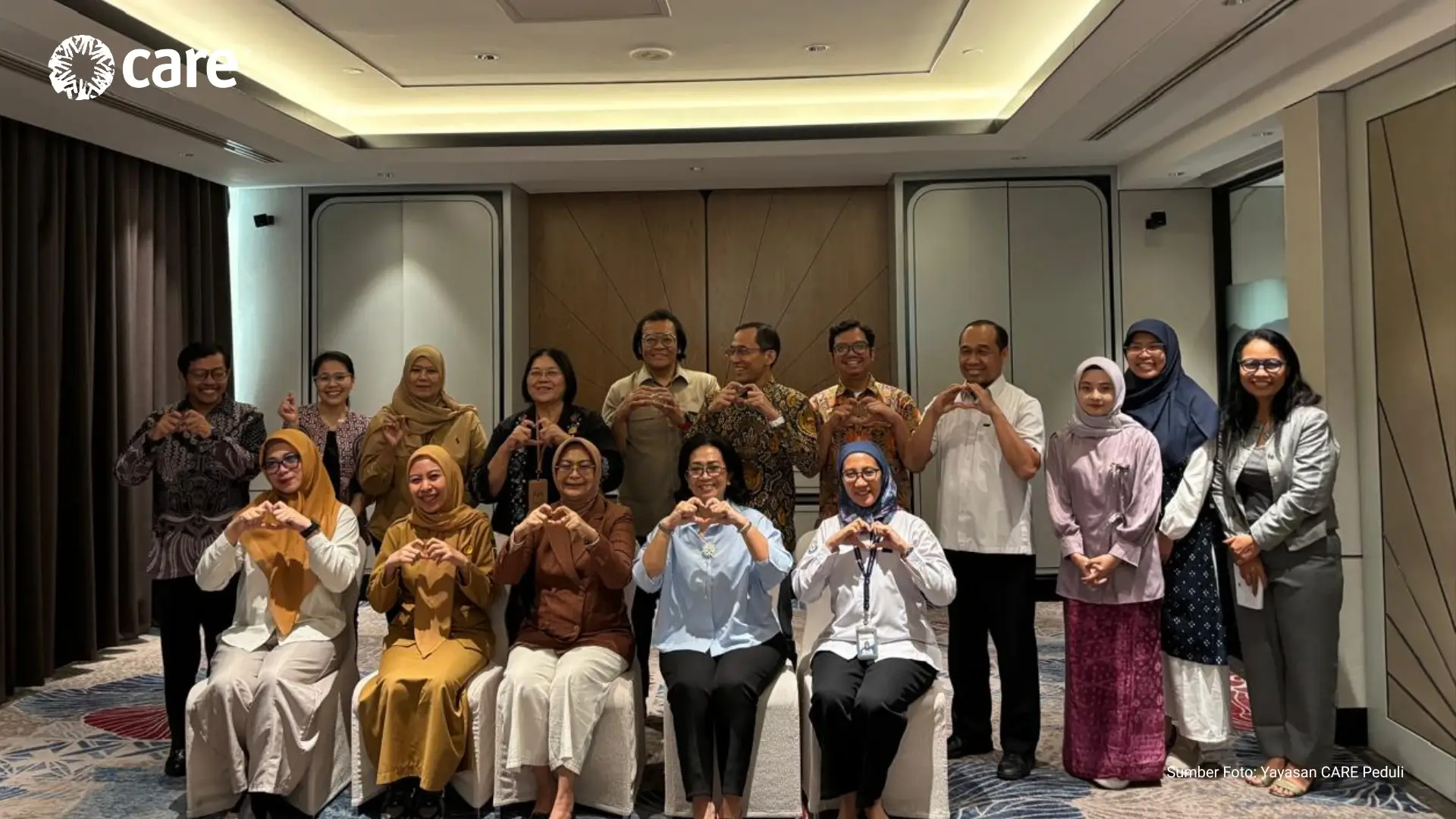
Stories of women driving the protection of their coastlines are scattered across hundreds of points along Indonesia’s shores. These scattered stories were brought together around a single discussion table called Morning Coffee Meeting: Mangrove Protection and Restoration to Support the Implementation of the National Action Plan on Gender and Climate Change (RAN GPI), with a focus on Sector 7, Marine Affairs, Coastal Areas, and the Blue Economy, hosted in Jakarta by the Deputy for Gender Equality at the Ministry of Women’s Empowerment and Child Protection (KemenPPPA).
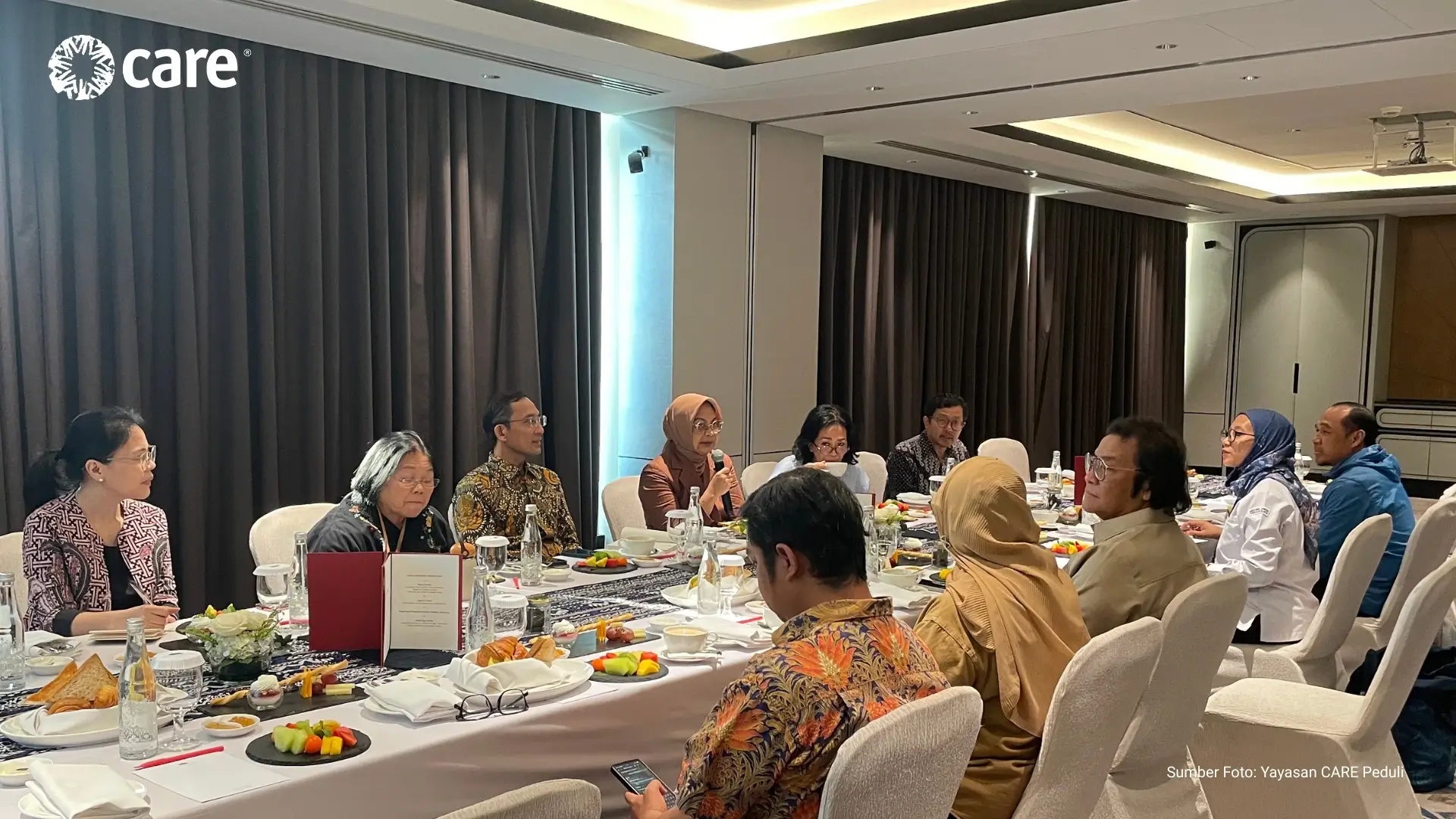
The cross-sector gathering drew representatives from the Ministry of Home Affairs, the Ministry of Marine Affairs and Fisheries (KKP), the Ministry of Environment, the National Development Planning Agency (Bappenas), the Coordinating Ministry for Food Affairs, the Ministry of Forestry, the Presidential Staff Office (KSP), CARE Indonesia, and the PERISAI Pesisir network.
The discussion opened with a shared understanding of coastal communities, women among them, stand on the front line of climate change. Rising sea levels, coastal erosion, shifting weather patterns, declining fisheries productivity, and deepening social and economic vulnerability all bear directly on the lives of people who depend on coastal resources, including women. Participants agreed, the success of coastal ecosystem protection with mangrove restoration among its key strategies, should never be measured only by the number of trees planted, but by who is leading the work, who benefits from it, and how much real access women in coastal areas have to resources and decision-making.
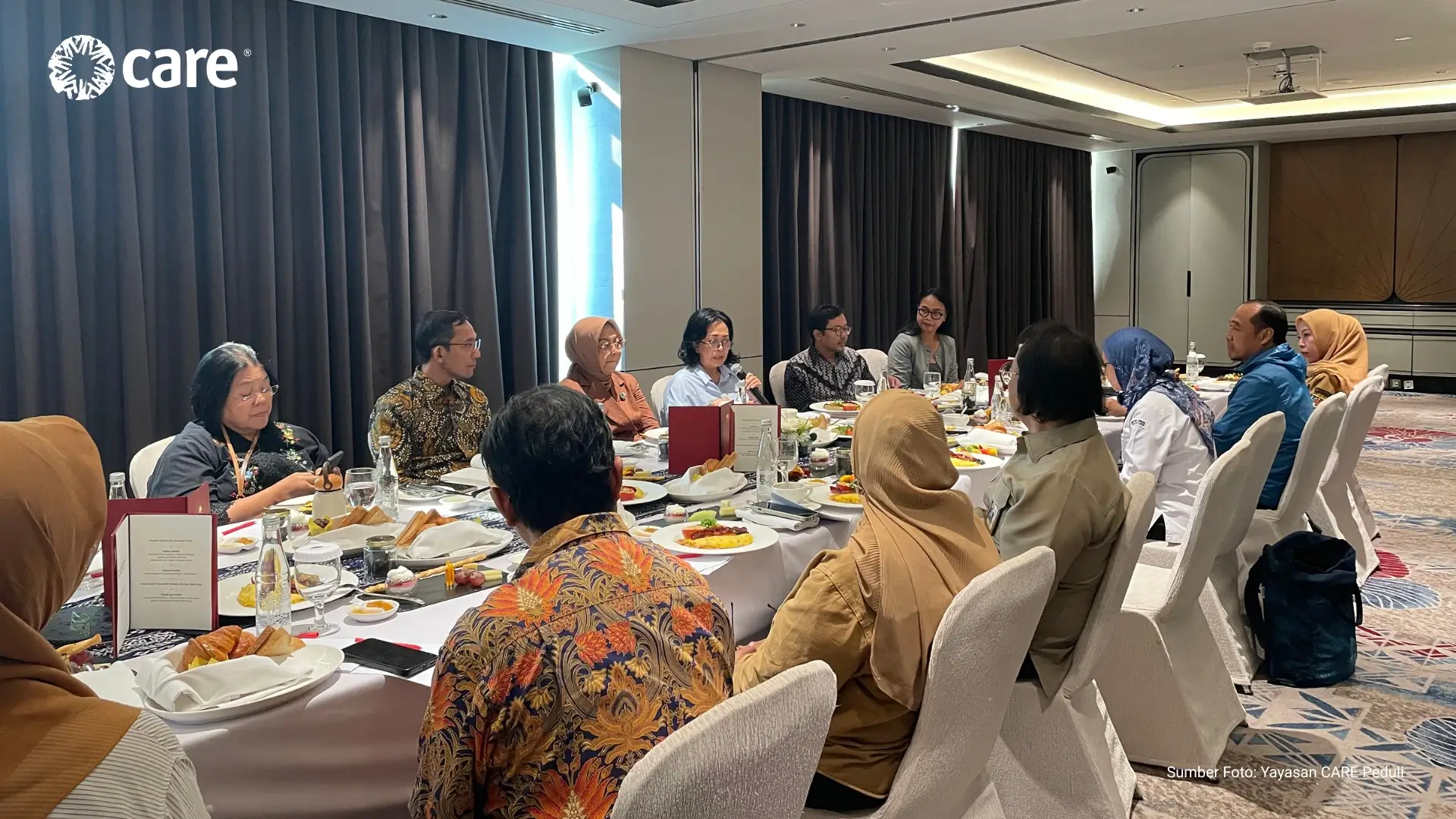
“Mangrove protection and restoration is not merely a conservation agenda. It is part of a much larger strategy to safeguard coastal resilience, environmental sustainability, and gender equality,” said Dr. Amurwani Dwi Lestariningsih, Deputy for Gender Equality at KemenPPPA. “That is why the perspective of coastal women must be built into national policy. Not simply as affected communities, but as active agents and leaders in development,” she added.
Echoing that view, Dr. Abdul Wahib Situmorang, CEO of CARE Indonesia, argued that coastal restoration simply cannot succeed without women’s leadership. “For coastal women, mangroves are not just an environmental or economic issue. They are tied to the survival of their families and communities. That is why good practices and women champions need to be gathered, documented, and strengthened, so they can become a policy force capable of making a real difference in local and global climate action,” Abdul said.
He added that CARE and partners are already working to collect the good practices led by women across Indonesia’s coastal regions in protecting the ecosystems around them, mangroves included. “Gathering these good practices in coastal restoration, and identifying the women driving them, is itself a source of strength. Because the information and the people are so scattered. We also need to track whether these efforts are still running or have quietly stopped, and who the women behind them are. When women speak to coastal communities, the message lands better. That conviction is what gave rise to our PERISAI Mangrove / PERISAI Pesisir initiative,” Abdul said.
The Ministry of Marine Affairs and Fisheries (KKP) brought its own stories of women leading conservation on the coast. Anita Setianingsih, Head of the Cooperation Working Group at KKP’s Directorate General of Marine Spatial Management, walked participants through several conservation financing schemes, from debt-for-nature arrangements supporting the marine and fisheries sector to a joint project with the World Bank that measures success not by how many women attend a meeting, but by how much real economic access they gain. From Alor, KKP also introduced the story of Martha, a woman leader frequently invited as a resource person for her hands-on experience managing a marine conservation area alongside her community.
“The PERISAI Mangrove / PERISAI Pesisir network could grow to cover bigger sectors too, such as capture fisheries, marine affairs, seaweed conservation, and more. So, we can map women leaders on an even wider scale. In Alor, there’s a Center of Excellence for a marine protected area, and there is so much to learn from the field. Martha, who works hands-on with her community, is one example, and she could certainly be invited to share her experience more widely,” Anita said.
Throughout the discussion, PERISAI Mangrove / PERISAI Pesisir was held up as an important space for gathering good practices, strengthening women’s networks, and connecting lessons from the community level to the wider policy agenda.
“Through an evidence-based advocacy approach, we hope the experiences of coastal women won’t stay as local anecdotes, but instead become evidence and lessons that strengthen coastal protection policy, mangrove restoration, and a more inclusive blue economy,” Abdul said.
Stitching Together Support, Bringing Financing Closer to the Grassroots
If there was one thread running through the entire discussion, it was financing. On paper, no shortage of instruments exists such as state and regional budgets, village funds, corporate social responsibility programmes, philanthropy, blended finance, and green-blue instruments such as conservation-linked sukuk and bonds. But participants agreed that what matters most isn’t simply whether the money exists, it’s whether it actually reaches women at the grassroots, and whether it fits their needs, rights, and capacities.
Questions of land and resource tenure, group governance, benefit-sharing mechanisms, and accountability all surfaced as conditions that cannot be skipped. Without them, even generous financing risks doing little to change the lives of the women who tend to the mangroves every day.
“KSP’s role is to make sure the support coming from different ministries and agencies is stitched together into steps that are better coordinated and more concrete,” said Ade Suwargo, Junior Expert Staff at Deputy III of the Presidential Staff Office (KSP). “We need to help good practices in women’s empowerment get replicated, backed by available budgets, and folded into the national development agenda,” he said.
Strengthening Cross-Ministry Collaboration
Participants agreed on the importance of cross-sector collaboration to keep the gender-and-climate agenda from being pursued in silos. Several concrete follow-up steps emerged from the meeting, such as gathering and documenting good practices led by coastal women through the PERISAI Mangrove / PERISAI Pesisir platform, mapping financing options and their prerequisites, reactivating the inter-ministerial RAN GPI working group which will now be directly overseen by KSP as a “Pokja Plus,” and using national and regional development planning forums to push similar commitments down to the provincial and district level.
KemenPPPA also announced plans to include this push to strengthen coastal women’s roles in Indonesia’s national report to the CEDAW (Convention on the Elimination of All Forms of Discrimination against Women) Committee, drawing on General Recommendation No. 37 (2018) on the gendered impact of disasters and climate change, ensuring that stories from Indonesia’s coastlines become part of the record and commitments made on the global stage.
From the Community to a Wider Wave of Change
The morning meeting left everyone with one clear message: coastal women are active agents of development. They are the individuals driving change, leading their communities, safeguarding local knowledge, and powering restoration on the ground.
“Gender-responsive mangrove restoration needs to move forward hand in hand with strengthening women’s agency, leadership, access to resources, and economic benefits for coastal women. Going forward, we hope lessons from the community can shape a stronger cycle. Starting with bringing coastal women together, gathering their lessons learned, strengthening national platforms for coastal women like PERISAI Mangrove / PERISAI Pesisir, amplifying their voices, strengthening policy and financing, and ensuring the impact lasts. With this approach, mangrove protection and restoration won’t just help build healthier more climate-resilient coastal ecosystems, it will also help build a fairer and more inclusive future for Indonesia’s marine affairs and blue economy,” Abdul concluded.
