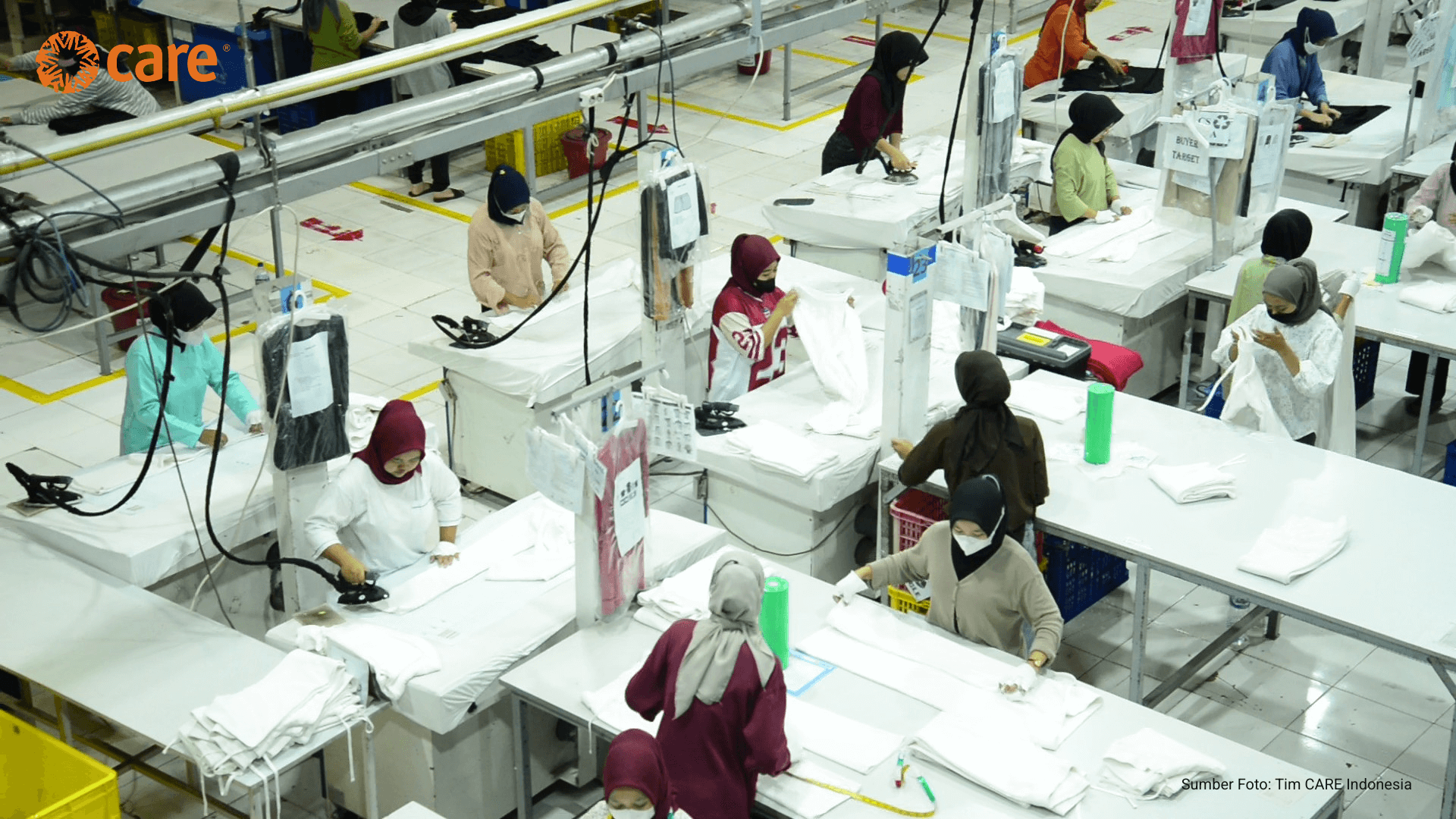
Ensuring that workers feel safe to raise concerns in the workplace is a critical priority. This was the key lesson shared by CARE Indonesia during the 2026 Organization for Economic Co-operation and Development (OECD) Forum. Drawing from its experience supporting garment factories in Indonesia, CARE Indonesia emphasized that having a system in place alone is not enough, the determining factor is workers’ trust in the mechanism itself.
Awalia Murtiana, Program Manager at CARE Indonesia, explained during the forum that some companies already have grievance mechanisms established. However, in practice, these systems are often underutilized. Workers tend to hesitate to report issues and only voice complaints when situations become severe or no longer tolerable.
“The core challenge is not the absence of procedures or policies, but how the system is experienced by workers in their daily lives. Many workers doubt the confidentiality of reports, worry about workplace rumors, or fear potential consequences after speaking up. This shows that grievance mechanisms are not merely technical tools, but social spaces shaped by power relations, workplace culture, and a sense of safety,” she said during the OECD forum held online on Friday (13/2), which was attended by more than 90 participants from the CARE Impact Partner network.
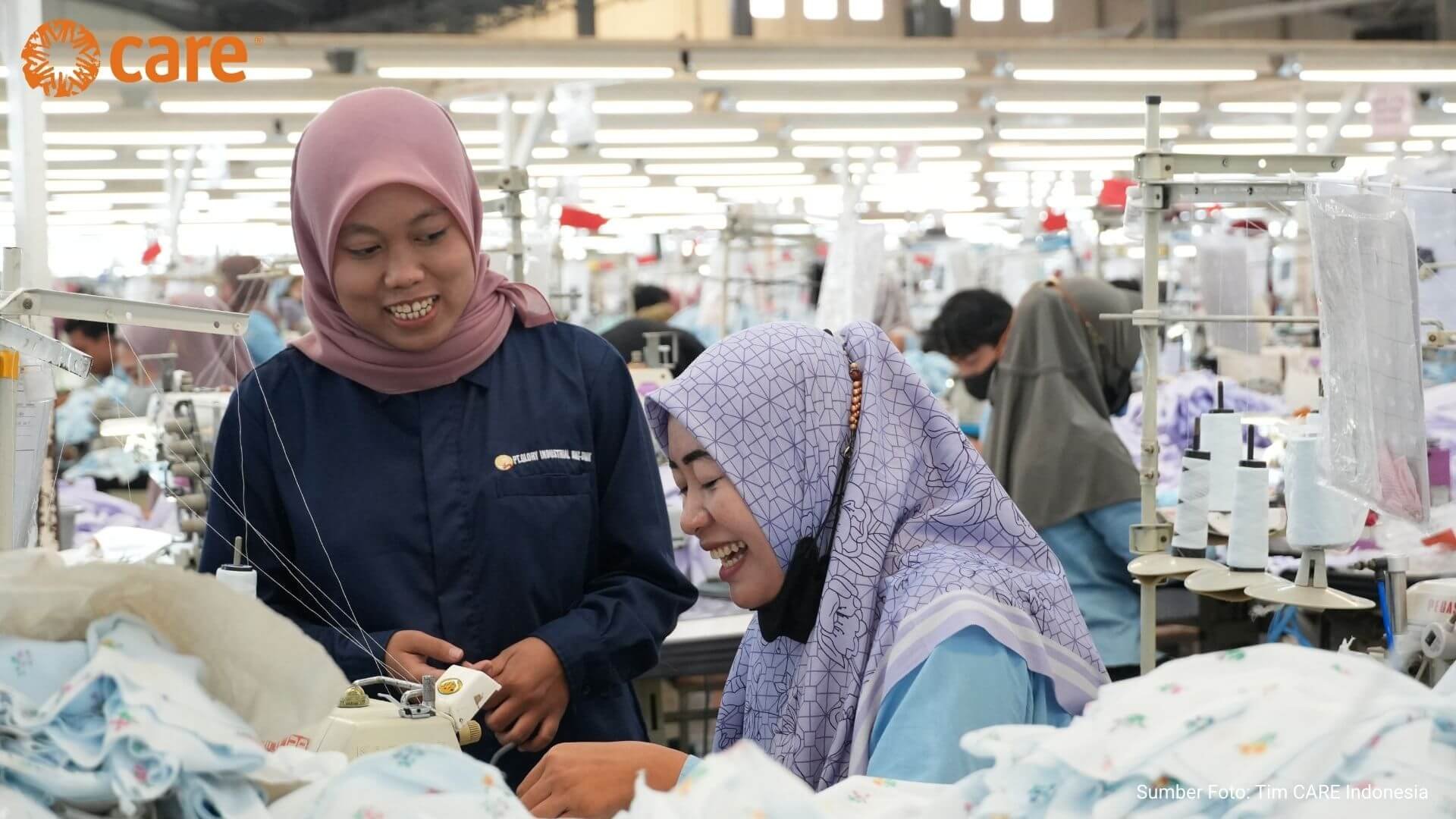
According to Awalia, to better understand these challenges, CARE Indonesia implemented a series of participatory approaches in partner factories, including worker focus group discussions, stakeholder mapping, internal factory assessments, and surveys to examine how grievance mechanisms function in practice.
“The intervention focused on strengthening the system holistically through a co-creation process designing solutions jointly with management and workers to ensure that changes are genuinely owned by the factory. The process began by strengthening understanding of gender equality, risks of gender-based violence in the workplace, and labor regulations that form the foundation of worker protection,” she added.
During the forum, Awalia also highlighted that knowledge alone is insufficient to drive behavioral change. Therefore, both workers and management were supported in developing practical skills such as assertive communication, dialogue facilitation, negotiation, as well as case handling and documentation.
“Another significant change took place within the structure of factory grievance mechanisms. Bipartite Committees were strengthened as formal platforms bringing workers and management together to resolve issues collaboratively. CARE Indonesia also supported the establishment of dedicated task forces to handle gender-based violence cases confidentially and through a survivor-centered approach,” she explained.
Awalia noted that gradual changes among workers have begun to emerge. Workers have become more confident in using grievance channels and better understand whom they can approach when facing problems. For CARE Indonesia, this increase is seen as a positive indicator.
“When workers begin to report, it means the system is starting to gain trust. Alongside increased reporting, relationships between workers and management have also improved. Communication has become more open and respectful, case documentation is more organized, and committees that were previously inactive are now functioning as active dialogue platforms. In one factory, workers even began approaching committee members directly after finally understanding clear communication pathways,” she said.
She further emphasized that the impact of these changes is felt not only by workers but also by companies. Strengthened grievance mechanisms help improve compliance beyond administrative documentation and into daily practice. A more open working environment also supports operational stability and production quality, demonstrating that worker protection and business sustainability can go hand in hand.
“From this experience, an effective system requires trust. When workers believe their voices are heard and handled safely, grievance mechanisms move beyond formality and become real tools for creating safer and more equitable workplaces for all,” Awalia concluded.
Writer: Kukuh Akhfad
Editor: Swiny Adestika