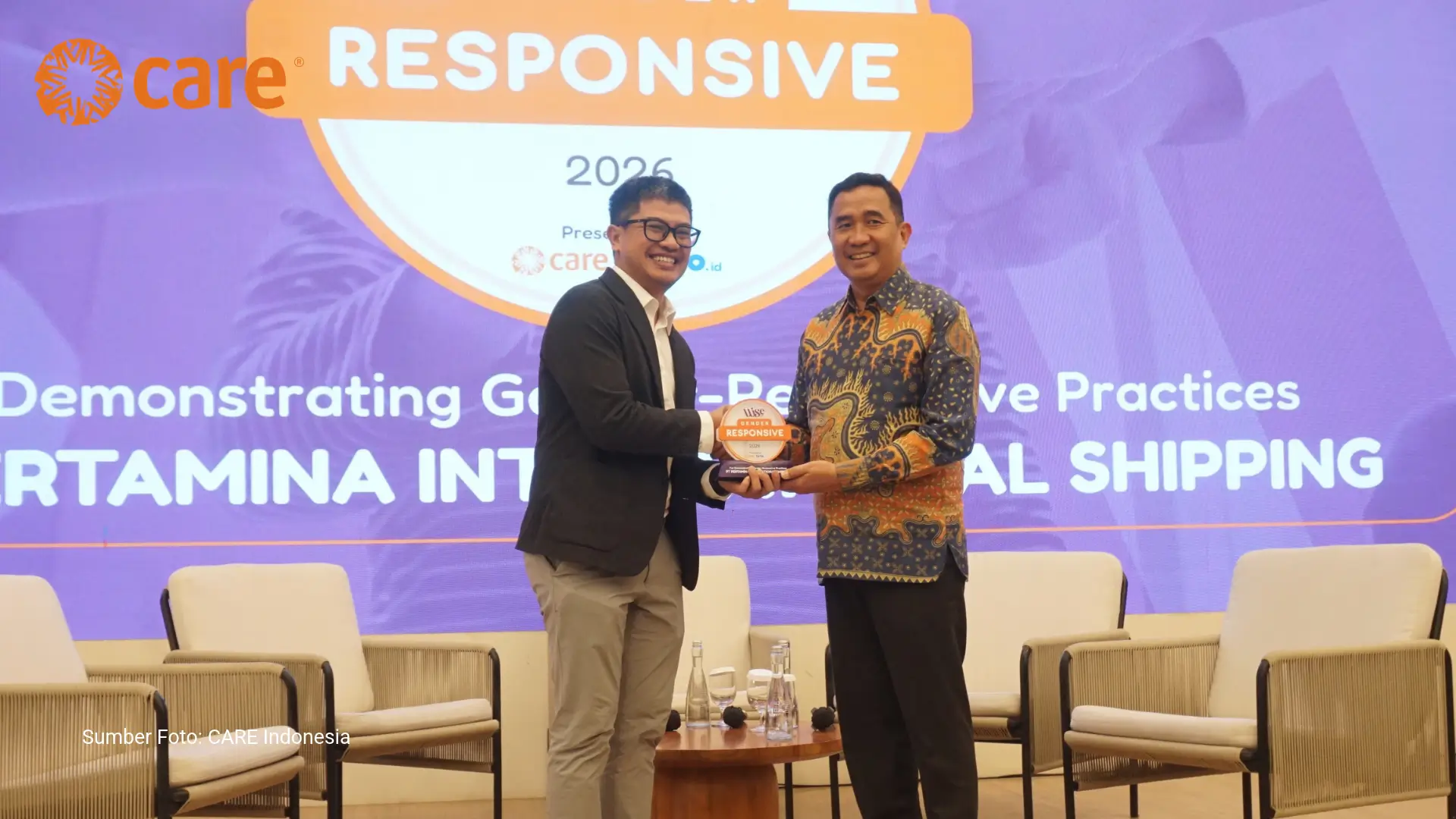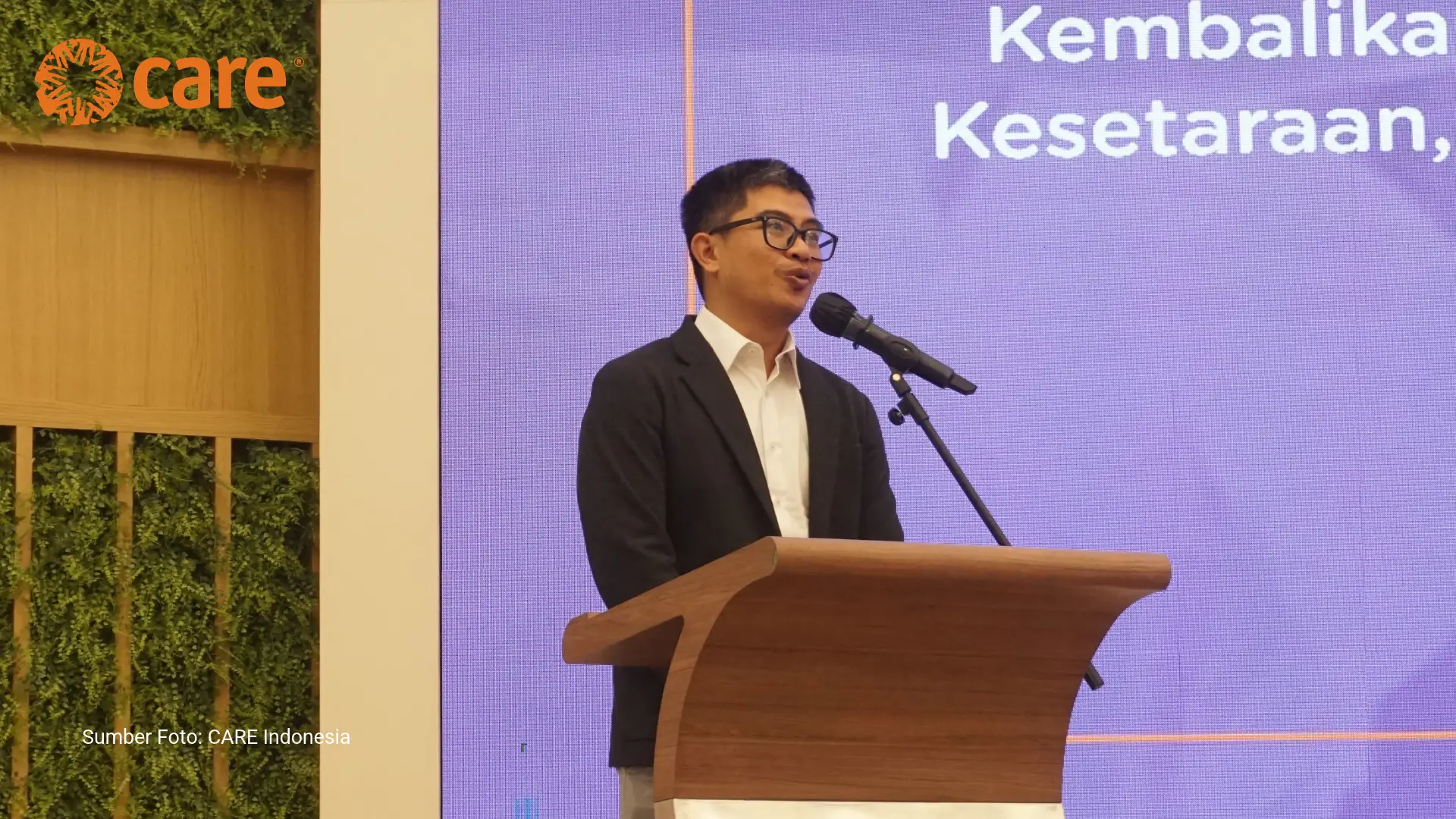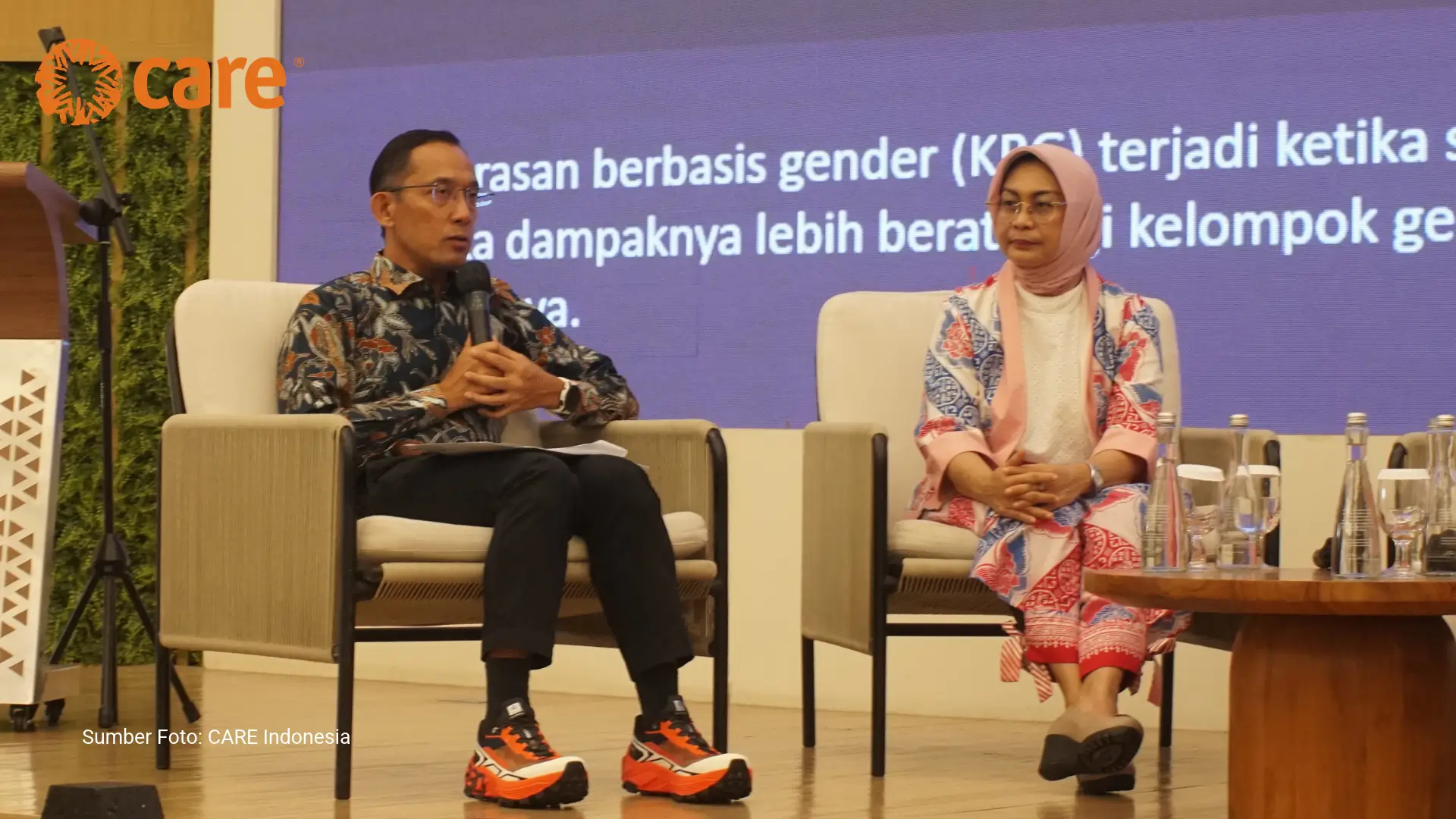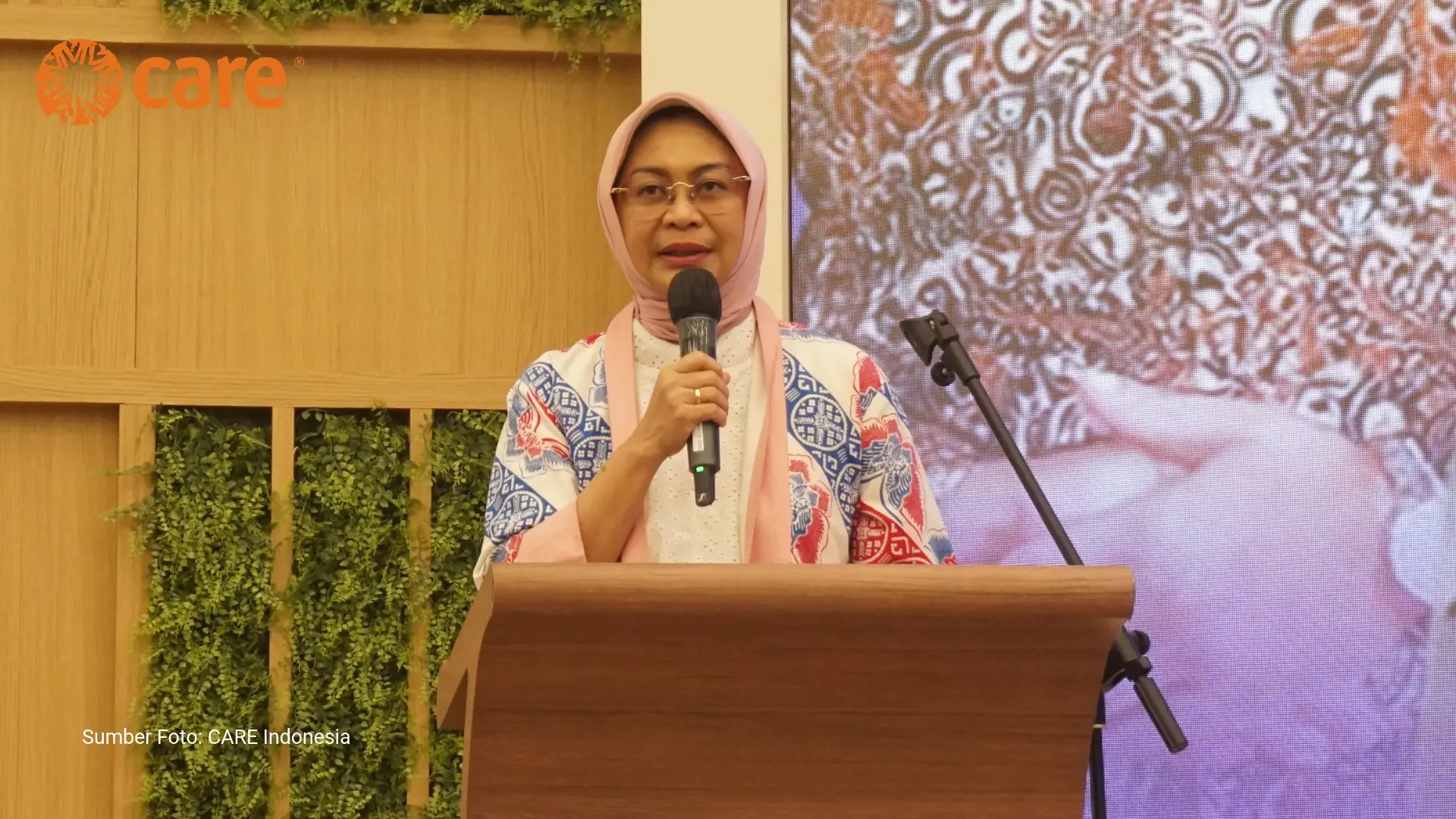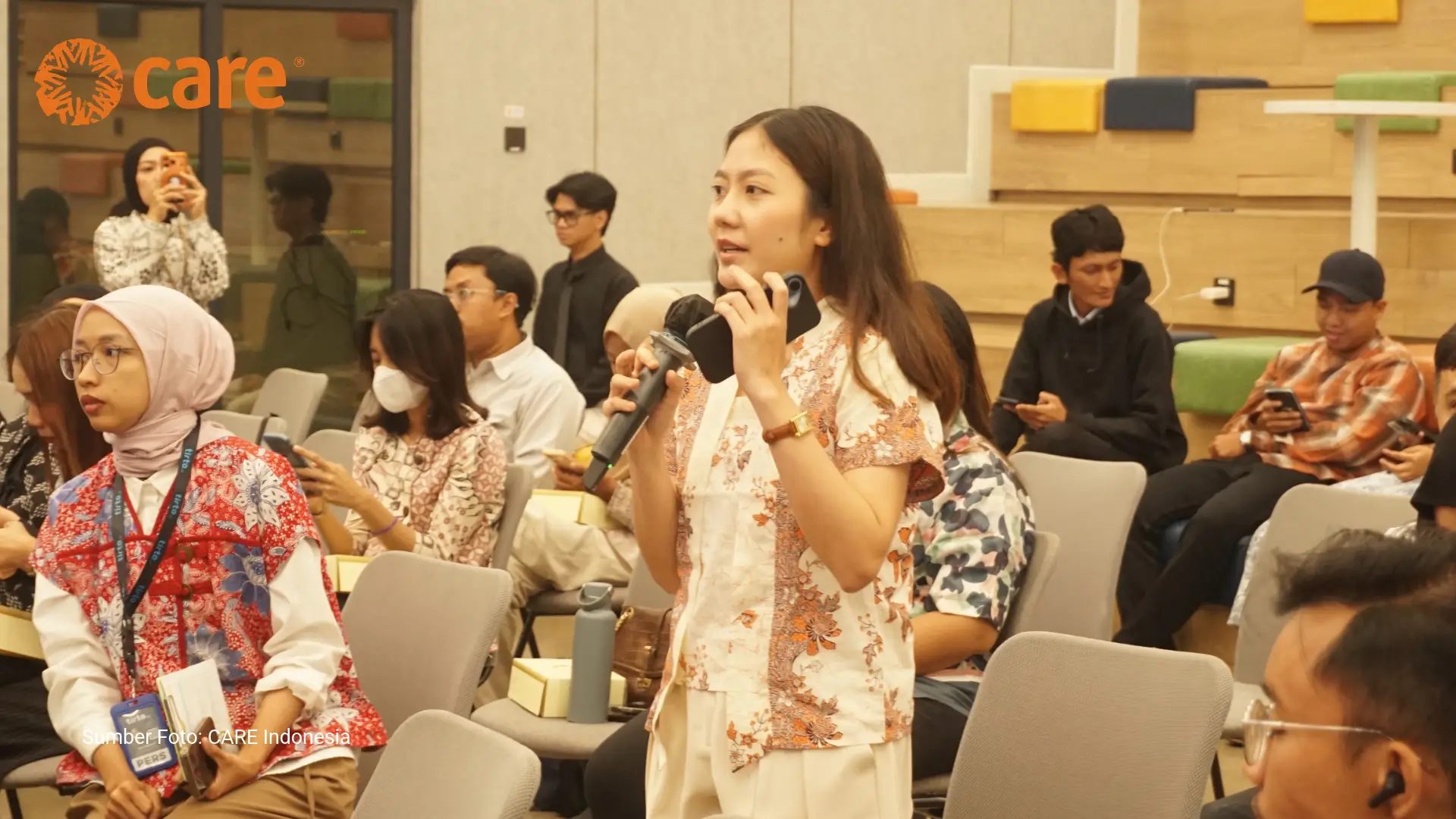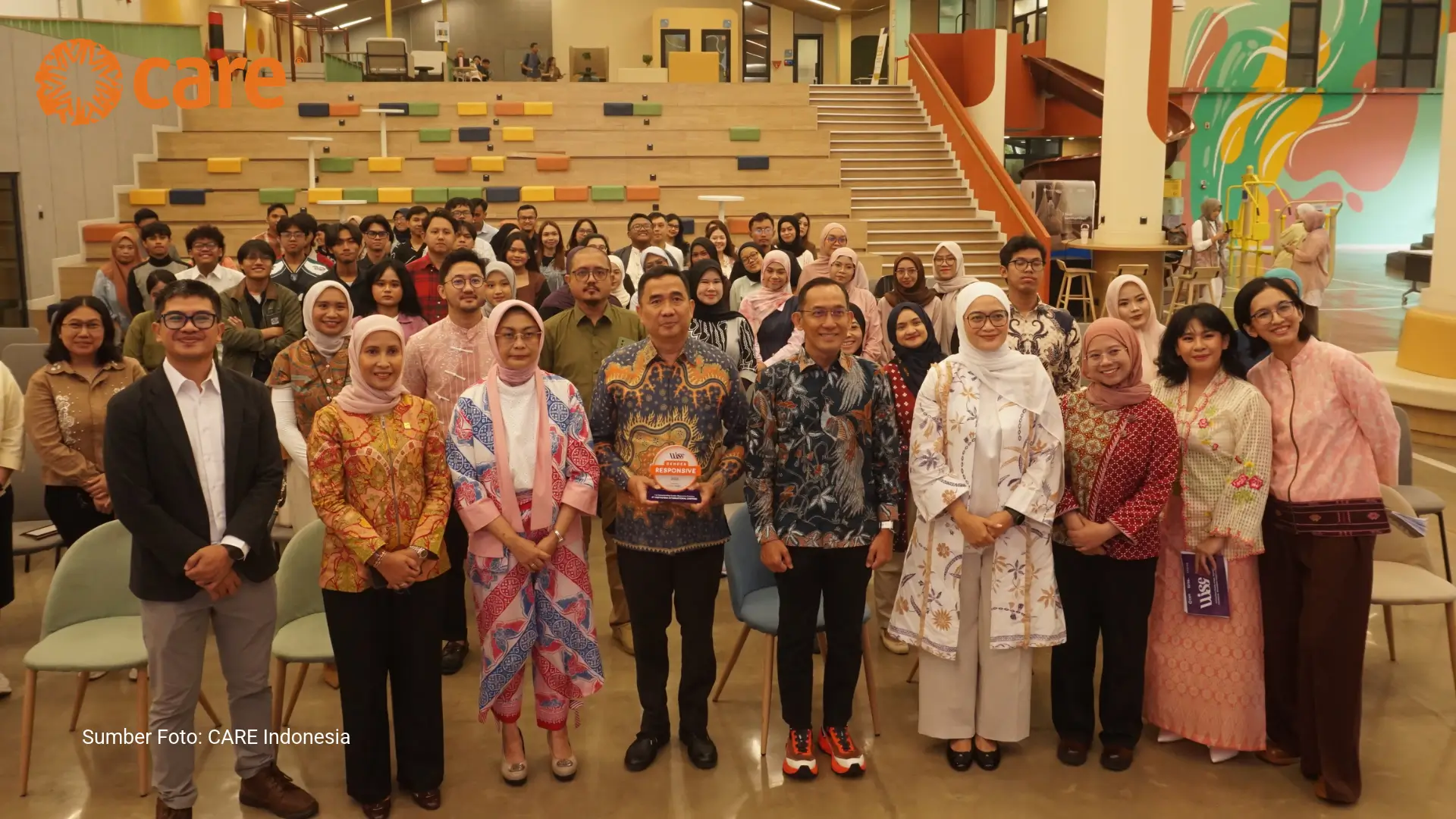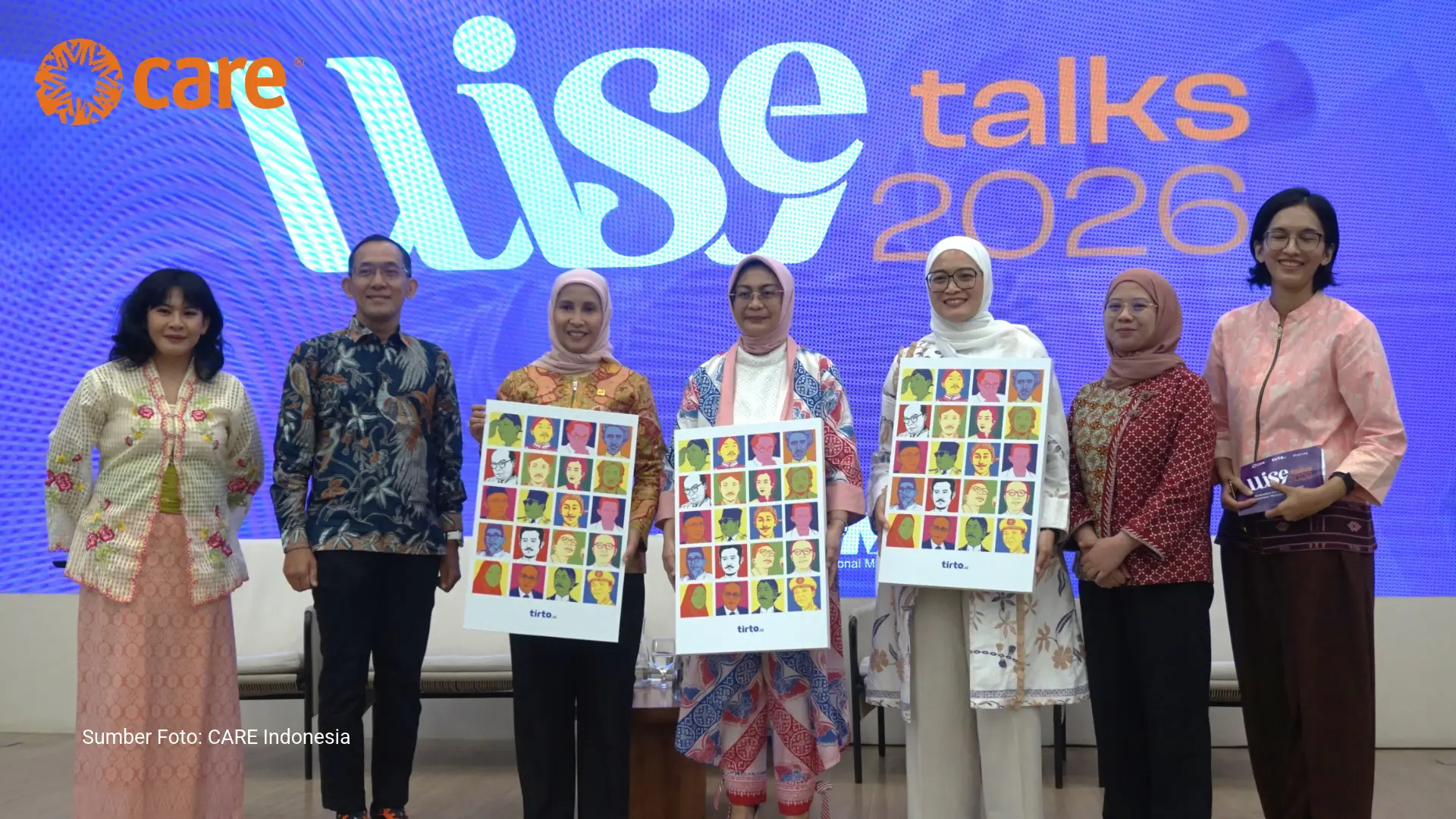
Gender-Based Violence and Sexual Violence (GBV-SV), along with unequal career advancement opportunities, remain significant challenges in the workplace. Promoting gender equality is not only a matter of upholding workers’ rights but also a strategic investment for businesses. It ensures that every employee has equal opportunities to grow and thrive, while reflecting corporate accountability in fostering safe, inclusive, and productive work environments. These topics were at the heart of WISe Talks 2026, organized by Tirto.id in collaboration with CARE Indonesia and supported by its partners, on Thursday, 26 November 2026, at Collaboration Hub, Paragon 9, South Jakarta. Bringing together approximately 60 participants from women’s communities, the private sector, and the general public, the event aligned with the broader commitment to creating safe, violence-free spaces, particularly in the workplace, as part of the 16 Days of Activism against Gender-Based Violence (16 Days of Activism) campaign.
Amurwani Dwi Lestari Ningsih, Deputy for Gender Equality at the Ministry of Women’s Empowerment and Child Protection (KemenPPPA), emphasized, “Gender equality, including in the workplace, is not merely about fulfilling rights. It is also an investment in improving productivity, retaining talent, and supporting business sustainability.”
Diah Kurniawati, Finance Director of PT Pertamina International Shipping, highlighted the role of women’s empowerment initiatives in advancing women’s leadership in the maritime industry. “PERTIWI serves as a platform for women’s empowerment at PT Pertamina International Shipping, where women can support one another, develop their capacities, and promote women’s leadership in the maritime industry,” she said.
Astri Wahyuni, Director of Corporate Affairs at ParagonCorp, underscored the importance of recognizing the diverse experiences and needs of women. “Women’s circumstances and experiences are not the same. With humility and an open perspective, we strive to understand these differences from the company’s standpoint, ensuring that every employee has equal opportunities,“ she said.
Dr. Abdul Wahib Situmorang, CEO of Yayasan CARE Peduli (CARE Indonesia), highlighted that corporate responsibility must go beyond regulatory compliance. “Beyond having regulations in place, companies must ensure that workplaces are safe, free from gender-based and sexual violence, and grounded in a culture of mutual respect,” he concluded.