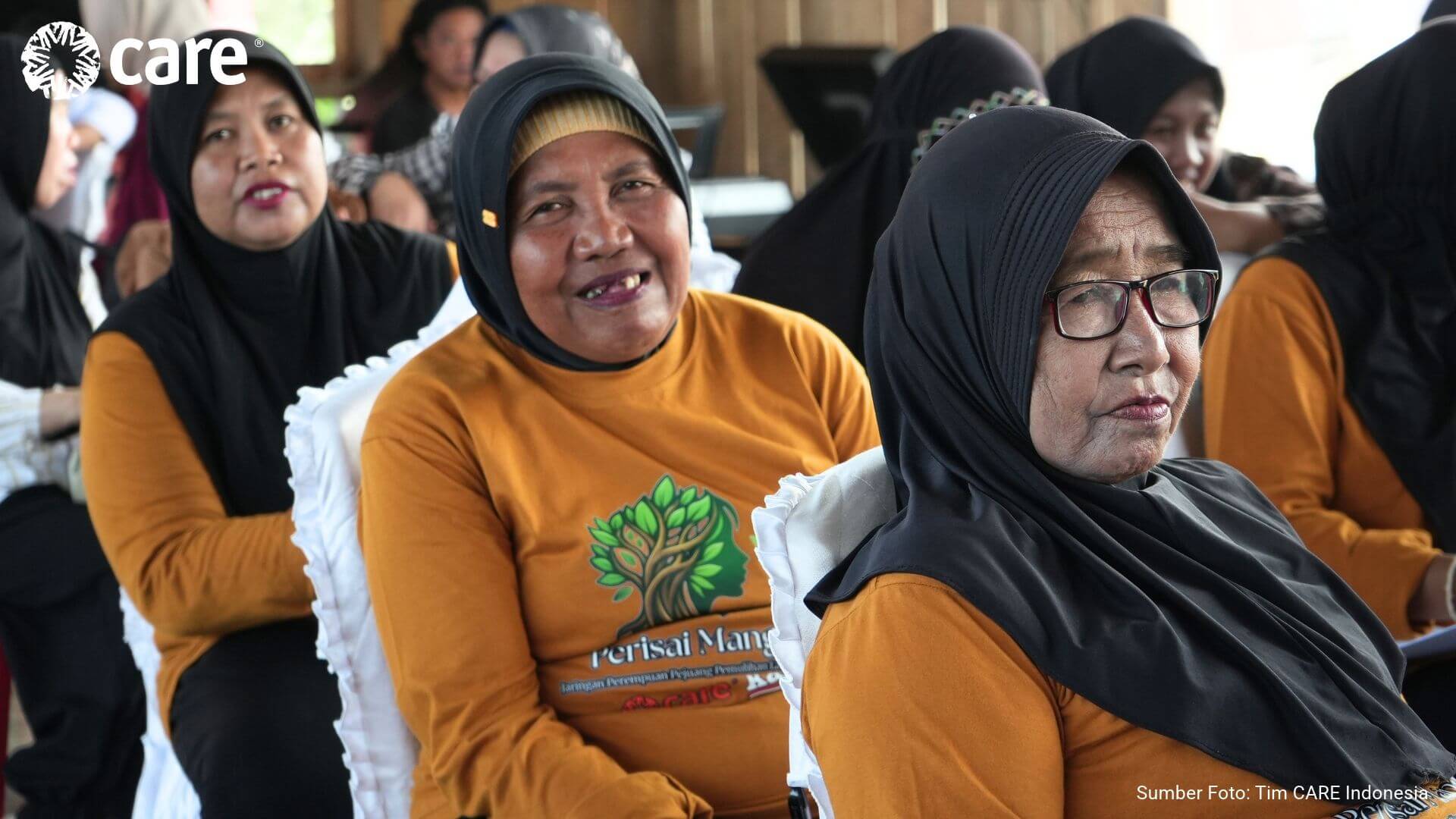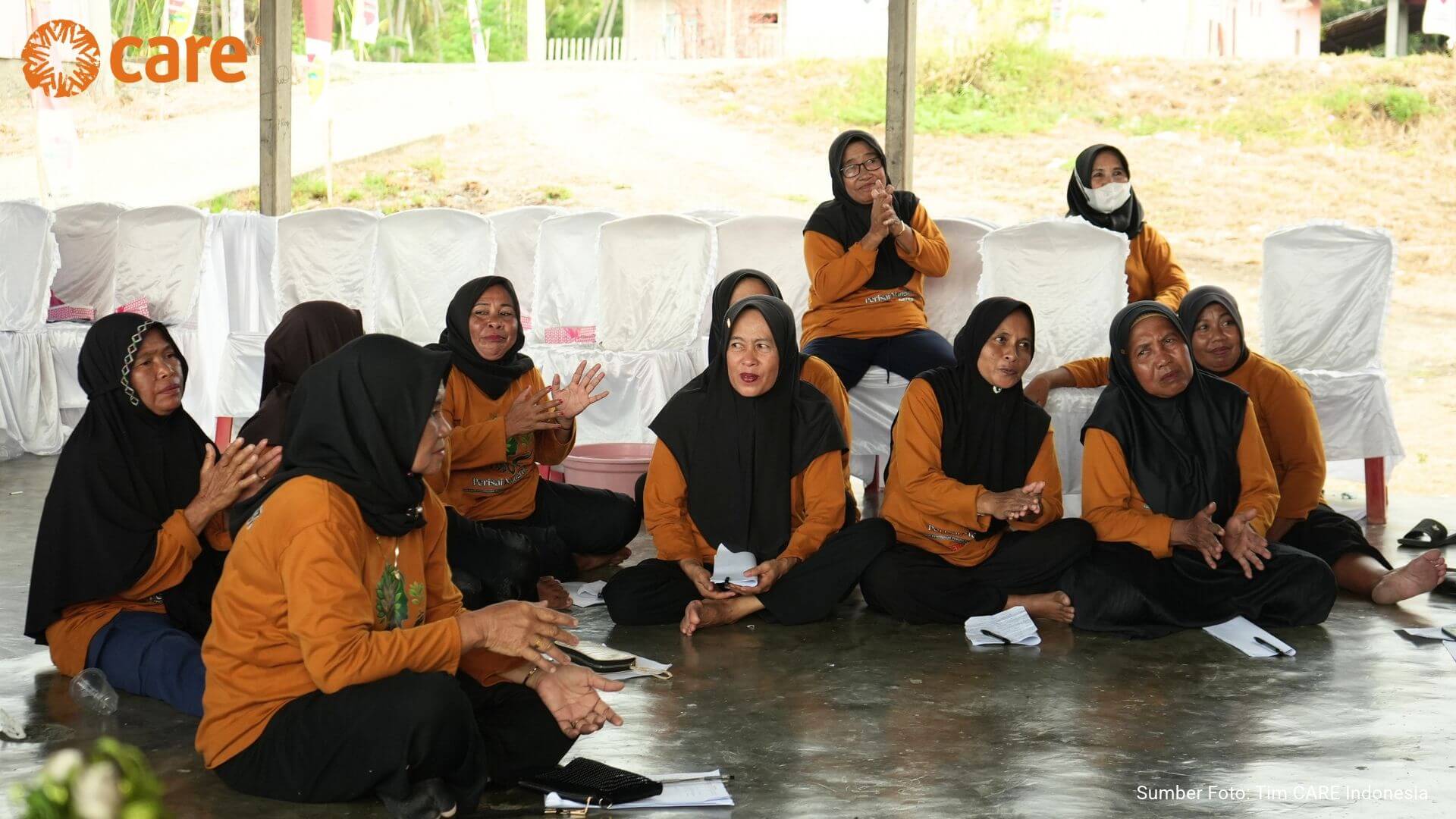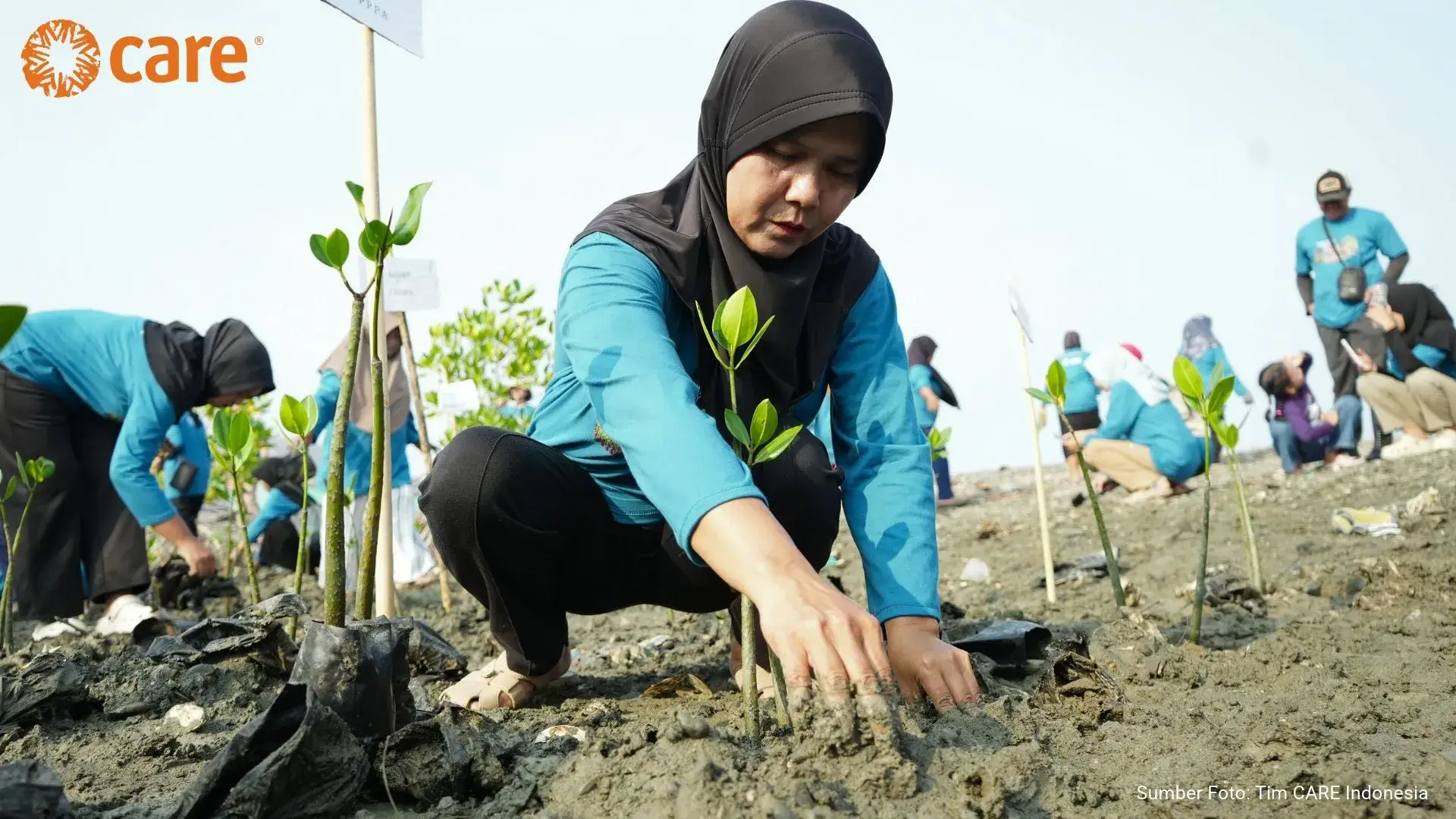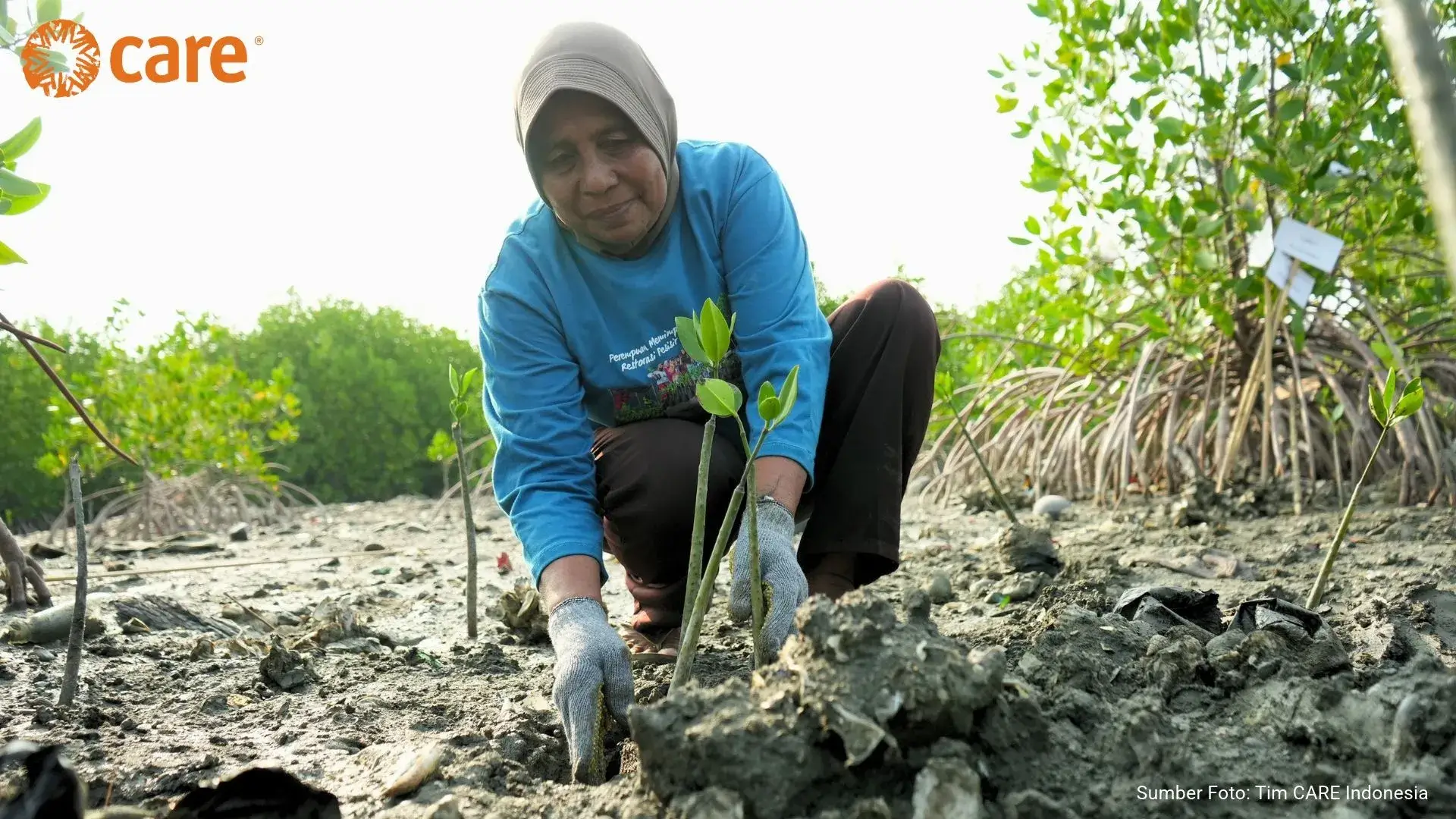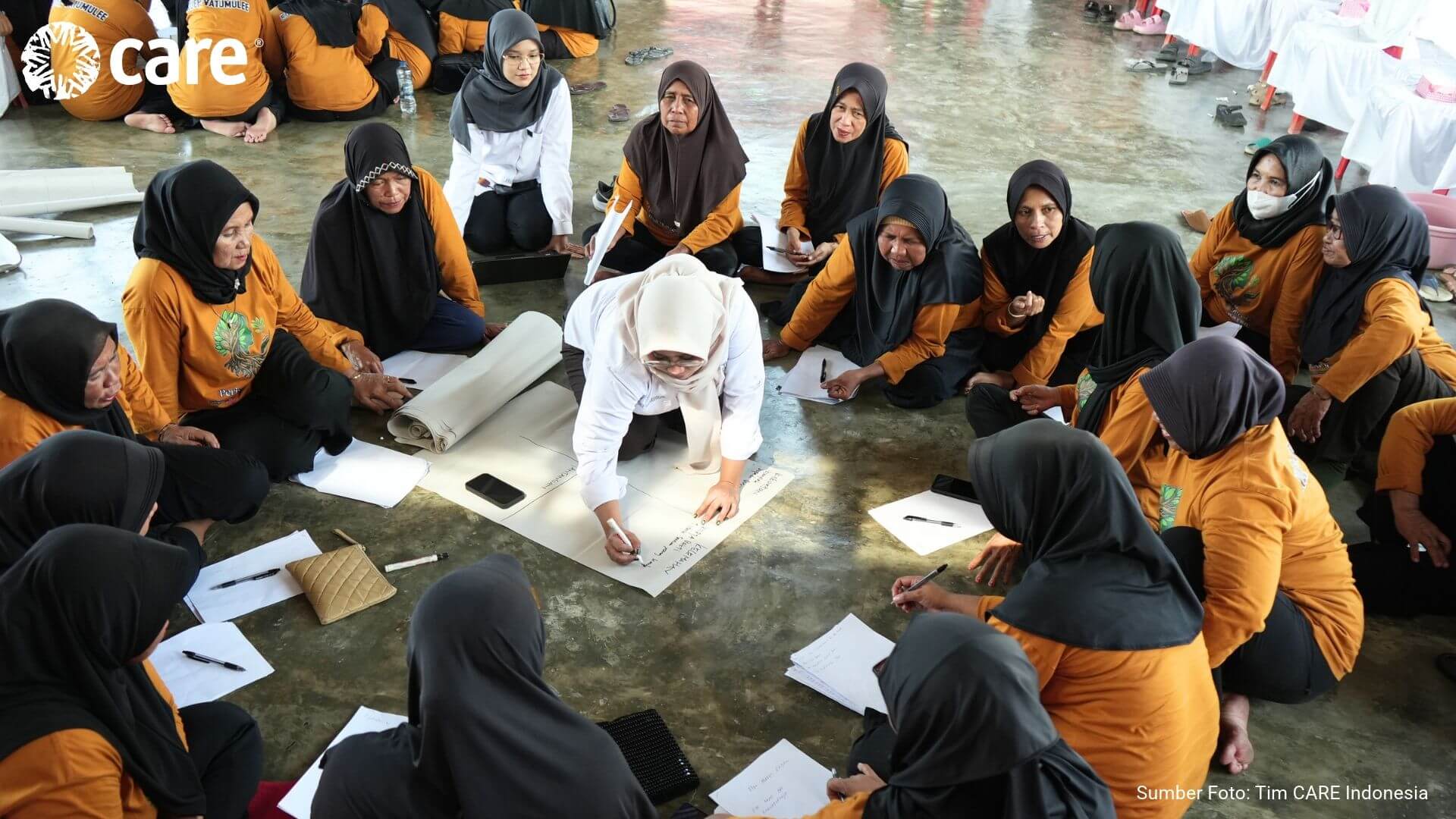
Women’s empowerment begins with recognizing one’s potential and having the confidence to take an active role in community life. Through the Ruang Bersama Indonesia (RBI) training, 40 members of the Women-led Economic Business Groups (KUEP) in Cempa Village, Tojo Una-Una District, were encouraged to recognize their potential, build self-confidence, and understand the importance of women’s participation in shaping the direction of village development.
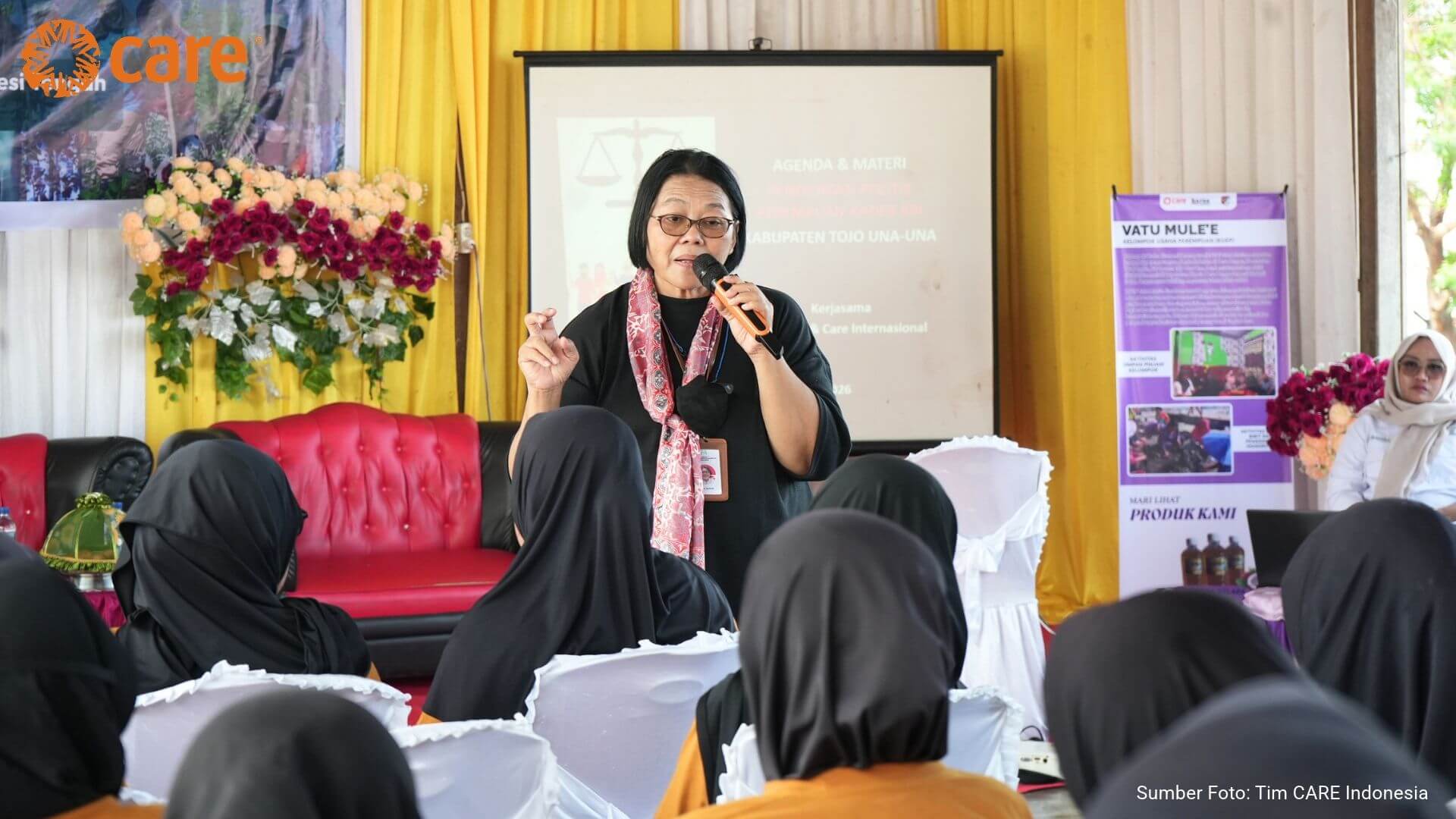
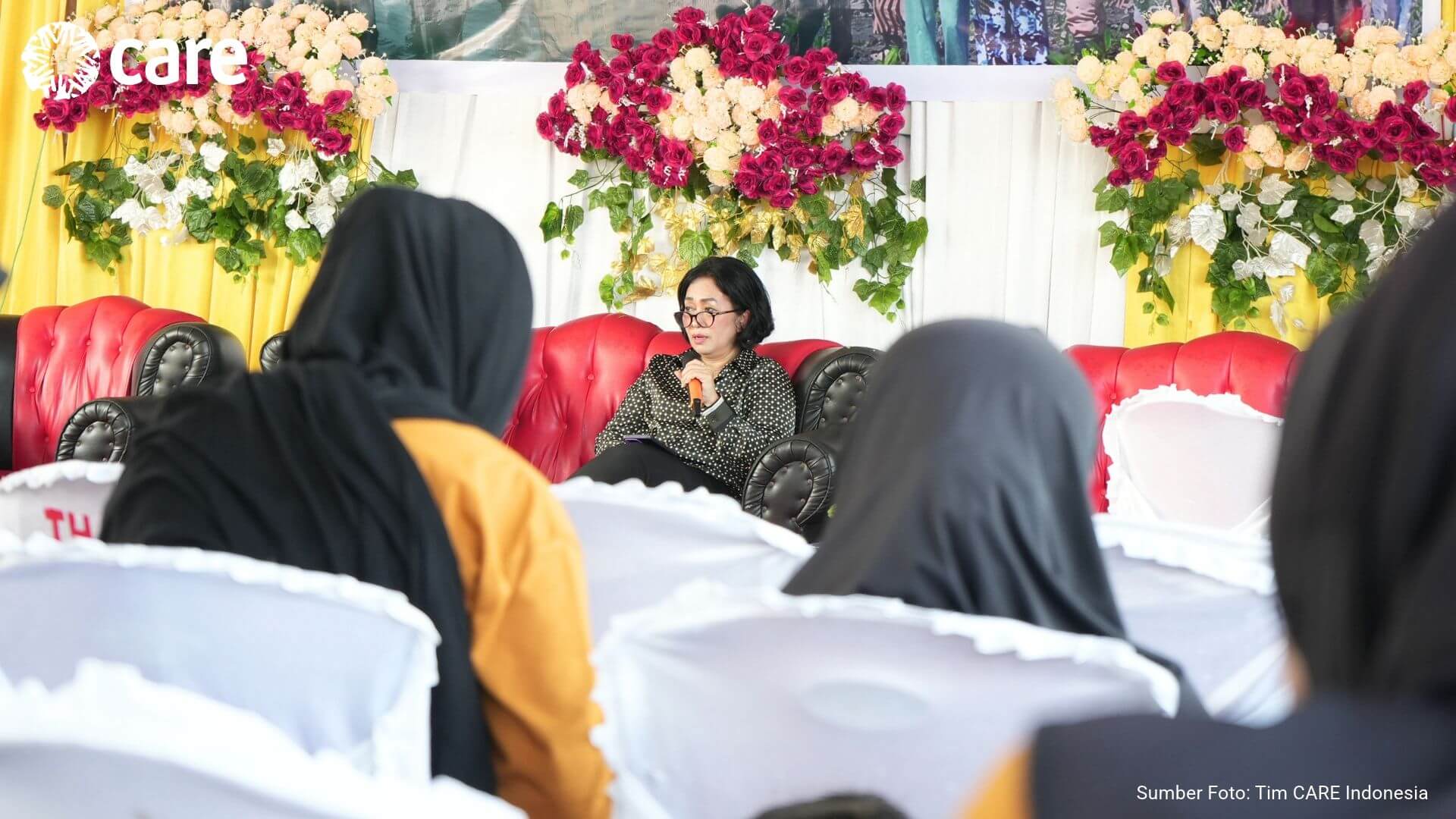
During the training, facilitated by Sitinia Nurhansanah, Expert Staff to the Minister of Women’s Empowerment and Child Protection, on Saturday, November 7, participants learned about the importance of positioning women as active agents of development. Nia emphasized that women should not be seen merely as beneficiaries of programmes. They must also be given the space and opportunities to voice their aspirations, participate in decision-making, and contribute to advancing their villages.
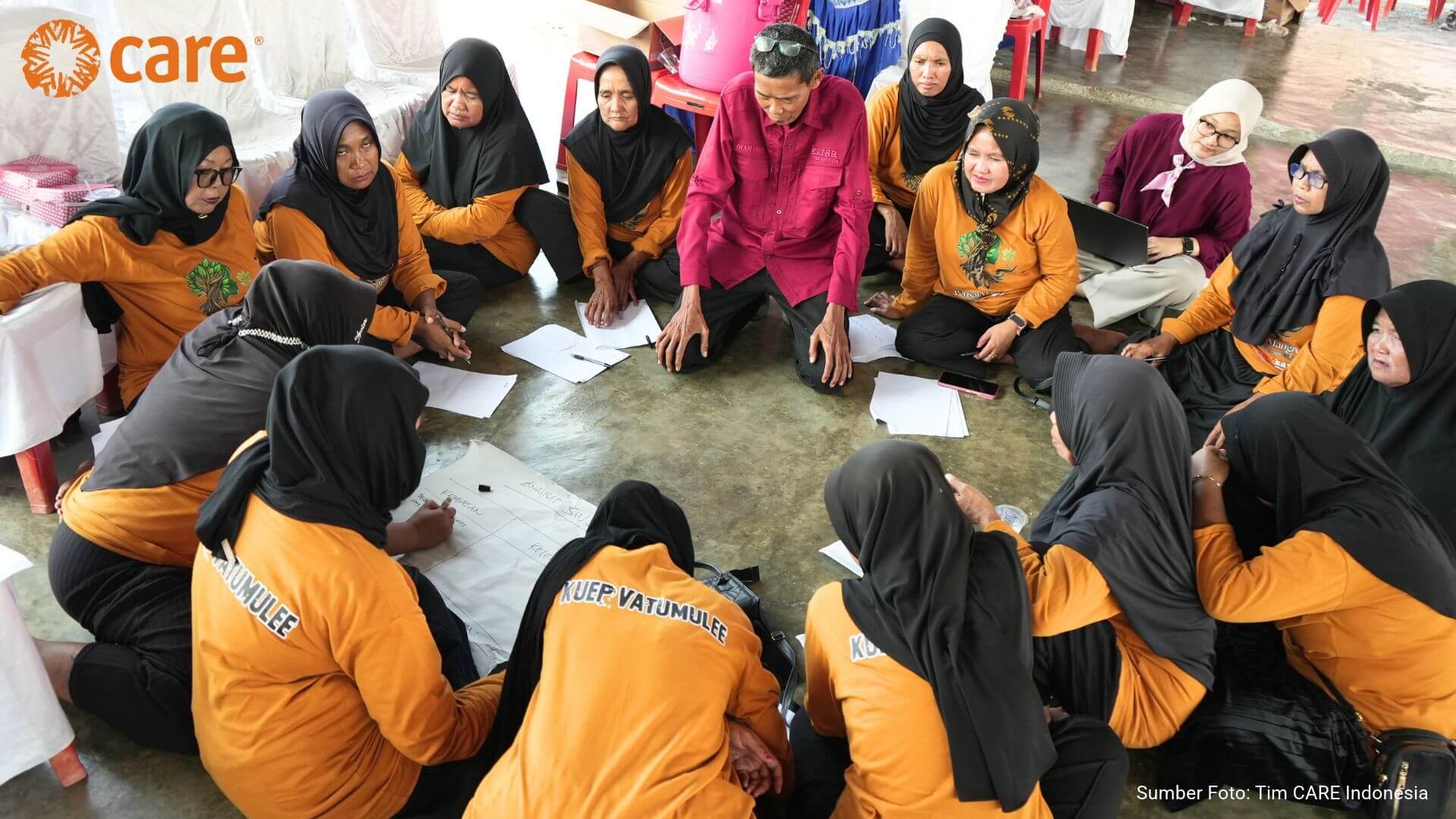
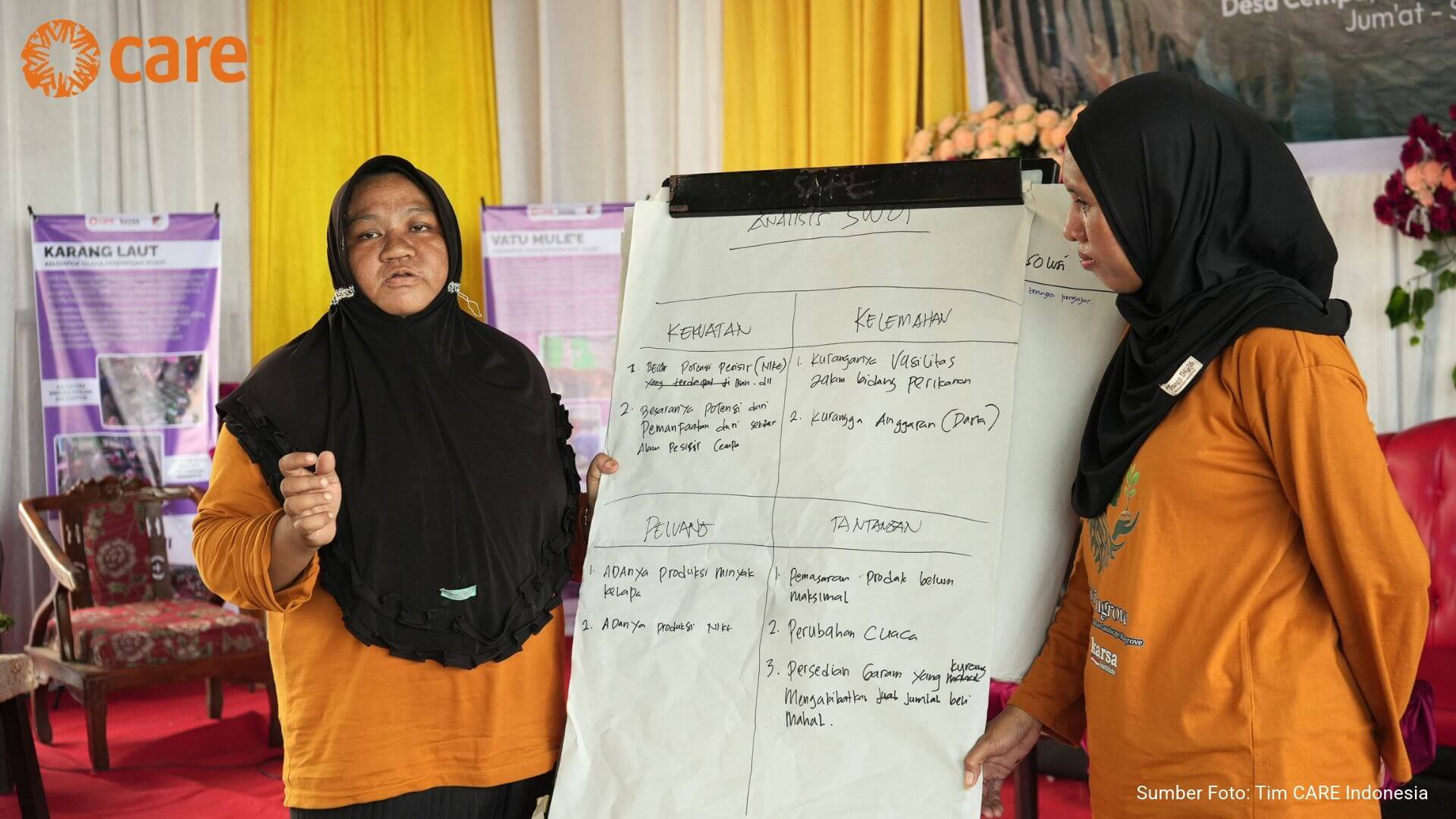
Through self-awareness sessions and practical exercises, participants were encouraged to explore their identities, understand the meanings and hopes behind their names, and recognize their individual strengths and potential. This activity was an important step towards raising awareness that every woman has the abilities and plays an important role in bringing about change in her community.
Beyond strengthening individual capacities, the training also highlighted the importance of solidarity and collective support among women. By supporting and encouraging one another, women are expected to become more confident in addressing challenges, advocating for their interests, and taking part in building more inclusive and equitable villages.
Fatmawati, a member of the Karang Laut Women-led Economic Business Group (KUEP) in Cempa Village, said this was her first time participating in gender-related training. She found the lessons particularly valuable in helping her understand that women have equal rights and opportunities to participate in decision-making within their communities.
“Through this training, I and the other KUEP members have realized that we need to learn more about gender and women’s rights, particularly in the political sphere. We also see the need for further assistance and training, as suggested by the representative from the Ministry of Women’s Empowerment and Child Protection,” she concluded.