
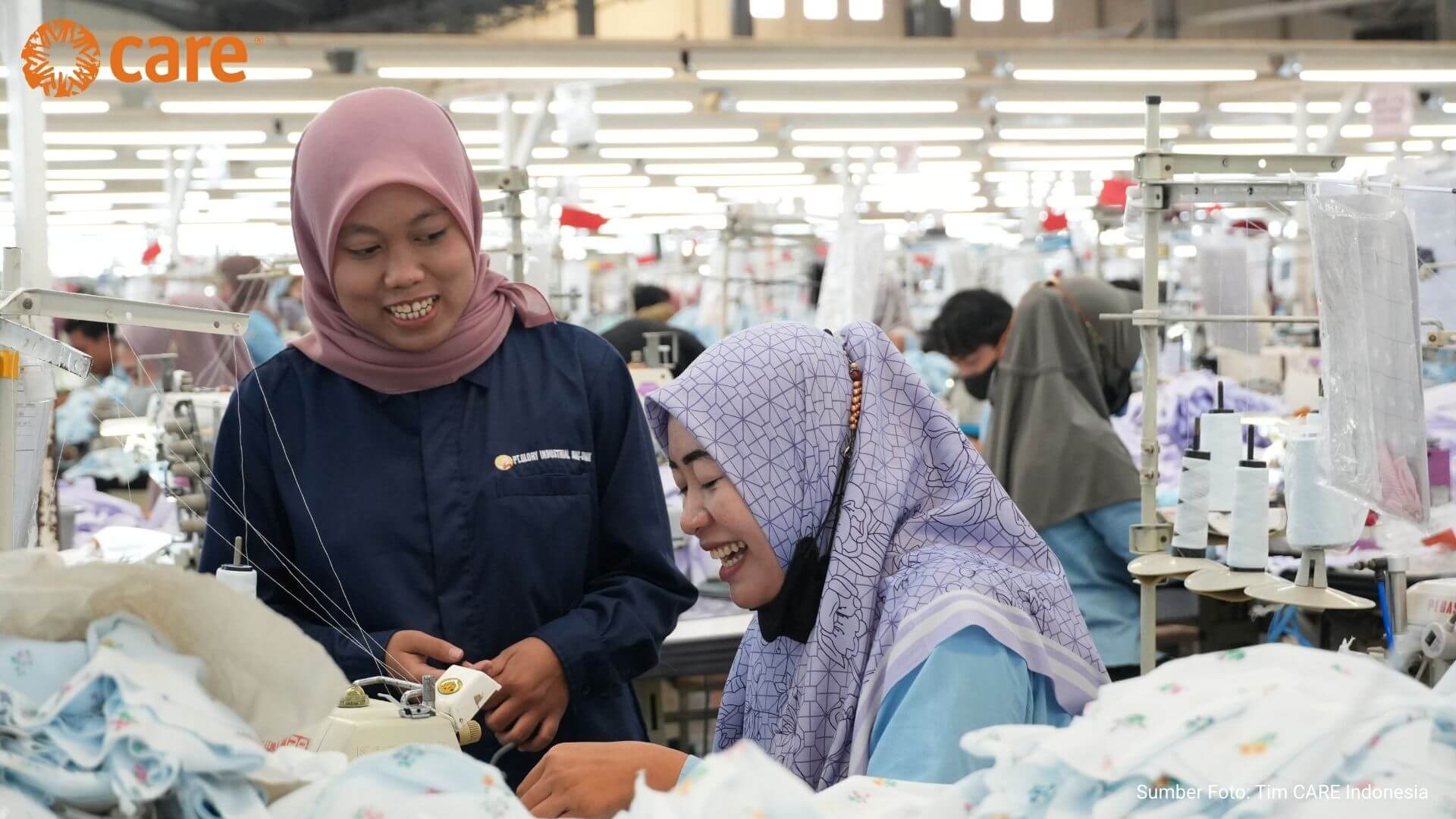
Creating a safe workplace is a shared responsibility between companies and workers. Clear policies on the prevention of gender-based violence, along with firm enforcement, are key to ensuring a safe working environment.
Indonesia’s National Commission on Violence Against Women (Komnas Perempuan) emphasizes that safe and responsive grievance mechanisms, ones that protect women workers from sexual violence are essential.
Globally, violence and harassment in the workplace remain serious concerns. According to a 2022 survey conducted by the International Labour Organization (ILO), Lloyd’s Register Foundation, and Gallup, more than one in five workers worldwide, approximately 22.8 percent have experienced violence or harassment at work, including physical, psychological, or sexual forms.
Komnas Perempuan has also recorded cases of sexual violence occurring in workplace settings every year. In 2021, there were 389 cases involving 411 victims, while in 2022 there were 324 cases involving 384 victims.
Gender-based violence in the workplace can take many forms, ranging from verbal harassment, sexist remarks, discrimination, and intimidation that exploits power relations between supervisors and workers. In some cases, violence also occurs through digital communication channels within workplace environments.
These concerns have sparked discussions about the concept of a “green flag” workplace, a work environment that is healthy, safe, and supportive of workers’ wellbeing.
The term “green flag workplace” is often used in discussions related to HR practices, workplace culture, and employee wellbeing to describe organizations where employees feel respected, safe, and able to grow. Such workplaces are proactive in establishing systems to prevent and address gender-based violence.
A “green flag” workplace does not only rely on written policies. It also fosters a workplace culture that values equality, respects personal boundaries, and ensures protection mechanisms are in place for workers.
These efforts typically begin with developing clear policies on the prevention and response to gender-based violence, including safe and transparent reporting procedures.
Another crucial step is improving workers’ understanding of gender-based violence through socialization sessions and training. These educational initiatives help both workers and management recognize forms of violence that are often dismissed as trivial, such as degrading jokes about women or sexually suggestive comments.
With better awareness, organizations can build a workplace culture based on mutual respect and prevent violence before it occurs.
Muhammad Zainudin, a Quality Control staff member at PT Glory Industrial Semarang, explained that socialization about forms of violence and sexual harassment is essential to creating a safe workplace.
“As workers, we must encourage a safe environment for our female colleagues. Both workers and management must collaborate to implement zero tolerance toward perpetrators of sexual harassment,” he said.
In addition to policies and education, many organizations establish Task Forces for the Prevention and Response to Gender-Based Violence or Sexual Harassment in the Workplace to ensure that every report is handled seriously, confidentially, and in a survivor-centered manner.
These task forces typically receive reports, provide support to survivors, and ensure that response processes are carried out fairly and transparently.
Ima Trisnawati, Warehouse Supervisor at PT Dasan Pan Pacific Sukabumi, explained that having a clear reporting pathway, a task force team, and a Bipartite Cooperation Institution (LKS Bipartit) is essential in helping workers safely raise their concerns.
The Bipartite Cooperation Institution (LKS Bipartit) refers to an internal communication forum within a company that brings together employer representatives and worker representatives.
“In the past, when workers experienced harassment, they often remained silent because they did not know where to report or feared that the perpetrator would discover their identity. Now, with the task force and LKS Bipartit in place, workers feel more comfortable reporting complaints, and their identities are kept confidential,” she said.
Vemi Januarita, Accessories Warehouse Supervisor at PT Dasan Pan Pacific Sukabumi, also emphasized the importance of conducting awareness sessions on forms of sexual harassment and violence so workers clearly understand the boundaries that must be respected.
Vemi shared that she now feels safer and more comfortable at work because clear policies and secure reporting mechanisms help workers feel protected.
“Since the establishment of the Sexual Violence Task Force and the Bipartite Committee, we as workers have become more aware of the different forms of harassment and sexual violence. Now we can report cases to the task force if they occur. It feels much more comfortable working here,” she said.
However, the lack of safe and trusted reporting mechanisms in many workplaces remains a significant challenge.
Without clear systems and protections for those who report cases, survivors often choose to remain silent due to fear of stigma or retaliation.
Yohanna Tantria, Project Manager at CARE Indonesia, explained that limited understanding among workers and management about sexual harassment and gender equality continues to be a challenge, causing various forms of violence to go unrecognized or unaddressed.
“In workplaces where patriarchal culture remains strong, raising gender-related issues can be difficult. Changing workplace culture and mindsets is not easy. However, companies can take concrete steps to create more gender-responsive and safer workplaces. Establishing anti-violence task forces and building clear reporting mechanisms are crucial steps toward that goal,” Yohanna concluded.
Building a truly “green flag” workplace requires commitment from multiple stakeholders, from organizational leadership and workers to government institutions and civil society.
Beyond preventing violence, these efforts aim to ensure that everyone can work in an environment where they feel safe, respected, and have equal opportunities to grow.
Ultimately, a safe workplace is one that protects workers while also supporting the development of healthier, more productive, and more sustainable organizations.
Writer: Kukuh Akhfad
Editor: Swiny Adestika
